REVIEW · POKHARA
Pokhara: 7-Day Annapurna Base Camp Trek with Hot Spring
Book on GetYourGuide →Operated by Snow Peak Tours and Travels pvt.ltd. · Bookable on GetYourGuide
Annapurna Base Camp, up close. This 7-day trek from Pokhara pairs rhododendron forests with classic Nepali village stops and lands you at 4,130m for the big summit-feel moment. I also like how the route threads in Gurung, Magar, and Tibetan-influenced communities. One drawback: it’s not a good match if you’re at risk of altitude sickness or if mobility is limited.
From the reviews and the way the trek is set up, the real win is human scale: a certified English-speaking guide (names like Sun, Laxman, and Bishnugiri came up) plus basic tea houses that keep you moving without turning the day into a logistics problem. You’ll still need to be ready for steep bits and cold mornings, especially near the top.
In This Review
- Key Points at a Glance
- How This Trek Really Feels in 7 Days
- Pokhara to Ghandruk: Start in Nayapool, Walk Up Through Real Villages
- Ghandruk to Chhomrong: The Rhododendron + Panoramic-View Sweet Spot
- Chhomrong to Himalaya: Higher, Cooler, More Mountain-Forward
- Himalaya to Annapurna Base Camp: The 4,130m Payoff Day
- Base Camp to Bamboo: Back Down, Still Busy, Still Scenic
- Bamboo to Jhinu Danda: The Hot Springs Reward That Makes It Worth It
- Jhinu Danda to Nayapool and Back to Pokhara: Finish Strong and Don’t Rush
- Tea Houses, Lodges, and the Real Comfort Trade-Off
- Price and Value: Why $207 Can Make Sense Here
- Your Guide Team: The Difference a Good Human Makes
- What to Pack (So You Don’t Regret It at 4,130m)
- Who This Trek Fits Best
- Should You Book This Annapurna Base Camp Trek?
- FAQ
- What is the duration of the trek?
- Where does the trek start?
- What is the highest point you reach?
- Is there a hot spring included?
- What’s included in the price?
- Are meals included?
- What languages will the guide speak?
- What’s the policy if I need to cancel?
Key Points at a Glance
- Pokhara start plus private vehicle transfers to reduce your pre-trek stress
- Tea-house / lodge nights on a budget-friendly route that stays close to the “real trekking” vibe
- Annapurna Base Camp overnight for better light and time to just sit with the peaks
- Jhinu Danda hot springs as your reward day (natural soak time)
- ACAP permit included, so you don’t have to hunt admin paperwork mid-trip
- Optional porter available for $20/day if you want lighter steps
How This Trek Really Feels in 7 Days
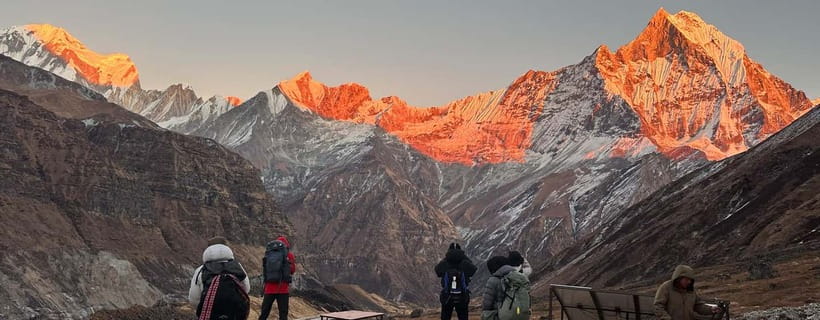
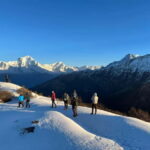
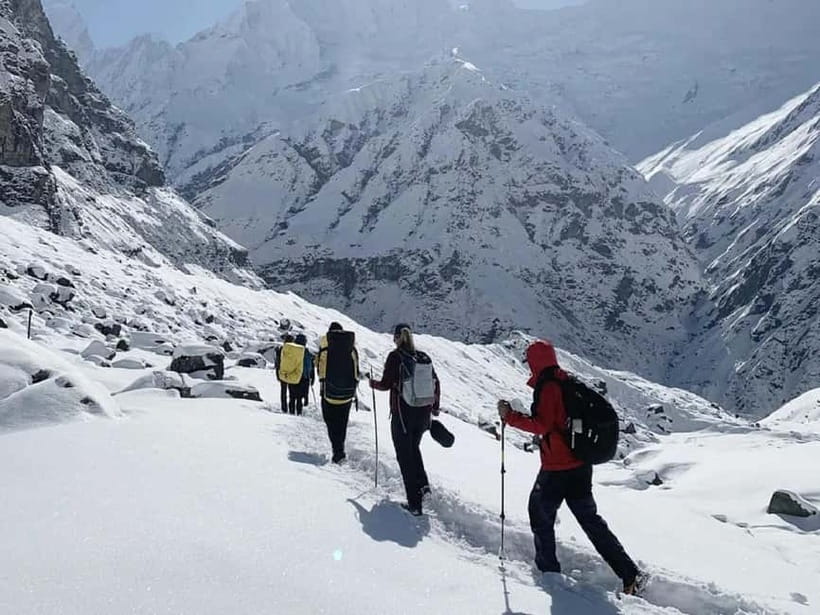
This is a classic Annapurna Base Camp trek with a smart rhythm. You gain altitude gradually through villages and forests, then hit the higher days with more intensity. The pacing is built around hiking periods and tea-house overnights, so you’re not constantly switching hotels or changing plans.
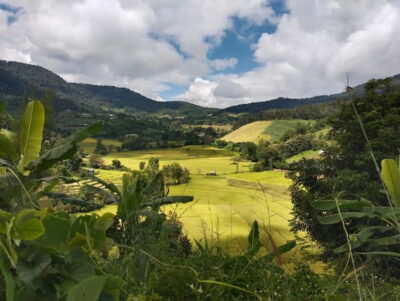
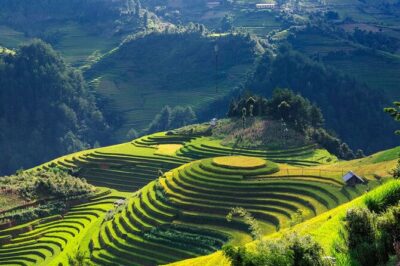
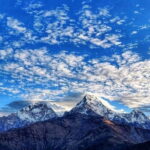
The big picture: you’re chasing that moment when the Annapurna massif gets painfully real. You’ll walk through terraced farmland and rhododendron-heavy trails before the air thins and the views sharpen. Expect cold starts, warm sun mid-day, and evenings that are all about hot tea and staying sensible.
And yes, the hot springs at Jhinu Danda matter. After days of downhill and sore calves, a soak in natural thermal water is the kind of reset your body will understand immediately.
You can also read our reviews of more tours and experiences in Pokhara.
Pokhara to Ghandruk: Start in Nayapool, Walk Up Through Real Villages
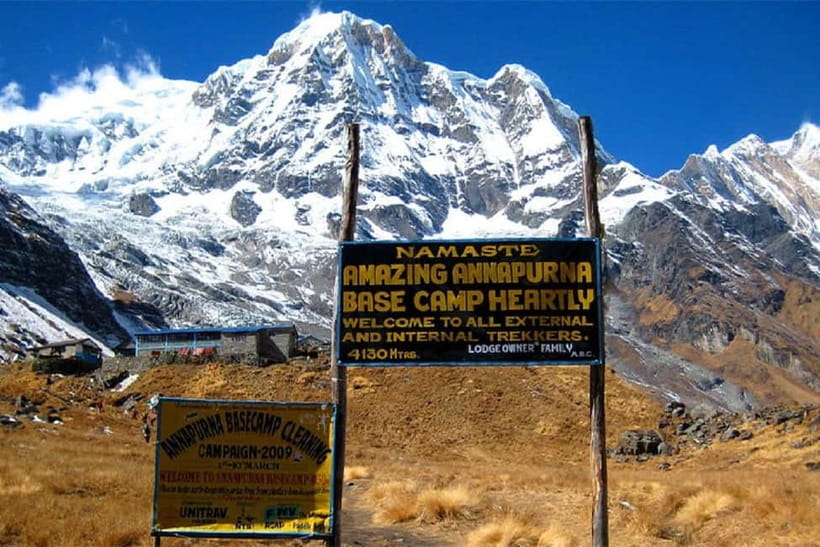
Day 1 begins with a drive from Pokhara to Nayapool, then your hike starts there along the Modi Khola valley. You’ll likely spend about 5–6 hours hiking to reach Ghandruk at around 1,940m.
What I like about this start: it gives you an early taste of Nepal beyond the standard “viewpoint photo.” You pass through ethnic villages and forested sections before landing in the larger village atmosphere at Ghandruk. It’s also a practical warm-up day—enough effort to get moving, not so much that you’re wrecked for the next morning.
Possible consideration: you’ll start from a trailhead by vehicle, not from your hotel door. That’s normal here, but build in time for pickup and get your layering sorted before you leave Pokhara.
Ghandruk to Chhomrong: The Rhododendron + Panoramic-View Sweet Spot
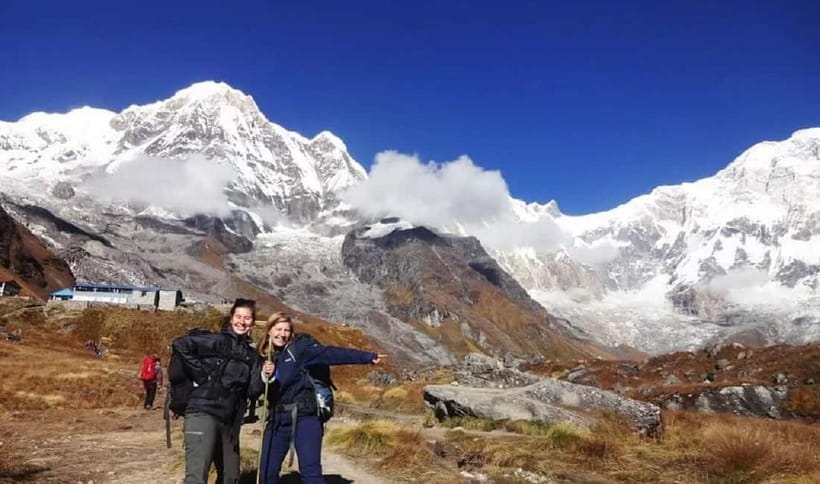
Day 2 climbs from Ghandruk to Chhomrong (around 2,170m). Again, you’re looking at roughly 5–6 hours, and the trail leans into that Annapurna “postcard, but you’re walking through it” vibe.
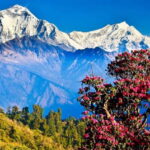
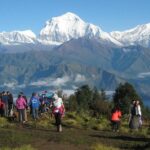
Why this day matters: Chhomrong is one of those places that helps you understand what the Annapurna region is like. You get panoramic views of the Annapurna range and the trail passes through rhododendron forests—excellent for that changing-light effect as you hike.
Consideration: this route is not “flat.” Even when the scenery is generous, your legs will feel it. If you’re new to trekking, take the guide’s pace seriously. One slow day is better than one hard day.
Chhomrong to Himalaya: Higher, Cooler, More Mountain-Forward
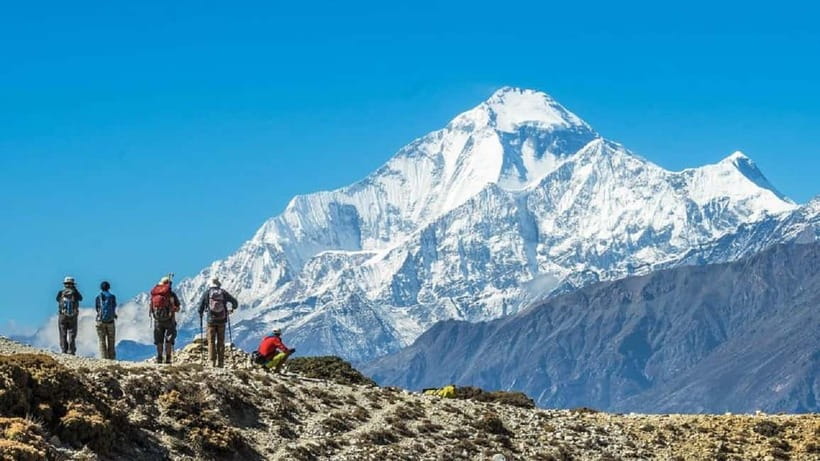
Day 3 goes from Chhomrong up to Himalaya (about 2,920m), with an emphasis on rhododendron forests and village scenery along the way. Expect around 5 hours.
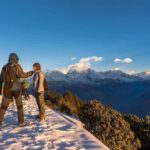
This is where the trek starts feeling more alpine. Trees thin out, the air gets sharper, and the mountains start showing themselves in bigger chunks. The “Himalaya” stop is also part of the treks’ psychological ramp: you’re heading toward Base Camp, so everything feels like forward motion.
Tip that helps: your warm layers will matter more now than you think. Bring a jacket you’ll actually wear, not just pack.
Himalaya to Annapurna Base Camp: The 4,130m Payoff Day
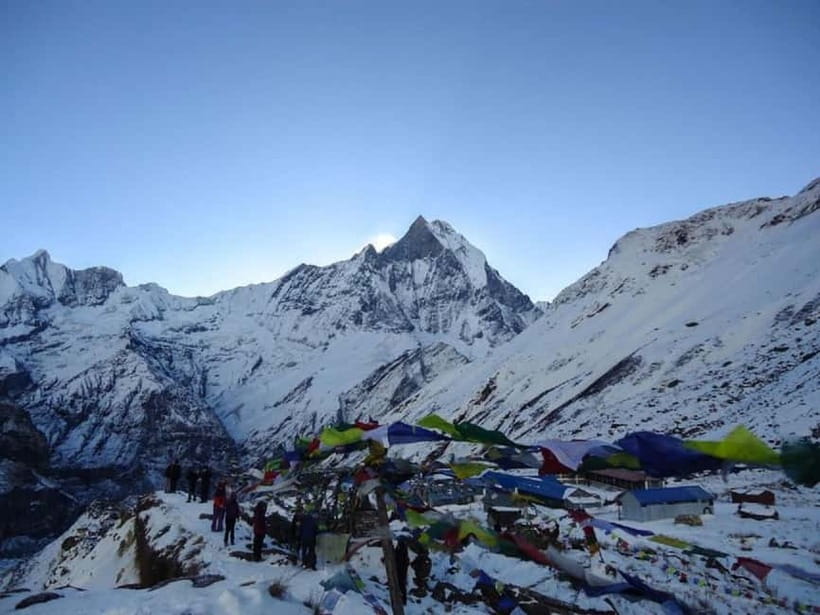
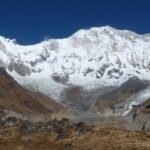
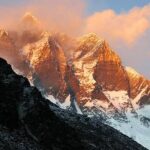
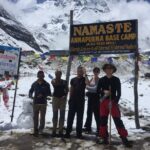
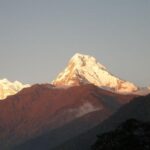
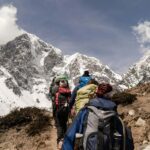
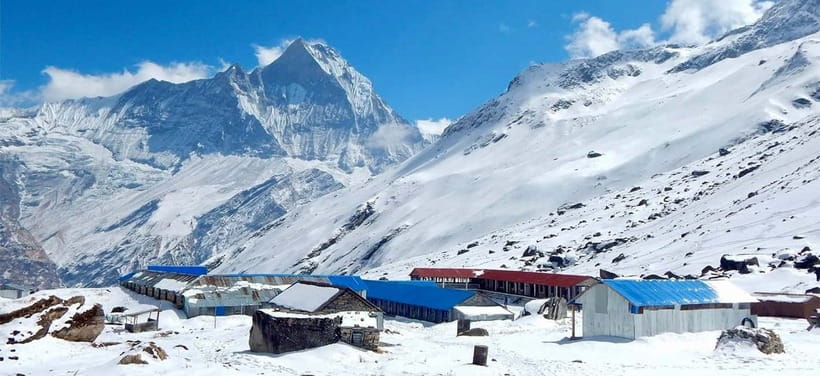
Day 4 is the big one—Himalaya to Annapurna Base Camp at 4,130m (13,550ft). This day is tough in the way all Base Camp days are tough: steeper, colder, and slower as altitude kicks in. You’ll stay overnight right at Base Camp.
This is also where I think the trek earns its keep. Base Camp isn’t just a high point you pass through—it’s the place you pause. An overnight stay means you can experience different light on the peaks instead of sprinting through and calling it done.
What to expect at Base Camp: you’re surrounded by towering peaks and the air tends to feel thin and crisp. You’ll be in basic tea-house style lodging rather than a comfort-luxury setup, but the tradeoff is proximity and that almost shocking feeling of being that close.
Altitude note (important): the operator notes it isn’t suitable for people with altitude sickness. If you’ve ever had altitude problems before, talk with a medical professional before you go and follow your guide’s pace.
Base Camp to Bamboo: Back Down, Still Busy, Still Scenic
Day 5 goes from Annapurna Base Camp down to Bamboo at about 2,335m. You’ll likely spend around 5–6 hours.
This is a classic “down but not easy” day. Descending can feel good at first, but it also pounds your knees and shins. The upside: you’re moving through rhododendron forests again, with the added bonus of natural springs and waterfalls you can enjoy along the trek.
Why Bamboo matters: it’s a lower-altitude reset point. You’re not just descending for fun—you’re giving your body a chance to recover before the hot springs day.
Bamboo to Jhinu Danda: The Hot Springs Reward That Makes It Worth It
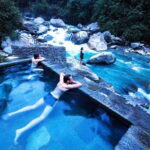
Day 6 takes you from Bamboo to Jhinu Danda, around 1,610m, and this is the hot spring day. You’ll hike for roughly 6 hours and then spend time at the natural hot springs to relax sore muscles.
If you’re debating whether hot springs are worth the effort: yes, because it’s timed perfectly. By Day 6, your legs have done the work. A soak isn’t a gimmick here—it’s part recovery, part morale boost.
Practical reality check: it can still be cool near the water, and you’ll be changing and rinsing after the hike. Bring the towel and a spare change of clothes you’re actually willing to use.
Jhinu Danda to Nayapool and Back to Pokhara: Finish Strong and Don’t Rush
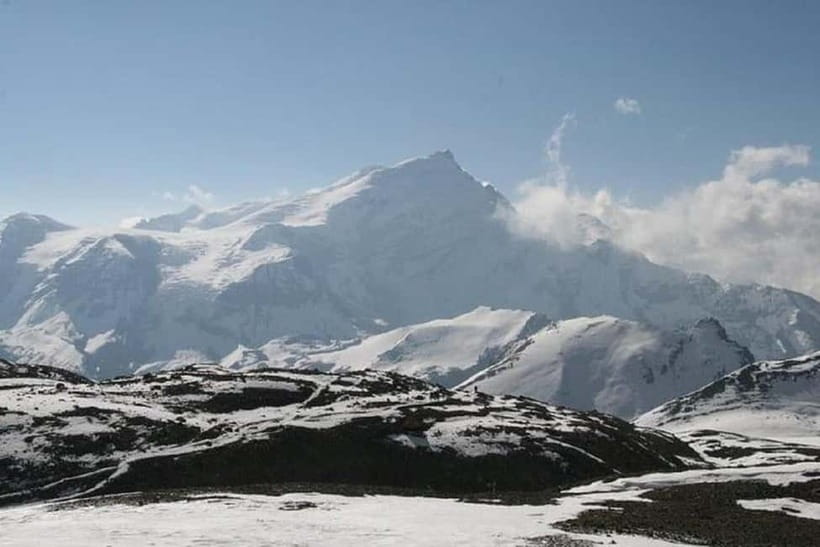
Day 7 hikes back toward Nayapool and then you drive to Pokhara. The hiking portion is around 5 hours.
This day is about smooth completion. You’re dropping away from the heights, so your body will thank you. It’s also where you’ll be glad you didn’t overpack “just in case.” You’ll want your camera, warm layer, and a fully charged power bank for the final stretch.
Pro tip: keep some snacks and water habits steady. Even on the last day, hunger and dehydration sneak up on you.
Tea Houses, Lodges, and the Real Comfort Trade-Off
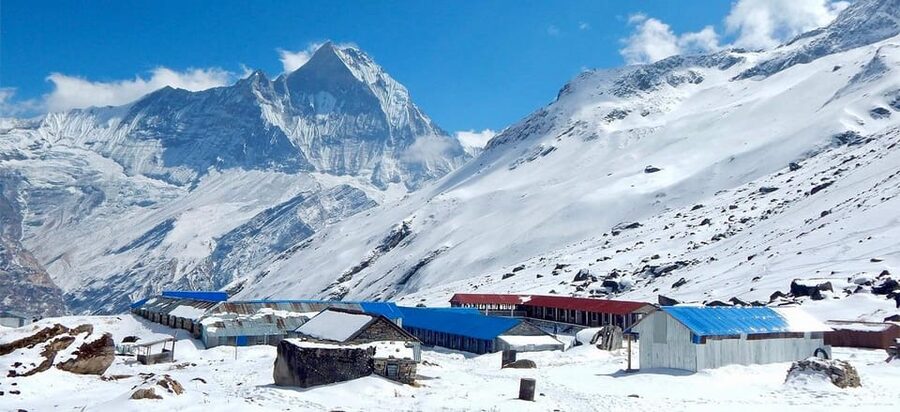
This trek uses basic tea houses or lodges for overnight stays. That’s part of the appeal: you’re trekking in the Annapurna region the way many Nepal visitors experience it—simple rooms, warm meals you can purchase, and a practical bed for sleeping.
What’s included is the lodging during the trek, plus the guide and porter support (porter is included for food, accommodation, insurance, salary, transport, and equipment). What’s not included: meals on the trail, so you’ll pay for breakfasts, lunches, dinners, and snacks as you go.
Why that matters for planning: budget travelers often like this setup because it keeps the trek price down and lets you choose your comfort level at meals. Just don’t assume every meal will be your favorite thing on Earth—plan for variety and keep snacks handy.
Price and Value: Why $207 Can Make Sense Here
At $207 per person for a 7-day, guided Annapurna Base Camp trek, the value is mainly in what’s covered. You get:
- Round-trip private vehicle transfers between your Pokhara base and the trek start area
- ACAP permit included
- Basic tea-house lodging each night
- A certified English-speaking trekking guide
- Porter support (with the costs listed as included)
- Luggage storage in Pokhara
- A first aid kit
Meals aren’t included, and optional porter hire is listed separately (though porter support is also part of the included structure), so it’s worth clarifying what your specific group setup includes. Still, as a bundle price, $207 is on the budget side for this kind of trek length and altitude work.
The biggest “value test” is simple: can you handle basic lodging and trek-food planning? If yes, you’re in good shape. If you want full-service meals and higher-end accommodations at every stop, you’ll likely feel limited by the basics.
Your Guide Team: The Difference a Good Human Makes
The operator includes a professional, friendly English-speaking trekking guide certified by Nepal Government. In the feedback, the guides are described as attentive, encouraging, and genuinely there to help—names like Sun, Laxman, and Bishnugiri were praised for keeping the experience smooth and supportive.
That guidance matters most in three places:
- Pacing when altitude starts to slow you
- Decision-making when you’re tired and the trail feels endless
- Comfort when the weather changes and you need the right layers on fast
If you’re traveling with family, friends, or a private group, this kind of guide support also makes the trek feel less like a scripted hike and more like something you can manage day by day.
What to Pack (So You Don’t Regret It at 4,130m)
The essentials list is sensible and practical. Focus on items that keep you warm, dry, and able to keep moving:
- Comfortable shoes and hiking shoes
- Warm clothing, plus rain gear
- Sunglasses and sun hat
- Gloves and a jacket
- Sunscreen
- Change of clothes and a towel
- Flashlight
- Cash (helpful for purchasing meals)
- Passport (a copy is accepted)
- Power bank (you’ll want it for photos and maps)
- Sleeping bag and trekking gear as needed
Notably, the trek mentions trekking stick and sleeping bag as needed as part of gear support. Still, bring your own preferred versions if you have them. The biggest packing mistake on treks like this isn’t overpacking—it’s underpacking warmth.
Who This Trek Fits Best
This is a strong choice if you want:
- A budget-friendly guided Annapurna Base Camp experience
- A mix of village culture and mountain payoff
- Tea-house trekking without complicated hotel logistics
- A real end-of-trek recovery moment with Jhinu hot springs
It’s not suitable for people with mobility impairments, and it specifically isn’t suitable for those with altitude sickness. If that applies to you, don’t “tough it out.” Pick an altitude-friendlier plan.
Should You Book This Annapurna Base Camp Trek?
I’d book it if you want the classic Annapurna experience—guided, structured, and not overly fancy—with a clear Base Camp highlight and a legitimate hot-springs finish. The price looks fair for what’s included, and the overnight at Base Camp is a big quality-of-experience boost.
I wouldn’t book it if you’re highly sensitive to altitude or need step-free accessibility. And if your comfort priority is guaranteed luxury, you’ll want a different style of trek.
FAQ
What is the duration of the trek?
The trek runs for 7 days.
Where does the trek start?
It starts from Nayapool after a drive from Pokhara.
What is the highest point you reach?
The trek reaches Annapurna Base Camp at 4,130m (13,550 feet).
Is there a hot spring included?
Yes. You hike to Jhinu Danda for natural hot springs on Day 6.
What’s included in the price?
Included are private vehicle transfers between your hotel and the trek starting point, the ACAP permit, basic tea house or lodge accommodation during the trek, a certified English-speaking trekking guide, porter support, trekking gear as needed (like a trekking stick/sleeping bag), luggage storage in Pokhara, local taxes, and a first aid kit.
Are meals included?
No. Meals during the trek are not included; you purchase them along the way.
What languages will the guide speak?
The live tour guide speaks English, Hindi, and Nepali.
What’s the policy if I need to cancel?
Cancellation is free up to 24 hours in advance for a full refund.