REVIEW · GONDER
Simien Mountains National Park – 7 Day Trek
Book on Viator →Operated by Simien Image Ethiopian Tour and Travel Company · Bookable on Viator
High cliffs do the talking.
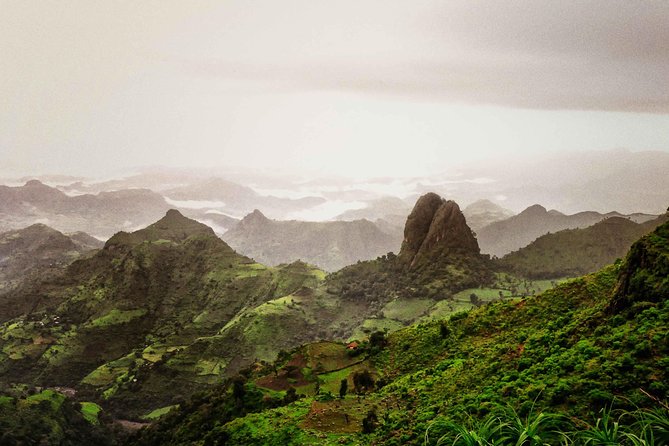
This trek through the Simien Mountains National Park is all about serious hiking days, big altitude swings (roughly 2000–4000m), and wildlife chances you can’t fake. I especially love the cliff-edge feel on the way into Sankaber, and the knockout panoramic payoff when you reach Imet Gogo. One consideration: this is not a casual stroll. You’re walking 5 to 8 hours most days, including a high point at Buwhit pass (4200m), so strong fitness matters.
What makes it work is the “real trip” setup, not just a route on a map. The small group limit (up to 15 people) helps, and the team—headed by Alex in the planning side—focuses on smooth logistics, including airport assistance and adjustments to fit your needs.
In This Review
- Key highlights you’ll feel on the trail
- Why this Simien trek feels different from day hikes
- Seven days of altitude: what the 2000–4000m range means
- Day-by-day walkthrough: what you’ll do and what to look for
- Day 1: Gondar to Sankaber with a cliff-edge approach
- Day 2: Sankaber to Geech, Jinbar waterfall, and coffee in a tukul
- Day 3: Geech to Chennek and the big payoff at Imet Gogo
- Day 4: Chennek to Sona via Buwhit pass (4200m)
- Day 5: Sona to Mekarebya with a long downhill feel
- Day 6: Mekarebya to Mulit, river crossings, and monkey chances
- Day 7: Mulit to Adiarkay and the drive back to Gondar
- Wildlife you can realistically hope for (and how to watch)
- Food, tents, and group size: what the inclusions mean day to day
- Value check: is $900 worth it for a 7-day Simien trek?
- Gondar start and the planning support that keeps it smooth
- Who this trek is best for (and who should skip it)
- Should you book the Simien Mountains 7-day trek?
- FAQ
- FAQ
- How long is the Simien Mountains National Park trek?
- Where does the trek start and finish?
- What time does the tour begin?
- What elevation range will I hike at?
- What wildlife might I see?
- How many meals are included?
- Is park admission included?
- What group size should I expect?
Key highlights you’ll feel on the trail
- Cliff-edge start into Sankaber right after the Gondar drive
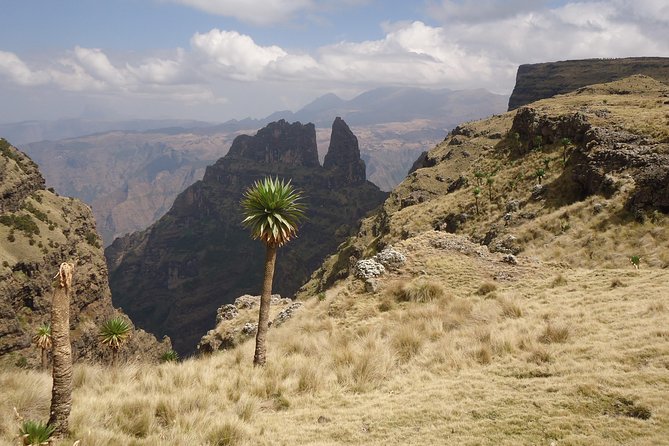
- Imet Gogo’s 360-degree views from 3926m
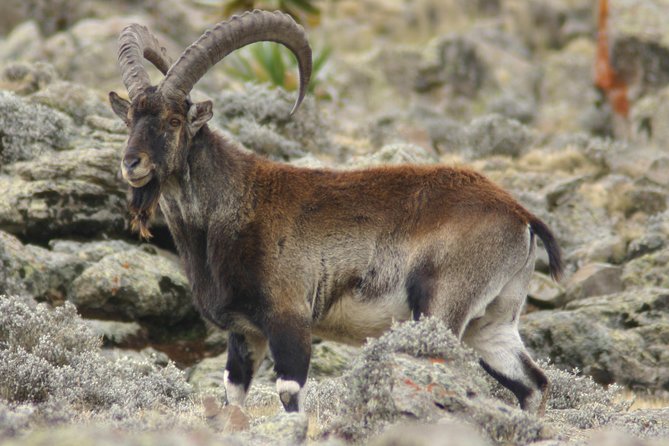
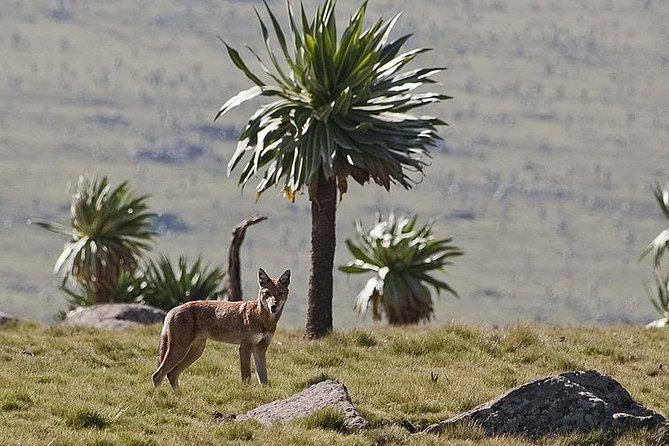
- Walia ibex and rare Simien fox chances around Buwhit pass (4200m)
- Jinbar waterfall plus riverbank lunch on Day 2
- Village time in Geech with coffee in a traditional tukul hut
- Most-day downhill rhythm on Day 5 and then a gentler exit on Day 7
Why this Simien trek feels different from day hikes
The Simien Mountains aren’t just scenery. They’re a hiking machine: long ridges, sudden viewpoint rewards, and wildlife that’s adapted to steep country. This 7-day route is built for people who enjoy effort, not just photos, with two shorter half days and five full walking days. From the start, you’re moving between camps in a way that keeps the days meaningful.
I like that the pacing is serious but not random. You’ll feel a clear rhythm: travel from Gondar, drop into the park, then work your way through several camp areas that change what you see—cliff lines one day, forests and river valleys another, then high viewpoints and passes. Even without getting into fancy talk, it’s the kind of trek where you remember the day-by-day effort.
One bonus that matters on a trek like this: the trip is structured with meals and guides included. That takes pressure off decisions like where to eat, and it helps you focus on walking, water, and resting when the day ends.
You can also read our reviews of more tours and experiences in Gonder.
Seven days of altitude: what the 2000–4000m range means
You’re hiking across elevations that run roughly 2000–4000 meters above sea level, with Buwhit pass hitting 4200m. That’s not a warning sign for fear—it’s a practical cue for pacing.
Higher altitude can change how hard your breathing feels, especially on steep sections and when the day is long. You’ll notice temperature shifts as you move up and down, and Day 5 is a great example: as you descend from Sona toward Mekarebya, the temperature rises and the vegetation changes. Even if you’re fit, build in a slower start each morning. The goal is to arrive tired enough to sleep well, not so wrecked that you have to fight your way downhill.
The route also includes several long travel days between camp areas. Expect full days in the 5 to 8 hour range, which means you should pack like a hiker, not like a sightseeing tourist. If you love day hikes, you’ll probably enjoy the multi-day grind here. If you hate being on your feet for hours, you’ll feel every one of them.
Day-by-day walkthrough: what you’ll do and what to look for
This is the kind of itinerary where details help. Small choices—like when to take breaks—can make the difference between enjoying the views and just surviving the day.
Day 1: Gondar to Sankaber with a cliff-edge approach
You leave Gondar at 8:00am and reach the Simien Mountains area around 11:00am. Then the vehicle drops you about two hours before camp at Sankaber, so you start with a stretch of hiking along the cliff edge before arriving at the campsite.
You’ll stop for a picnic lunch along the way, then camp in tents at Sankaber. I like this start because it avoids the “too-easy first day” trap. You’re already in the national park mood quickly, and you’re not waiting until Day 2 to feel what Simien trekking is about.
Day 2: Sankaber to Geech, Jinbar waterfall, and coffee in a tukul
Day 2 is a long one at about 5 to 6 hours of hiking. The scenery moves between cliff edges and forested stretches, which keeps the mind busy. A major highlight here is passing the Jinbar waterfall—the hike goes by a waterfall reported as about 500m high—and then stopping for lunch on the banks of the Jinbar river.
Later, you pass through Geech village, and this is one of the more human moments on the route. You can have coffee with a local family in their traditional tukul hut, giving you a snapshot of daily mountain life rather than treating the village like a quick photo stop.
If you’re the type who likes connecting dots between nature and people, this is a day you’ll remember.
Day 3: Geech to Chennek and the big payoff at Imet Gogo
From Geech to Chennek takes about 7 to 8 hours, and it’s the sort of day where the views keep appearing in layers. On the route you visit Imet Gogo, sitting at 3926m and known for 360-degree panoramas over canyons, cliffs, and valleys.
This is where your trekking effort turns into a clear reward. Even if wildlife is quiet on a given day, the sheer sense of scale at Imet Gogo can carry the day. It’s also a good place to slow down, soak in the air, and remember why you came.
Day 4: Chennek to Sona via Buwhit pass (4200m)
This is one of the key “serious hiking” days: around 8 hours, with Buwhit pass at 4200m. The high-altitude section is also where your wildlife hopes sharpen. You can look out for Walia ibex and the rare, endemic Simien fox.
As you move through the route, you’re also treated to strong views before descending toward Sona, a place known for fantastic sunsets. I love a sunset finish after a hard day because it turns the last hour into something you can enjoy without rushing.
If you tend to get cold late in the day, bring layers you can handle at elevation. The trip’s temperature swings are part of the experience; dressing for them makes it better.
Day 5: Sona to Mekarebya with a long downhill feel
From Sona to Mekarebya takes about 5 hours, and it’s downhill almost all the way. That’s a relief after the pass day, and it matters for your body. You’ll notice the temperature climb and the vegetation shifts as you drop in elevation—so the hike changes character, not just distance.
Mekarebya is camp for the night, and the day’s biggest value is physical recovery. If you use downhill well—steady steps, good footing, and enough breaks—you set yourself up for the remaining days.
Day 6: Mekarebya to Mulit, river crossings, and monkey chances
Day 6 runs about 5 to 6 hours of hiking, reaching Mulit by the end. This hike includes crossing the Insya river a couple of times, and there’s also a good chance of seeing verbat monkeys (spelled that way in the route description).
The final part includes a steep hike to the campsite. Steep doesn’t always mean dangerous, but it does mean your calves will feel it tomorrow if you don’t manage your pace. Take shorter steps near the climb end, and keep your focus on footing. When you’re walking in steep country, that’s how you stay comfortable.
Day 7: Mulit to Adiarkay and the drive back to Gondar
On the final day, you head mostly downhill for about 2.5 hours to Adiarkay. Once you hit the main road, you start the drive back to Gondar, where the program finishes.
This closing format is exactly what I look for in a trek: enough walking to feel accomplished, but not so much that your last day becomes a punishment. After seven days of altitude and effort, you get a proper cooldown.
Wildlife you can realistically hope for (and how to watch)
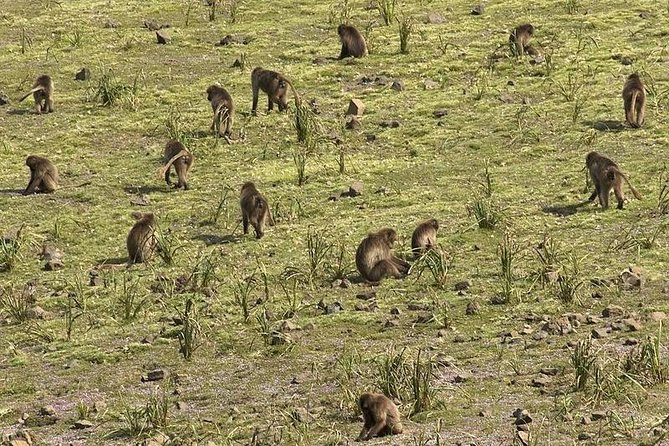
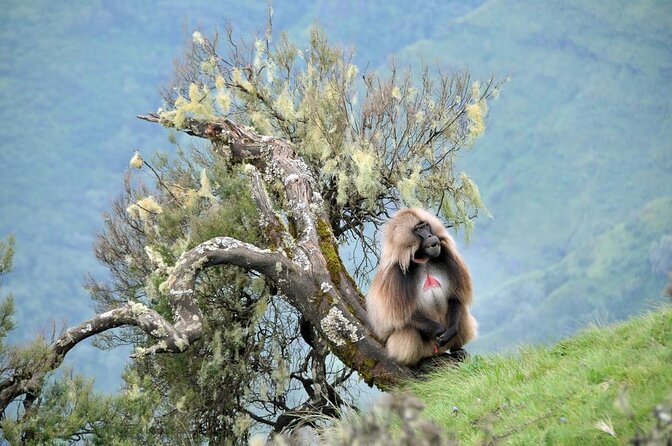
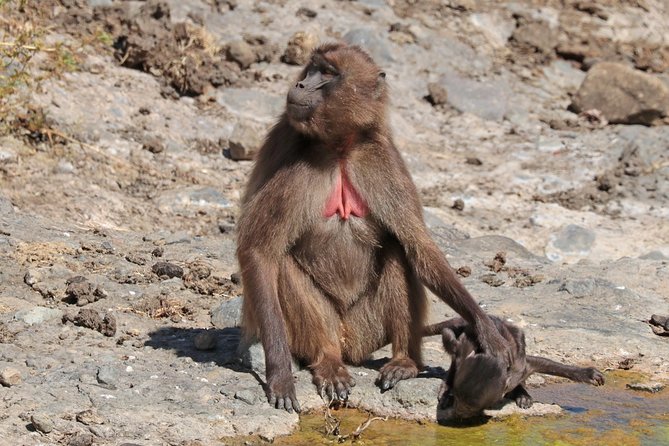
The trekking route is set up for wildlife spotting, but you should treat sightings as luck plus timing, not a guarantee. You can expect a variety of bird life, and the route highlights chances for Gelada monkey and Walia ibex. If luck is on your side, you might also spot the Simien fox and even leopards.
Here’s the practical way to handle this: be ready to scan cliffs and ridgelines, not just the trail. On high, open terrain, animals often use vantage points and move along edges rather than coming into the open where you can see them easily. The day around Buwhit pass is the most wildlife-focused part of the itinerary, because that’s where the route specifically calls out the ibex and the rare fox.
I like that the trip includes a guide and scout fee as part of the package. A local team can make a difference in where you pause and what you watch for. That’s the sort of value you don’t see in a brochure.
Food, tents, and group size: what the inclusions mean day to day
On paper, the inclusions list looks tidy: all fees and taxes, air-conditioned vehicle, guide and scout fee, and meals. On the ground, it matters because you don’t spend time hunting for food or worrying about paperwork mid-trek.
You get breakfast (6), lunch (7), and dinner (6). The itinerary also includes picnic lunch time on Day 1 and riverbank lunch on Day 2, which helps the days feel planned rather than improvised. Since camping is part of the route (tents at Sankaber are specifically mentioned), these meal inclusions also help you stay fueled for long days.
Group size is limited to a maximum of 15 travelers. That sweet spot is big enough for a social vibe, but small enough that your guide can manage the group’s pace on steep sections and during viewpoints.
One practical note: the tour offers pickup, and the company uses a mobile ticket. Those are small conveniences that reduce stress when you’re already dealing with altitude and early starts.
Value check: is $900 worth it for a 7-day Simien trek?
At $900 per person, you’re paying for more than “a guide leading you on a trail.” The price bundles real costs you’d otherwise have to arrange: park admission tickets, a vehicle transfer between Gondar and the trail area, and the guide/scout service.
You’re also getting meals for almost the entire trek (lunch is counted for 7 days, dinners for 6). Add in the camping setup with tents, plus the fact that the route includes multiple long trekking days and high-altitude passes, and the value picture looks more grounded.
Two things to confirm before you commit (purely practical, and you’ll thank yourself later):
- what trekking gear you must bring vs. what’s provided for camping (the route says you camp in tents, but it doesn’t spell out everything else)
- what your daily water plan should be, since you’ll be hiking 5 to 8 hours at altitude
If you want a trek where the schedule runs like a system and the logistics don’t swallow your energy, this one is priced in a way that makes sense for that goal.
Gondar start and the planning support that keeps it smooth
This is where I give extra credit. The trek starts in Gondar and runs on a tight time frame, leaving at 8:00am. That’s easier to handle when the operator handles the flow: you’re picked up, driven into the mountains, and then returned by the end of Day 7.
The reviews credit Alex and the team for airport help and planning that fits your budget and needs. That doesn’t just mean politeness. It means fewer surprises when you’re trying to coordinate flights, arrival timing, and a multi-day hike.
Also, it’s reassuring that the operator has shown flexibility: the planning team has supported itinerary changes based on what people actually wanted. For a trek like this, that matters because not everyone has the same comfort level with long hiking days.
Who this trek is best for (and who should skip it)
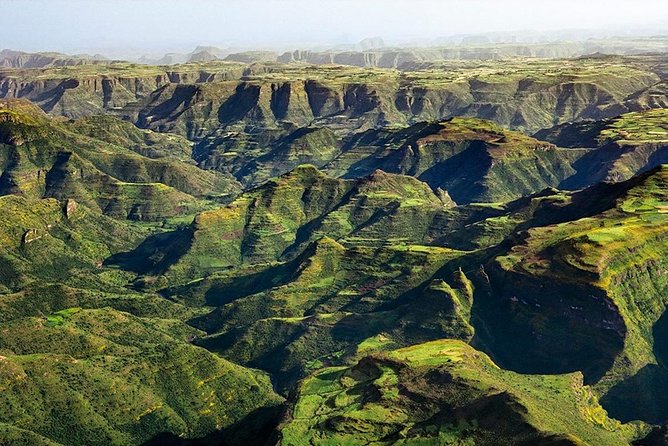
This is tailored toward serious hikers. If you’re already doing multi-day hikes or you enjoy challenging day hikes, you’ll likely feel at home on this route. You get a mix of altitude effort and payoff: waterfall day, panorama day, wildlife pass day, then a mostly-downhill reset.
It’s not a fit if you want short walks, frequent long breaks, or a gentle pace. The itinerary regularly hits 7 to 8 hours on several days, and you’re operating at elevations up to 4200m.
Should you book the Simien Mountains 7-day trek?
If you want an authentic mountain trek in Ethiopia where the schedule supports real hiking time—and where viewpoints and wildlife are part of the plan—this is a strong choice. The combination of cliff-edge trekking, major viewpoints like Imet Gogo, and the wildlife-focused day around Buwhit pass gives you variety without turning it into a rushed checklist.
I’d book it if you match the physical level requirement and you’re excited to camp in tents while walking long days. I’d skip it if you’re hoping for an easy hiking vacation or you don’t enjoy walking for hours each day.
If you’re deciding right now, your deciding questions are simple:
1) Can you handle 5 to 8 hour hikes repeatedly?
2) Are you comfortable being at altitude and adjusting your pace?
3) Do you value strong logistics as much as the trail itself?
FAQ
FAQ
How long is the Simien Mountains National Park trek?
It runs for 7 days (approximately), with two shorter half days and five full trekking days.
Where does the trek start and finish?
It starts in Gondar and the trek finishes back in Gondar.
What time does the tour begin?
The meeting/start time is 8:00 am.
What elevation range will I hike at?
The trek rises and falls between about 2000 and 4000 meters above sea level, with Buwhit pass at 4200m.
What wildlife might I see?
You can expect gelada monkeys, Walia ibex, and a variety of bird life. With luck, you may also see the Simien fox and leopards.
How many meals are included?
Breakfast is included 6 times, lunch is included 7 times, and dinner is included 6 times.
Is park admission included?
Yes. Admission tickets are included for each day’s activities listed in the itinerary.
What group size should I expect?
The tour has a maximum of 15 travelers.