REVIEW · KATHMANDU
Manaslu, Nar Phu and Annapurna Three Passes Trek
Book on Viator →Operated by Touch The Himalaya Treks & Expedition · Bookable on Viator
This trek feels like Nepal in stereo. You get Manaslu country, Tibetan-style villages in the Tsum Valley, and the wilder Nar Phu side in one long journey with big pass days. The payoff is the mix: mountain drama plus cultural detours, not just point-to-point hiking.
What I like most is the way the route earns its altitude. You cross three famous passes, including Larkya La (5,160m) and Thorung La (5,416m), with acclimatization days that make the tough bits feel manageable. You’ll also get real small-village trekking in places most people skip, with gompas, prayer wheels, and stone mani walls along the way.
One consideration: this is a serious fitness-and-weather trek. You’re working at high elevations for weeks, and mountain meals and mountain lodging are not automatically included in the base package the way your Kathmandu hotel nights are, so confirm what your exact booking covers before you commit.
In This Review
- Key highlights to know before you go
- Why this trek is so compelling for your first long Nepal challenge
- The big reality check: passes, pacing, and altitude comfort
- Kathmandu warm-up: Durbar Square and Monkey Temple views
- Getting to the trailhead: bus to Arughat and the river-gorge start
- Entering the Tsum Valley: Philim, Lokpa, Chumling, and Chhokan Paro
- Mu Gompa and the Milarepa Cave stop: the cultural payoff
- From Manaslu views to Samagaun acclimatization: don’t rush the altitude
- Larkya La day: early effort, big views, and a big descent
- Westward to Dharapani: forests, villages, and a classic trekking rhythm
- Nar Phu highlights: Phu’s chortens, Himlung Base Camp, and the Kang La setup
- Kang La and the Manang link: from Nawal down to supply country
- Tilicho Lake: your high-altitude “highest lake in Nepal” moment
- Thorung La and Muktinath: the most intense day plus the calmer finish
- Jomsom to Pokhara: apples, riverside views, and a softer landing
- Price and logistics: what your money is really buying
- Should you book this trek?
- FAQ
- How long is the trek?
- What’s included for Kathmandu when I arrive?
- What permits are covered?
- Which high passes are crossed?
- Are meals included during the trekking days?
- What transport is included during the trek?
- How are porters and guides handled for the group?
- Do you provide medical support?
- What’s not included in the trip price?
- Can I cancel and get a full refund?
Key highlights to know before you go
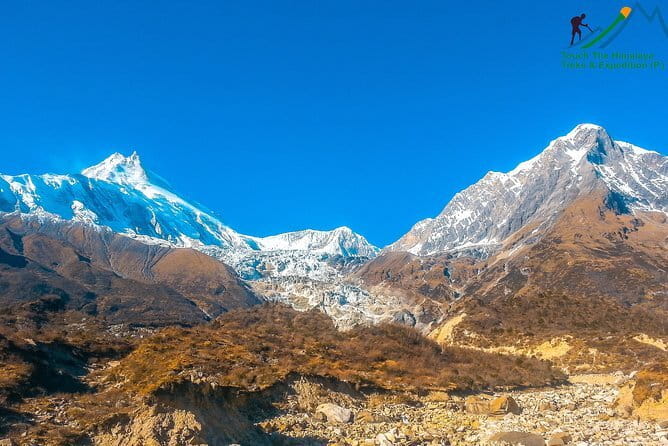
- Tsum Valley Tibetan culture: gompas, prayer wheels, mani walls, and visits like Mu Gompa and Milarepa Cave
- Three high passes on one route: Larkya La, Kang La, and Thorung La, with early starts for the hardest day
- Tilicho Lake detour: a “highest lake in Nepal” moment built into the trekking flow
- Nar Phu adds solitude: Phu and nearby areas feel spiritual and remote compared to the busier routes
- Staffing that matters on long treks: expert local guide plus porters (one porter per two clients) and an assistance guide (one per five trekkers)
- Logistics that reduce headaches: transfers in Nepal, rescue arrangements if necessary, and permits handled for you
Why this trek is so compelling for your first long Nepal challenge
If you’ve been itching for a long, classic Nepal trek but don’t want a cookie-cutter circuit, this route makes sense. It blends the Manaslu experience with the quieter, more Tibetan-feeling Tsum Valley, then connects into Nar Phu and eventually folds into the Annapurna Three Passes rhythm around Kang La and Thorung La.
I like that it’s not just about summits. You’re hiking through river gorges, terrace farming country, and high-altitude villages, with cultural sites placed on real trekking days rather than as rushed add-ons. The result is a trek that feels like a journey, not a checklist.
Still, long treks in Nepal are a mental game as much as a physical one. If your schedule is tight or you hate early mornings, you’ll feel the cost of altitude here.
You can also read our reviews of more tours and experiences in Kathmandu.
The big reality check: passes, pacing, and altitude comfort
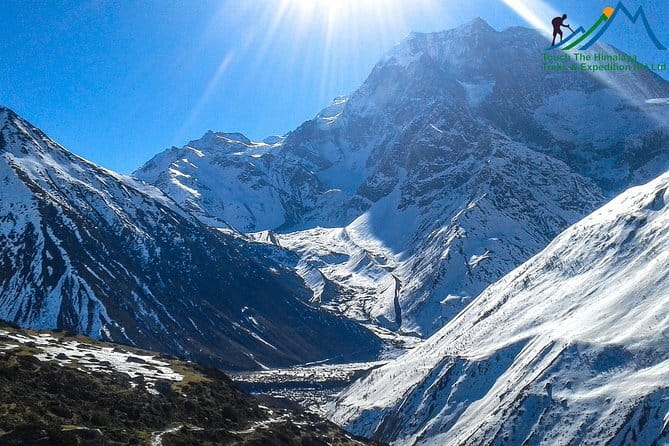
This trek requires good fitness because you’ll face high passes: Larkya La at 5,160m, Kang La at 5,306m, and Thorung La at 5,416m. Even experienced hikers feel those elevations. What helps is that the itinerary builds in gradual days and acclimatization windows, especially around key elevations like Samagaun/Samdo and Phu.
Your pacing matters. The plan includes slow, deliberate climbs where needed, and it also gives you recovery time after tougher days (like the run after crossing Larkya La and then easing toward Dharapani). For Thorung La, expect an early start and a long, altitude-heavy day into Muktinath.
Bring a sensible altitude strategy: keep your effort steady, drink regularly, and don’t treat “it looks flat” as “it’s easy” up high.
Kathmandu warm-up: Durbar Square and Monkey Temple views
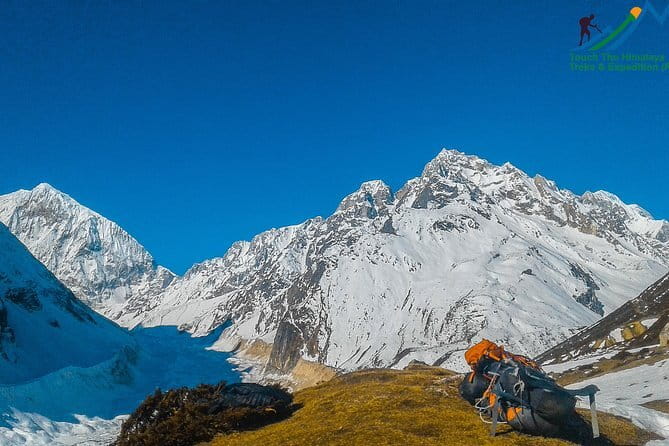
You land in Kathmandu and get a representative greeting plus a transfer to your hotel. Two nights are included at the start, in tourist-standard accommodation (twin share).
Then you have an afternoon to get your bearings with a guided sightseeing mix:
- Kathmandu Durbar Square (UNESCO): palaces and temples with layers of history
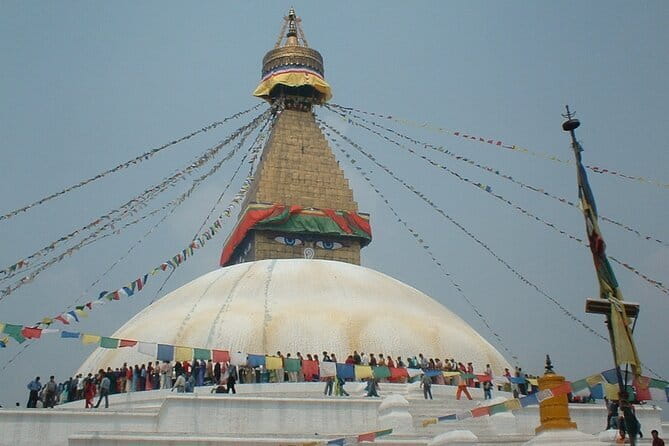
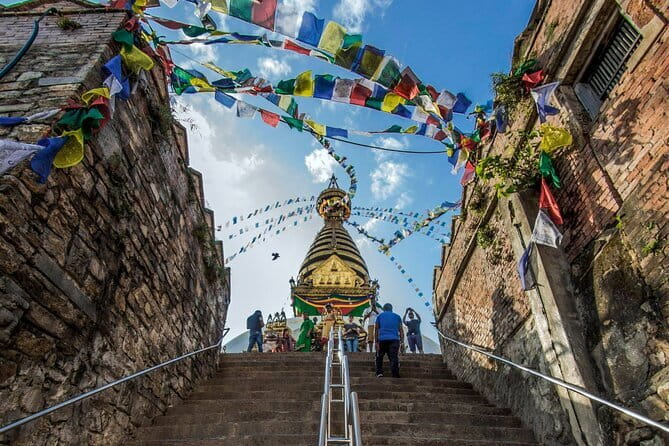
- Swayambhunath Stupa, the Monkey Temple: a classic hilltop viewpoint to help you mentally switch from city motion to mountain rhythm
This is a smart setup. The first day is recovery. The second day helps you understand the culture you’ll later see reflected in monasteries and village carvings.
Getting to the trailhead: bus to Arughat and the river-gorge start
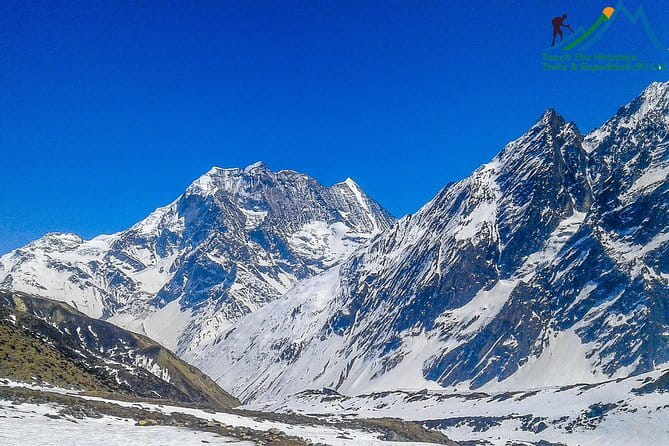
After breakfast on the way out, you travel by bus toward Arughat, the trek starting point in the Manaslu area. From there, the route works its way through river banks and valley roads before you fully settle into walking.
On the early hiking days (Soti Khola, then Machhakhola, then Jagat), you’re mostly being introduced to the landscape and pace:
- river crossings
- terraced fields and small settlements
- waterfalls and mani walls
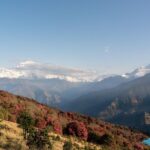
- the first real mountain glances (Ganesh Himal often shows up when weather cooperates)
These days aren’t about heroics. They’re about rhythm: proper boots, steady breathing, and learning how your body reacts while carrying your daypack.
Entering the Tsum Valley: Philim, Lokpa, Chumling, and Chhokan Paro
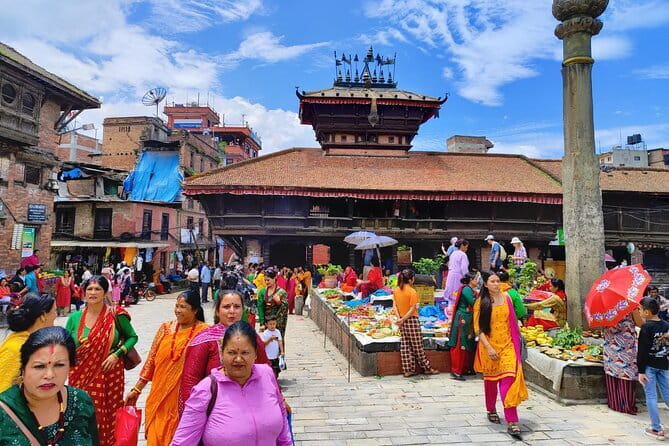
The Tsum Valley segment is where the trek becomes culturally memorable. You’ll walk from the Bhudi Gandaki crossing area through Philim and into Tibetan-influenced villages like Lokpa and Chumling.
Chumling is a highlight for me because it’s not a random stop. It’s tied to what makes Tsum Valley special: gompas, prayer wheels, and huge sightlines toward ranges like Shingri Himal and the Ganesh Himal region. From here, you can take a calmer day option by camping or continuing to Chhokan Paro.
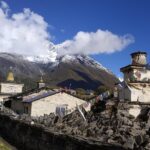
Chhokan Paro includes two settlements that form a major town in the valley, so you’ll feel less isolated while still staying in a place that feels unmistakably Tibetan Buddhist in character. Expect mani walls, prayer wheels, and a slower village tempo than you’ll see on more commercial trails.
Mu Gompa and the Milarepa Cave stop: the cultural payoff
Heading toward Mu Gompa, you’re trekking through rustic villages and more mani wall lines. At Mu Gompa, you get a strong sense of the religious life here—ceremonies, chortens, and the kind of monastery setting that makes Nepal’s spiritual side feel very close.
A standout add-on is the Milarepa Cave visit. It’s exactly the sort of place that makes the trek feel earned. You’re not just walking past scenery; you’re arriving at meaningful sites that have shaped local belief systems for generations.
This is one of the best segments for photography too, especially when light hits stone textures and prayer-related markings.
From Manaslu views to Samagaun acclimatization: don’t rush the altitude
Once the trek starts pushing deeper into Manaslu country, the focus shifts toward higher villages and better mountain sighting windows. You’ll reach Lho, where Manaslu comes into view, then continue to Samagaun (Samagaon).
Samagaun/Sama is also where the trek becomes practical for your body. You get an acclimatization day with options like:
- a hike around Birendra Lake and Manaslu Base Camp
- a hike up to Pungen Gumpa
Then you’ll continue to Samdo (with slow climbing due to elevation). Samdo Peak is an optional climb if you have the stamina. It’s a great “extra effort if you feel good” moment, and the village itself is known as a Tibetan refugee camp, giving the stop deeper human context than just a place to sleep.
Larkya La day: early effort, big views, and a big descent
Larkya La at 5,160m is your first major pass challenge. You start from Dharmasala (Larkya Phedi), trek slowly uphill, and reach the pass for a view break.
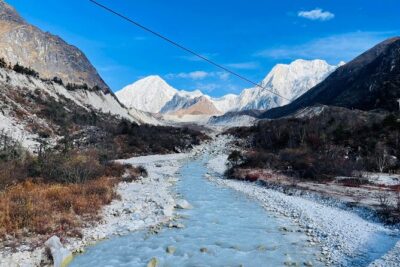
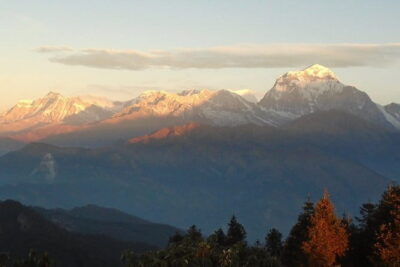
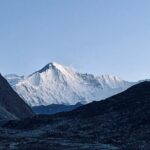
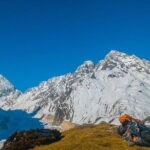
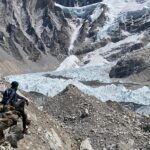
When the weather is clear, the pass area delivers serious high-mountain panoramas—ranges above 6,000m are in view, along with peaks tied to the Cheo Himal and Annapurna region scenery. Then you descend toward Bhimtang.
The descent after a pass can be surprisingly tiring on knees and thighs. This is where having the right boots and trekking poles matters. Also keep your pack weight realistic. Long treks feel lighter when your gear is trimmed.
Westward to Dharapani: forests, villages, and a classic trekking rhythm
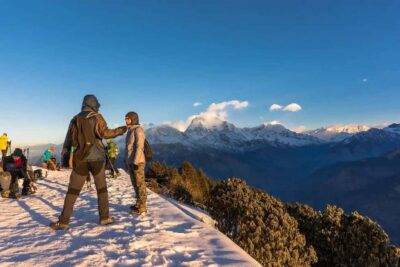
After Larkya La, you’ll walk downhill for much of the day to reach Gho and continue toward Dharapani. Expect teahouse morning light—an early start can bring sunrise views from high-altitude sleeping spots.
By the time you get to Dharapani and onward, you’re back in the rhythm of:
- small village stops
- forest sections (pine country appears on the way toward Chame/Koto)
- river valleys with occasional wildlife
Koto is the last good place on this stretch to restock goods, so plan to carry what you’ll need for the next few walking days.
Nar Phu highlights: Phu’s chortens, Himlung Base Camp, and the Kang La setup
The Nar Khola side brings a different feel: you’re heading north, following the river, and moving into places that feel more removed. Stops like Meta and then Phu (via Nar Phedi forks and the left trail) bring you into a region known for chortens, mani prayer wheels, and an old stupa dating back to the 18th century.
Phu also gives you a built-in acclimatization day. You can hike east to Himlung Base Camp and return to Phu. This is a smart compromise day: you get higher views without trying to force a pass crossing that day.
The itinerary also gives you a hint of what to look for: birdlife and occasional snow leopard chances along blue sheep herds (not guaranteed, but it’s the right kind of place to watch).
Then you connect toward Naar and eventually start preparing for Kang La by moving to Ngawal and climbing via Kang Phedi.
Kang La and the Manang link: from Nawal down to supply country
Kang La is the highest point of this trek’s pass sequence at 5,306m. You’ll head up from Kang Phedi, cross the pass, then descend steeply toward Nawal (Ngawal). This is another pass day where you’ll want an early start and a steady pace.
From there, the route continues into the Manang area via Braga, with a chance to pass through Manang village. Manang is bigger, and that matters because you may want to refill supplies. Smaller villages are great, but having one bigger hub helps you travel smarter: snacks, basic gear needs, and any forgotten essentials.
The trek continues onward to Khangsar, then west toward Tilicho.
Tilicho Lake: your high-altitude “highest lake in Nepal” moment
Tilicho Base Camp is one of your travel hinges. From there, you’ll take an early morning push (around 6am) to reach Tilicho Lake, described as the highest lake in Nepal and often cited as the highest lake in the world.
You hike gradually upward to reach the lake, spend time there, then retrace back to base camp. After that, you take a northern trail to Siri Kharka.
This section is demanding but very rewarding because it feels like a destination, not just a pass. It also tends to reset your headspace: after weeks of villages and valley walking, the lake makes the altitude feel worth it.
Thorung La and Muktinath: the most intense day plus the calmer finish
Next comes the long-awaited big one: Thorung La at 5,416m. You’ll go from Thorung High Camp, climb along the east bank of the Kone Khola, reach Thorung Phedi, and continue up to the High Camp for dinner and sleep.
Then it’s an early start (around 4 to 4:30am). You cross the pass, and afterwards you drop into barren lands toward Muktinath.
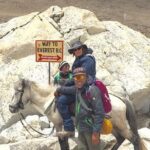
Muktinath is a cultural contrast that you’ll appreciate after the exertion. It’s named after a Hindu god of salvation, and the temple has 180 healing and purifying water taps. If you want a change of pace, horse riding can be arranged from here.
At this stage, your body may feel like it’s done with altitude, but Muktinath helps you land the trek with meaning and a break in hiking intensity.
Jomsom to Pokhara: apples, riverside views, and a softer landing
After breakfast in Muktinath, you travel down toward Jomsom, with a jeep/pitch-road option and then continuing through Kagbeni on the Kali Gandaki River. Kagbeni and Jomsom are known for apple orchards, which makes the area feel different from the gray and stone of high passes.
Then you move to Pokhara. You can either fly (about 25 minutes) or drive (about half a day). Flying is the easiest way to protect your energy for enjoying Pokhara, because by this point you’ve earned rest.
Pokhara is described as magical with plenty to do, and you’ll have time to explore since the flight from Jomsom gives you a more useful afternoon window.
Price and logistics: what your money is really buying
At $2,426.67 per person for about 34 days, you’re paying for a long trek’s hidden costs: guides, permits, staffing, and transfers—not for luxury hotels.
Here’s what’s covered that matters most for value:
- Airport pickup and drop-off by car/jeep/Hiace or bus
- Kathmandu hotel nights at the start (two nights)
- Treks permits handled: TIMS, ACAP/MCAP, and restricted permits for Tsum Valley, Manaslu, and Naarphu
- An expert Manaslu local guide plus staffing: one porter per two clients and one assistance guide per five trekkers
- Rescue arrangements if necessary and a basic first-aid kit carried by your guide
- Welcome or farewell dinner depending on timing, plus an achievement certificate
What you must verify: mountain meals and accommodation. The package notes that meals and accommodation will be provided if required, with costs added additionally, and it also states that all meal and accommodations in the mountain are not included. In other words, the final trip total may be higher than the headline price.
If you hate cost surprises, ask your operator to list exactly what you’re paying for in the mountains before you go.
Should you book this trek?
Book it if you want a long Nepal trek that mixes Tsum Valley Tibetan culture, Nar Phu’s more remote vibe, and the classic three-pass intensity of the region. You’ll love it most if you’re the type who enjoys small villages, gompas, and the feeling that each day’s hiking connects you to something real.
Don’t book if you’re only looking for a moderate hike or you’re not ready for pass mornings and long altitude days. This is a fitness-focused trek, and weather can affect how days feel.
If you do book, you’ll make it smoother by doing two things: confirm your exact inclusion for mountain meals/lodging, and pack for early starts and cold night temps around high passes.
FAQ
How long is the trek?
The trip runs about 34 days.
What’s included for Kathmandu when I arrive?
The package includes airport pickup and two nights in Kathmandu in tourist-standard hotel accommodation on a twin-share basis, plus a guided sightseeing day featuring Kathmandu Durbar Square and Swayambhunath.
What permits are covered?
Included permits are TIMS card, ACAP/MCAP permits, and special restricted permits for Tsum Valley, Manaslu, and Naarphu.
Which high passes are crossed?
The trek crosses Larkya La (5,160m), Kang La (5,306m), and Thorung La (5,416m).
Are meals included during the trekking days?
Mountain meals and accommodations are not listed as included in the base package. The notes say meals and accommodation can be arranged if required, with added costs.
What transport is included during the trek?
Transport includes transfers such as Kathmandu to the trek starting area by bus, and the return from Dharapani to Besisahar by jeep, then from Besisahar to Kathmandu or Pokhara by bus. Jomsom to Pokhara can be by flight (about 25 minutes) or by drive (about half a day).
How are porters and guides handled for the group?
The staffing includes an expert local Manaslu guide, and porter/assistance ratios: one porter per two clients and one assistance guide per five trekkers.
Do you provide medical support?
There are rescue arrangements if necessary and a basic first-aid kit carried by your trekking guide.
What’s not included in the trip price?
Not included are international airfare and Nepal visa fee, drinks, Wi-Fi, charging, hot shower, lunches and dinners in Kathmandu, personal insurance, personal gear, sightseeing entry fees, and tips for guide and porter.
Can I cancel and get a full refund?
Yes. You can cancel up to 24 hours in advance for a full refund, and the cutoff is based on local time. The operator may also offer a different date or a full refund if canceled due to poor weather.