REVIEW · KATHMANDU
Annapurna – Poon Hill Trek
Book on Viator →Operated by Happyland Treks · Bookable on Viator
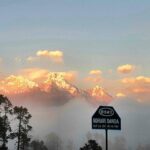
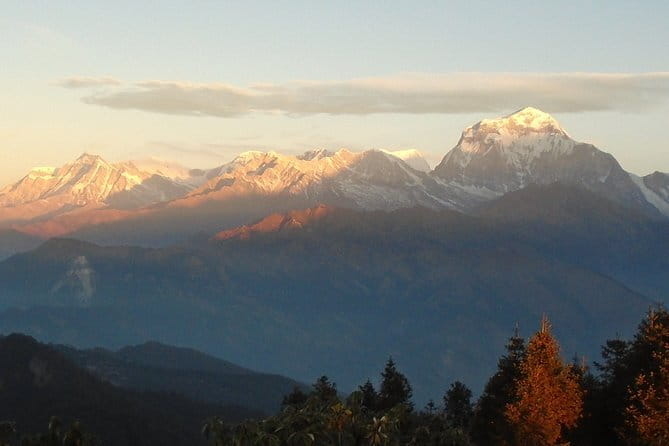
Sunrise at Poon Hill is worth early alarms. On the Annapurna Poon Hill Trek, you get big mountain payoff in a short window, with clear views like Mt. Dhaulagiri and the Annapurna range lighting up at dawn. I also like how the whole thing is set up for you—two nights each in Kathmandu and Pokhara, organized transport, a guide, and tea house meals that keep you moving without extra guesswork.
One thing to plan for: this trek is weather-dependent. Cloudy mornings happen in the Himalayas, and the highlight sunrise moment depends on what the sky decides that day.
In This Review
- Key things that make this trek work
- Annapurna Poon Hill Trek: the short version of big-mountain Nepal
- Price and logistics: what you’re paying for (and what you’re not)
- Getting ready in Kathmandu and Pokhara (and why those two nights help)
- The route in plain English: from Nayapul to Ulleri, Ghorepani, and Ghandruk
- Day 1 and Day 2: Kathmandu to Pokhara
- Day 3: Pokhara to Nayapul, then uphill to Ulleri
- Day 4: Ulleri to Ghorepani
- Day 5: The Poon Hill sunrise day—Ghorepani to Poon Hill to Tadapani
- Day 6: Tadapani to Ghandruk
- Day 7: Ghandruk to Nayapul, then back to Pokhara
- Day 8: Pokhara to Kathmandu
- Day 9: Departure
- Tea house nights and meals: comfortable enough, simple by design
- Guides, pacing, and porter help: the human part of “organized”
- Porter service (shared)
- Weather and altitude: how to keep the good days good
- Who should book the Annapurna Poon Hill Trek with this operator?
- Final call: should you book?
- FAQ
- What time does the trek start, and where do I meet?
- Is airport pickup and drop included?
- What’s included for permits during the trek?
- What meals are included on the trek?
- Do I get porter help?
- What happens if weather is poor?
Key things that make this trek work
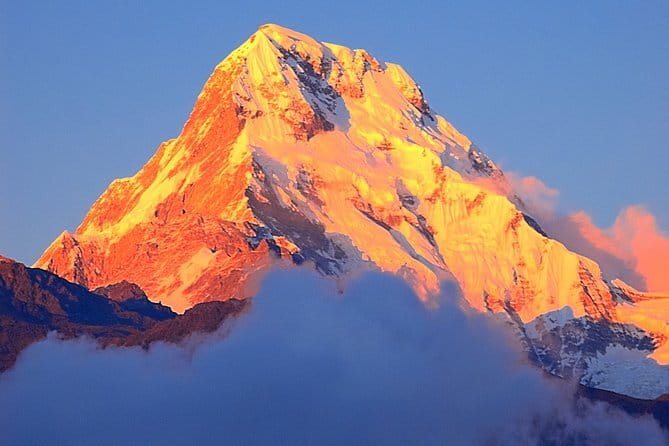
- Poon Hill sunrise timing: a very early hike so you’re in position before the light hits
- Short trek, huge views: Dhaulagiri and Annapurna panorama without weeks of hiking
- Organized support: English-speaking guide, medical kit, and porter help (shared between two people)
- Permits and key admin handled: TIMS card plus Annapurna Conservation Area entry permit
- Tea house travel style: simple lodging and included meals so your days stay smooth
Annapurna Poon Hill Trek: the short version of big-mountain Nepal
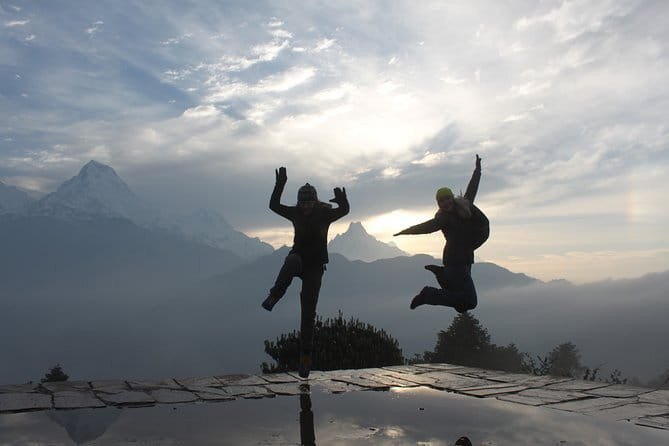
If you’ve got limited time in Nepal, the Annapurna Poon Hill Trek is one of the smartest ways to feel the Himalaya. This isn’t a technical climb. It’s walking—often on paths used by locals—paired with that moment when the mountains suddenly look close enough to touch.
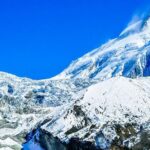
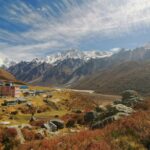
Your “why” here is the sunrise from Poon Hill. The trek is also designed to give you repeated chances at dramatic views, not just one peak-and-hope moment. You hike from village to village, and each day puts you in a better viewing position as you gain altitude. By the time you reach Ghorepani and then Poon Hill, the scenery shifts from countryside Nepal into the classic high-mountain panorama—whole ridgelines at once, not just one single peak.
This tour is run as a private group. That matters if you want a steady pace, clear communication, and fewer surprises. It also helps with practical stuff like timing your departures and keeping the group together on narrow paths.
You can also read our reviews of more tours and experiences in Kathmandu.
Price and logistics: what you’re paying for (and what you’re not)
At $938 per person for a roughly 9-day trip, you’re buying more than the walking. You’re paying for the pieces that usually eat your time and energy: transport between major towns, permits, guide and porter support, and most meals during the trek.
Here’s the value in plain terms:
- Included permits and trail admin: TIMS card and Annapurna Conservation Area trekking entry permit are covered, so you’re not scrambling on paperwork.
- Meals and tea/coffee built in during trekking: breakfast/lunch/dinner while on the trek, plus three cups of tea or coffee per day.
- Lodging during the trek: tea house accommodations are included, which is the standard style for this route.
- Guide and porter coverage: you get an English-speaking guide, plus a porter service where one porter is shared between two people.
- Ground transport included: Kathmandu–Pokhara by tourist bus, and Pokhara–Nayapul and return by private transport.
What you’re not paying for is also important:
- Meals during your Kathmandu and Pokhara stays are not included (you’ll handle those days on your own).
- Travel medical insurance and emergency evacuation costs are not included. That one’s on you, because that’s not the kind of expense you want to gamble with.
- Nepal entry visa fee and international flights are also not included.
- Tips are expected for your guide and porter.
- Personal expenses can add up—things like water bottles, battery charging, cold drinks, hot showers, and alcohol aren’t built into the price.
If you like having things handled, this price starts to look reasonable. If you prefer fully independent travel and already know Nepal logistics well, you could spend less. For many people, though, the smoother process is the point.
Getting ready in Kathmandu and Pokhara (and why those two nights help)
Most trekking headaches start before your first step on the trail. This itinerary gives you two nights in Kathmandu with breakfast and then two nights in Pokhara with breakfast. That rhythm is practical.
In Kathmandu, you arrive, get transferred to your hotel, and have time to prepare—gear checks, ATM runs, and sorting out anything you forgot. In Pokhara, you get the calm that Kathmandu lacks. You’ll be close to the trailhead area, but you still get a proper night or two to reset before hiking starts in earnest.
Pokhara is also where the trek energy begins to kick in. You’ll see lots of people gearing up. It makes your own first day feel less like “I’m doing this” and more like “we’re all doing this.” That mental shift matters when you’re leaving urban noise behind.
The route in plain English: from Nayapul to Ulleri, Ghorepani, and Ghandruk
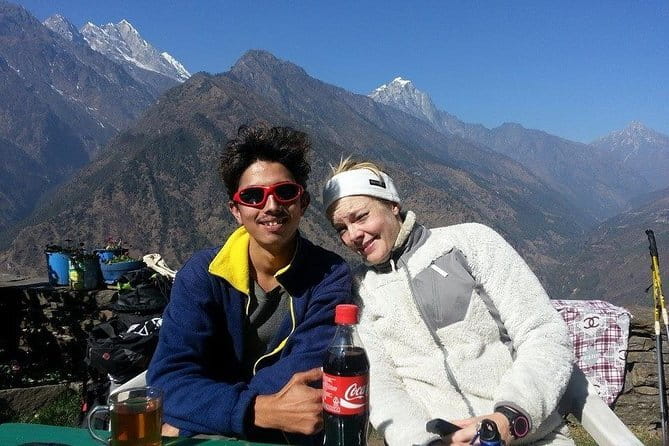
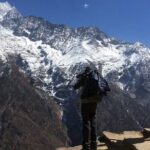
The walking days are paced like a classic short trek: start climbing, reach key viewpoints, then descend through villages. Even though it’s short, you’ll still feel altitude and fatigue—especially early mornings.
Day 1 and Day 2: Kathmandu to Pokhara
You’ll get airport pickup and drop by car/van/bus. Then you ride to Pokhara by tourist bus. It’s the usual Nepal route: scenic enough to pass the time, not designed for comfort forever. The important part is what comes next—Pokhara overnight, then your trek start.
Day 3: Pokhara to Nayapul, then uphill to Ulleri
You transfer from Pokhara to Nayapul by private transport, about 1.5 hours, and then trek to Ulleri (around 2,010m). This day is your warm-up climb. Ulleri sits at a point where the air feels noticeably cooler and views start to feel “real,” not just imagined from maps.
What to expect: steady uphill energy, village scenery, and the first sense that you’re really entering the Annapurna region.
Day 4: Ulleri to Ghorepani
From Ulleri, you continue up to Ghorepani (around 2,874m). This is one of those days where the terrain does its job—gradual work that builds you toward the main viewpoint.
What I like here: Ghorepani is where treks start to feel like a network. You’re surrounded by other hikers and tea houses, so it’s easier to stay calm and focused. Your base for sunrise is close, which reduces stress.
Your consideration: as altitude rises, your pace matters. If you go out too fast, you’ll pay for it later.
Day 5: The Poon Hill sunrise day—Ghorepani to Poon Hill to Tadapani
This is the headline. You hike early in the morning to Poon Hill (around 3,210m) for the sunrise. After you enjoy the views, you hike downhill back toward Ghorepani for breakfast, then continue to Tadapani (around 2,630m).
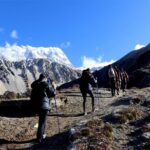
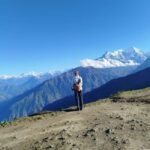
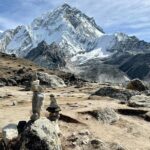
The view angle is the payoff: you’re not just looking at one peak. You’re scanning a wider panorama that can include Mt. Dhaulagiri (8,167m), Mt. Machhapuchhre, and the Annapurna ranges.
Pro tip for the sunrise part: dress for cold. Even when the rest of the day feels mild, pre-dawn temperatures can surprise you. Also, bring something you can actually breathe in—uphill early mornings can feel like you’re working harder than you expected.
Possible drawback: if clouds move in, sunrise can still be beautiful, but you might not get that clear-cut mountain silhouette. It’s not under anyone’s control—just be mentally flexible.
Day 6: Tadapani to Ghandruk
You trek from Tadapani to Ghandruk (around 1,940m). This is where the route shifts from “climb to viewpoints” into “walk through villages with a view.”
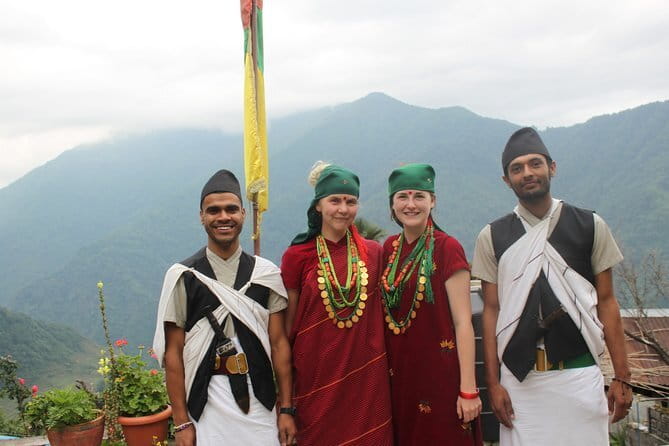
Ghandruk is a rewarding stop because it’s not just a checkpoint. It’s the kind of place where you feel more of the local culture around the trekking route. You’ll likely see stone paths, guesthouses, and that Annapurna tea house rhythm that makes these treks feel both simple and special.
What to watch: descent days can be harder on your knees than the uphill. Take shorter steps and don’t rush.
Day 7: Ghandruk to Nayapul, then back to Pokhara
You trek from Ghandruk to Nayapul (around 1,070m). Then private transport brings you back to Pokhara (around 820m). This day is part hiking, part recovery. Once you’re back in Pokhara, you’re done with the hardest part of altitude travel.
Day 8: Pokhara to Kathmandu
You take a tourist bus from Pokhara to Kathmandu. Another reset day, because your body appreciates a break after trekking. You’ll be in Kathmandu for your last night, and you can plan your evening around easy meals and gentle sightseeing.
Day 9: Departure
Your trip ends with departure to the airport. If you have extra time, Kathmandu is a solid place to use it for shopping and sightseeing.
Tea house nights and meals: comfortable enough, simple by design
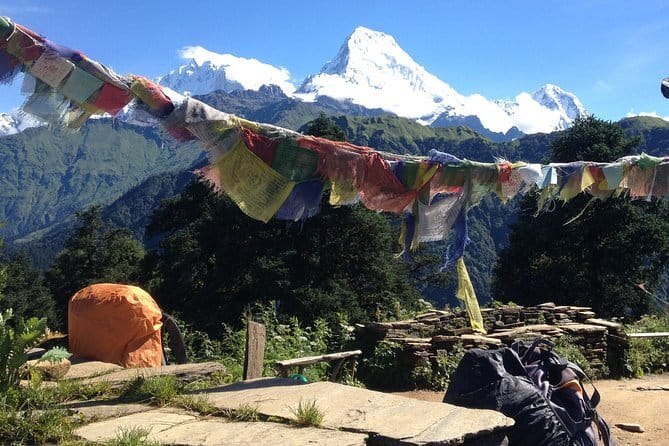
Tea house trekking is not luxury, but it can be very workable. On this trek, tea house accommodation is included, and your standard meals are covered while you’re hiking. You also get three cups of tea or coffee per day, which is helpful because warm drinks keep you from treating every break like a crisis.
What you should assume:
- Rooms are basic but clean enough for trekking.
- Hot showers may not be consistent at every stop. One of the best hints you’ll get from experience on this route is that hot shower availability can vary by location.
You’ll probably share dining space with other trekkers. That’s a small social bonus. But the real value is practical: you don’t need to plan meals each day or hunt for food after you’ve already hiked yourself tired.
Guides, pacing, and porter help: the human part of “organized”
This kind of trek lives and dies on how it’s managed. The good news is that the support here seems to be one of the strongest selling points.
From the way the service is described, you can expect prompt handling, attention to details, and a smooth start-to-finish flow. In past experiences, Bimal has been highlighted for his attention to details and strong organization. There’s also mention of the team being calm and patient, which is exactly what you want when weather changes, trails slow down, or people need a breather.
Porter service (shared)
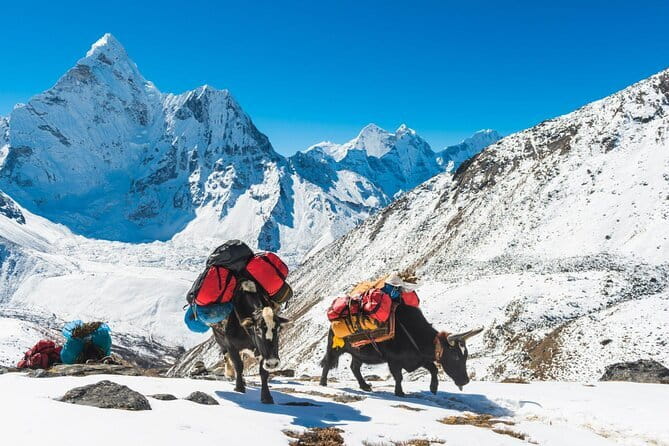
You’ll have porter help: one porter between two people for your loads. That means you still hike your own essentials, but the extra weight is reduced. It’s not about making trekking effortless—it’s about making it fairer, especially if you’re carrying a daypack plus a thicker jacket, water, and snacks.
Weather and altitude: how to keep the good days good
The Himalayas are honest, not cruel, but they don’t always cooperate. Since the trek requires good weather, you should pack with flexibility in mind.
What “good weather” affects most on this route is:
- clear sunrise views from Poon Hill
- visibility across Dhaulagiri and the Annapurna range
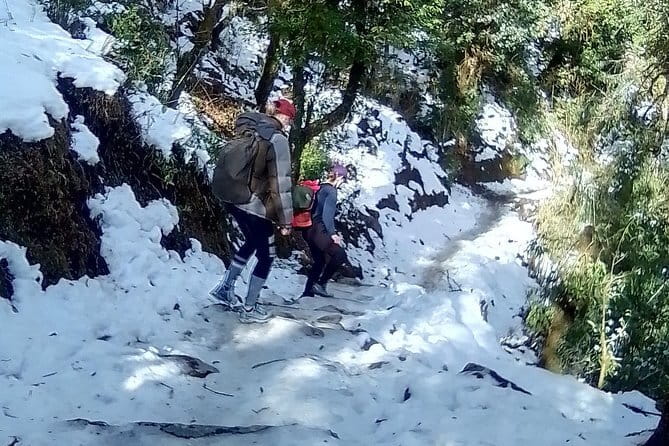
- trail conditions (fog and rain can make paths slick or slow)
The route itself is moderate for a short trek, but you still want to respect altitude. Start slowly, sip water, and don’t treat the first uphill like a sprint.
Who should book the Annapurna Poon Hill Trek with this operator?
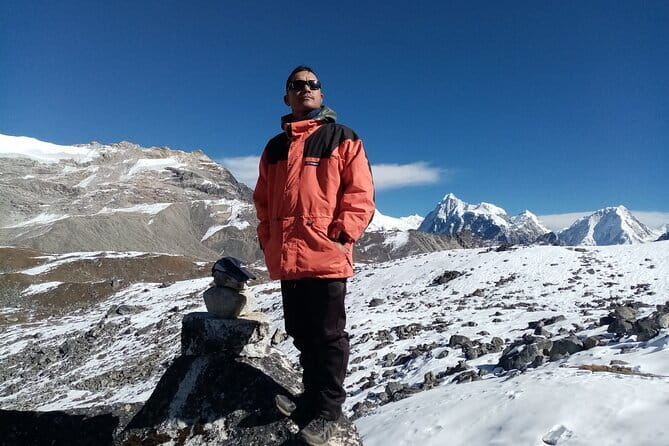
This trek and operator pairing fits best if you want:
- a classic sunrise experience without turning it into a long expedition
- a structured plan with permits, transport, meals, and lodging handled
- an English-speaking guide and porter support
- private trip setup for your group
It may feel less ideal if:
- you want total independence from planning and schedules
- you’re hoping for a guaranteed clear sunrise every day (nobody can promise that)
- you prefer your trekking with lots of included extras like in-hotel dinners or fully covered personal costs
Final call: should you book?
If you want a short Annapurna trek that delivers on the big-picture mountains—especially that early light at Poon Hill—this is an easy yes. The included package tackles the usual friction points (permits, transport, guide, meals, tea house beds), so you can spend your energy on the trail and the views.
I’d book it if you can handle early mornings, keep your expectations realistic about weather, and are okay with tea house travel being practical rather than fancy. If that sounds like you, you’ll likely come away feeling like you got the Annapurna experience without the long time commitment.
FAQ
What time does the trek start, and where do I meet?
The start time is 6:00 am, and the ticket redemption point is Happyland Treks at Paknajol Marg, Kathmandu 44600, Nepal.
Is airport pickup and drop included?
Yes. Airport pickup and drop are included by car/van/bus.
What’s included for permits during the trek?
Your TIMS card and Annapurna conservation area trekking entry permit are included.
What meals are included on the trek?
All standard meals are included during the trekking days: breakfast, lunch, and dinner, plus three cups of tea or coffee a day.
Do I get porter help?
Yes. A porter service is included, with 1 porter between 2 people for basic porter support.
What happens if weather is poor?
If the experience is canceled due to poor weather, you’ll be offered a different date or a full refund.