REVIEW · NAYA PUL
Pokhara: 5-Day Annapurna Base Camp Trek with Hot Spring
Book on GetYourGuide →Operated by Himalayan Nomad Treks Pvt. Ltd. · Bookable on GetYourGuide
If you want big Himalayan payoff in a tight schedule, this 5-day trek from Pokhara is the real thing. I love the mix of hiking and comfort, especially the included private accommodation on the way up and down. I also like that the plan is built around the Annapurna Base Camp climb, then a proper release in the Jhinu Dada hot springs.
One thing to think about: five days can feel intense at altitude, and conditions can turn rough in off-season weather. If snow or ice shows up, you’ll want the fitness and comfort level to handle longer, tougher stretches and potentially slow descents.
In This Review
- Quick Take on This Annapurna Base Camp Trek
- Pokhara to Sinuwa: Your First Taste of Annapurna Country
- Day 1 Details: Sinuwa (2200m) and the Scenic Road-In
- Day 2: Rhododendron Forest to Deurali (3200m)
- Day 3: The Big Day to Annapurna Base Camp (4130m)
- Day 4: Sunrise, Then a Long Descent to Lower Sinuwa (2200m)
- Day 5: Jhinu Dada Hot Springs and the Return to Lakeside
- Price and Value: What $150 Actually Buys You
- The Guide Makes the Difference (Kaji and Jeet Are Noticing Details)
- Gear, Altitude Comfort, and What You Still Need to Bring
- Pace, Fitness, and When 5 Days Is Too Tight
- Who This Trek Suits Best
- Should You Book This Annapurna Base Camp and Hot Spring Trek?
- FAQ
- Is the guide licensed and do they speak English?
- Are trekking permits and paperwork included?
- What meals are included on the trek?
- What trekking gear does the tour provide?
- Are porters included?
- Do I need travel and rescue insurance?
- What does pickup and drop-off include in Pokhara?
Quick Take on This Annapurna Base Camp Trek
- Licensed English-speaking guide plus English/Hindi/Nepali support, with guides who actively manage your pace and rest
- Permits and TIMS fee handled so you can focus on the walk, not paperwork
- Provided trekking gear (poles, sleeping bag, duffle bag), which saves weight and rental hassle
- Structured stops at 2200m, 3200m, 4130m, so you’re not guessing how hard each day should feel
- Hot springs at Jhinu Dada on Day 5, a rare treat that makes the finish feel earned
- Private group for a more personal pace and less waiting around
Pokhara to Sinuwa: Your First Taste of Annapurna Country
Most people start in Lakeside Pokhara and begin early, so you don’t waste daylight on travel. You’ll take a jeep first, then switch to trekking as the valley scenery opens up toward the Annapurna region. The first day is about getting your legs working and your brain adjusting to mountain time.
After the drive, you trek through a classic “starting zone” of villages and green slopes. You’ll pass farmland scenery, including paddy fields and views along the Seti River. The vibe is local and human, not just peak-view tourism, and that matters because it helps you settle before altitude gets serious.
You’ll overnight in Sinuwa (around 2200m). This is the day that sets your routine: eating early, hydrating, and figuring out what your body needs when you’re walking all day.
You can also read our reviews of more tours and experiences in Naya Pul.
Day 1 Details: Sinuwa (2200m) and the Scenic Road-In
Day 1 runs roughly 3 hours by jeep and about 4 hours of trekking. The jeep portion uses one of the most scenic highway routes in the area, with river views and mountain backdrops. It’s not just transport. It’s a preview of what you’ll keep seeing for the next five days.
The trekking portion is not a stunt. It’s long enough to feel like a trek, but it’s also a good warm-up for the bigger ascent days. You’ll end in Sinuwa and settle into private accommodation for the night.
My practical advice: if you’re the type who gets stiff quickly, plan to stretch before and after the trek. The schedule moves from road to hills to sleep without much buffer.
Day 2: Rhododendron Forest to Deurali (3200m)
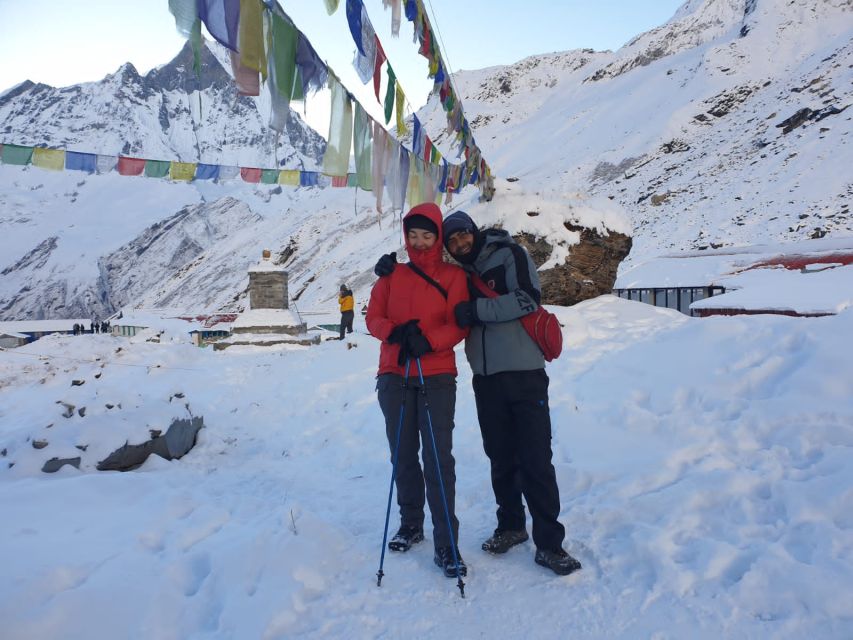
Day 2 is where the trail starts to feel like it belongs to the Himalayas. You’ll trek about 7 hours from Sinuwa up to Deurali (around 3200m). This is the day of forests and rising air pressure, and it’s often where hikers decide if the pace fits.
Expect a climb through forest sections, including rhododendron areas when blooms are in season. Even when flowers aren’t showing, the forest walking can be a relief from bare slopes because it moderates the heat and sun. As you go higher, the views widen and you get more of that layered mountain feeling.
Deurali is your reset point for the night. Your job here is simple: eat, rest, and don’t treat tomorrow like a casual photo walk. At these elevations, your breathing and appetite can change faster than you expect.
Day 3: The Big Day to Annapurna Base Camp (4130m)
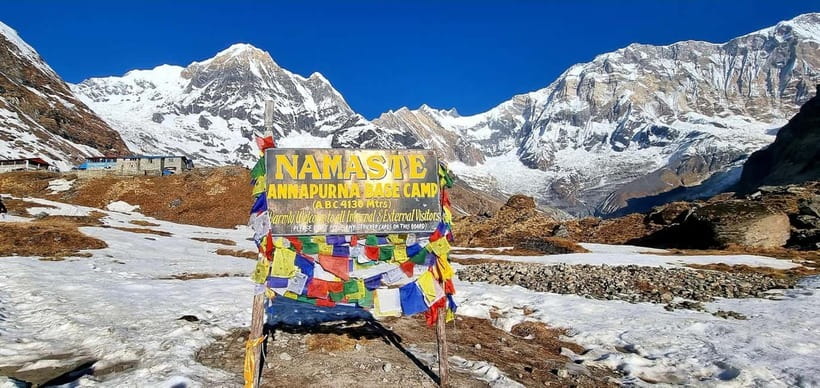
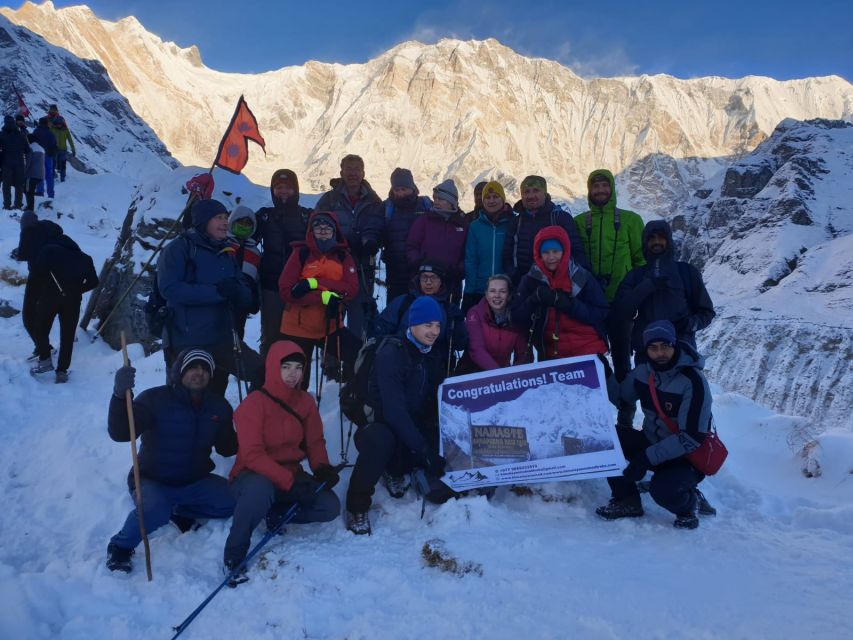
Day 3 runs about 5 hours of trekking from Deurali to Annapurna Base Camp at about 4130m. This is the thrill day: the one that makes the whole trip feel worth it. The climb brings you into a dramatic natural amphitheater where glaciers and massive peaks show up in a way that’s hard to explain until you’re there.
You’ll reach Annapurna Base Camp, spend the night at the base camp area, and take in the mountain scale up close. Night at base camp is also about realism. The air is thin, temperatures drop, and you’ll want to keep your energy steady.
Tip from how this trek runs in the real world: at base camp level, your photos will be excellent, but your body will also be doing its own work. Take short breaks without guilt. Rushing for photos usually backfires.
Day 4: Sunrise, Then a Long Descent to Lower Sinuwa (2200m)
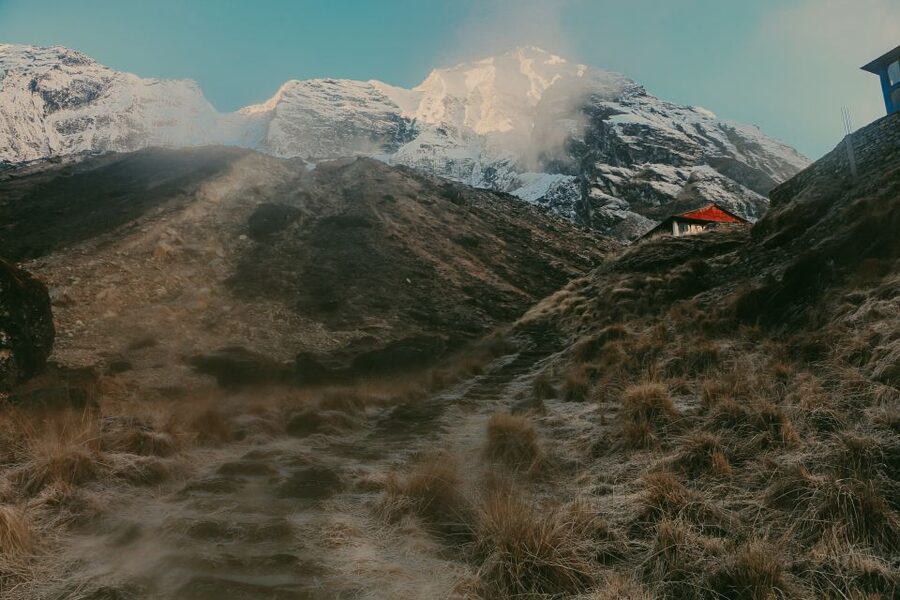
You’ll wake up for sunrise views over the peaks, then start the descent from Annapurna Base Camp. This day is longer: about 8 hours trekking down to Lower Sinuwa at around 2200m. That downward day can be more tiring than people expect because your knees and legs have to absorb the terrain.
You’ll retrace portions of the route through quieter forest sections. This is the point where the mind shifts from peak-chasing to survival mode. You’ll likely feel gratitude for any guide who keeps you moving steadily and helps you manage steps and footing.
One useful reality check: during off-season conditions, the descent can be hazardous. In one experience, the group had to navigate past multiple avalanche paths on the way down, and the guide’s support was key. That doesn’t mean you should panic. It means you should respect weather timing and choose a trip that matches your comfort level.
Day 5: Jhinu Dada Hot Springs and the Return to Lakeside
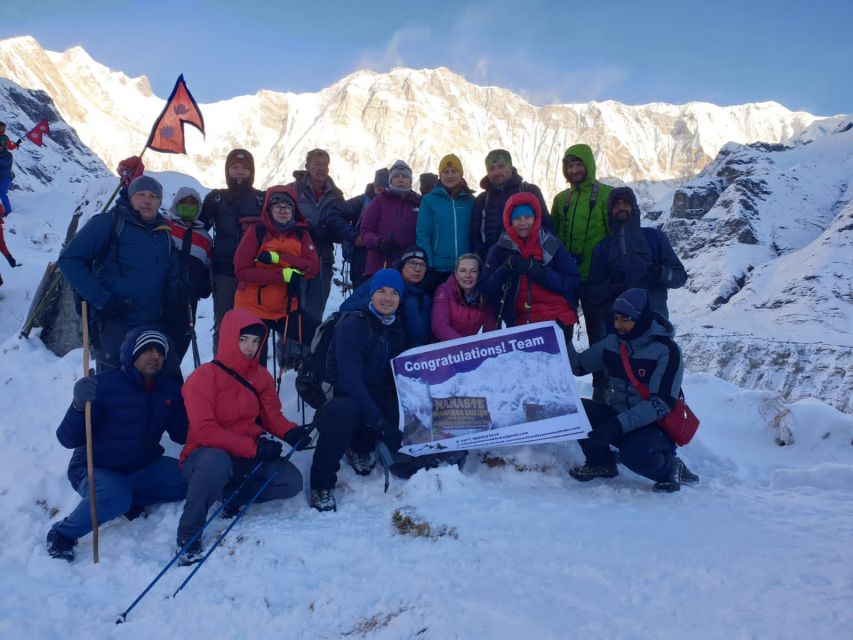
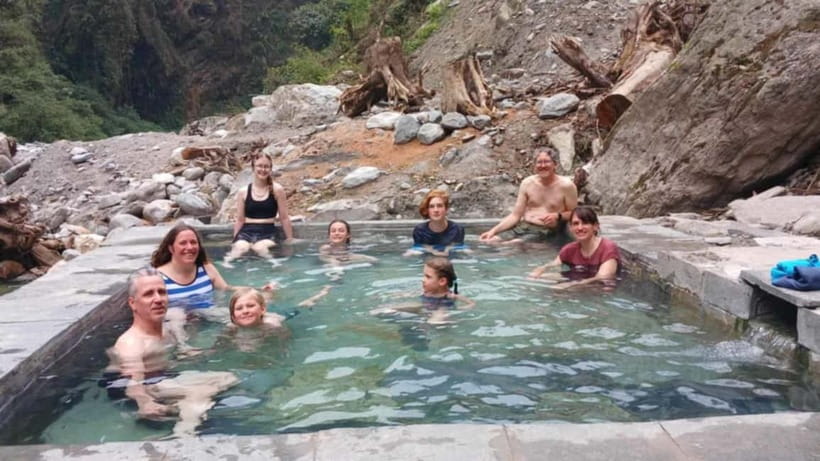
Day 5 mixes walking with a payoff. You’ll trek about 4 hours from Lower Sinuwa to Jhinu Dada, then take a jeep back toward Lakeside Pokhara for about 3 hours. The hot spring soak is the emotional finish line for many people.
After days of uphill effort, hot water feels like a reset button for muscles and morale. It’s a chance to slow down before travel fatigue catches up. Then you head back to Lakeside and reflect on what you just did in five days.
My advice: plan to eat soon after the soak and take time to cool down. Hot springs are great, but you’ll still be recovering from a real trek and real altitude days.
Price and Value: What $150 Actually Buys You
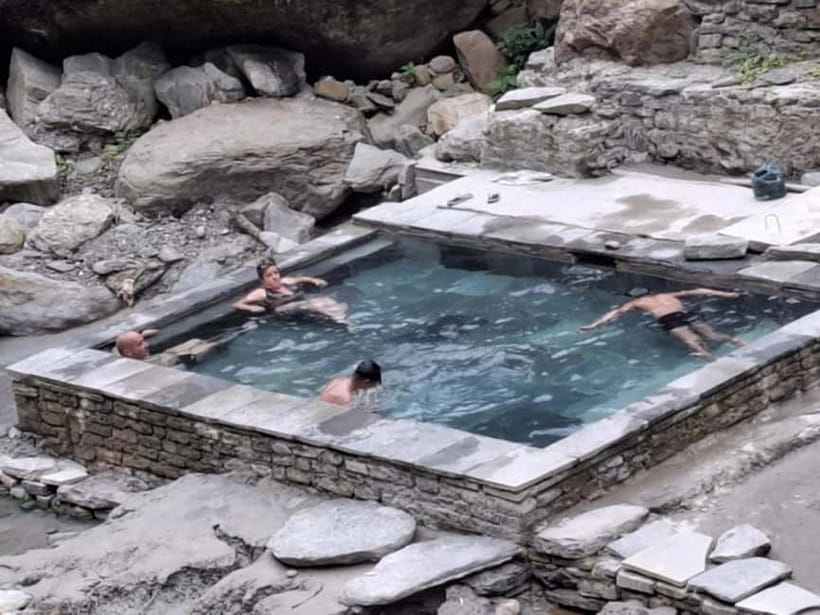
This tour is listed at about $150 per person for 5 days. That price is low enough that you’ll want to check what’s covered, because mountain treks can get expensive quickly once you add guides, permits, food, and gear.
Here’s what makes the value feel solid: permits and the TIMS-related fees are included, along with hotel pickup and drop-off. You also get a licensed English-speaking guide, private accommodation during the trek, and luggage storage support. Trekking gear is provided too, including trekking poles, a sleeping bag, and a duffle bag.
Meals depend on the package you choose. There’s a standard option where you can purchase meals along the way, and an all-inclusive full package that includes breakfast, lunch, and dinner during the trek. If you want less decision-making on the trail, the all-inclusive option often makes the day easier.
The big question is your travel style. If you’re confident buying meals and keeping track of costs, you can save money with the standard setup. If you prefer a smoother, more predictable experience, pay for the all-inclusive option and keep your brain on hiking.
The Guide Makes the Difference (Kaji and Jeet Are Noticing Details)
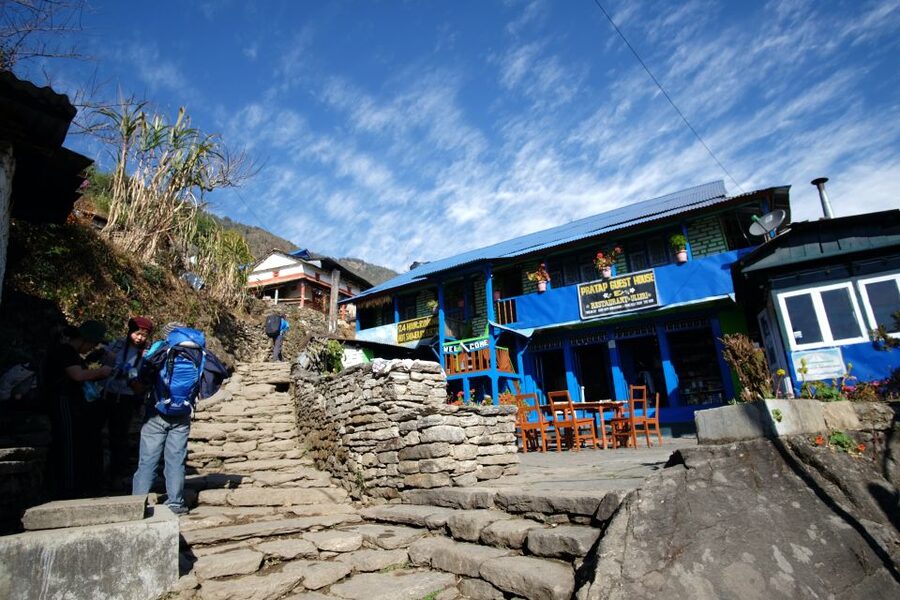
This trek’s quality hinges on your guide. In past experiences on this route, guides were praised not just for route knowledge, but for how they manage your energy and confidence.
One guide named Kaji was credited with supporting the group through a difficult descent with multiple avalanche paths during off-season weather. That’s the kind of detail that matters because it’s not about bravado. It’s about steady decision-making when conditions are unpredictable.
Another guide named Jeet was described as funny, attentive, respectful, and consistently checking that everyone was resting and doing okay. He also spent time explaining what was happening along the way, which helps you walk with less uncertainty.
What you should take from that: choose a guide service that actively manages pace, safety, and comfort—not just a person who walks in front.
Gear, Altitude Comfort, and What You Still Need to Bring
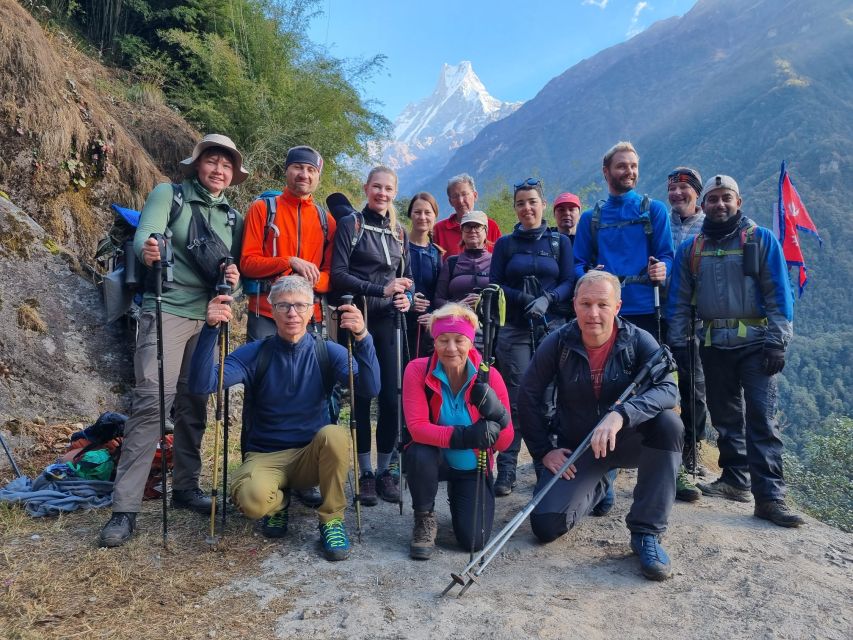
The trek includes trekking poles, a sleeping bag, and a duffle bag. That’s helpful because it reduces rental hassles and lets you travel lighter.
But you still need to show up prepared for cold, sun, and long days. Bring hiking shoes with grip, a daypack, a jacket, socks, a hat, sunglasses, and sunscreen. You’ll also want a change of clothes and comfortable layers for evenings.
Even though a sleeping bag is provided, you should double-check the one you’re assigned fits your comfort level. At higher elevations, warmth matters more than you think.
Practical packing move: keep your essentials easy to reach during jeep and trekking transitions—phone, power bank, water bottle, and layers. You don’t want to repack every time you stop.
Pace, Fitness, and When 5 Days Is Too Tight
Five days can be perfect if you’re fit and you like moving. It can also feel intense if you’re not used to long uphill days or higher-altitude hiking.
You’ll be at roughly 2200m, then 3200m, then up to about 4130m at base camp. That altitude rhythm is a lot to handle quickly, even with a guide. If you’re nervous about snow or ice, or you don’t have much time on steep trails, consider stretching the trek longer than five days.
One clear takeaway from an off-season experience: five days felt intense, and the walker wished for more time to enjoy views and hikes. The best match depends on season and your hiking comfort, not just your motivation.
Who This Trek Suits Best
This tour suits you if you want a guided Annapurna Base Camp experience without DIY pressure. It’s also a good fit if you like a clear day-by-day rhythm: rise, trek, sleep, repeat.
It’s especially useful if you value practical support like permit handling, private accommodations, and gear provided. A private group setup can also help you maintain your own pace instead of getting stuck behind a slow group—or pushed by a fast one.
You might want to rethink the plan if you know you’ll struggle with long days, steep footing, or cold conditions. Off-season weather can change the challenge level fast.
Should You Book This Annapurna Base Camp and Hot Spring Trek?
I’d book this if you want a focused 5-day route to Annapurna Base Camp from Pokhara with a guide who watches your condition, handles permits, and gets you to the finish with a hot spring soak. The included gear and private lodging make it easier to travel light and hike with less stress.
I would pause before booking if five days feels too aggressive for your fitness, or if you’re planning travel in months when conditions can be harsher. If that’s you, consider adding days so your body and mind can enjoy the altitude instead of just surviving it.
If you do book, make the smart prep choices: train for uphill walking, pack for cold and sun, and listen to your guide when weather turns.
FAQ
Is the guide licensed and do they speak English?
Yes. You’ll have a licensed guide who speaks English, plus support in Hindi and Nepali.
Are trekking permits and paperwork included?
Yes. Trekking permits are included, along with the necessary paperwork and the TIMS fee(s).
What meals are included on the trek?
There are two options. You can choose a standard option where you can purchase meals along the way, or an all-inclusive full package option where breakfast, lunch, and dinner are included during the trek.
What trekking gear does the tour provide?
The tour provides trekking poles, a sleeping bag, and a duffle bag for the trek.
Are porters included?
Porters are not included, but they can be arranged upon request for an additional cost.
Do I need travel and rescue insurance?
Travel and rescue insurance is recommended for this activity.
What does pickup and drop-off include in Pokhara?
Hotel pickup and drop-off are included. You’ll be asked to wait in the hotel lobby about 10 minutes before the scheduled pickup time.