REVIEW · KATHMANDU
7 Days Langtang Valley Trek from Kathmandu
Book on Viator →Operated by Nomad Mountain Club - NMC · Bookable on Viator
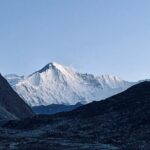
Langtang feels close, yet epic. This 7-day trek from Kathmandu trades long transfer days for real time on the trail, with a sunrise payoff at Kyanjin View and mountain drama around peaks like Langtang Lirung. I also like the cultural thread through the route, where you move through Tamang and Tibetan-influenced villages, spot chortens, and reach monasteries such as Kyanjin Gompa.
One thing to plan for: the trek runs on guest-house comforts, and past experiences note that food and lodging can be average once you’re deep in the valley. On the bright side, NMC’s guides—people like Biru and Amrit—tend to make the hard parts feel manageable through steady support and local knowledge.
In This Review
- Key highlights to watch for
- Kathmandu to Langtang: why this trek feels unusually efficient
- Price and what you’re really getting for $410
- Day 1: Shyfru Bensi transfer day and how to make it easier
- Day 2: Lama Hotel via Langtang Khola river—woods, bridges, and first altitude work
- Day 3: deeper into the Langtang Valley with peak views and chortens
- Day 4: Kyanjin Gompa—yak pastures, wooden scaffolds, and the big Mani divider
- Day 5: Kyanjin View sunrise (4,800m) then downhill back toward Lama Hotel
- Day 6: Syabrubensi and a green, restorative downhill
- Day 7: back to Kathmandu with a free day to recover
- Guides are the real difference: Biru and Amrit as examples
- What to expect from guest houses and meals
- Who this trek suits best (and who might want a different route)
- Should you book 7 Days Langtang Valley Trek from Kathmandu?
- FAQ
- What time is the pickup in Kathmandu?
- Is hotel pickup and drop-off included?
- Are trekking permits included?
- What kind of accommodation do you get during the trek?
- What fitness level do I need?
- What is the cancellation policy?
Key highlights to watch for
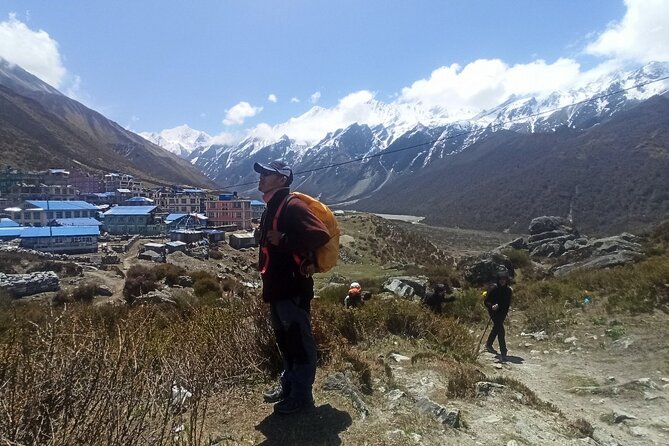
- 6:30am hotel pickup in Kathmandu keeps the trip moving fast and minimizes lost days on the road.
- Langtang Khola river route means suspension bridges, thick woodland, and tea-house stops early on.
- Kyanjin Gompa day brings yak pastures and higher-altitude vibes plus a major Mani divider moment.
- Sunrise at Kyanjin View (4,800m / 16,404ft) is built in, so you’re not guessing when to wake up.
- Downhill rhythm to Syabrubensi gives your legs a break while you still keep the scenery moving.
- TIMS + Langtang National Park permit included so you can focus on the trail instead of paperwork.
Kathmandu to Langtang: why this trek feels unusually efficient
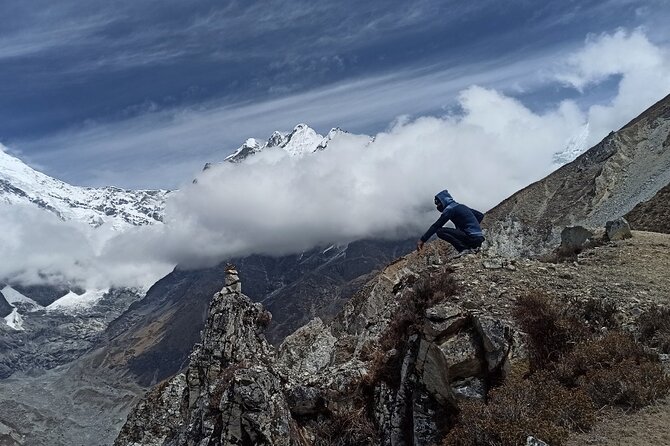
Most Himalayan treks demand that you spend half your vacation bouncing through roads first. Langtang is different. You get a 6:30am pickup from your Kathmandu hotel, then you start driving through green hills and forest right away. That means Day 1 is long in the travel sense, but you don’t burn multiple days just getting “somewhere.” You’re building altitude and momentum step by step.
After that first push, the schedule stays realistic: hiking days are mostly around 5 to 6 hours. The route isn’t described as wildly technical, but it does put you on an upward climb early on and then repeats a high-elevation moment around Kyanjin Gompa and the viewpoint. If you’re the type who likes to hike but also wants time to actually enjoy meals, scenery, and village life, this pacing fits.
You can also read our reviews of more tours and experiences in Kathmandu.
Price and what you’re really getting for $410
At $410 per person for an approx. 7-day trek, the value comes from what’s bundled. You’re not only paying for a guide. You’re also paying for:
- hotel pickup and drop-off in Kathmandu
- an English-speaking professional guide
- trek accommodation in guest houses
- a sharing bus for the start and return
- permits: Langtang National Park / Conservation Area Permit and TIMS Card
- a first aid kit carried by the guide
The honest part: you’re still doing a mountain trek, so personal spending (drinks, snacks, extras) will add up. Also, lodging and meals are likely to be basic once you’re trekking. One review noted food and accommodation were average, even though the trek itself was a highlight. So I’d treat this as a solid, guided trek experience—not a luxury lodge package.
Where you may feel the strongest value is in guidance and the “it just works” side. Permits are handled, transportation is arranged, and someone is with you to keep the days on track.
Day 1: Shyfru Bensi transfer day and how to make it easier
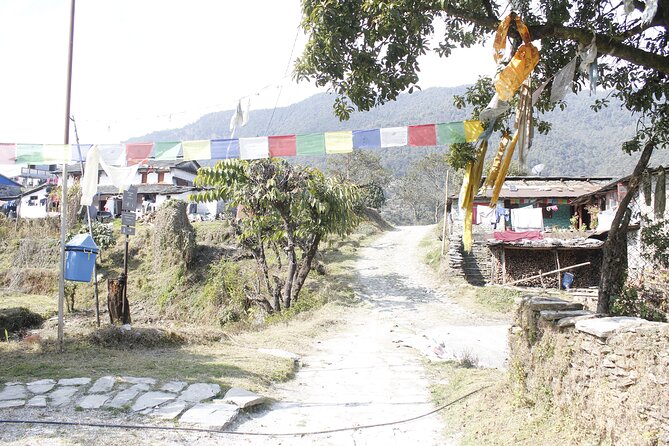
You start with an early collection: your representative comes to your hotel at 6:30am in Kathmandu. The day then turns into a long, scenic drive through forest and rolling hills until you reach Hotel Garden inn Shyfru Bensi. The itinerary lists the day as about 7 hours, which tells you something important: this trek does place a big block of time on wheels.
Practical tip: use the car time to your advantage. Bring water, keep your layers handy, and use the ride to settle your gear system—what you’ll carry on the trek vs. what stays back. You’ll likely be tired on arrival, so having a simple plan for boots, chargers, and a dry layer makes Day 2 smoother.
Day 2: Lama Hotel via Langtang Khola river—woods, bridges, and first altitude work
Day 2 is your first true hiking day to Lama Hotel (about 6 hours). The route follows the Langtang Khola (river), which matters because river valleys tend to give you steady terrain and frequent crossing points. Expect thick woodland and a few suspension bridges, plus tea-house life along the way.
The itinerary notes the trail looks steep but isn’t described as overly testing. That’s good news for most “moderate fitness” hikers. You still get effort, but you’re not stuck on constant steep switchbacks.
The drawback to keep in mind: hiking through thick woodland can mean less dramatic views early on. The payoff comes as the route lifts. So if you like seeing peaks every hour, you’ll have to be patient and let the valley build.
Day 3: deeper into the Langtang Valley with peak views and chortens
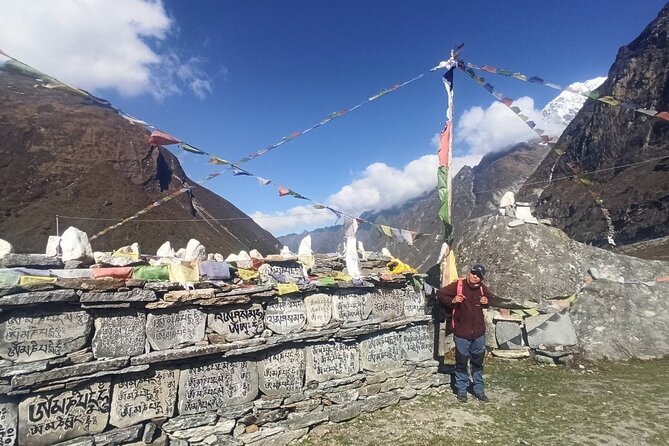
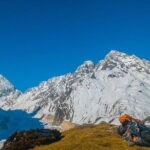
On Day 3, you head through thick woods for about 6 hours, moving deeper into Langtang Valley terrain. The itinerary highlights grand views of Langtang-Lirung, and you’ll also notice cultural objects such as chortens. There’s even mention of water-related features along the way (water factories), which can be a useful reminder that these villages are living communities, not only scenery.
This is the day where you’ll start to connect the dots between nature and people. The valley has monasteries and prayer traditions, but it also has practical village systems, and the trail passes through that everyday mix.
One more practical angle: bring a bit of patience for photo stops. The views are there, but the trail is still the main event, and quick stops keep your rhythm intact.
Day 4: Kyanjin Gompa—yak pastures, wooden scaffolds, and the big Mani divider
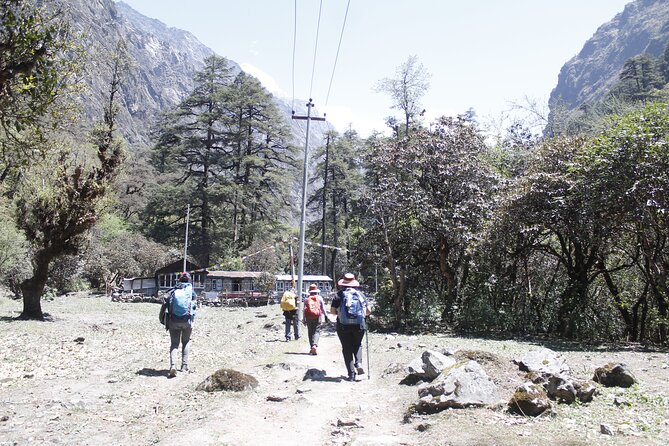
Day 4 is shorter on paper—about 5 hours—but it’s the kind of day that can feel longer because you’re transitioning into higher-elevation terrain. You’re moving from the town area toward Kyanjin Gompa, and the itinerary specifically mentions:
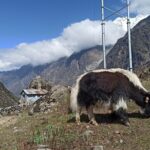
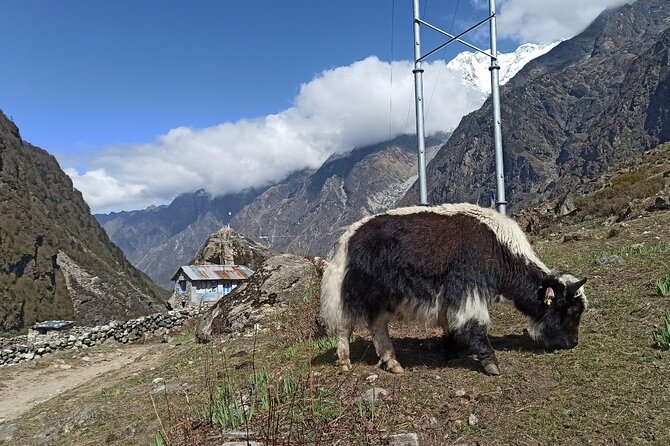
- yak pastures
- the biggest Mani divider in Nepal
- crossing wooden scaffolds
- a sense that you’re getting into higher elevations
This combination is a great example of why Langtang is special. Kyanjin Gompa isn’t just a destination sign. It’s a cultural and spiritual stop that you reach after walking through grazing land and prayer markers that make sense in context.
Possible drawback: the itinerary warns you may begin to feel the higher elevations. That doesn’t mean panic—just respect it. Take breaks when offered, sip water, and don’t turn the day into a race.
Day 5: Kyanjin View sunrise (4,800m) then downhill back toward Lama Hotel
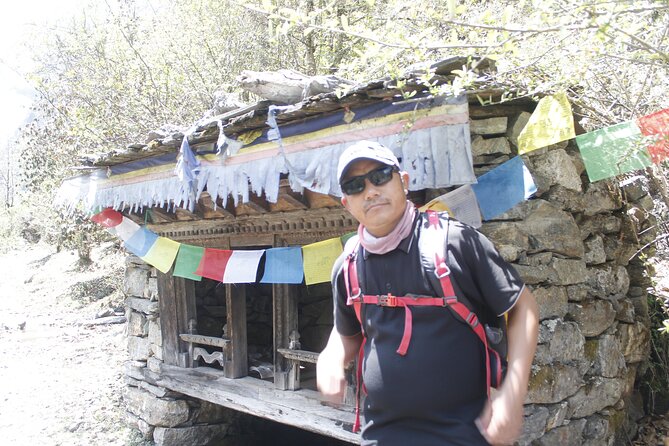
Day 5 starts early for Kyanjin View (4,800m / 16,404ft), aimed at sunrise views. The itinerary then shifts after breakfast to a descent back to Lama Hotel, described as downhill and about 4 to 5 hours.
This is one of the most practical trek designs I’ve seen on routes like this: you get your big early-morning payoff, then you spend the rest of the day letting your legs recover. If you’ve done long downhill days before, you know the trick is staying controlled—short steps, steady pace, and keeping your balance when the trail turns rocky or slick.
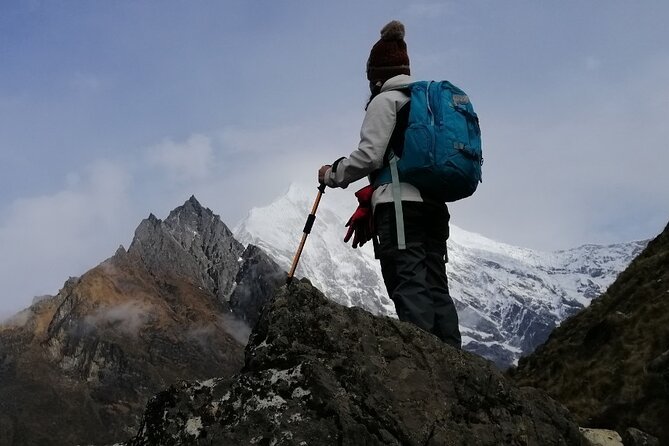
Also, sunrise at altitude is not just a photo moment. Cold mornings can be sharp, even if daytime hiking is comfortable. Dress in layers that you can actually manage quickly: warm hat, gloves if needed, and a way to handle sweat once you start moving.
Day 6: Syabrubensi and a green, restorative downhill
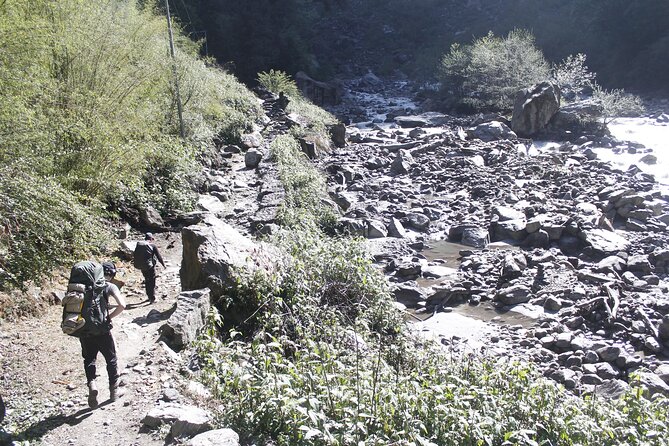
On Day 6 you trek down to Syabrubensi in about 5 hours. The itinerary describes a simple downhill trail through lush green vegetation, and it also notes that once you arrive, you take lunch.
This day is a breather, but it’s not a throwaway. It’s the moment you feel the valley relax. After days of climbing and high points like Kyanjin, the downhill changes the whole mood of the trek. Your body has more energy for conversation with guides, noticing trail details, and just watching clouds move across the slopes.
There’s also a hint of flexibility here: the itinerary suggests you may have spare time after lunch. I’d use that time for a slow walk around town, a warm drink, and gear check so Day 7 is easy.
Day 7: back to Kathmandu with a free day to recover
Day 7 is about transition. You drive back to Kathmandu and then transfer to your hotel, finishing with a day at leisure. The itinerary lists the day as about 7 hours, including the return travel.
This free time matters. Even if you feel okay, your body has still done a mountain job. I like having the final day unstructured because you can decide what you need: sleep, shower, a slow meal, or an easy walk in Thamel to reset.
If you want a souvenir plan, Kathmandu is where it’s simplest. You’ll also be able to ask your guide any last questions about what you saw and what to expect next time.
Guides are the real difference: Biru and Amrit as examples
NMC’s guides come up in the stories for a reason: they’re not just a walking GPS. Reviews mention guide support and warm personalities, with examples including Biru and Amrit. That kind of guidance is especially valuable on days when altitude cues you to go slower.
A good guide also helps you interpret what you’re seeing. You’re walking through monasteries like Kyanjin Gompa, crossing prayer-linked features, and moving through village corridors. Having someone explain the rhythm of the place makes the trek feel more grounded.
If you’re the kind of traveler who likes to feel safe without feeling babysat, this is the style that usually works best.
What to expect from guest houses and meals
Accommodation during the trek is listed as guest house lodging. That usually means simple rooms, clean enough for the job, and hot showers only when conditions allow. One review noted accommodation and food were average. So I’d set expectations accordingly.
The upside is that guest houses are part of the trek experience. You’ll get to meet people on the route, and the social pace of mountain towns is calmer than big trekking bases. The key is to pack comfort items: a good sleep layer, earplugs if you’re sensitive, and snacks for days when meals are simpler than you hoped.
Who this trek suits best (and who might want a different route)
This trek fits travelers with moderate physical fitness. The hikes are fairly consistent in length—mostly 5 to 6 hours—and the itinerary includes a downhill recovery day (Day 6) and a shorter hiking day (Day 4).
You’ll probably enjoy it most if you want:
- a Kathmandu-to-trail trek that doesn’t waste days on transport
- strong cultural stops like Kyanjin Gompa
- real mountain views paired with everyday village details
- a guided experience where permits and logistics are handled
If you’re chasing maximum technical challenge or nonstop panoramic views every hour, this may feel a bit gentler and more “valley trail” than “climb-only.” But that’s also why it’s accessible.
Should you book 7 Days Langtang Valley Trek from Kathmandu?
I’d book it if you want a trek that’s logistically smart and culturally meaningful, with a sunrise moment and big peak scenery on a schedule you can realistically manage. At $410, the value looks strongest because permits, guide, transportation, and trek lodging are built in.
Hold off or ask more questions if you know you need high-quality meals and luxury comfort. Guest-house standards can be basic, and that can affect your enjoyment if you’re picky about food.
If you do book, my best advice is simple: pack for early starts, respect the higher elevation on Day 4 and the viewpoint morning, and treat the trail as the point—not just the photos. Langtang rewards steady effort, not sprinting.
FAQ
What time is the pickup in Kathmandu?
The meeting/start time is 6:30am in Kathmandu, with a representative coming to your hotel door.
Is hotel pickup and drop-off included?
Yes. Hotel pickup and drop-off in Kathmandu is included.
Are trekking permits included?
Yes. The tour includes the Langtang National Park / Conservation Area Permit and a TIMS Card.
What kind of accommodation do you get during the trek?
You stay in guest houses during the trek.
What fitness level do I need?
The trip is listed as suitable for travelers with moderate physical fitness.
What is the cancellation policy?
You can cancel for a full refund if you cancel up to 24 hours in advance of the experience start time. If you cancel less than 24 hours before, the amount paid is not refunded.