REVIEW · KATHMANDU
12 Days Everest Base Camp Trek
Book on Viator →Operated by Himalayan Social Journey · Bookable on Viator
Ever wished you could see Everest without the guesswork? This guided Everest Base Camp trek turns a big, intimidating route into a clear plan, with flights to Lukla, national park fees, and time built in for acclimatization. You’ll hike village-to-village in the Khumbu region and still keep your navigation stress low.
I especially like the included Gokarna Forest Resort night in Kathmandu, because it gives you a real buffer day before the altitude grind. I also like that you’re not doing this solo: you’ll travel with a licensed English-speaking guide and a porter set up (1 porter for 2 travelers), and guides such as Mingmar and Khilraj, plus Santosh and Sonam, show up again and again in real on-trail support stories.
One drawback to plan for: at higher elevations, tea-house lodging can feel basic, and Kathmandu arrangements can sometimes shift last minute. It usually isn’t a deal-breaker, but it helps to go in knowing what you’re signing up for.
In This Review
- Key Highlights You’ll Actually Care About
- Why This Everest Base Camp Trek Feels Like a Plan
- Kathmandu Arrival: Transfers and a Real Pre-Trek Night
- Fly to Lukla, Then Drop into Phakding
- Namche Bazaar: Where Acclimatization Becomes a Schedule
- Tengboche Monastery and Deboche: Spiritual Stop, Sharp Air
- Dingboche and the Nangkartshang Peak Hike
- Lobuche, Gorakshep, and Reaching Everest Base Camp
- Kala Patthar Sunrise: Photo Time with Purpose
- Final Trek Days: Lukla, Phakding, and the Fly-Back
- What the $1,099 Price Actually Covers
- Fitness Level and the Real Meaning of “Active”
- Tea-House Reality: Rooms, Meals, and Packing Strategy
- The Guides: Why the Human Touch Shows Up in Reviews
- Should You Book This Everest Base Camp Trek?
- FAQ
- Where does the trek start and end?
- Are flights to Lukla included?
- Do I get a guide and porter?
- What accommodation is included during the trek?
- Are meals included (lunch and dinner)?
- Is there any accommodation included in Kathmandu?
- Are national park fees and permits included?
- What should I bring for booking and travel?
- What’s the maximum group size?
- Can I cancel and get a full refund?
Key Highlights You’ll Actually Care About
- One night at Gokarna Forest Resort in Kathmandu before you head for altitude
- Lukla flights and Sagarmatha National Park fees handled in the package
- Built-in acclimatization days in Namche Bazaar and Dingboche
- Tea-house trekking with breakfast included and a porter to lighten the load
- Sunrise timing at Kala Patthar for the classic Himalayan photo moment
- Group size up to 30 so you get company without feeling lost in a crowd
Why This Everest Base Camp Trek Feels Like a Plan
The big appeal here is structure. Everest Base Camp is one of those trips where people can get overwhelmed fast: permits, flights, finding the right trail day after day, and deciding when to rest so altitude doesn’t bully you. This trek keeps those moving parts inside the tour, so you can focus on walking and looking up.
I also like the tone of the planning: it’s not just “walk until you’re done.” You’ll be stopping for acclimatization (Namche Bazaar and Dingboche), doing short adjustment hikes, and then moving steadily toward higher terrain. That matters because EBC isn’t a race, it’s a long chain of small climbs and thin-air choices.
You can also read our reviews of more tours and experiences in Kathmandu.
Kathmandu Arrival: Transfers and a Real Pre-Trek Night
Your time in Kathmandu is more than a waiting room. The package includes round-trip transfers and a pickup/drop-off from your hotel/port, so you’re not trying to sort out transport after a flight day. Then you get that included night at Gokarna Forest Resort in Kathmandu, which is a comfort upgrade compared with the usual “sleep somewhere and sprint to the airport” feeling.
Also note what’s not included: accommodation in Kathmandu isn’t broadly included beyond that highlighted night. The tour handles the trek days’ guesthouses with breakfast, but you’ll still want to plan your Kathmandu nights carefully around the start and end of the trek.
Fly to Lukla, Then Drop into Phakding
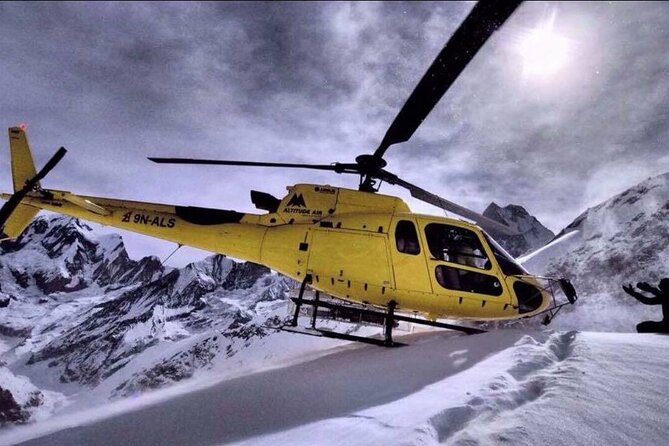
Day 1 is about switching gears. You fly from Kathmandu to Lukla (the package notes Kathmandu/Ramechhap–Lukla–Ramechhap/Kathmandu domestic flight arrangement), landing in the gateway that most people dream about. Then you start your trek by descending toward Phakding, moving through forests and past Sherpa villages.
Why this stop matters: that first overnight in Phakding is your “learn the rhythm” day. You’ll get used to tea-house pacing, adjust to the trail without huge altitude pressure, and test your footwear before the steeper days begin. The downside: it’s still a long day once you include the flight. If you’re the type who gets cranky after airports, give yourself grace here.
Namche Bazaar: Where Acclimatization Becomes a Schedule
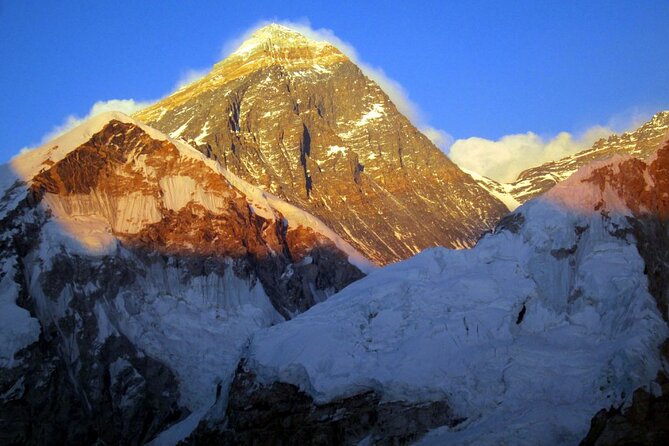
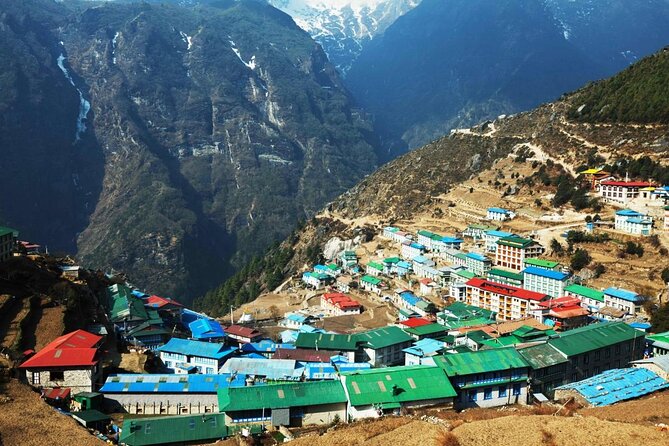
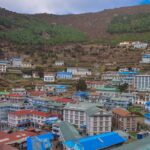
On Day 2, you’ll work your way up toward Namche Bazaar. Along the route, you pass Monjo, where you verify entry into Sagarmatha National Park, and you’ll trek beside the Dudh Koshi River. Expect suspension bridges and that classic, tiring climb that makes you feel every meter.
What I like about the plan is the way Namche is handled across two days. Day 3 is not “push onward,” it’s a dedicated acclimatization day in Namche Bazaar plus a hike to Syangboche and the Hotel Everest View area for big views. That’s smart because it gives your body a chance to adjust while you’re still in a town with shops and services.
One practical tip you’ll likely hear from a good guide: don’t treat acclimatization hikes like extra “fitness sessions.” The goal is adaptation, not speed. Several people mention guides keeping things organized with daily briefings, including advice on what to wear—helpful when you’re learning how quickly conditions change with elevation.
Tengboche Monastery and Deboche: Spiritual Stop, Sharp Air
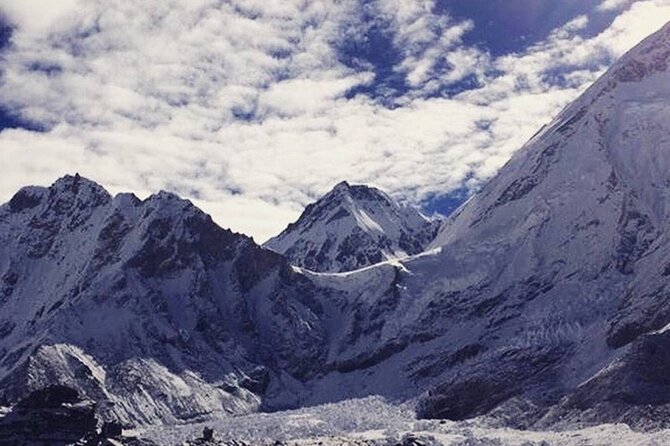
Day 4 points you toward Tengboche, home to the famous monastery in the Everest region. This is one of those trail moments where the hike feels purposeful: you’re climbing into a place that’s culturally important, not just physically challenging. After time around Tengboche, you continue to Deboche for the overnight, crossing the Imja River along the way.
Why this stop can be tough (in a good way): Tengboche is still a day of walking, so you’re mixing altitude effort with emotional scenery. It’s also the type of segment where a guide helps you pace. If you tend to speed up when you see good views, this is where you’ll want to stay controlled.
Dingboche and the Nangkartshang Peak Hike
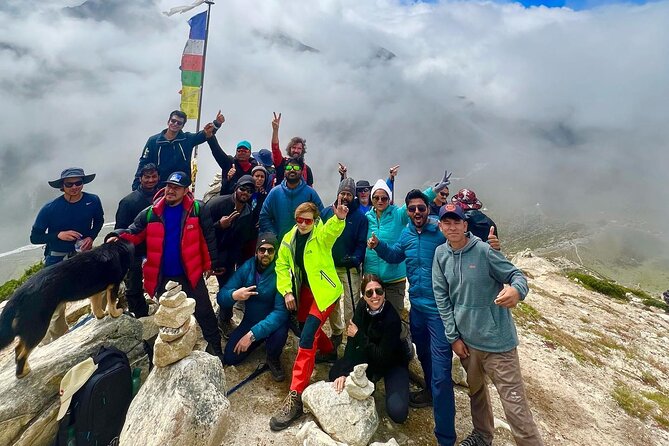
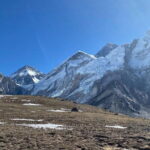
By Day 5 you’re moving through birch, conifer, and rhododendron areas toward Dingboche. You’ll also start getting frequent glimpses of peaks such as Everest, Lhotse, and Ama Dablam as you walk in and around the Imja Valley region. Day 5 sets you up for Day 6, which is your second acclimatization block.
Day 6 is a rest-and-adjust day in Dingboche, plus an added hike to Nangkartshang Peak for views of mountains including Makalu, Lhotse, Cholatse, Tawache, and Ama Dablam. This is another good example of “help your body, then keep going.” Your job isn’t to conquer everything on Day 6—it’s to arrive prepared for the thinner, rougher terrain ahead.
Lobuche, Gorakshep, and Reaching Everest Base Camp
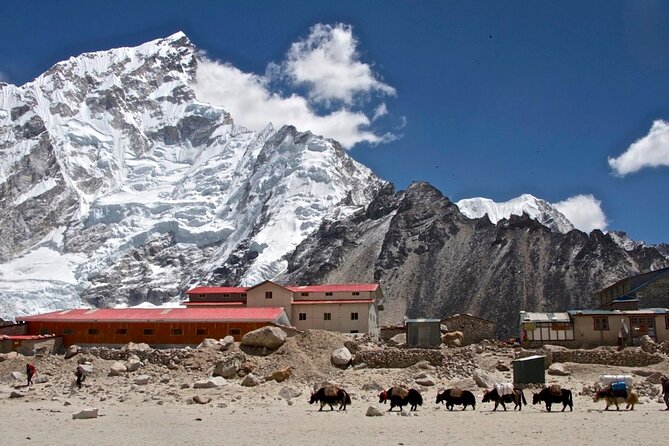
The trek gets more dramatic as you approach higher passes. Day 7 takes you from Dingboche to Lobuche, with a segment that includes Thukla Pass for panoramic views (Pumori and Nuptse are highlighted) before continuing to Lobuche. This kind of day can feel longer because the ground is less forgiving and your air intake is working harder.
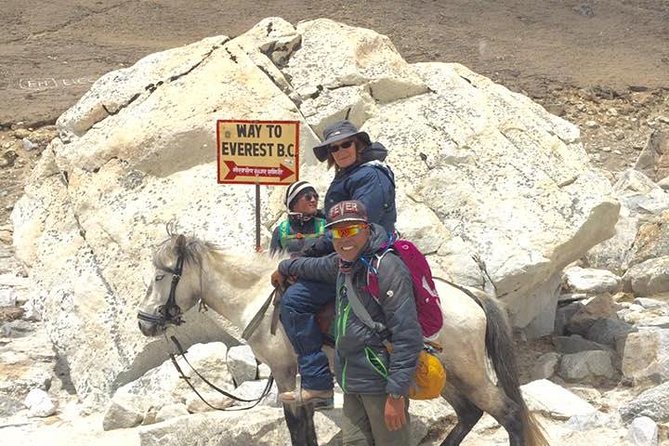
Then comes Day 8. You’ll hike to Gorakshep, the last settlement before Everest Base Camp. After lunch there, you continue to Everest Base Camp, crossing over glacier terrain and spending time at the base camp area for photos and that unforgettable “I’m here” moment. Afterward, you trek back to Gorakshep.
One thing to understand going in: Everest Base Camp is reached after a long approach, so the experience can be intense even if you don’t feel like you’re “doing the hardest climb.” Expect it to feel like a culmination day—less about technical adventure, more about endurance, thin air, and staying calm so you can actually enjoy it.
Kala Patthar Sunrise: Photo Time with Purpose
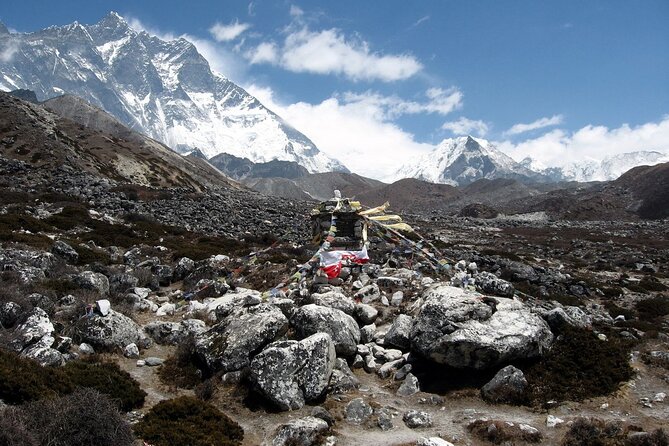
Day 9 starts early with a hike to Kala Patthar to catch sunrise over the Himalayas. After spending time photographing, you descend back to Gorakshep, then continue down toward Pheriche for the overnight.
This is one of those segments where guides can make a difference. Going early means you need to keep your energy stable. A guide who knows how to pace people helps you avoid the common mistake: burning too much effort too fast, then feeling wrecked later.
Day 10 continues the descent from Pheriche back toward Namche Bazaar. Going down to lower altitude brings real relief, and it also lets you see the route again with new perspective. Familiar trails can be comforting because you’re no longer staring at the next “big” milestone—you’re finishing the job.
Final Trek Days: Lukla, Phakding, and the Fly-Back
Day 11 takes you down from Namche Bazaar back to Lukla, with stops along the way such as Phakding. You’ll cross suspension bridges again and trek through forests, with chances to take breaks for tea. The final push into Lukla feels like a victory lap because you’ve already done most of the hard work.
Day 12 is straightforward: in the morning you fly back to Kathmandu from Lukla, then get transferred to your trip hotel. It’s a clean ending after a long set of days where your world shrank to trail, tea house, rest, and views.
What the $1,099 Price Actually Covers
At $1,099 per person, this trek is priced like a package, not like a DIY trip. The included pieces that matter most are:
- Domestic flights (Kathmandu/Ramechhap–Lukla–Ramechhap/Kathmandu)
- Sagarmatha National Park fees and local taxes, plus Lukla entrance fees
- Licensed English-speaking guide and porter support (1 porter for 2 travelers)
- Guesthouse accommodation during trekking days with breakfast on a twin-sharing basis
- First aid kit and necessary equipment like duffle bags if needed
- Hotel/port pickup and drop-off plus transport around the trek
What’s not included is just as important for budgeting. The tour does not include breakfast, lunch, and dinner and drinks during the trip. You do get breakfast as part of the guesthouse arrangement during trek days, but lunches and dinners are typically something you pay for at tea houses, along with any extra drinks.
So is it good value? For most people, yes, because the two biggest hassles—permits/fees and getting to Lukla reliably as part of a structured plan—are handled. If you already have time to manage all that yourself (and you enjoy paperwork, calls, and route sorting), DIY might be cheaper. If you want the trip managed end-to-end, this is a fair setup.
Fitness Level and the Real Meaning of “Active”
The trek is best suited to active travelers with some trekking experience. The itinerary includes long walking days (some listed at 12+ hours), plus steep ascents and days that include acclimatization hikes. It’s not described as a technical climbing expedition, but it is definitely endurance-focused.
You’ll also be walking in a high-elevation environment for many days. That’s why the acclimatization schedule is built in. If you tend to ignore rest days or try to “push through” altitude symptoms, you’ll struggle here. If you listen to your body and follow pacing advice, this plan gives you a better shot at enjoying the route.
Tea-House Reality: Rooms, Meals, and Packing Strategy
Accommodation is in guesthouses during the trek, typically twin sharing, with breakfast included. The rooms at higher altitude can be basic, and I’d treat that as part of the experience rather than a surprise. Real talk: people can feel uncomfortable when they reach higher elevations, especially around the mid-to-high parts of the route. Going in expecting simple lodging helps you stay positive.
Meals are a mixed picture. You’ll have breakfast included through the guesthouse stay rhythm, but lunch and dinner are not included. That matters because the trek includes lots of walking, so food planning becomes a daily decision. A guide can help you choose options and pace your intake.
For packing, the tour mentions duffle bags are provided if you need them, and the guide/porter setup means you’re not carrying everything. Practically, you’ll still want a day bag for essentials, while letting the porter handle the bulk.
The Guides: Why the Human Touch Shows Up in Reviews
You’re not just buying a route. You’re buying how smoothly someone can run a mountain schedule.
Over and over, real on-trail support names come up: guides like Mingmar, Khilraj, Indra, and Dawa Sherpa show up as calm, attentive leaders. People also mention Santosh and Sonam for thorough handling of accommodation and food needs. There’s also a recurring theme that guides do daily briefings, including practical tips such as what to wear for changing conditions.
That doesn’t mean every day is perfect. One account includes a last-minute hotel change in Kathmandu that was a minor snag. Still, the broader pattern is clear: a strong guide helps you keep moving safely, and it makes altitude planning feel less stressful.
Should You Book This Everest Base Camp Trek?
Book it if you want Everest Base Camp with fewer moving parts. This is a strong choice if you like having permits, fees, flights, and a day-by-day acclimatization rhythm handled for you, plus you want licensed guide support and porter help.
Skip it (or consider a different style of trip) if you want full independence and you’re the type who dislikes group logistics. Also, if you know you’ll feel stressed by simple higher-altitude lodging, you should mentally plan for that reality before you commit.
If you’re active, open to early starts, and you want your money to buy planning as much as views, this trek is a solid bet. You’ll end up walking into Everest Base Camp with the route already figured out—and that makes the whole experience more enjoyable, not just more scenic.
FAQ
Where does the trek start and end?
The experience is based in Kathmandu, Nepal. You fly to Lukla for the start of the trek and then fly back to Kathmandu from Lukla at the end.
Are flights to Lukla included?
Yes. Domestic flights are included in the package for Kathmandu/Ramechhap to Lukla and return.
Do I get a guide and porter?
Yes. You’ll have a professional and licensed English-speaking guide, and porter support is included (1 porter for 2 travelers).
What accommodation is included during the trek?
You’ll stay in guesthouses during the trekking days on a twin-sharing basis, with breakfast included.
Are meals included (lunch and dinner)?
Breakfast is included as part of the guesthouse stay, but breakfast, lunch, and dinner during the trip are listed as not included in the package.
Is there any accommodation included in Kathmandu?
Yes. A one-night stay at Gokarna Forest Resort in Kathmandu is included. General accommodation in Kathmandu is otherwise not included.
Are national park fees and permits included?
Yes. Sagarmatha National Park fees, Lukla entrance fees, and local taxes are included.
What should I bring for booking and travel?
Bring your original passport and your travel insurance, as noted for the trip requirements.
What’s the maximum group size?
The tour has a maximum of 30 travelers.
Can I cancel and get a full refund?
You can cancel up to 6 days in advance for a full refund. If it’s canceled due to poor weather, you’ll be offered a different date or a full refund.