REVIEW · KATHMANDU
Everest Base Camp Trekking
Book on Viator →Operated by Green Valley Nepal Treks & Research Hub Pvt Ltd · Bookable on Viator
The mountains start talking to you early. This Everest Base Camp trek is built for safety and simplicity, with a guide leading you from Kathmandu to Lukla and all the way to Everest Base Camp. You’ll keep moving without getting lost, and you’ll get help reading the trail, not just following it.
I love how the trip balances big moments with steady guidance. The small-group setup (max 10) means you actually notice your guide’s pace choices, and you’re not stuck in a crowd. I also like that the plan is geared for views—especially the early light around Kala Patthar and the panoramic stop at Thangma Riju.
One thing to plan for: this is active, cold, and demanding. You’re expected to have strong physical fitness, and since it runs in all weather, you’ll want good layers and a calm mindset when conditions turn gray or windy.
In This Review
- Key highlights worth knowing
- Kathmandu to Lukla: the part of Everest that happens fast
- Early trekking day through pine forests and Sagarmatha National Park
- Namche Bazaar acclimatization: rest day that still moves
- Phorse and Dingboche: how the trek earns its big mountain scenes
- Into the higher Khumbu: Duglha, yak herders, Chola lake
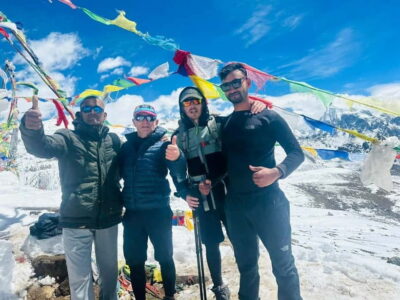
- Chupki Lhara and the “stones and prayer flags” feeling
- Thangma Riju and Everest Base Camp: the panoramic build-up
- Kala Patthar sunrise: chasing light, not perfection
- The return down: controlled steps, bridges, and a different kind of tired
- Price and value: what $1,350 buys on an Everest trek
- Who should book this Everest Base Camp trek
- Should you book it? My practical take
- FAQ
- Where does the tour start?
- What’s the duration and overall schedule?
- Is pickup included?
- Does this include teahouse accommodation and meals?
- How many people are in the group?
- Do I need a passport?
- What’s the cancellation window?
Key highlights worth knowing
- Max 10 travelers keeps the trek personal, not chaotic
- Lukla flights save time and give you dramatic sunrise mountain views
- Teahouse accommodation and meals included so you focus on walking
- Guides like Biru, Amabar, and Ramesh are highlighted for care and control
- Kala Patthar sunrise window is a real priority on the schedule
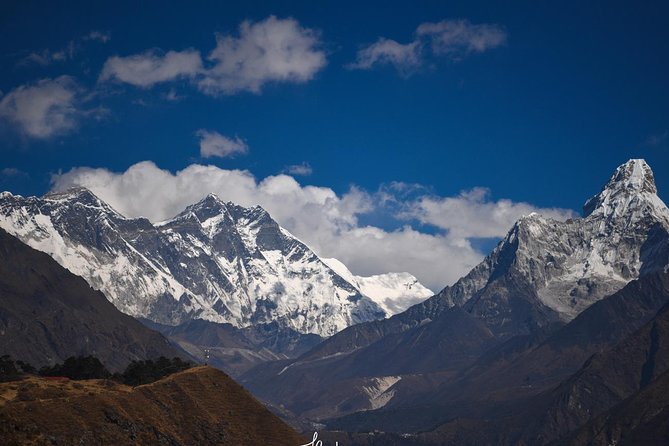
- Thangma Riju panoramas give 360-degree mountain views before Everest comes into focus
Kathmandu to Lukla: the part of Everest that happens fast
If you’re dreaming about Everest Base Camp, the first surprise is how quickly the adventure starts. You land in Kathmandu, get met at Tribhuvan International Airport, and get a private vehicle transfer to your hotel. After that, the goal is simple: get you airborne to the mountains without spending days figuring out logistics.
The Lukla flight is a big deal for two reasons. First, you’re looking for early sunrise views over snowcapped peaks as you fly toward Tenzing-Hillary Airport. Second, it makes the trek feel like a real trek, not a long slog just to reach the start. You’ll also notice the tour’s emphasis on organized timing—worth it when altitude and weather can change your day fast.
You can also read our reviews of more tours and experiences in Kathmandu.
Early trekking day through pine forests and Sagarmatha National Park
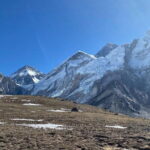
On your first trekking stretch, you’re not dropped into a single long climb right away. The route runs past pine forests, tracks along the Dudh Koshi River, and treats you to views of Thamserku. You also pass through a check post and enter Sagarmatha National Park, which gives the whole hike a legitimate sense of place—this isn’t just a trail, it’s protected mountain territory.
What you’ll appreciate here is pacing. Day 3 sets a “find your rhythm” tone: you get time outdoors, but you’re still building up toward higher altitudes with a guided plan. If you tend to rush when you see mountains, lean on your guide’s tempo. That’s usually the difference between feeling strong and feeling wiped out early.
Namche Bazaar acclimatization: rest day that still moves
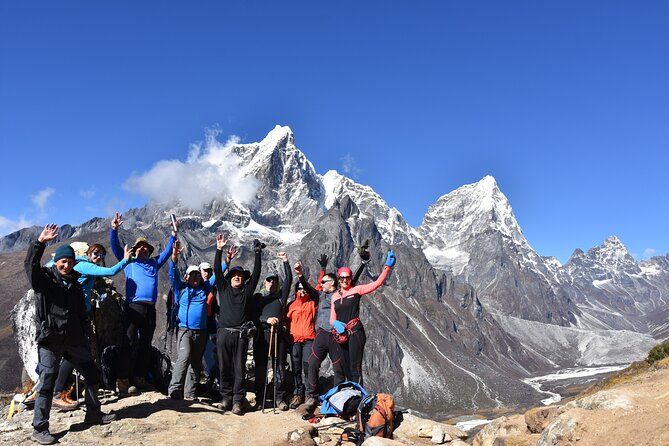
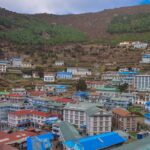
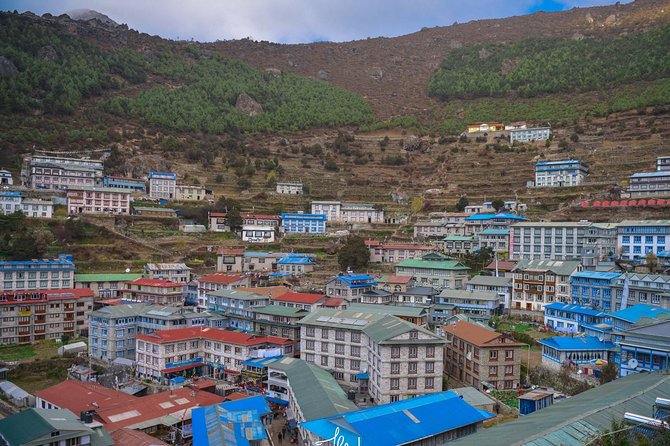
Namche Bazaar is the big hub in the Khumbu region, and it’s not just a dot on the map. It’s well set up with ATMs, internet cafes, restaurants, bakeries—plus the kind of bustle that makes you feel human again after travel days. But the best part is what the day is for: acclimatization.
Instead of letting you waste the day, you get a short hike to a nearby viewpoint while it’s still considered a rest day. That’s a smart compromise. You get fresh air and perspective, but you’re not turning the acclimatization day into an extra “hard day.” If you’ve ever had altitude problems on treks, this structure helps your body adjust while you keep your legs engaged.
Phorse and Dingboche: how the trek earns its big mountain scenes
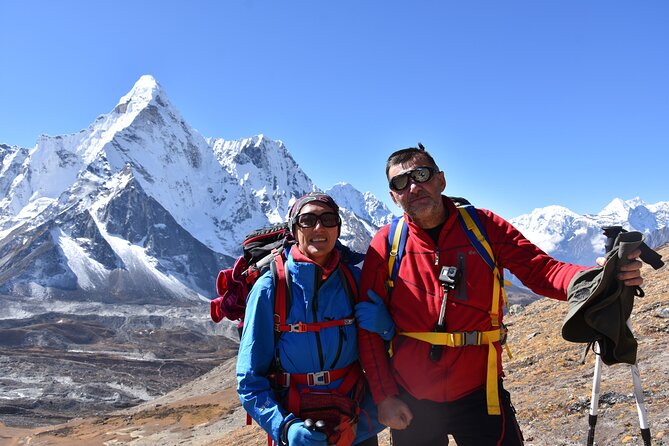
Once Namche is behind you, the trek starts stacking up memorable landscapes. You move toward Phorse, crossing terrain that includes Mugla Pass, where you can catch glimpses of Ama Dablam, Mount Khumbu, and Thamserku. Then the route descends toward the Dudh Koshi and involves a crossing, which matters because it breaks the monotony of one-style walking.
Then comes Dingboche, reached as the journey continues through alpine forests and through Upper Pangboche and surrounding villages. This is also where the cultural rhythm shows up more clearly. You’ll visit a major Buddhist monastery in the region—one of those stops that reminds you you’re not only walking to a summit point, you’re also passing through communities that live with these mountains daily.
This is where guides really earn their keep. A skilled guide helps you manage effort so you arrive at higher points feeling steady, not gasping. And the small-group size (max 10) helps—less bumping, more space to ask questions, and more individualized pace.
Into the higher Khumbu: Duglha, yak herders, Chola lake
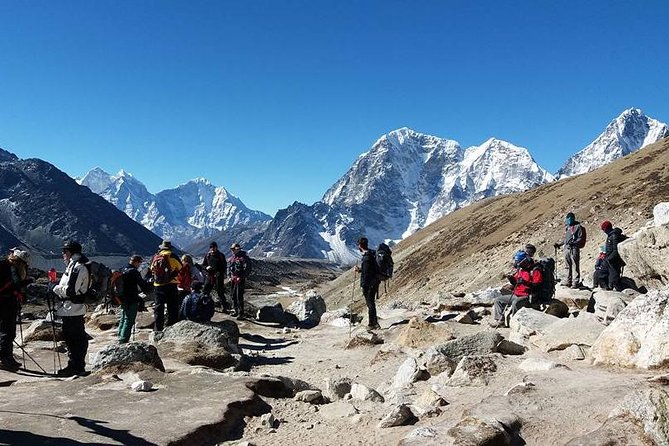
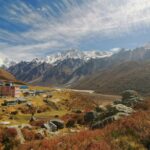
The trek climbs through the Khumbu Khola valley and starts leaning hard into the “high altitude world” feel. You begin from Duglha, pass places linked to yak herders like Dusa, and you’ll see Phulong Karp, described as the camp of the first successful Everest Expedition in 1953. That kind of landmark gives your walking meaning beyond scenery.
You also reach Chola lake, which helps explain why this region draws people back again and again. It’s not only about reaching Everest Base Camp; it’s about the feeling that the terrain is changing around you, with fewer trees, more open space, and bigger views opening between rests.
This is a good time to watch your energy. When you’re in the higher sections, it’s easy to feel “fine” and then realize you used too much too early. Follow your guide’s decisions, drink water consistently, and keep breathing controlled. On a trek like this, small habits pay off more than willpower.
Chupki Lhara and the “stones and prayer flags” feeling
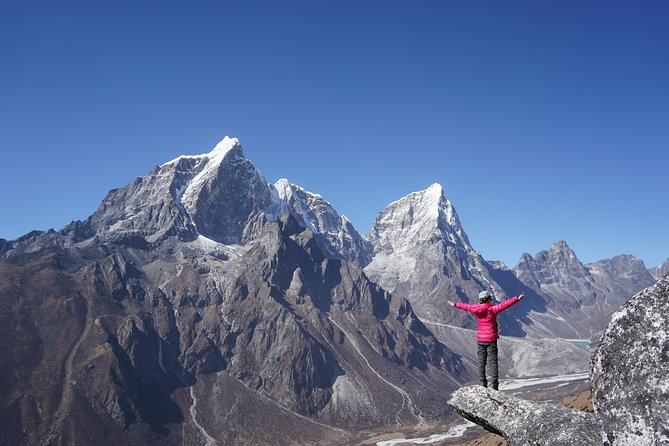
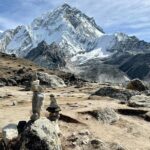
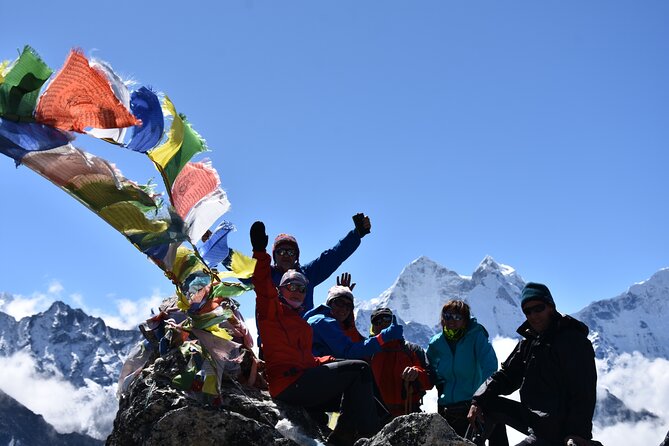
Around the moraine and glacier zone, the trail grows steeper and more dramatic. You walk up the steep terminal moraine of the Khumbu glacier, then head into an ascent to Chupki Lhara, where boulders and rough footing can make every step feel heavier. You’ll also come across collections of stones with prayer flags—simple, visual, and quietly powerful against the raw mountain background.
The practical takeaway: this is not the moment to test your gear or your attitude. Make sure your boots grip well, your layers are ready for wind, and your pace stays controlled. Even when the destination sounds exciting, the best experience here is staying calm and steady. Your guide’s job is to keep you safe and moving in a way your body can handle.
Thangma Riju and Everest Base Camp: the panoramic build-up
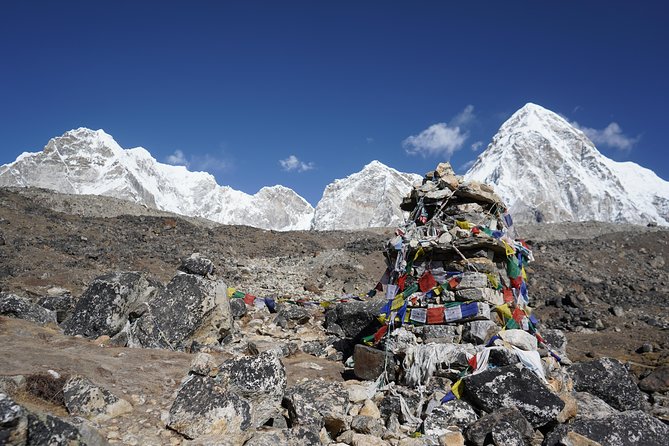
One of the most interesting days is the route toward the Everest Base Camp area via Thangma Riju. At Thangma Riju, you can experience 360-degree panoramic mountain views. And here’s an important nuance: Everest isn’t seen directly from this viewpoint.
That matters because it changes how you experience the big day. Instead of rushing and hoping to see Everest immediately, you get a wider sense of the mountain wall—peaks stacking around you in every direction. It’s a perfect “mental warm-up” before the final approach where Everest starts to show itself more clearly.
Then you push on early in the morning for the climax, timed so you can witness the glimpse of Mount Everest as dusk turns to bright morning light. This is the kind of schedule detail that can make or break the mood. Instead of showing up at base camp when the light is flat, the plan aims for that early glow when the mountains look sharp and dramatic.
Kala Patthar sunrise: chasing light, not perfection
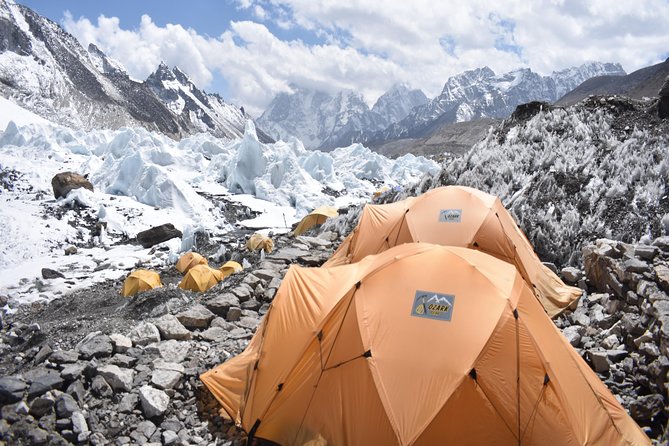
Kala Patthar is treated as a key sunrise moment, with a priority window in the day plan. You’re there early enough to aim for the kind of light that turns cold air into clarity. It’s also one of the places where the trek earns its emotional payoff: you can look out and feel the scale of what you came for.
Even so, keep your expectations flexible. Sunrise views depend on weather and visibility, and this trek runs in all weather conditions, so sometimes the mountain air gives you the show and sometimes it doesn’t. That doesn’t mean you’ll lose value. The trek still delivers major panoramic mountain time, teahouse culture, and guided support to keep you safe.
The best part is how the team treats the day: you’re pushed to start early, but you’re not pushed to act reckless. Your guide is there to keep you on track and help you enjoy the moment without turning it into a scramble.
The return down: controlled steps, bridges, and a different kind of tired
Descending can feel tougher than climbing, mostly because your legs get loud and your balance matters more. After Everest Base Camp, the descent continues back through the terminal moraine area near Duglha, passing villages such as Pheriche and Orsho, plus Shomare. When you reach Pangboche, there’s also time to explore an old area in the village context—again, a reminder that culture is part of the route, not an add-on.
Then comes the last trekking push with a steep downward trail. You’re advised to walk slowly and with controlled steps on steep rocky terrain. That’s more than a safety note. Controlled descents protect your knees and help you enjoy the day instead of fighting gravity.
Near the end, you cross a suspension bridge over the Dudh Koshi. That bridge moment is often one of those points you remember later—not because it’s dramatic like Everest, but because it marks real progress back toward easier living.
Price and value: what $1,350 buys on an Everest trek
At $1,350 per person, you’re paying for a lot more than a ticket to a trailhead. The big value is what’s included: teahouse accommodation, meals, and local transportation are part of the package. That removes daily decision fatigue and budgeting surprises, which is a big deal on multi-day mountain trips.
You’re also getting guiding support for the whole experience. The overview emphasizes trekking safely and avoiding getting lost. In practical terms, that means route knowledge, pacing guidance, and local coordination—things that can easily turn into stress if you try to DIY this trek.
Then there’s the small-group factor (max 10). It usually means more personalized attention and less time waiting. And with group discounts and a mobile ticket, you’re set up to show up and walk rather than spend time on admin.
One more detail that affects real-world value: this trek is commonly booked about 56 days in advance on average. If you’re flexible on dates, you may find options. If you’re not, start early so you’re not chasing availability late.
Who should book this Everest Base Camp trek
This trek fits active, moderately fit travelers who want a guided mountain experience without the mental load of logistics. You should feel comfortable with hiking days that build altitude, cold conditions, and steep terrain on the way down.
If you want the Everest dream plus structure, this works well. The emphasis on personalized attention in a small group helps solo hikers feel supported, and it helps couples or friends stay together at a pace that’s realistic.
It’s also a good match if you care about the “how” as much as the “where.” I like that the experience includes cultural stops like monasteries and village visits, not only photo stops.
Should you book it? My practical take
If your goal is Everest Base Camp with guidance, teahouse comfort, and a plan that prioritizes early light at key viewpoints, I’d say yes—especially if you like traveling with a small group and you want less planning stress. The inclusion of meals and accommodation makes this feel more like a managed adventure than a logistical puzzle.
If you’re very sensitive to cold, altitude, or steep terrain, you’ll need to be honest with yourself first. The trip operates in all weather conditions, and you do get steep rocky walking on the descent, with slow controlled steps required. If that sounds like your comfort zone, you’ll likely enjoy the mix of big views and guided care.
FAQ
Where does the tour start?
It starts at Tribhuvan International Airport, Ring Rd, Kathmandu 44600, Nepal.
What’s the duration and overall schedule?
The trek runs for about 14 days.
Is pickup included?
Yes, pickup is offered.
Does this include teahouse accommodation and meals?
Yes, teahouse accommodation and meals are included, along with local transportation.
How many people are in the group?
The trek has a maximum group size of 10 travelers.
Do I need a passport?
Yes, you need a current valid passport, and passport details are required at booking.
What’s the cancellation window?
Free cancellation is available if you cancel up to 24 hours in advance for a full refund.