REVIEW · SAPA
Sapa : 2-Day Trek & Heartwarming Homestay with an Ethnic Family
Book on Viator →Operated by Vietnam Nomad Trails · Bookable on Viator
A one-night homestay changes your whole view. This 2-day Sapa walk pairs rice-terrace scenery with real time in ethnic villages, guided and paced so you don’t spend the whole trip worrying about directions. I like that it’s built for first-timers, with a small group and hotel pickup so the start feels easy.
Two things I really like: the small-group attention (capped at 10) and the way the guide turns the day into a conversation. Guides like Nhu, Thao nhu, and Chai come through in the details—friendly, English-speaking, and ready to explain life in northern Vietnam beyond the postcard level.
One thing to consider: this is still trekking in Sapa. You’ll want moderate fitness and proper shoes, especially if paths get slick.
In This Review
- Key takeaways before you go
- Two days in Sapa: the real appeal is the pace
- Getting where you’re supposed to be: pickup, meeting point, and timing
- Muong Hoa and rice terraces: walking scenery that doesn’t feel rushed
- Ethnic villages and everyday life: more than just photo stops
- Hands-on cooking with a local family: the most memorable skill transfer
- Homestay night in a traditional home: what to expect
- Meals and small comforts: included lunches plus one family dinner
- Guides make the difference: Nhu, Thao nhu, Chai, Khu, Sai
- Price and value: $59 for trek support and a real overnight
- What to pack and how to dress for Sapa trails
- Who this trek fits best (and who might want a different plan)
- Practical FAQ about this 2-day Sapa trek with homestay
- FAQ
- How long is the tour?
- Where does the tour start and end?
- What meals are included?
- Is hotel pickup and drop-off included?
- Do I need to be physically fit?
- What should I bring for Sapa weather and the hike?
- Do I need travel documents?
- Should you book this Sapa 2-day trek and homestay?
Key takeaways before you go
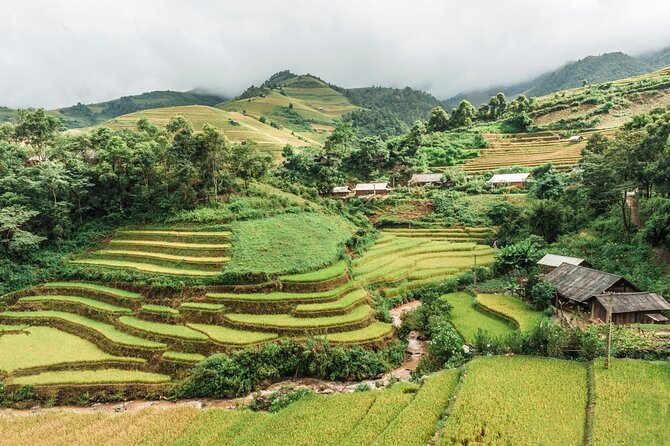
- Muong Hoa valley walking: rice terraces and mountain views, at a calmer pace than a rushed day trip.
- A cooking class with a local family: you’ll learn by doing, then eat dinner with the people teaching you.
- Homestay night in a traditional home: breakfast the next morning, plus a more personal look at daily routines.
- Hospitality meets practical guidance: guides focus on both route safety and cultural context (names you might get include Nhu, Thao nhu, Khu, Chai, or Sai).
- Hotel pickup/drop-off and small group size: less waiting around, more time outside.
Two days in Sapa: the real appeal is the pace
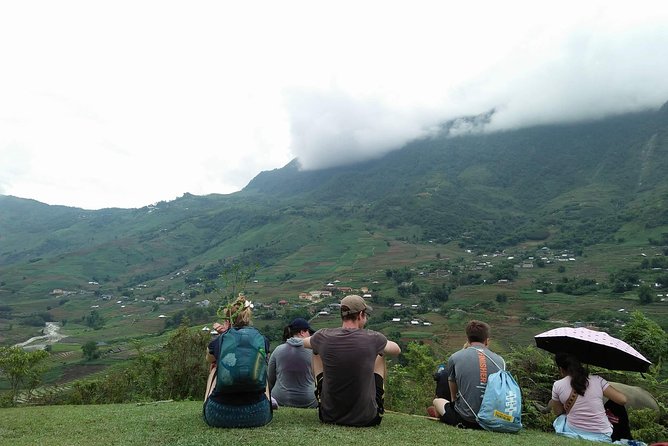
Sapa can be a lot. The town is busy, the hills are steep, and most one-day treks feel like you’re just moving from view to view.
This experience is different because it slows things down. It’s a 2-day format with a homestay night, so you’re not sprinting to tick off stops before the bus leaves. That one extra evening is the difference between taking photos and actually understanding what you’re seeing.
I also appreciate how the trip is set up for sanity. You get pickup and drop-off tied to the Sapa center, plus air-conditioned transport. Starting at 9:00 am from Nomadtrails Boutique Hotel makes the day feel structured, not chaotic.
Getting where you’re supposed to be: pickup, meeting point, and timing
The day begins at Nomadtrails Boutique Hotel (015 Tue Tinh, Sapa). You’re asked to arrive about 15 minutes early, which is a good idea in Sapa anyway—timing can slip when roads are busy.
The trip also includes bus back to the Sapa center. That matters because trekking tours often leave you stranded in the countryside for your own transport plan. Here, you’re carried back, and the activity ends back at the meeting point.
If you prefer a clean schedule and hate last-minute logistics, this is the kind of tour that lets you focus on the outdoors instead of juggling phones, maps, and taxis.
Muong Hoa and rice terraces: walking scenery that doesn’t feel rushed
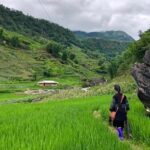
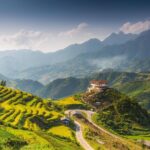
The first trekking highlight is the Muong Hoa valley, where rice terraces step down the mountain slopes. When the terraces are running well, the pattern of fields can look almost engineered. When they aren’t, you still get that strong sense of vertical farming and how tightly people work with the terrain.
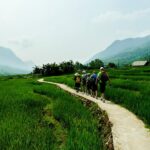
What makes this trek feel good is the pacing. It’s not described as a “race.” The tour is designed for moderate physical fitness, which usually means you’ll be walking steadily, taking breaks, and still having energy to enjoy village stops and conversation.
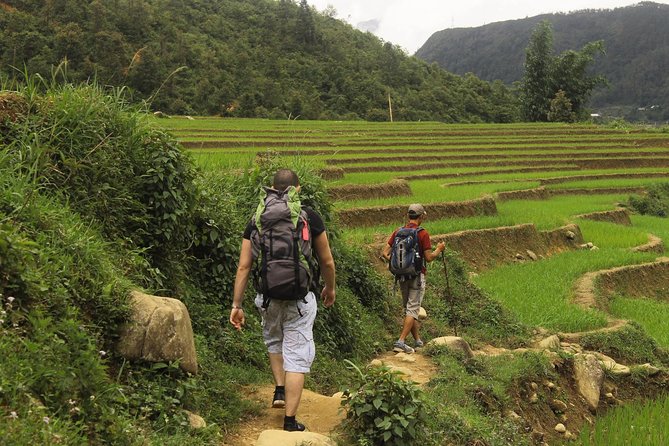
Practical note: Sapa paths can be slippery. One review line that keeps showing up is the need to be ready for slick road sections. So treat this as a proper hike, not a casual stroll. If you’ve got trekking shoes, wear them from minute one.
Ethnic villages and everyday life: more than just photo stops
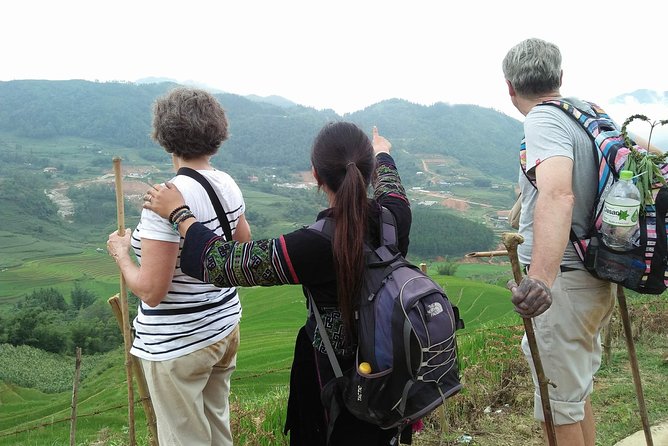
Sapa’s ethnic communities are often described in broad strokes. The advantage here is that your guide keeps pointing out what you’re looking at and why it matters. That’s where the personal touch comes in.
Depending on the day’s route, you may pass through places referenced in common Sapa trekking routes like Lao Chai and Ta Ta Phin. You can also expect variety in the scenery—rice fields, villages, and greenery along the way. Some routes even include bamboo forest walking and waterfall time, though the exact mix can vary with weather and trail conditions.
What I find most useful is having a guide who explains details in plain language. Names that come up from past groups include Nhu, Thao nhu, Khu, Chai, and Sai. Even when you’re not a “culture lecture” person, it helps to have someone connect the dots as you walk.
Hands-on cooking with a local family: the most memorable skill transfer
One of the most concrete parts of this tour is the cooking class with the local family. This isn’t just watching someone cook. It’s described as hands-on, with a warm family leading you through the process.
Why this is worth your time: cooking teaches you how people actually think about ingredients, timing, and flavor, and you don’t need to be “foodie” for it to land. The dinner you share afterward means you get to taste what you just learned, without guessing what you’re supposed to like.
Also, it’s a simple way to build a connection quickly. You talk while you chop, you ask questions naturally, and the evening shifts from tourism to shared activity.
Tip: bring a curious attitude. If you’re shy about food talk, start with easy questions like what’s local, what’s grown nearby, and what people eat on regular days.
Homestay night in a traditional home: what to expect
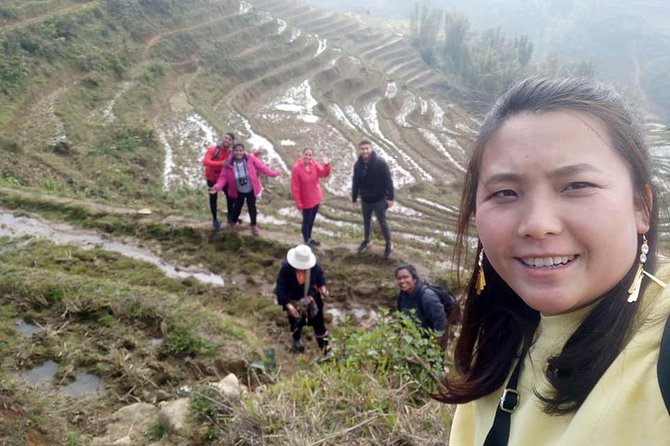
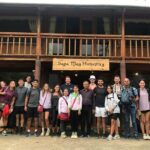
The tour includes 1 night in a homestay with an ethnic family. That’s the emotional anchor of the trip. A daytime walk is nice. A night in the home is where you slow down and notice how the household lives after the sightseeing crowds move on.
You’ll have breakfast in the homestay the next morning, and you’ll also have one dinner with the local family on the first night.
What to bring for the night is specifically called out: pack clothes for after dark. Even if the daytime feels manageable, the hills can cool off quickly. Warm clothes are recommended for October to March, and it’s smart to expect cooler temperatures at elevation even outside that window.
Cultural respect is also part of the deal. You’re staying in someone’s home. Keep your behavior calm and considerate, and follow your guide’s cues about what’s okay to photograph and when.
Meals and small comforts: included lunches plus one family dinner
Food is handled in a practical way here:
- 2 lunches at a local restaurant
- 1 dinner with the homestay family
- 1 breakfast at the homestay
- Mineral water provided daily (a small amount per person is included)
Beverages aren’t included, so plan to buy or carry what you’ll want beyond the provided water. If you like tea, coffee, or specific drinks, budget for that.
I like that the structure keeps you from constantly hunting for snacks on uneven terrain. You’ll still get chances to pause and refuel, but the day won’t run on guesswork.
Guides make the difference: Nhu, Thao nhu, Chai, Khu, Sai
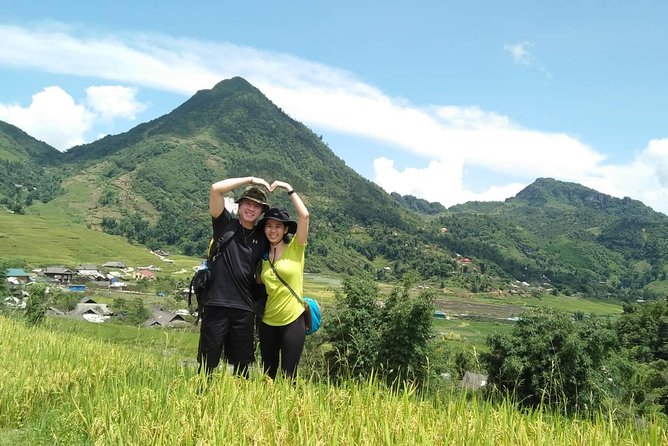
A big reason this tour earns such a high recommendation rate is guide quality. Several guides are referenced by name in past feedback, and the pattern is consistent: they’re friendly, energetic, and happy to answer questions.
- Nhu is described as well-informed and good at keeping groups on track.
- Thao nhu is praised for being enthusiastic, funny, and strong in English.
- Chai shows up as competent and eager to discuss ethnic minorities and daily life.
- Khu is noted as sweet and very supportive on the trail.
- Sai is highlighted as patient and attentive, especially for explanations about local customs.
Even if you get a different guide than the names above, the tour’s repeat success suggests you’re in the hands of someone who actually knows the area and cares about communication. That’s a huge value add when you’re walking through villages where the details matter.
Price and value: $59 for trek support and a real overnight
At $59 per person, this is not a “budget” hike, but it’s also not overpriced for what’s included.
What you’re paying for isn’t just walking:
- guided trekking (so you don’t navigate alone)
- pickup and drop-off
- air-conditioned transport
- homestay night
- multiple meals (including breakfast and a family dinner)
- water each day
If you were to build this trip yourself, you’d likely spend comparable money on transport, a guide, and an overnight arrangement, then still have to arrange meals. Here, those pieces are tied together.
The fact that it’s commonly booked about 24 days in advance also suggests it’s a popular way to do Sapa without over-planning. If you like having everything handled, that’s a good sign.
What to pack and how to dress for Sapa trails
The tour’s prep list is solid. Don’t ignore it.
Bring:
- trekking shoes
- sunglasses
- sun cream
- insect repellent
- clothes for the night
- warm layers for October to March
I’d add one simple mindset: dress for cool mornings and changing weather on hills. Even if the sun is out, wind can cool you fast once you stop.
Also, respect the local culture. That means being mindful in village spaces and following your guide’s direction about where to stand and how to behave.
Who this trek fits best (and who might want a different plan)
This is a great match if:
- you’re visiting Sapa for the first time
- you want a guided trek without route stress
- you like meeting people through daily activities like cooking and shared meals
- you prefer a small group where conversations are possible
You might want to rethink it if:
- you hate any physical walking beyond short distances
- you don’t want to spend a night in someone’s home environment
- you’re very picky about drinks or dietary needs and haven’t communicated those ahead of time
If you do have dietary requirements, the tour asks you to advise them when booking. That’s worth doing early so your day stays comfortable.
Practical FAQ about this 2-day Sapa trek with homestay
FAQ
How long is the tour?
It runs for 2 days, with the start time listed as 9:00 am. It ends back at the meeting point.
Where does the tour start and end?
It starts at Nomadtrails Boutique Hotel, 015 Tue Tinh, Sapa 330000, Vietnam. The activity ends back at the same meeting point.
What meals are included?
You get 2 lunches in local restaurants, 1 dinner with the local family, and 1 breakfast in the homestay. Mineral water is also included per person each day.
Is hotel pickup and drop-off included?
Yes. Hotel pickup and drop-off are included, and the trip also includes bus back to the Sapa center.
Do I need to be physically fit?
The tour is for travelers with moderate physical fitness. You should also expect trekking paths that can be slippery in places.
What should I bring for Sapa weather and the hike?
Warm clothes are recommended from October to March. You should bring trekking shoes, sunglasses, sun cream, insect repellent, and clothes for the night.
Do I need travel documents?
A current valid passport is required on the day of travel.
Should you book this Sapa 2-day trek and homestay?
Book it if you want Sapa without stress. The combination of guided trekking, a hands-on cooking session, and an actual homestay night is a strong value package, especially for first-timers who want more than just a quick day of views.
Skip it if you’re after a super easy, fully comfortable walk with zero exertion. This is still a hike in the hills, and you’ll get the best experience by showing up with the right shoes, warm layers, and patience for a slower, human pace.