REVIEW · SAPA
1-day Authentik trek & Panorama valley views
Book on Viator →Operated by Vietnam Nomad Trails · Bookable on Viator
Rice terraces and village stories in one hike. This 1-day walk in Muong Hoa Valley pairs big mountain viewpoints with real village life, as you move from a hilltop panorama down through paths lined with rice fields toward local communities and waterfalls.
I like the cultural stop points most. You get time with Hmong families and learn about traditional textile-making, including hands-on moments like touching and feeling materials, plus a simple green tea break in a local home. I also love the guides: Su, Chai, and Nhu all stood out for being friendly, giving clear English explanations, and turning short pauses into mini lessons about daily life and even plants.
One thing to consider: this is a moderate fitness trek and it depends on good weather. If skies are foggy or trails are wet, you may have less dramatic views, and the walk may be rescheduled.
In This Review
- Key highlights at a glance
- Muong Hoa Valley: what you’re really buying for your day
- Start point and timing that actually matter in Sapa
- Stop 1: Muong Hoa Valley rice-field paths and the Hmong craft focus
- Village time that doesn’t feel like a checklist
- Green tea at a local home
- The viewpoint: Mount Fansipan views
- Lunch plus downhill energy: how the second half changes the pace
- Waterfalls and nature stops along the way
- Guides make or break this trek
- What to expect from the route: pace, fitness, and comfort
- Price and value: why $56.42 can feel fair here
- Practical notes: small details that prevent big annoyances
- Who this trek is best for (and who should skip it)
- Should you book this one-day trek?
- FAQ
- FAQ
- How long is the trek?
- Where does the tour start?
- What time does the tour start?
- Is lunch included?
- Is bottled water included?
- Is this tour private?
- What fitness level do I need?
- Do I get a mobile ticket?
- What if the weather is bad?
- What is the cancellation policy?
Key highlights at a glance
- Hmong textile time with local families (including hands-on moments and craft stories)
- Morning mountain panoramas over Mount Fansipan and Muong Hoa Valley
- Village-to-village walking through rice fields and quieter paths
- A green tea stop in a local home, plus time to ask questions
- Lunch included with feedback pointing to standout fried spring rolls
- Private group format with a dedicated guide for your pace
Muong Hoa Valley: what you’re really buying for your day
This trek is priced at $56.42 per person for a reason. You’re not just paying for a walk and a photo stop. You’re paying for a guided route through Hmong communities, plus a meal, bottled water, and entry for the day’s experience. With an average booking window of about 11 days ahead, it’s also popular enough that planning ahead makes sense if you want a specific day.
The time commitment is about 6 hours (give or take depending on pace and conditions). That’s long enough to feel like you did something meaningful, but short enough that you’re not stuck all day even if you’re not an experienced hiker.
And since it’s a private tour (only your group), you can ask questions without feeling like you’re competing with other people’s conversations. That matters on cultural days like this, where small moments—learning what a craft means, or how daily routines work—are the whole point.
Start point and timing that actually matter in Sapa
Your meeting point is listed at 15 Tuệ Tĩnh, Sa Pa, Lào Cai, Vietnam, and the start time is 9:30 am. In practice, the day begins with pickup or a meeting in Sapa town before you head out into the Muong Hoa Valley area.
Bring a little buffer mindset. In Sapa, mornings can shift fast—fog rolls in, light changes, and trails can be slick after mist or rain. If you’re the type who hates rushing, show up a few minutes early, get your shoes ready, and let the guide set the rhythm.
You’ll have a mobile ticket, and confirmation happens at booking time. So once you’ve reserved, you’re not juggling printouts at the last minute.
Stop 1: Muong Hoa Valley rice-field paths and the Hmong craft focus
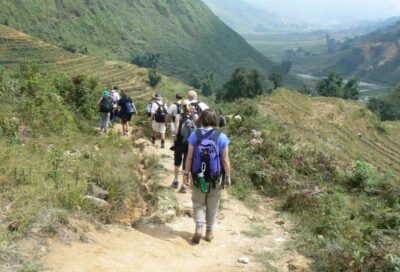
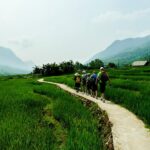
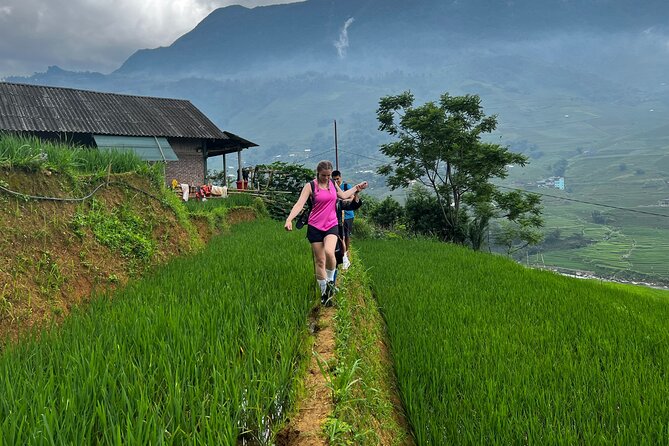
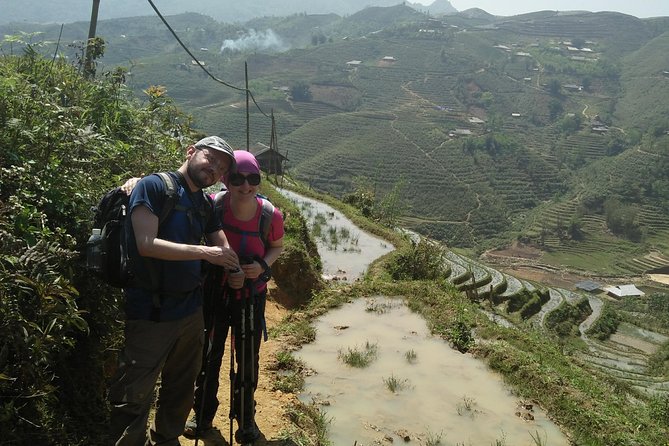
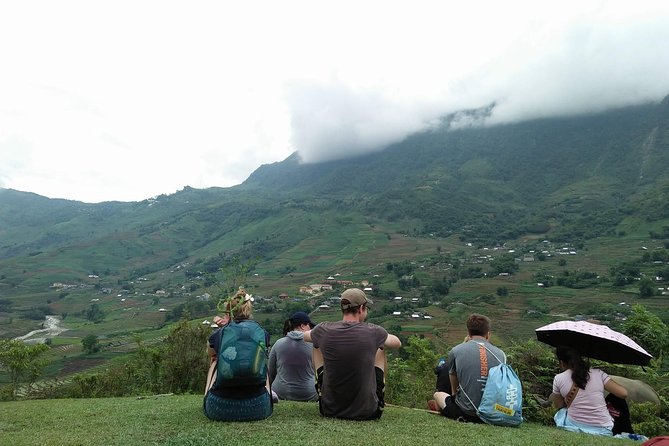
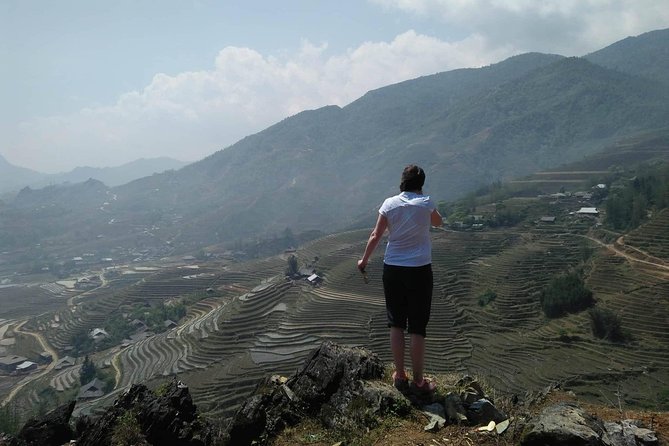
This is where the day earns its keep. Muong Hoa Valley is known for misty scenery and layered rice terraces, and your trek starts with an ascent that leads to a mountain viewpoint. Even when clouds soften the view, you can still feel the scale—terraces stacked downhill, and the sense that the valley is always turning into something new as you walk.
Village time that doesn’t feel like a checklist
As you go, you’ll pass through Hmong villages and meet local families. The value here is not just seeing houses or posing for a photo. You’re meant to learn how people live and work—especially around traditional textile-making.
The strongest moments from the experience come from hands-on interaction. Guides like Su and Chai are highlighted for being friendly and informative, and for letting you touch and feel textiles as part of the craft explanation. That transforms the day from scenery viewing into real understanding.
Green tea at a local home
You also stop for green tea at a local home. It’s a small break, but it’s also a cultural one. You get a chance to slow down, warm up if you feel chilled, and ask questions in a setting that’s not rushed. In places like this, that kind of pause often turns into the memory you keep.
The viewpoint: Mount Fansipan views
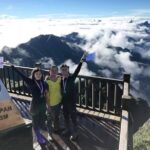
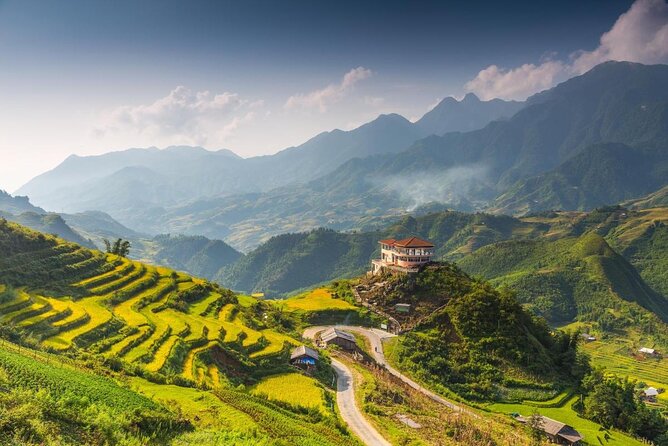
After the village and craft segment, you reach a hilltop viewpoint with panoramas over Mount Fansipan and the Muong Hoa Valley. If the weather is clear, you’ll get those wide, layered views. If it’s hazy, don’t panic—fog in the mountains can still make the terraces look dramatic and the walk feel extra atmospheric.
Lunch plus downhill energy: how the second half changes the pace
After the viewpoint, the plan includes lunch at a local restaurant, with bottled water included. This is where you reset energy for the descent.
One detail I’d pay attention to: the lunch has gotten strong feedback for being genuinely good. In particular, fried spring rolls were singled out as a highlight. That tells me this isn’t the kind of lunch that feels like an afterthought.
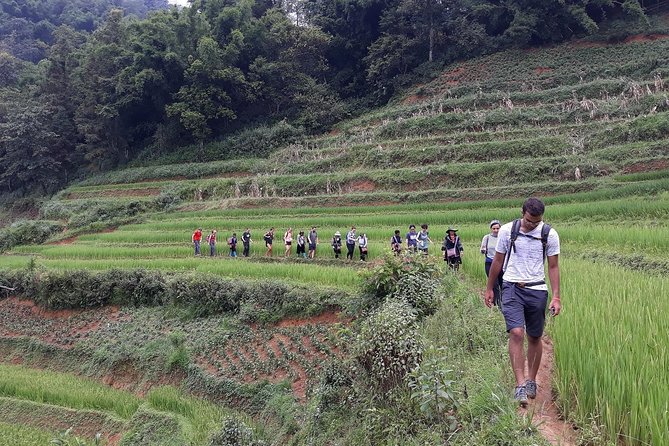
After lunch, you start descending toward Hau Thao Village, described as home to the Black Hmong community (the information is cut off in the text you provided, but the village description clearly points to the Black Hmong identity). This part of the day matters because it’s not only about going up. You experience the valley by moving through it—rice fields, paths, and village life at a slower, more human pace.
Waterfalls and nature stops along the way
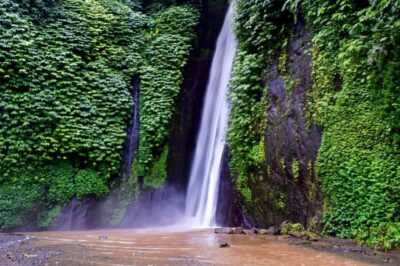
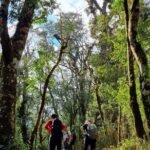
The overview also points to hidden waterfalls and lush valley walking. Even if you don’t catch a waterfall at peak flow that day, you should still expect a nature-heavy stretch where the guide can point out plants and small details. One review notes the guide shared stories not just about people, but about plants too—exactly the kind of explanation that makes a short stop feel worth it.
Guides make or break this trek
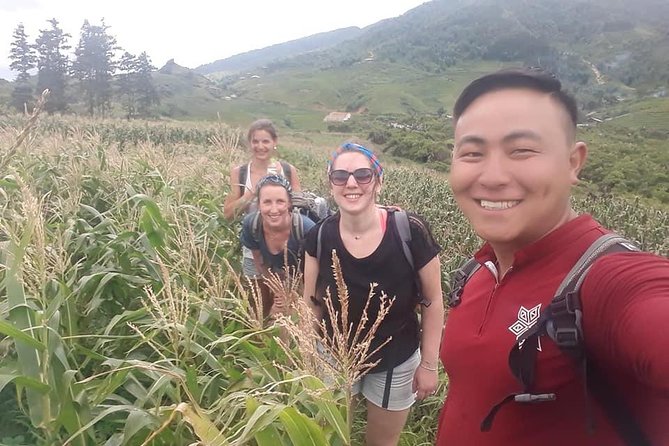
The guides are a major part of why this experience scores so well. Names that come up include Su, Chai, Nhu, and also Nhithao in some feedback.
Across the comments, you’ll notice a pattern:
- Friendly, upbeat guiding style
- Clear communication in English
- A focus on safety while keeping the walk engaging
Safety doesn’t mean you’ll be “handled” like a fragile package. It means you’ll likely get practical pacing and attention on footing when paths get uneven. Reviews also mention guides keeping people safe at all times, which is exactly what you want on a trek where surfaces can change quickly.
If you care about learning details instead of just moving from point A to point B, this is the right kind of guided day. The best part is that you’re not only taught facts—you get context for why things are done a certain way.
What to expect from the route: pace, fitness, and comfort
This is marked for travelers with moderate physical fitness. That usually means:
- You’ll walk steadily for hours.
- There’s a climb early on, then a descent.
- Steps and dirt paths can be uneven, especially in wet conditions.
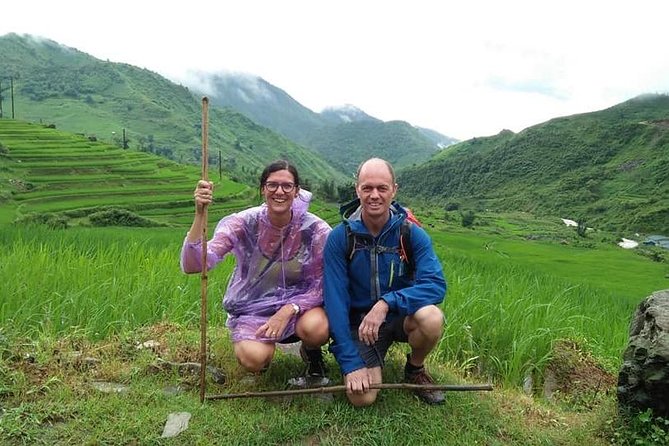
Comfort tip that’s worth it in Sapa: plan for cold and damp. Even if the air feels fine at the start, mountain weather can change fast. Bring layers, and focus on footwear with grip.
Also, keep your expectations realistic. You’re not doing an all-day marathon, but you’re also not strolling. Expect a proper hiking pace with breaks that are planned around viewpoint and cultural stops.
Price and value: why $56.42 can feel fair here
At $56.42 per person, you’re paying for a bundle:
- A half-day-to-most-of-the-day hike (about 6 hours)
- Private guide time
- Lunch included
- Bottled water
- A cultural experience centered on Hmong villages and textile-making
- Admission ticket included
What helps the value argument is that the experience isn’t just “look, then leave.” You get green tea, time in villages, and explanations that connect the route to local life.
Could you do a similar walk on your own? Sure, but you’d miss the craft education and the guided context that turns scenery into understanding. And in Sapa, context is the difference between a hike and a story you can actually tell afterward.
Practical notes: small details that prevent big annoyances
Here are a few things you’ll want to know before you go:
- What’s included: lunch and bottled water.
- What’s not included: travel insurance and VAT, plus personal expenses.
- Weather matters: the experience requires good weather. If it’s canceled for poor weather, you’ll usually be offered a different date or a full refund.
- Minimum travelers: it can be canceled if the minimum isn’t met, and then you’ll get a different date/experience or a full refund.
- Private tour: only your group participates, which is great for asking questions and setting your pace.
Also, treat the day like it’s partly about timing in mountain light. If you want the clearest views, keep your schedule tight and don’t be late—because once the morning shifts, the best panorama window can be gone.
Who this trek is best for (and who should skip it)
This is a great fit if you want:
- Hmong culture and textile craft as a real part of the itinerary
- A guided route with clear English explanations
- Mountain viewpoint time plus down-valley village walking
- A private format where you can ask lots of questions
You might want to choose a different option if:
- You dislike uneven trails and steep sections.
- You’re traveling only with minimal ability to hike for 6 hours.
- You’re very sensitive to weather uncertainty. Fog and rain are common enough in the mountains that the views may vary.
Should you book this one-day trek?
I’d book it if you’re in Sapa and you want your time to feel meaningful, not just scenic. The mix of viewpoints, village conversations, and hands-on textile craft gives you a fuller day than many “walk and photo” options.
Skip it only if your fitness level is closer to “short stroll only,” or if you can’t handle the reality that mountain weather can change the experience. If you can bring layers, good shoes, and a curious mindset, this is the kind of day that gives you stories you’ll remember long after the photos fade.
FAQ
FAQ
How long is the trek?
It’s about 6 hours (approx.).
Where does the tour start?
The meeting point is listed at 15 Tuệ Tĩnh, Việt Nam, Sa Pa, Lào Cai, Vietnam.
What time does the tour start?
The start time is 9:30 am.
Is lunch included?
Yes. Lunch is included.
Is bottled water included?
Yes. Bottled water is included.
Is this tour private?
Yes. It’s listed as a private tour/activity, and only your group participates.
What fitness level do I need?
It’s suitable for travelers with a moderate physical fitness level.
Do I get a mobile ticket?
Yes. The tour features a mobile ticket.
What if the weather is bad?
The experience requires good weather. If it’s canceled due to poor weather, you’ll be offered a different date or a full refund.
What is the cancellation policy?
You can cancel for a full refund if you cancel at least 24 hours in advance of the experience’s start time. If you cancel less than 24 hours before, the amount paid is not refunded.