REVIEW · SAPA
1 day Fansipan Trekking
Book on Viator →Operated by Sapa Original Trek · Bookable on Viator
That 2,000m start is no joke. This 1-day Fansipan hike takes you from the Tram Ton pass at 6:00 a.m. up to 3,143m, led by an English-speaking guide with the essentials handled.
I especially like the English-speaking guide. It also helps that you get round-trip hotel transfers (so no taxi hunting), plus entry fees folded into the price.
The main consideration is the effort. You’re looking at about 12 km one way with roughly 1,600–1,700 m of climbing, and the full day runs around 10–13 hours.
In This Review
- Key highlights before you lace up
- Fansipan is the kind of challenge you plan around
- How the day starts: your breakfast, then the 6:00 a.m. push to Tram Ton
- The hike itself: what 12 km each way really means
- Lunch at about 2,800m: your scheduled reset on the mountain
- Reaching Fansipan: the summit timing and the view payoff
- Coming down: same trail, or take the cable car back for a fee
- Price and logistics: what $80 buys you on this mountain day
- The people make the day: guides, pacing, and calm safety
- Who should book this Fansipan 1-day trek?
- Practical tips that match what the mountain demands
- So, should you book this 1-day Fansipan trek?
- FAQ
- What time does the trek start?
- How long does the 1-day Fansipan trek take?
- Is hotel pickup and round-trip transport included?
- Do I need an English-speaking guide?
- What’s included in the price?
- Is the cable car included?
- How tough is this trek?
Key highlights before you lace up
- Tram Ton pass at 6:00 a.m. (about 2,000m altitude) is a real early start, but it sets you up for a full summit push
- 12.5 km each way and big elevation gain (~1,600–1,700m total) makes this a hike for strong legs and steady pacing
- Included entry fees with a medal and certificate so you leave with more than a photo
- 1.5 liters of bottled water plus a picnic lunch gives you real fuel for the long climb
- Private tour for your group with patient guides like Choo, Sinh, Chay, and Ms Ho in past trips
Fansipan is the kind of challenge you plan around
Fansipan is the highest peak in the Indochina peninsula, topping out at 3,143 meters. In practice, that means this isn’t a casual Sapa walk. You’re signing up for a full-day push where the trail keeps asking for uphill work.
The good news is that the experience is built for hikers who want structure. You’ll have an English-speaking guide, transport to the trailhead, and the day timed so you’re aiming for the summit in the middle of the afternoon. And once you reach the top, you get those panoramic Sapa views people talk about.
I also like that the tour doesn’t pretend the hike is easy. The description is very clear that a day trek like this is hard and difficult, and it’s best for people with real hiking fitness.
How the day starts: your breakfast, then the 6:00 a.m. push to Tram Ton
You handle breakfast on your own before pickup. Then you’re on the move early, heading to Tram Ton pass at 6:00 a.m. (around 2,000m above sea level), which is the main starting point for the trek.
This early timing matters because it gives you a better chance to finish the route in one long day. It also means you’re not trying to build a full summit plan after a late start, which is how many people end up rushing or under-prepared.
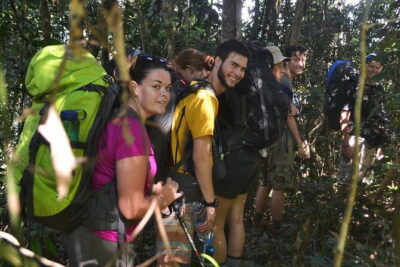
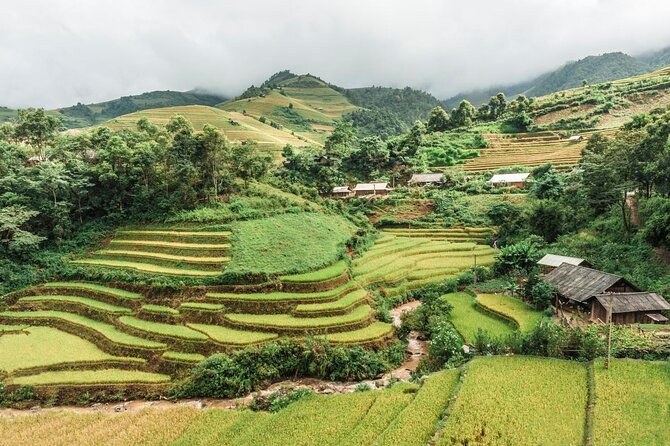
On the way in, the trek begins with a feel-good mix of forest paths. Expect bamboo, old trees, and streams, plus sections that can be colorful with flowers depending on the season and conditions. It’s not just uphill monotony from minute one.
If you’re a solo traveler, you might ride by scooter, while groups typically go by car. Either way, the point is the same: you get delivered to the trailhead without figuring out transport yourself.
The hike itself: what 12 km each way really means
The route is roughly 12 km one way (about 24 km total) with a climb total around 1,600 to 1,700 m. Duration is listed around 10–12 hours of trekking, and the whole day can run closer to 10–13 hours depending on pace and breaks.
This is where having the right guide makes a huge difference. Several guides featured in past trips were described as calm, patient, and focused on safety on steep or slippery ground. One guide was specifically praised for pacing slower hikers and keeping everyone safe when the terrain turned muddy or slick.
A key detail: the climb is not a straight, gentle slope the whole way. The route can stay manageable for a while, then get steep quickly late in the day. One hiker called out that the last third can turn real steep, real fast. So you’ll want to treat this as an all-day grind, not a sprint.
If you’re worried about whether you can handle it, use this as your reality check: you don’t just need stamina. You need comfort hiking with sustained elevation gain. The tour explicitly recommends a strong physical fitness level.
Lunch at about 2,800m: your scheduled reset on the mountain
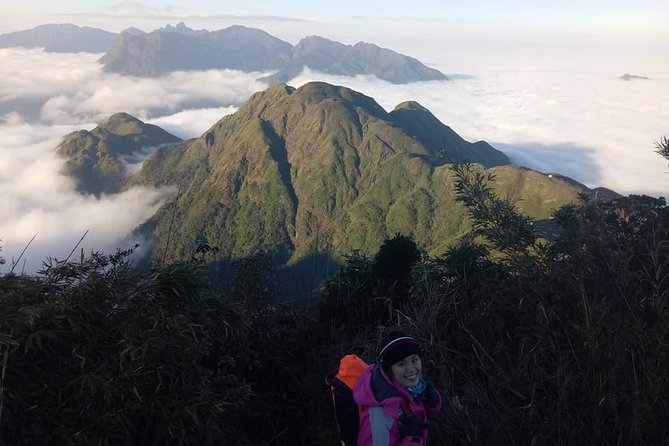
You stop for lunch at around 2,800m, at a campsite area. This is built into the day so you’re not forced to rely on snacks alone for hours.
Lunch is included as a picnic-style meal. In past experiences, guides served what was described as a traditional lunch at the base camp, and at least one group received support for a vegetarian diet, which is a good sign if you eat differently than the average hiker.
You’ll also be thinking about time at this stage. By the time you’re eating around 2,800m, the summit push is clearly coming. That means this meal isn’t just about taste. It’s about energy management so you can keep steady effort instead of burning out early.
And since the tour includes 1.5 liters of water, lunch is a great moment to drink a planned amount rather than waiting until you feel wiped out.
Reaching Fansipan: the summit timing and the view payoff
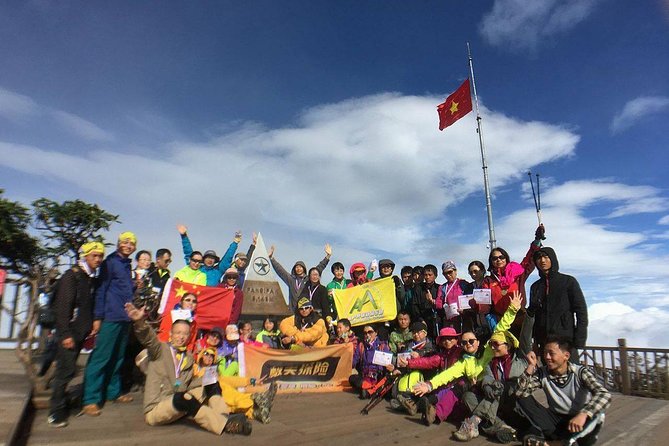
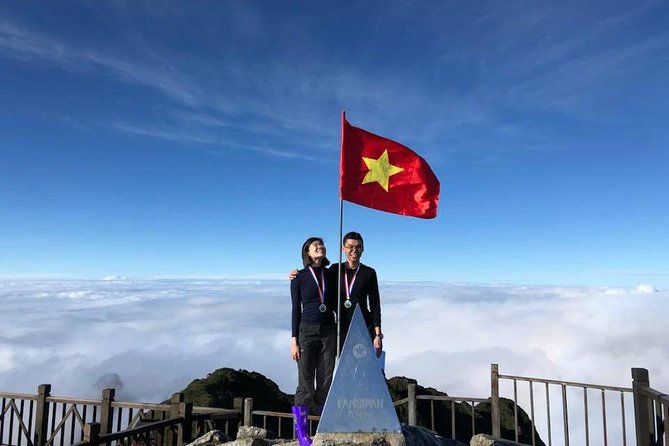
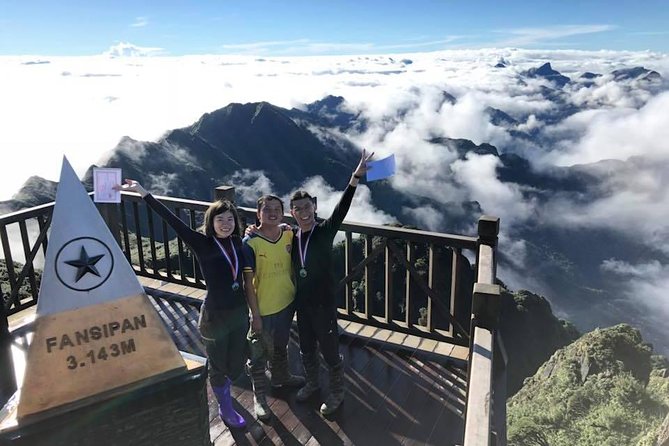
The plan is to arrive near the summit around 12 hours to 13 hours after the start, depending on pace. When you get there, you’re rewarded with views of Sapa town.
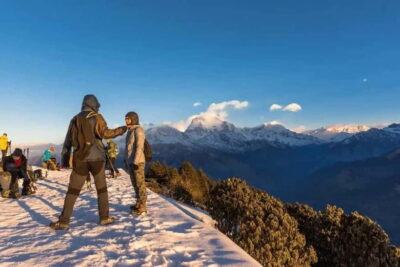
Weather can shape what you see at the top. Some hikers reported clear, amazing conditions, while others hit foggy or cloudy conditions and still felt the trek was worth it. So even if visibility isn’t perfect, the summit still feels like the finish line.
I like that the tour frames this as a summit day, not a casual nature stroll. The timing lines up with that goal, and the guide pacing helps you get there without feeling like you’re being yanked along.
One more practical point: it’s common for summit moments to feel quick. You don’t want to waste your energy circling for photos if you’re cold, tired, or short on breath. A good guide helps you stay focused on safety and timing so you don’t get stuck at the top too long.
Coming down: same trail, or take the cable car back for a fee
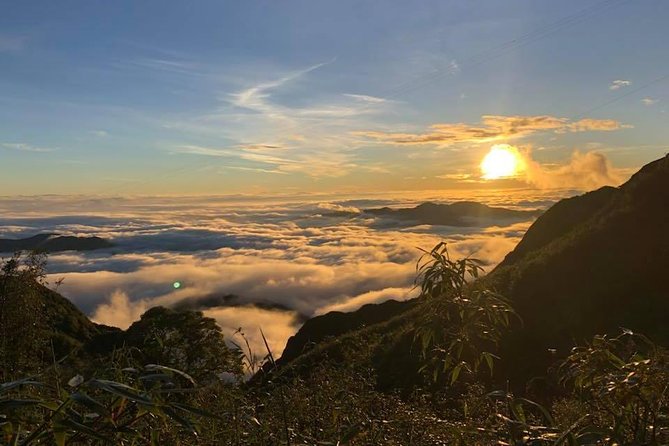
On the way back, you have a choice. You can descend via the same route you used to reach the summit, or you can take the cable car down for a fee.
Both options work, and they change the day’s feel. Walking down keeps you fully immersed in the trail, but it also asks a lot of your knees and legs after hours of climbing. The same-route descent can feel steep late in the day, especially if the ground is slick.
Taking the cable car can make the day more manageable. Past hikers described using it without issues and still feeling like the day was complete, so it’s not seen as a cop-out. Just remember: it costs extra, and tips are also not included.
If you’re the type who wants to finish every step under your own steam, you’ll probably prefer the downhill trek. If you want to save energy for getting back to town comfortably, the cable car option can be a smart trade.
Price and logistics: what $80 buys you on this mountain day
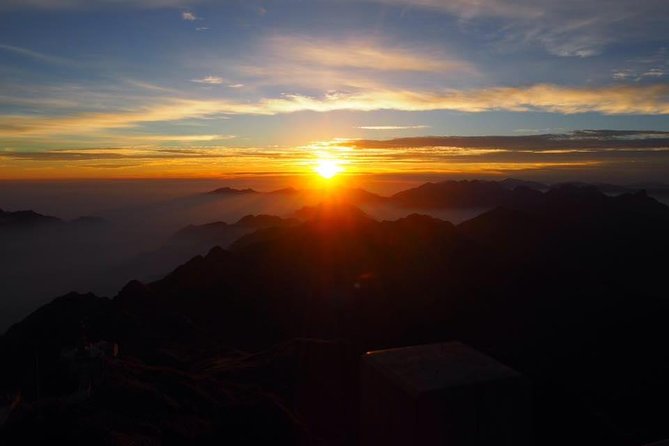
At $80 per person, you’re not just paying for a hike. You’re paying for the setup that makes a steep day doable for most visitors.
Here’s what’s included:
- English-speaking guide
- Transport by car (or scooter if you’re 1 person) to and from the trail area
- Round-trip hotel transfers so you don’t need a taxi
- Picnic lunch
- 1.5 liters of bottled water
- Entrance fees included, plus a medal and certificate
- Insurance
That “everything important is included” part matters on a mountain day. When entry fees and transport are bundled, you spend less mental energy on logistics and more energy on pacing.
What’s not included:
- Tip for your guide
- Personal expenses
- Cable car tickets (if you choose it)
I also like that the operator uses mobile tickets and offers group discounts. If you’re traveling with friends or family and can coordinate timing, it can make the price feel even more reasonable.
The people make the day: guides, pacing, and calm safety
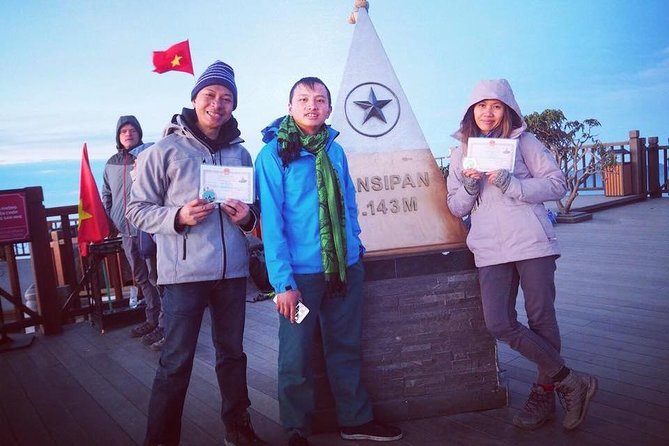
Fansipan is hard, but the day can feel controlled when the guide is steady. Multiple past groups praised guides for being patient and supportive, especially for hikers who weren’t lightning fast.
Names that came up in past trips include:
- Mr Tinh, who organized trips and stayed in communication
- Mr Choo and Mr Cho, described as friendly and patient
- Mr Chay and Sinh, praised for safety focus and pacing
- Ms Ho and Ser, described as professional, cheerful, and helpful on the trail
One guide was noted for adjusting pacing for slower hikers and making sure nobody gets rushed. Another specifically helped people step through slippery or muddy sections. That’s the kind of attention that can turn a stressful day into a confident one.
If you want an authentic mountain experience, you’ll also appreciate that guides can point out what’s around you. At least one guide was described as knowledgeable about flora and fauna and able to share facts even when conditions were foggy.
Who should book this Fansipan 1-day trek?
This is best for:
- People with strong physical fitness
- Hikers who can handle sustained uphill effort and a long day (around 10–13 hours)
- Anyone who prefers a private experience for their own pacing
It may be too much for:
- Casual walkers who want something short and flat
- People who don’t feel comfortable with steep inclines and elevation gain
That said, I wouldn’t automatically reject it just because you’re new to hiking. One past group included a first hiking experience and still reached the top, largely because the guide was patient and the pacing was managed. The real deciding factor is fitness and willingness to take breaks.
Practical tips that match what the mountain demands
These are the habits that tend to help on a long Fansipan day:
- Start the day ready for a steep, long climb. This isn’t a “power through and hope” hike.
- Take the guide’s pacing seriously. When a guide keeps you safe on slippery sections, it’s not just courtesy, it’s strategy.
- Bring a mindset for breaks. Even fast hikers used breaks, and slower hikers were allowed to move at their pace.
- Watch for weather. One trip was described at about 7°C, which is a reminder that conditions can swing on mountain mornings.
- Plan for rain. One past booking mentioned that raincoats were provided and kept, which is exactly the kind of small comfort that helps you stay focused.
So, should you book this 1-day Fansipan trek?
If you want a guided summit hike to the top of Indochina’s highest mountain, with hotel transfers, an English-speaking guide, entry fees included, water, and lunch, this is a strong fit. The value is in the fact that your day is set up so you can focus on effort instead of logistics.
I’d hesitate only if your fitness isn’t ready for about 1,600–1,700m of climbing and a 10–13 hour day. If that feels like a stretch, you’ll likely feel it more than you need to.
For hikers who are truly up for a challenge, the mix of organized transport, steady guiding, and the summit payoff makes booking feel like a logical move.
FAQ
What time does the trek start?
The activity starts at 6:00 am.
How long does the 1-day Fansipan trek take?
The trek is listed at about 10 to 13 hours.
Is hotel pickup and round-trip transport included?
Yes. Round-trip hotel transfers are included, so you don’t need to book a taxi.
Do I need an English-speaking guide?
Yes. The tour includes an English-speaking guide.
What’s included in the price?
Included are the English-speaking guide, picnic lunch, 1.5 liters of water, transport (car or scooter for one person), entrance fees with medal and certificate, and insurance.
Is the cable car included?
No. The cable car is optional and not included; it costs extra.
How tough is this trek?
It’s a hard and difficult day trek aimed at hikers with strong physical fitness. It includes about 12 km one way and roughly 1,600 to 1,700 m of elevation gain.