REVIEW · KATHMANDU
14 Days Everest Base Camp Trek
Book on Viator →Operated by Eco Nepal Trekkers · Bookable on Viator
Everest Base Camp is all business and big views. This 14-day trek mixes real Himalayan walking with good planning. The local team behind Eco Nepal Trekkers, including owner Pemba Tamang and guides such as Prayash, shows up in the organization and the way the days flow.
I especially like the built-in acclimatization rhythm, with Namche Bazaar time plus a Dingboche rest day that includes a hike to Nagarjun Hill. I also like the end-game highlights: Tengboche’s monastery setting, the early push for Kala Patthar (5,545 m), and the arrival days near Gorak Shep and Everest Base Camp.
One consideration: your trip includes trekking permits, staff, and meals on the trail, but travel insurance with high-altitude emergency evacuation coverage is not included. That is the one thing you should plan early, before you ever land in Nepal.
In This Review
- Key things to know before you go
- First night in Kathmandu: Thamel setup for a Lukla launch
- Kathmandu to Lukla to Phakding: the day you feel the altitude coming
- Namche Bazaar: acclimatization done the right way
- Tengboche monastery day: big sunrise energy in a sacred setting
- Dingboche and Nagarjun Hill: rest day that still moves your body
- Lobuche to Gorak Shep: stepping toward Everest Base Camp
- Kala Patthar and the Pheriche return: the highest-feeling payoff
- Back toward Namche and Lukla: finish strong, don’t rush
- The return to Kathmandu: timing depends on flights and weather
- What’s included in the $2,200 price—and what it means for value
- The kind of trip Eco Nepal Trekkers runs: organization with human support
- Who should book this Everest Base Camp trek?
- Should you book? My practical take
- FAQ
- Where does the trek start and end?
- How long is the Everest Base Camp trek?
- What flights are included in this package?
- Is airport pickup included?
- Are permits included?
- Do I get a guide and porter?
- What meals are included?
- What’s included in Kathmandu?
- What do I need to pay for that’s not included?
- What kind of fitness level is required?
Key things to know before you go
- Private trek feel (your group only) with a licensed, experienced trekking guide
- Local leadership that has a track record, including owner Pemba Tamang and guides like Prayash mentioned in past treks
- Real acclimatization stops at Namche Bazaar and Dingboche, not just “walk more”
- Big moment route items: Everest View Hotel, Tengboche monastery views, Kala Patthar panorama, and Everest Base Camp via Gorak Shep
- Porter support during the trek (a porter for two clients), which helps you keep the load manageable
- Included logistics that add value: Kathmandu hotel nights, airport pickup, domestic flights (LUK–RMH–LUK), permits, and meals on the trek
First night in Kathmandu: Thamel setup for a Lukla launch
Most Everest Base Camp treks start with a little chaos. This one starts with something calmer: an airport pickup and a transfer to a convenient hotel in Thamel, with time to wander local shops and restaurants before the trekking prep days begin.
Two nights in a 3-star hotel are included (twin sharing, breakfast included). That matters because you’re not just paying for a bed—you’re paying for a buffer. You’ll have time to confirm your clothes and gear, handle medication needs, and sort out your daypack versus what goes with the porter during the trek.
If you want the practical version of Kathmandu: keep it simple. Eat foods you know you’ll tolerate, hydrate, and try to sleep. The Lukla flight days can feel like a hard start, even if your schedule is well-run.
You can also read our reviews of more tours and experiences in Kathmandu.
Kathmandu to Lukla to Phakding: the day you feel the altitude coming
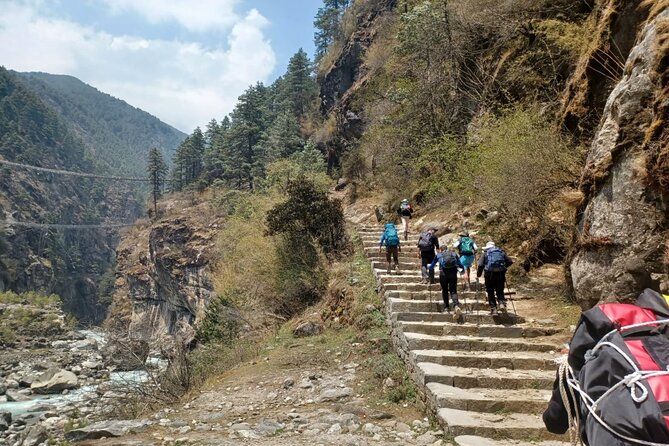
On day 2, the trip switches from city logistics to mountain logistics quickly. You drive from Kathmandu to Manthali in Ramechhap (about 4–5 hours), then fly to Lukla (about a 20-minute flight). It’s a common style for this region because it saves you a long road slog, and it drops you into trekking territory fast.
After the flight, you begin today’s walking in the Phakding area. The goal here isn’t heroics. It’s getting your legs moving, learning how your pack feels at altitude, and starting to settle into your guide’s pace. Even when the day sounds “easy” on paper, your body may feel different once you’re in the higher air.
The good news: day 2 is short on stress and long on momentum. You’ll likely come in with nerves, and by the end of the day you’ll have that familiar trekking sense of progress.
Namche Bazaar: acclimatization done the right way
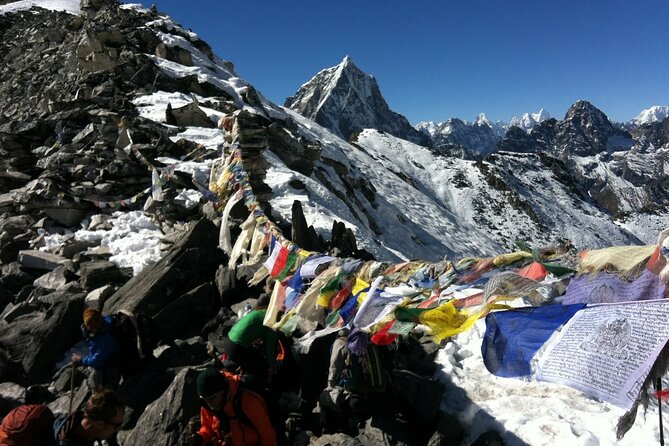
Namche Bazaar is the gate into the Everest region, and it’s also where the trek turns from scenery into strategy. Day 3 includes a tough-but-rewarding climb toward Namche, passing through Sherpa communities like Benkar and Chumoa. You also go through Monjo, the Sagarmatha National Park entrance, so you’re not just walking—you’re stepping into a protected region with a real management system.
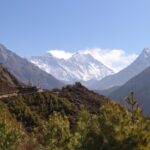
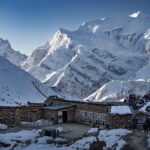
This is also where you’ll feel how much “altitude planning” matters. The next day (day 4) is a classic acclimatization move: you stay in Namche and walk up to the Everest View Hotel area for wide views of Ama Dablam, Thamserku, Everest, Nuptse, and more. That 360-degree style of panorama is the kind of moment that makes the previous climb feel worth it.
Practical tip for you: treat Namche like a training ground for good habits. Slow steps, steady breathing, and drinking water throughout the day helps more than racing the trails. If you’re carrying a water system, keep it simple and easy to access.
Tengboche monastery day: big sunrise energy in a sacred setting
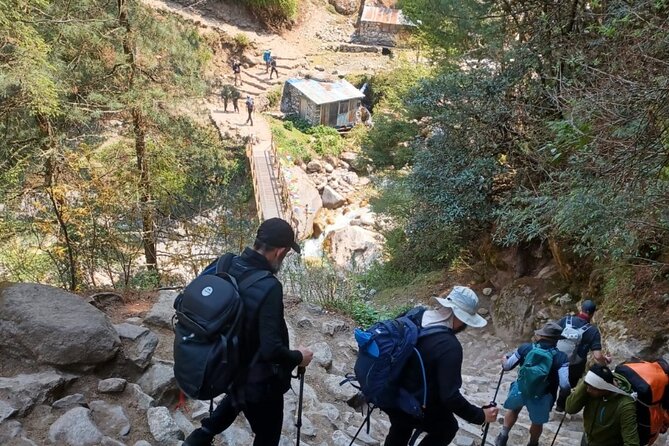
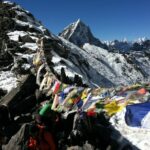
Day 5 heads to Tengboche with a more relaxed pace and fewer steep sections, which can be a gift for photographers. The route gives you repeated chances to catch prayer flags, stupas, and views of Ama Dablam.
Tengboche is a highlight for more than one reason. You’re arriving at a revered place with an ancient monastery, and the day is framed by the idea that sunrise and sunset views of Everest can be seen here. Even if the weather shifts, the monastery setting is memorable on its own.
This is also a nice mental shift day. After earlier climbs and acclimatization, you get walking that feels more like a “moving break.” That’s the kind of balance you want on an expedition-length trek.
Dingboche and Nagarjun Hill: rest day that still moves your body
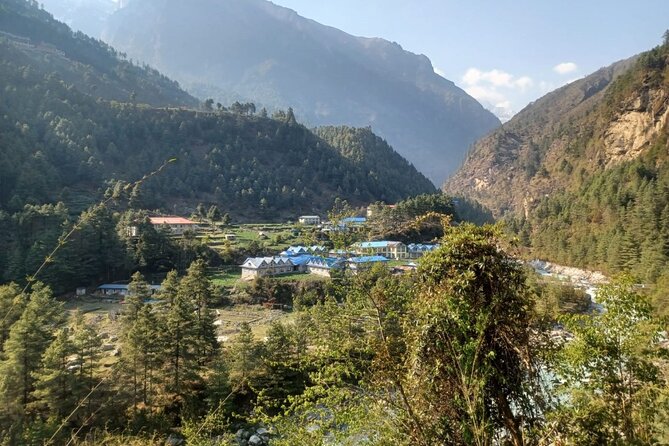
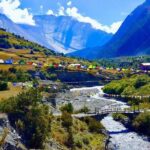
On day 6, you continue uphill to Dingboche. The trail passes scenic settlements like Pangboche with views of Mt. Ama Dablam, plus chortens and mani walls. This is a day where the cultural details are right on the walking route, not added later.
Day 7 is your rest and acclimatization day. You take it easier, but you don’t go fully inactive—you do a quick walk to Nagarjun Hill (5,100 m). You’re rewarded with stunning views afterward, which is exactly what a good acclimatization day should do: it’s both physiological and motivational.
For you, the key is how you handle effort. “Rest day” doesn’t mean you go off-menu. Follow your guide’s pace, keep your breathing calm, and don’t turn it into a race just because you feel good. This is where many people either lock in strong rhythm—or overdo it and pay later.
Lobuche to Gorak Shep: stepping toward Everest Base Camp
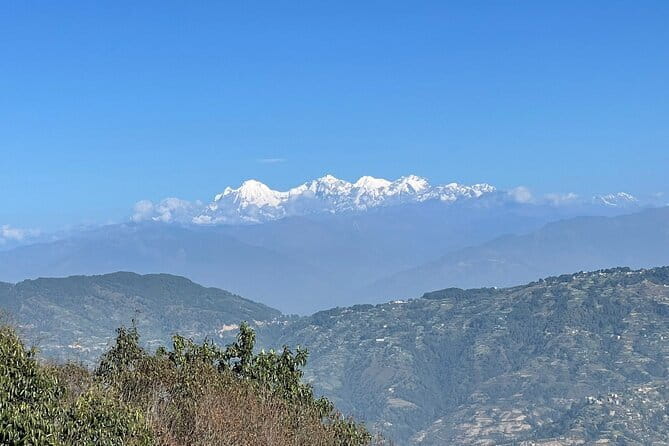
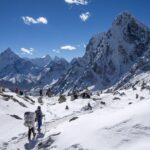
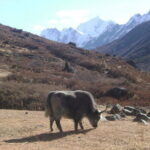
Day 8 moves you toward Lobuche and includes a gradual ascent through alpine brush and yak pastures. The views from the valley floor include Ama Dablam, Tawoch, and Cholotse. After a few days at higher elevations, the scenery can blur together unless the day gives you clear points of focus—and this one does.
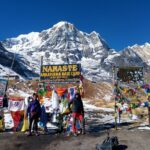
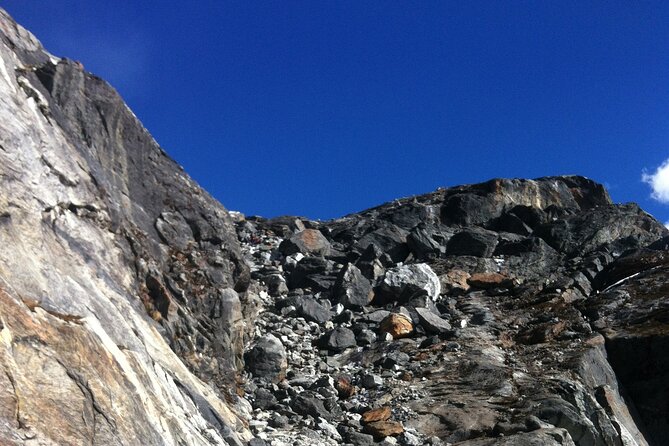
Day 9 is the “arrival” energy day. You reach Gorak Shep, which sits on the lateral moraine of the Khumbu Glacier. That detail matters because it explains what you’re standing on: glacial leftovers shaped by massive ice movement. Then you continue toward Everest Base Camp.
This is one of the best parts of the entire trek because it’s specific. You’re not just “near Everest.” You’re at the place trekkers aim for, in a setting shaped by ice, wind, and altitude. The feeling is often a mix of awe and fatigue—great combo for remembering why you’re here.
Kala Patthar and the Pheriche return: the highest-feeling payoff
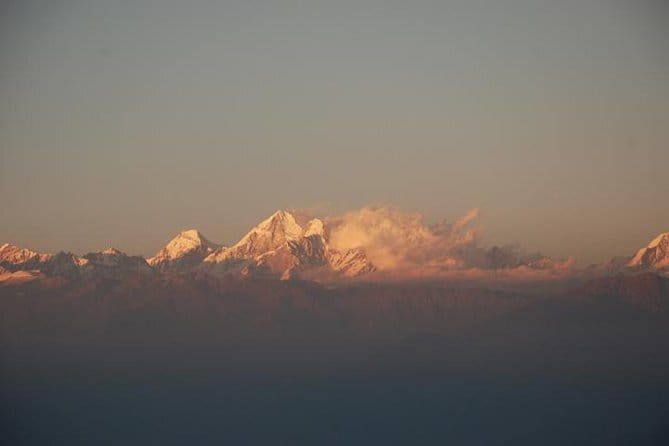
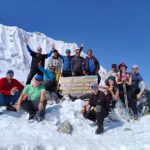
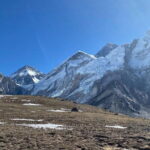
Day 10 is an early start for the walk to Kala Patthar (5,545 m), the trek’s highest point on this route. You set out before dawn and chase a 360-degree panorama that includes Everest, Nuptse, Lhotse, Ama Dablam, and more.
If you’ve ever wondered whether sunrise views are worth the early cold wake-up: this is where your answer comes from. You’re working for a view that can feel almost unreal because it’s so wide and because you’re above the usual trekking line.
After Kala Patthar, day 10 continues to Pheriche. This is an important reset moment. The highest point day is the day you need extra patience with your body. Keep your steps steady on descent, and don’t rush the last miles just because you’ve “earned” the view.
Back toward Namche and Lukla: finish strong, don’t rush
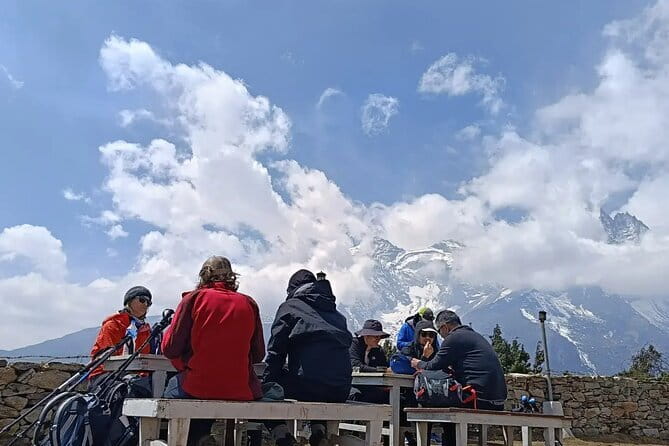
Day 11 begins the descent toward Namche Bazaar, with a long walking day and some uphill stretches even though you’re headed lower. You’ll see restoration of forests and flora revitalizing the scenery, which can feel like a welcome change after days of higher, harsher terrain.
Day 12 continues back to Lukla and marks the end of hiking. Once you arrive in Lukla, you relax and have a night’s sleep—exactly what your body needs after the last stretch.
For you, the biggest risk on the way back is impatience. People often feel better on descent and then overdo it. The trick is to keep the same calm pace you used earlier. Your legs are tired, and altitude fatigue doesn’t always disappear just because the trail declines.
The return to Kathmandu: timing depends on flights and weather
Day 13 returns you toward Kathmandu by flight availability and weather. After you leave the Khumbu region, you either fly to Kathmandu or to Manthali Airport for the final return. It’s good to know the schedule can flex.
You also get time to shop in Kathmandu, which is a nice way to bring the trek back into normal life. If you like practical souvenirs, this is where you’ll find them.
Day 14 is a departure day with a staff member transfer to the airport about three hours before your scheduled departure. It’s one of those “small” details that makes the last day less stressful.
What’s included in the $2,200 price—and what it means for value
This trek costs $2,200 per person. On a value level, what stands out is that the price includes many items that often get tacked on later for Everest routes.
You get:
- Airport pickup and drop-off via private vehicle
- Domestic flight ticket (LUK–RMH–LUK) plus domestic airport tax
- Two nights in Kathmandu at a 3-star hotel (twin sharing, breakfast included)
- Meals during the trek: breakfast, lunch, and dinner
- Permits: Sagarmatha/Everest National Park and TIMS
- A licensed guide and a porter (porter assigned to two clients)
- Farewell dinner in a typical Nepali restaurant
- Achievement certificate
- Staff expenses handled by the operator
What you still need to budget for:
- Nepal entry visa fee and your international flights
- Travel insurance, specifically high-altitude emergency evacuation coverage
- Personal trekking gear
- Meals in Kathmandu (lunch and dinner)
- Hot shower, WiFi, and drinks/extra beverages bills during the trek
- Tips for your guide, porter, and driver
To judge whether this is good value for you, compare what’s included versus what’s not. If you already have insurance that covers high altitude and you’re okay with bringing your own gear, the package looks solid. If you still need to buy insurance and a big chunk of equipment, add that to your budget now so there are no surprises later.
The kind of trip Eco Nepal Trekkers runs: organization with human support
The best praise here isn’t about slogans. It’s about how support shows up when you’re tired, cold, and trying to get it right.
In past feedback, people highlighted that the company is organized, with strong customer care. The owner, Pemba Tamang, is mentioned in responses for customizing treks and taking care of everything. A guide named Prayash appears as someone who helped trekkers through the trek. Past notes also praise the selection of lodges and day trips as a good match for the route.
That matters because Everest Base Camp isn’t just a walk. It’s a chain of logistics: permits, daily pacing, lodge choices, and how you move from one altitude band to the next. When that chain is handled well, you spend more energy on the actual experience—and less on problem-solving.
Who should book this Everest Base Camp trek?
This plan fits you if you want a guided, private-feeling trek with real acclimatization. The fitness level is described as moderate, and the route is paced with acclimatization days rather than nonstop pressure.
You might want a different style if:
- You’re not prepared for altitude and long walking days.
- You cannot arrange proper high-altitude emergency evacuation insurance.
- You expect included drinks, WiFi, or hot showers during the trek (those aren’t included).
If you like clear structure, appreciate a licensed guide, and want to reach Everest Base Camp plus Kala Patthar, this itinerary matches that goal.
Should you book? My practical take
I’d book this trek if you want a well-run Everest Base Camp journey that includes the big logistics up front: flights via Lukla, permits, guide support, porter help, and meals on the trail. The route also pays attention to acclimatization with Namche and Dingboche, which makes a difference on a trek this high.
I’d hesitate only if you still need to sort out travel insurance with high-altitude emergency evacuation coverage. For me, that’s not a detail—it’s the one safety piece you should not treat casually.
If you’re ready to walk, take it steady, and accept that weather can influence flights on the way back, this is a strong option for reaching Everest Base Camp with confidence.
FAQ
Where does the trek start and end?
The trip starts in Kathmandu, Nepal. You trek in the Khumbu region and return to Kathmandu for your final night and departure day.
How long is the Everest Base Camp trek?
The duration is listed as about 14 days.
What flights are included in this package?
Domestic flights are included, listed as LUK–RMH–LUK, plus domestic airport tax.
Is airport pickup included?
Yes. Airport pick up and drop off are included via private vehicle.
Are permits included?
Yes. Permits for Sagarmatha/Everest National Park and TIMS are included.
Do I get a guide and porter?
Yes. The trek includes an experienced licensed trekking guide, and a porter is available to carry your luggage. The porter is assigned to two clients.
What meals are included?
During the trek, breakfast, lunch, and dinner are included. Lunch and dinner meals in Kathmandu are not included.
What’s included in Kathmandu?
You get 2 nights in a 3-star hotel in Kathmandu on twin sharing with breakfast.
What do I need to pay for that’s not included?
Not included items include the Nepal entry visa fee, international flights, travel insurance (including high-altitude emergency evacuation coverage), personal trekking gear, drinks and beverages during the trek, and tips.
What kind of fitness level is required?
The trip notes a moderate physical fitness level requirement.