REVIEW · KATHMANDU
Manaslu Circuit Trek – Untouched trail
Book on Viator →Operated by Trek Around Himalayas Pvt. Ltd. · Bookable on Viator
A trek through the Manaslu feels like finding a quieter Himalaya. I love how the Manaslu Conservation Area keeps things wild—glaciers, high lakes, forests, and Gurung villages—without turning the trail into a theme park. I also appreciate how Bimal and the team keep logistics smooth so you can focus on the trail. One real consideration: it is a serious high-altitude trek with long walking days, so you’ll want that moderate fitness level before you go.
This tour is designed as a private experience, so you’re not sharing the main rhythm with strangers. You get tea-house lodging on the trek, meals are built in, and you’ll also handle Kathmandu orientation first so the mountains feel like the natural next step. Just remember some things are on you—like Nepal visa, international airfare, and tips—so plan a little extra beyond the base price.
In This Review
- Key highlights before you pack
- Manaslu Circuit Trek: what untouched wilderness means in real life
- Price and logistics: where your $1,350 goes
- Kathmandu warm-up days: Durbar Square to UNESCO temples
- Days 3–4: Soti Khola and Machha Khola, where the trek truly starts
- Days 5–7: Gurung villages, rivers, and the first big mountain sightings
- Day 8 acclimatization in Samagaon: the quiet day that makes the pass safer
- Days 9–10: Samdo and Dharmashala, edging toward high alpine terrain
- Day 11: Larkya La (5,160m) and the long-view day
- Day 12: leaving Larkya behind, descending into Annapurna Conservation Area
- Day 13: wrapping the trek and choosing your own Kathmandu time
- Wildlife, birds, and why this conservation area matters
- Who this trek suits best (and who should rethink it)
- Should you book this Manaslu Circuit Trek?
- FAQ
- How long is the Manaslu Circuit Trek?
- Where does this trek begin and end?
- What is included during the trek?
- Are Nepal visa and international airfare included?
- Is tipping included?
- What permits are handled for the trek?
- What altitude do you reach on Larkya La?
- Is there an acclimatization day?
- Are Kathmandu entrance fees included?
- What happens if weather is poor?
Key highlights before you pack
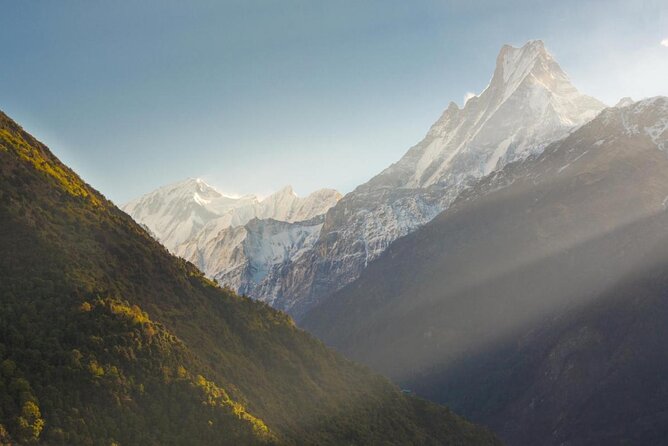
- Untouched-feeling route in the Manaslu Conservation Area: glaciers, rivers, pastures, and dense forests
- Larkya La crossing at 5,160m: big panorama day with views of multiple peaks
- Acclimatization built in at Samagaon: a full day to adjust and explore
- Tea-house trekking with included meals: predictable costs once you’re on the trail
- Wildlife and birds in one protected area: snow leopard, blue sheep, Himalayan tahr, plus named bird species
- Efficient, friendly support from Bimal and an English-speaking guide: helpful for timing and requests
Manaslu Circuit Trek: what untouched wilderness means in real life
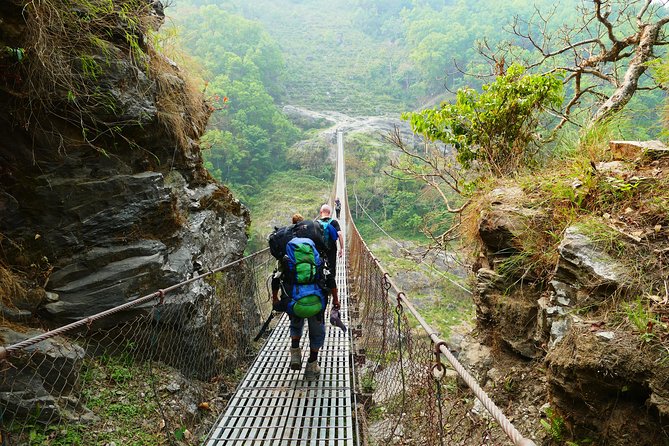
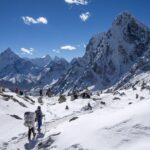
The Manaslu Circuit is one of those treks where the scenery does not need extra marketing. You walk through protected terrain in the Manaslu Conservation Area, which covers 1,663 km². And it shows—because you’re surrounded by glaciers, high-latitude lakes, rivers, pastures, and dense forest rather than just a line of views.
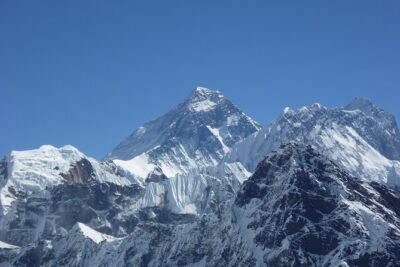
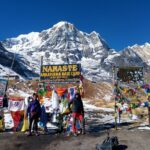
The mountain pull is obvious: Mount Manaslu (8,163m) is the star. But along the way you’ll also catch strong looks at Mount Annapurna, Ganesh, Langtang, plus other peaks in the Annapurna region once your route shifts.
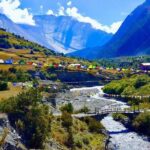
One thing I like about this version of the circuit is that it includes enough village life to keep the trek human. Gurung villages, mani stones, chortens, farm fields, and gompas break up the altitude grind in a way that feels authentic, not staged.
You can also read our reviews of more tours and experiences in Kathmandu.
Price and logistics: where your $1,350 goes
At $1,350 per person for about 13 days, the value comes from what’s included on the ground. Your trekking package covers tea-house accommodation, breakfast/lunch/dinner, ground transportation, and the required paperwork like TIMS plus Manaslu-related permits (the tour lists Mcap/Acap permits and TIMS). You also get an English-speaking trekking guide and an emergency rescue service arrangement.
You’re not left to figure out the first day in Kathmandu either. There’s airport pick-up and drop-off, plus Kathmandu valley sightseeing during the start of the trip. The itinerary also notes a mobile ticket, which helps keep things straightforward.
Here’s what you should budget separately. Nepal visa and international airfare are not included. Hot shower and drinking water are listed as personal expenses, and tipping for guide/porters and others is also not included. Emergency rescue service is arranged, but emergency rescue cost is not included—so it’s worth having travel insurance that can handle mountain rescue costs if you’re able.
Also keep in mind this is a private tour/activity. Only your group participates, which can be great for pacing and decision-making. It does mean you should be sure your group’s hiking style matches your own.
Kathmandu warm-up days: Durbar Square to UNESCO temples
Before you step onto the trail, you get a Kathmandu reset that feels practical. Day 1 starts with Kathmandu Durbar Square. You land at Tribhuvan International Airport, clear immigration, meet the company representative, then get transferred to your hotel by private vehicle. After that, you have time to get acquainted, rest, and do trekking prep and shopping.
Day 2 keeps the cultural tone with UNESCO sites, including Boudhanath, Pashupatinath, and Monkey Temple. You’ll likely spend about 5 hours here. One key detail: admission tickets for Day 2 are not included in the itinerary notes, and the broader info also says entrance fees in Kathmandu sightseeing spots aren’t included. So bring some small cash and don’t assume every gate is already paid.
These two days matter more than they look. Kathmandu can be intense, and a guided start helps you avoid spending your energy on logistics instead of adjusting to Nepal. Plus, by the time you hear birdsong and yak bells on the trail, you’ll already feel oriented.
Days 3–4: Soti Khola and Machha Khola, where the trek truly starts
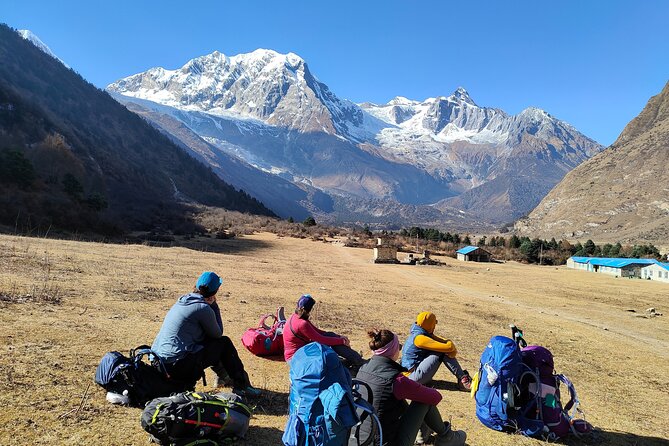
Day 3 is your first real trekking day on the route from Soti Khola toward Machha Khola. The itinerary calls out the shift from about 700m up to around 869m, with a typical 6–7 hours trekking window. You’ll also walk through Gurung villages, with named stops like Lapubesiu and Khanibasi mentioned along the way.
I like this stage because it’s not just uphill. It’s cultural immersion in motion: you see daily village life while your legs start learning the trail rhythm. The terrain is still hilly, but it’s a strong on-ramp.
Day 4 continues the climb as you move toward Machhakhola at 1,340m. Expect around 6 hours. This is also where you get a chance to soak the fatigue a bit, because the itinerary specifically mentions a hot spring in Khola Besi. After days 1–2 of Kathmandu walking, that kind of recovery pause can be a big deal.
Days 5–7: Gurung villages, rivers, and the first big mountain sightings
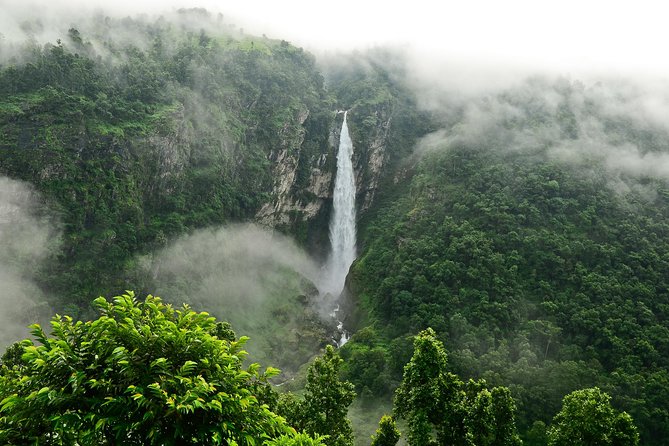
Day 5 routes you via Philim and then through cultivated lands toward Ekle Bhattai. You cross the Budi Gandaki River, walk through bamboo forest, cross again, and end the day in the village of Deng. It’s about 6 hours. Bamboo forests can feel strangely cool compared to open slopes, so even a short break under trees can help your mood.
Day 6 continues with more of the valley feel. You cross the Budi Gandaki again and enter the Budi Gandaki valley. You’ll trek via Prok village while looking at Mount Siringi, then keep moving upstream. The itinerary highlights that you’ll cross the river several times before reaching Namrung for overnight, again about 6 hours.
This “river-crossing” pattern matters. It changes the walking texture—short descents, quick crossings, then climbs. It also means you’ll be constantly adjusting your footing, which is one of the best ways to stay alert on mountain trails.
Day 7 is a scenic turning point. From Namrung, you continue with views of Mount Ganesh, Siringi, and Himchuli. The route passes through Lihi village, then Sho, then Lho. Lho is where you can get magnificent views of Manaslu, plus you explore Ribung Gompa. From Shyala you’ll see dramatic views of Himchuli, Peak 29, Manaslu, and many snow-capped peaks before trekking onward to Samagaon.
If your camera battery is always dying on hikes, this is the day to plan better. There’s a lot of “pause and look” built into this itinerary.
Day 8 acclimatization in Samagaon: the quiet day that makes the pass safer
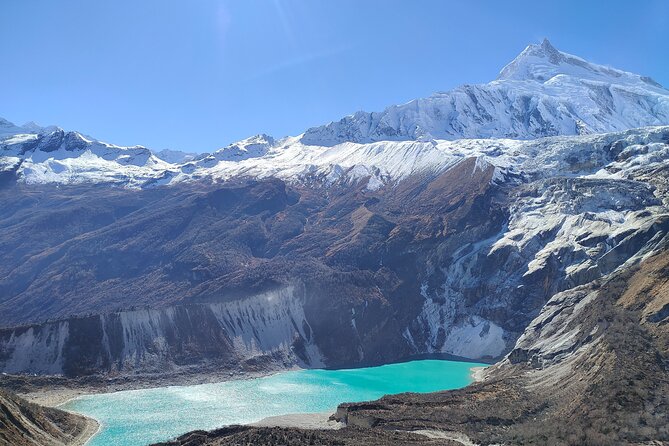
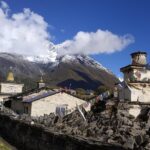
Day 8 is set aside for acclimatization in Samagaon. It’s about 5 hours and focuses on the village itself. The itinerary notes thousands of mani stones around the area, and that the village is mostly inhabited by Sherpa community.
Later, you visit Pungyen Gompa with your guide, who shares stories about the village and the mountains. This kind of guided context matters because it turns a stop into understanding. You start noticing patterns in the terrain and learning what matters to locals in these high valleys.
Even if you feel fine on Day 7, I’d treat Day 8 like a gift. Acclimatization days are there for a reason, and wasting them tends to show up later. Use the time to rest, hydrate, and keep your breathing calm.
Days 9–10: Samdo and Dharmashala, edging toward high alpine terrain
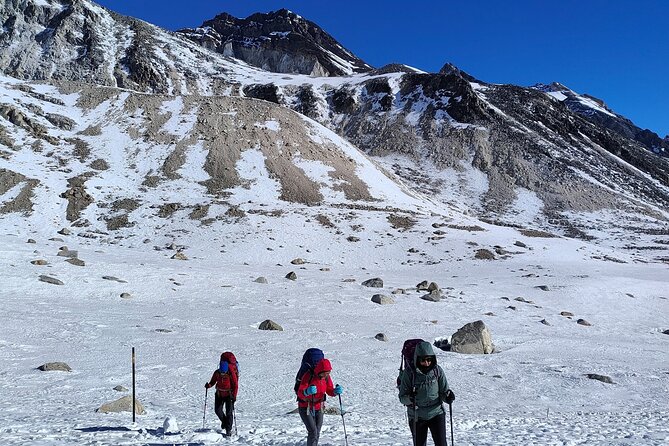
Day 9 moves you from Samagaon toward Samdo through birch and juniper forest. You pass Kermo Kharka alpine grassland and cross the Budi Gandaki on a wooden bridge. You arrive in Samdo for overnight after about 5 hours.
This day tends to feel more open than earlier forests. When you step into alpine grassland, the wind can change fast. And wooden bridges mean you’ll likely slow down more than you expect.
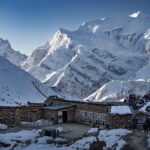
Day 10 takes you around the Salka Khola valley while gazing at Larkya glacier. You then trek onward to Dharmashala, described as a stone-made hut, for overnight. It’s about 5 hours. This is a threshold day: you’re moving into a more stark, glacier-influenced environment.
Day 11: Larkya La (5,160m) and the long-view day
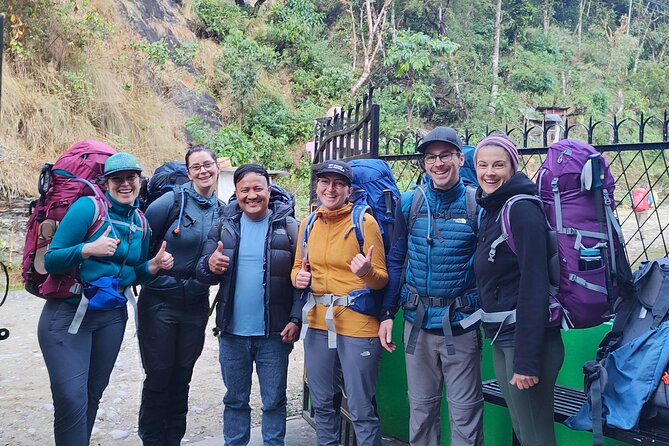
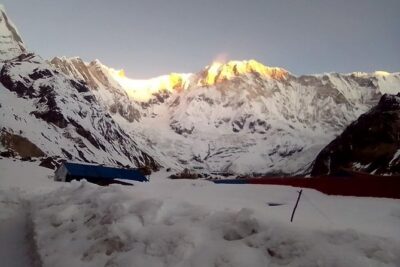
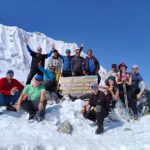
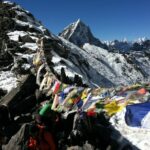
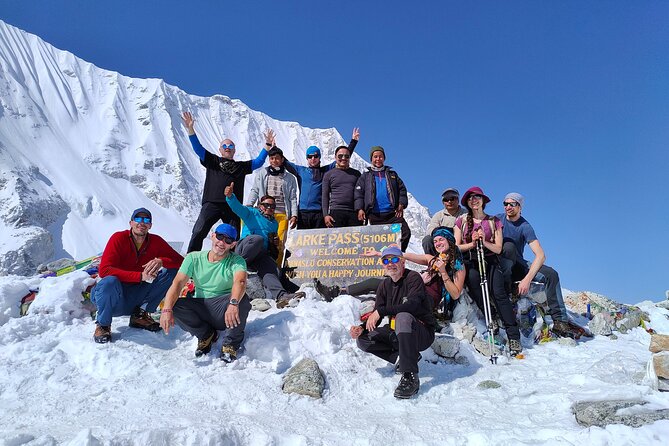
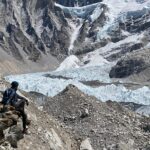
Day 11 is the big one. You trek through the moraines of the glacier, then reach Larkya La pass at 5,160m. From the pass, the itinerary lists stunning views of Larkya Peak, Himlung, Cheo, Kangguru, and bold Annapurna II. After crossing, you continue to Bimthang and overnight there, with Bimthang described as glowing gold.
The length is longer too: the itinerary puts it at about 9 hours. That’s a day where pace and footing matter more than speed. If the weather turns, you’ll be glad you built acclimatization earlier in the week.
And here’s the practical part: high passes are weather-sensitive. The tour notes that the experience requires good weather, and in poor conditions you’ll be offered another date or a full refund. So don’t treat forecasts as optional; treat them as part of the trip.
Day 12: leaving Larkya behind, descending into Annapurna Conservation Area
After the pass, Day 12 becomes a “descend and recover” day. You go through Sangure alpine meadow, cross the Dudh river, and on the way you can see dramatic views of Manaslu, Lamjung, Himlung, and Cheo. Then the route goes through rhododendron forests and farm fields to Gho, and continues to Dharapani for overnight.
The itinerary says you step into the Annapurna conservation area on this day. That’s a nice detail because it means the ecology and vegetation feel like a shift, not just a continuation.
You’re still hiking about 5 hours, which is manageable compared to the pass day. This is also a good day to keep your energy for what comes next—because Day 13 brings you back to Kathmandu.
Day 13: wrapping the trek and choosing your own Kathmandu time
Day 13 returns you to Kathmandu with Kathmandu Durbar Square as the stop. The itinerary notes that you’re free after finishing the trek and you can choose where to go and where to stay afterward. It also lists admission ticket included for this stop and a 10-hour day window.
Keep your expectations simple. Some people are ready for a full day of sightseeing right after a circuit trek; others need a slow recovery. Since you have independence at the end, you can decide based on how you feel rather than being rushed.
Wildlife, birds, and why this conservation area matters
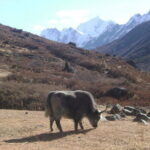
Manaslu Conservation Area isn’t just a scenic label. The tour lists it as home to animals like snow leopard, grey wolf, musk deer, blue sheep, and Himalayan tahr. It also states the area includes 21 species of mammals, 193 species of birds, 587 species of vascular plants, and 2,500 species of flora.
The itinerary even names bird species you might see during the trek, including Variegated laughing-thrush, Grandala, and Northern Goshawk. You can’t rely on spotting wildlife every day, but knowing what the area supports makes your attention sharper. When you see motion in a slope or hear a call from high trees, you’ll have a reference point.
Who this trek suits best (and who should rethink it)
This trek is for you if you like steady progress, long days outdoors, and a route that feels more remote than heavily touristed circuits. The pace is built around day-by-day trekking time blocks—around 5 to 9 hours on most days, with the pass day longer.
The tour also says you should have moderate physical fitness. That’s a good signal that the experience is demanding but not only for elite athletes. Still, if your plan is to stroll while taking photos every 5 minutes, you might find the longer trekking hours frustrating.
It’s also well-suited for small groups who want a private experience. If you value a guide who can handle language, permits, and timing—and you appreciate local storytelling—this package matches that style.
Should you book this Manaslu Circuit Trek?
Yes, if you want the combination of Manaslu views, a high-pass day at Larkya La, and a trail that moves through villages, gompas, and forests rather than only scenic overlooks. The included structure—tea-house nights, meals, permits, and an English-speaking guide—helps you keep your focus where it belongs: on walking and taking in the mountains.
I’d think twice if you don’t want altitude pressure. Even with an acclimatization day at Samagaon, this is still a route that climbs to a 5,160m pass. Also, if you’re trying to keep costs extremely tight, remember visa, airfare, tipping, and some Kathmandu entrance fees aren’t included.
If you do book, plan your packing around layers and weather, and treat rest days and pass-day pacing as part of the itinerary—not optional extras.
FAQ
How long is the Manaslu Circuit Trek?
The duration is about 13 days.
Where does this trek begin and end?
It begins in Kathmandu with sightseeing (including Kathmandu Durbar Square) and ends back in Kathmandu with a final sightseeing stop at Kathmandu Durbar Square.
What is included during the trek?
Tea-house accommodation during the trek, all necessary paper works and permits (including TIMS and Manaslu-related permits listed as Mcap/Acap), an English-speaking trekking guide, emergency rescue service, and meals (breakfast, lunch, and dinner counts are included as listed). Ground transportation as per the itinerary is included too, plus airport pick-up and drop-off and Kathmandu valley sightseeing.
Are Nepal visa and international airfare included?
No. Nepali visa and international airfare are not included.
Is tipping included?
No. Tipping for guide, porters, and others is not included.
What permits are handled for the trek?
The included list says the tour handles special permits (Mc ap/Ac ap permits) and TIMS, along with other necessary paper works.
What altitude do you reach on Larkya La?
Larkya La pass is listed at 5,160m.
Is there an acclimatization day?
Yes. Day 8 includes acclimatizing and exploring the village of Samagaon.
Are Kathmandu entrance fees included?
Entrance fees in Kathmandu sightseeing spots are not included. The itinerary also notes that Day 2 admissions are not included, while Day 1 Kathmandu Durbar Square has an admission ticket included note.
What happens if weather is poor?
The experience requires good weather. If it’s canceled due to poor weather, you’ll be offered a different date or a full refund.