REVIEW · KATHMANDU
Everest Base Camp Trek
Book on Viator →Operated by Mosaic Adventure · Bookable on Viator
Everest Base Camp starts with a tiny airport. This guided trek turns the dream into a step-by-step route with high-altitude pacing, Sherpa hospitality, and real mountain towns like Namche Bazaar. I especially like that round-trip flights to Lukla and tactical acclimatization days are built into the plan. One consideration: it’s physically demanding, and you’ll need strong high-altitude preparation to enjoy it.
You’ll also get real “logistics handled” value. After a morning meeting time of 5:15 am, the trip includes trekking permits arranged for you, plus trek meals and accommodation while you’re hiking.
The group stays small (up to 12 travelers), which matters when oxygen is thin and the pace needs to be right. If weather shifts, you’re still operating, so you’ll want to dress and plan for mountain conditions instead of expecting perfect skies.
In This Review
- Key things I’d put on your shortlist
- Entering Everest Base Camp country with real guidance (and fewer headaches)
- The price question: is $1,445 a good deal for this route?
- From Kathmandu to Lukla: the morning start that sets the tone
- Lukla to Phakding: day one is about rhythm, not speed
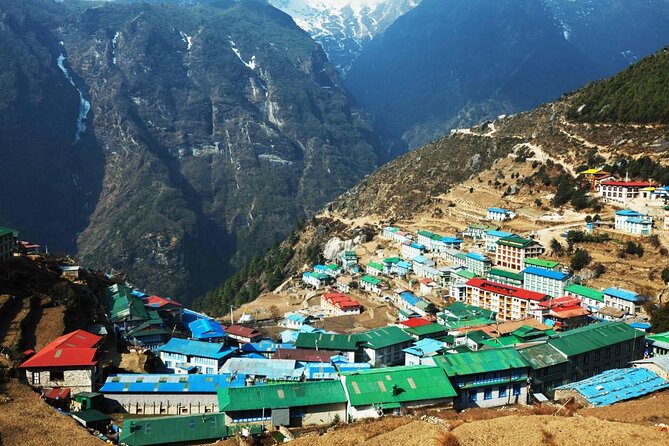
- Namche Bazaar: the town that doubles as your first altitude checkpoint
- Acclimatization day around Namche: Everest View Hotel is your reality check
- A monastery day: culture time in the middle of big-mountain efforts
- Dingboche: when your pace has to start negotiating with altitude
- Lobuche and the push toward the higher plain
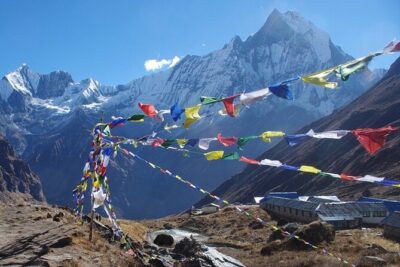
- Day 8: Everest Base Camp approach plus the Gorakshep night
- Kalapatthar on day 9: the viewpoint that costs effort (in a good way)
- The return journey: retracing steps, but not the same experience
- Food, rooms, and what “included” really means at altitude
- Your guide: the real difference between tough and manageable
- The weather reality: you’re moving in all conditions
- Who should book this trek (and who should pause)
- Should you book Everest Base Camp with Mosaic Adventure?
- FAQ
- How long is the Everest Base Camp trek?
- What’s the price per person?
- Are flights included?
- What’s included during the trek?
- What is not included?
- What time does the trip start?
- How many people are in the group?
- Do I need to arrange trekking permits myself?
Key things I’d put on your shortlist
- Lukla flights included: Round-trip from Kathmandu to Lukla means you skip the long, tiring overland approach.
- Permits handled: Your trekking permits are arranged for you, which saves time and avoids paperwork stress.
- Meals and lodging included on the trek: Helps you budget and keeps you focused on walking and adjusting.
- Acclimatization built into the route: Namche and Dingboche add breathing-space days before pushing higher.
- Small group size: A maximum of 12 travelers tends to make guidance easier and quieter.
- Local guidance with real support: Multiple guide names show up in past trekkers’ feedback, and the tone is consistently practical and encouraging.
Entering Everest Base Camp country with real guidance (and fewer headaches)
An Everest Base Camp trek can feel like a choose-your-own-adventure at 5,000 meters—until you add a good guide and support team. This route is organized so you’re not constantly figuring out where to sleep, when to move, or what the altitude is doing to you. That’s not luxury; it’s confidence.
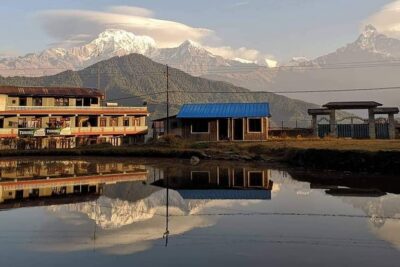
The itinerary threads you through the heart of the Khumbu region: busy mountain hubs, quiet villages, and the final staging area around Gorakshep and the Base Camp approach. You’ll also spend time with local life, not just photos—monastery time and town walks that help the trip feel less like a checklist.
You can also read our reviews of more tours and experiences in Kathmandu.
The price question: is $1,445 a good deal for this route?
For $1,445 per person, the “value” here isn’t just that a guide is included. The big money pieces that you avoid paying separately are the round-trip flights to Lukla and the trek essentials like meals and accommodation during the walking days. Permits are also arranged for you.
What’s not included is equally important: travel insurance, personal expenses, a porter, and tipping. If you’re the type who prefers to travel with a porter for comfort or recovery, you’ll want to budget for that. And you’ll want to treat insurance as a must for a high-altitude trek, not an optional add-on.
If you’re a first-timer to Himalayan trekking, the all-in structure is a plus. It reduces the number of moving parts you have to manage while your body is still adjusting.
From Kathmandu to Lukla: the morning start that sets the tone
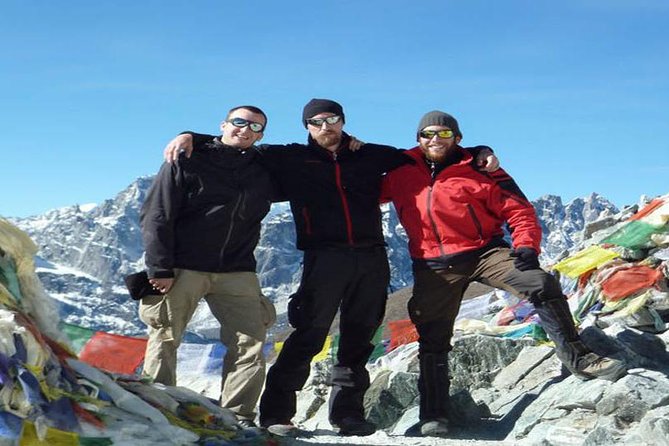
The trip kicks off early, with a 5:15 am start time at the meeting point. That early launch matters because Lukla flights and mountain schedules don’t wait for anyone’s sleep schedule.
Once you get to Lukla, your first walking day is short but purposeful. You’ll fly in, then start the hike to Phakding with about 3.5 hours of trekking—enough time to shake out your legs and get into the rhythm of walking at altitude.
Lukla to Phakding: day one is about rhythm, not speed
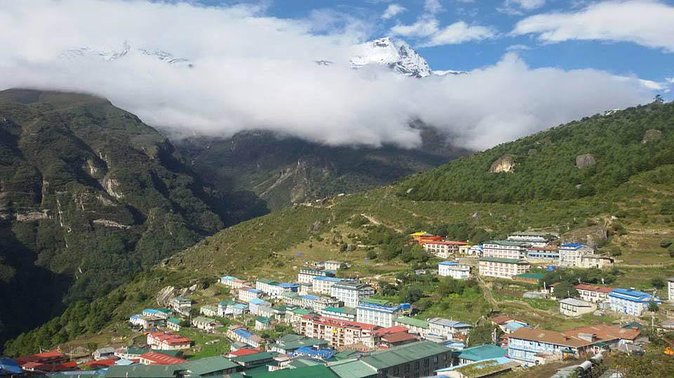
Day 1 is your “settle in” day. You’re moving from the start area toward the first overnight in the Phakding region, with a manageable hiking block. This is where you learn the tempo your body can handle without gasping.
I like this approach because it helps you avoid the common mistake: going too hard on day one just because you can. If you keep your pace easy, day two will feel more reasonable.
Namche Bazaar: the town that doubles as your first altitude checkpoint
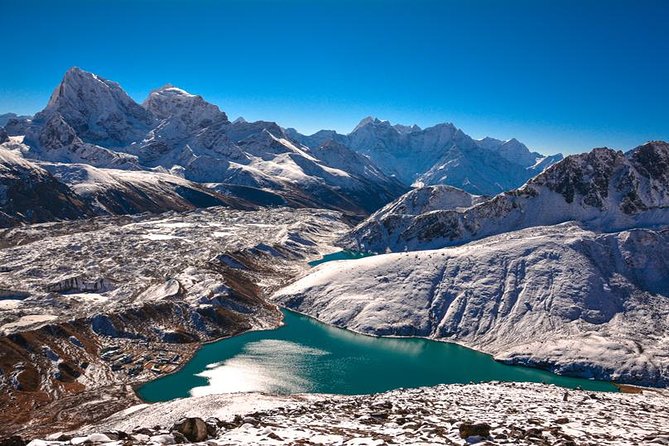
Day 2 hikes you to Namche Bazaar and takes about 8 hours, mostly uphill through rocky and dirty trail sections. Namche is the main hub in the Khumbu area, and it’s where the trip shifts from “getting there” to “living there for a few days.”
This is also where you’ll feel the altitude logic kicking in. Even if your lungs are okay, the effort level climbs quickly at elevation. Build in breaks. Sip water steadily. Keep your pack light if you can.
Acclimatization day around Namche: Everest View Hotel is your reality check
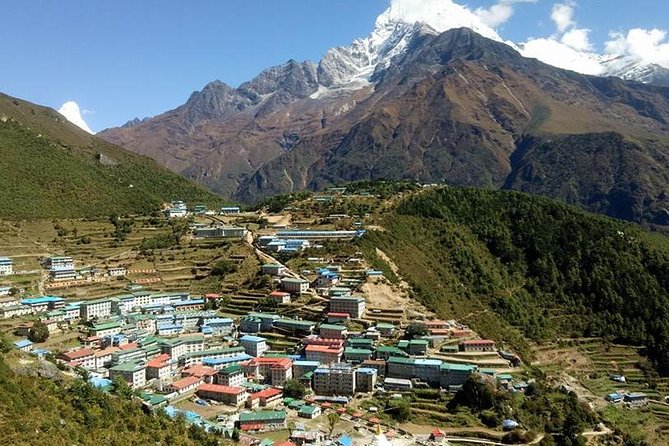
Day 3 is your acclimatization trip around Namche, including time at the Everest View Hotel area. That stop is useful because it gives you a moment of perspective—how the mountains look, how quickly conditions change, and how your body responds to higher points.
This day isn’t a sightseeing free-for-all. It’s a controlled effort day. You’re training your system to adapt while keeping the overall push realistic.
A monastery day: culture time in the middle of big-mountain efforts
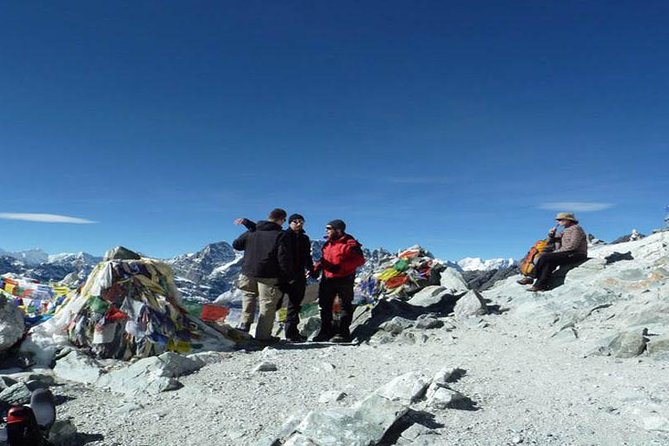
Day 4 is a trip to the monastery. On an Everest trek, it’s easy to fall into “altitude mode,” where every moment is only about breath and calories. A monastery stop acts like a reset button: quieter, reflective, and rooted in the region’s spiritual life.
Even if you’re not religious, it helps you understand what you’re hiking through. You’re not just chasing height; you’re passing through a living culture.
Dingboche: when your pace has to start negotiating with altitude
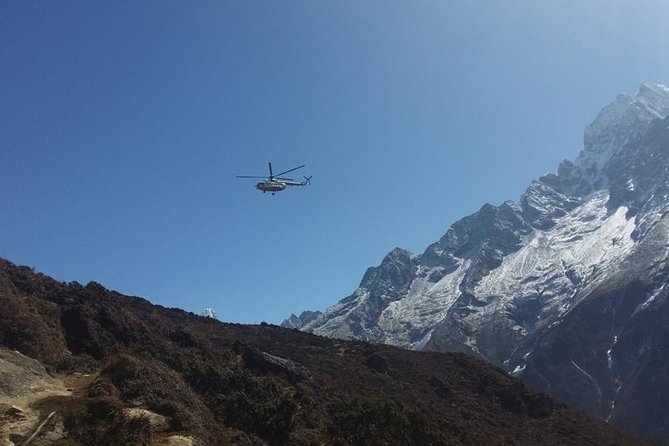
Day 5 takes you to Dingboche and also runs about 8 hours. This is where the route starts feeling more serious. Villages like Dingboche are built for trekkers, but the environment still demands respect—slower steps, more frequent stops, and a focus on staying warm.
Day 6 is another acclimatization day around Dingboche. The purpose here is simple: you’re gaining altitude while giving your body time to catch up. This second acclimatization block is one of the most valuable parts of the whole schedule.
Lobuche and the push toward the higher plain
Day 7 treks to Lobuche. This day is about transition: you’re moving closer to the high camp zones where your breathing feels different even when you’re not exerting that much.
At this stage, I’d treat every stop as part of the plan. If you’re hungry, eat. If you’re cold, layer up. If you’re tired, reduce effort and keep moving gently.
Day 8: Everest Base Camp approach plus the Gorakshep night
Day 8 is the big day for the Base Camp approach, and the plan is to reach EBC and return to Gorakshep. That round-trip structure matters. It keeps you from sprinting forward only to spend the next day wiped out.
From a practical standpoint, this is also when the weather can make or break your experience. If visibility is limited, the day can feel more like a hard walk than a wide-open view day. Still, the sense of place at Base Camp is real even when the sky is stubborn.
Kalapatthar on day 9: the viewpoint that costs effort (in a good way)
Day 9 is a hike to Kalapatthar, then trekking to Pheriche. This is the day you earn the best big-picture moments. Kalapatthar is a higher viewpoint, so it’s not a casual stroll.
I like that the itinerary follows this with a move to Pheriche, which gives you a practical recovery stop after the climb. It’s a smarter pattern than stacking too much high-effort work back to back.
The return journey: retracing steps, but not the same experience
Days 10 and 11 retrace the trail back to Namche Bazaar, then onward to Lukla. This retracing is often overlooked when people plan their Everest dreams. But it’s one of the most useful parts of the trek because your body is already adapted and you can enjoy the route more.
By the time you’re heading back down, you can also notice details you missed earlier: how villages are arranged, how weather shifts between valleys, and what your own energy feels like compared with the first days.
Day 12 is the flight back and transfer to your Kathmandu hotel. After days of walking by necessity, it can feel strange to move so quickly again.
Food, rooms, and what “included” really means at altitude
The trek includes meals and accommodation on the hiking days, with breakfast/lunch/dinner listed for 11 days each. That helps your planning, because you don’t have to hunt for meals while you’re focused on altitude management.
At high elevation, expect basic rooms and simple meals rather than restaurant-style service. Still, included meals are a big advantage because appetite can swing wildly with altitude, and timing matters.
If you have dietary requirements, you’ll want to share them during booking. The trip notes that dietary needs should be advised ahead of time, and that’s your best chance to avoid frustration later.
Your guide: the real difference between tough and manageable
This trip is built around local guidance. Past trekkers’ feedback highlights that guides were responsive, supportive, and willing to adjust pacing and plans when needed. Names that show up include Mosiac Adventure guides like Nima, Madhav, Manoj, Pralhad, and Ngima, plus supporting team members like Raj, Unik, and Laxman.
You should treat your guide like a safety tool, not just a walking buddy. Ask for early guidance on pace, take altitude symptoms seriously, and don’t wait for a crisis to speak up. The best outcome is usually the quiet one: consistent steps, good rest habits, and an itinerary that matches your capacity.
The weather reality: you’re moving in all conditions
The trip operates in all weather conditions, with the reminder to dress appropriately. Translation: you’re not paying for a guaranteed postcard view. You’re paying for a plan that continues in real conditions.
That means layering is not a suggestion. Cold rain at higher elevation can drain energy fast. Pack with the idea that comfort keeps you moving better.
Who should book this trek (and who should pause)
This experience is ideal for fit travelers who have prepared for high-altitude trekking. You should feel comfortable with long hiking days and the idea that some days will feel slower than you expect.
If you’re unsure about your altitude readiness, take your prep seriously before booking. This kind of trek can be rewarding, but it’s not a “weekend active” getaway.
Should you book Everest Base Camp with Mosaic Adventure?
If you want a guided plan with flights, permits, and trek meals handled, this is a strong option. The small group size (maximum 12 travelers) and the built-in acclimatization days at Namche and Dingboche help reduce the guesswork.
I’d book it if you:
- have strong fitness and high-altitude experience or solid preparation
- want your flights to Lukla, trekking permits, and on-trek logistics organized
- prefer supportive leadership and a structured pace
I’d think twice if you:
- need a highly customized, fully flexible schedule (your trek follows a defined high-altitude rhythm)
- haven’t prepared for altitude and expect hiking to feel easy
Bottom line: this trek is for people who want the Everest Base Camp dream with the practical scaffolding in place—so you spend your energy on walking and soaking in the moment, not wrangling logistics.
FAQ
How long is the Everest Base Camp trek?
It’s listed as 12 days (approx.).
What’s the price per person?
The price is $1,445.00 per person.
Are flights included?
Yes. The trek includes round-trip flights from Kathmandu to Lukla.
What’s included during the trek?
Accommodation and meals on the trek are included, and trekking permits will be arranged for you.
What is not included?
Not included are travel insurance, personal expenses, a porter, and tipping.
What time does the trip start?
The meeting point start time is 5:15 am.
How many people are in the group?
There’s a maximum of 12 travelers.
Do I need to arrange trekking permits myself?
No. The trek notes that trekking permits will be arranged for you.