REVIEW · KATHMANDU
Makalu Base Camp Trek
Book on Viator →Operated by Bodhi Tree Tours Travel and Treks · Bookable on Viator
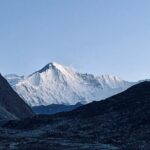
A remote Himalaya trek can change your whole pace. Makalu Base Camp takes you deep into Makalu-Barun National Park, where you’ll walk through forests, cross big passes, and reach the kind of solitude most Nepal routes can’t offer.
I like the fact that the journey is framed around real mountain life, with small settlements and local communities (Rai, Sherpa, and Bhotiya) along the way. And on the people side, the team support has a personal feel, with names like Pujan, David, and Raj showing up in guides and service responses.
What I especially like is how practical the package feels on the ground: you get an English-speaking guide and covered support (including guide/porter insurance), plus real meal structure each day. I also like that the route includes standout high points like crossing Shipton La and Keke La, then pushing up toward Makalu Base Camp and optional glacier views.
The main drawback to plan for is weather and effort. This trek goes high, the pass day is tough, and conditions can slow you down—so you’ll want to be ready for cold mornings and long walking days.
In This Review
- Key things that make this Makalu trek special
- Why Makalu feels quieter than the usual Nepal routes
- Price and logistics: what $1,750 really covers
- Day-by-day feel: entering Makalu-Barun National Park (Days 1–5)
- Day 1: Makalu Barun National Park and first night in a teahouse
- Day 2: Arun River descent, then a steep climb to Seduwa
- Day 3: farms and forest walking
- Day 4: long uphill through forest and meadows
- Day 5: short ridge hikes for acclimatization
- The pass day you plan your whole trek around: Shipton La and Keke La (Day 6)
- Rhododendron forests and valley time (Days 7–8)
- Day 7: rhododendron forests and river valleys
- Day 8: gradual ascent with valley views
- Pushing to Makalu Base Camp (Days 9–10)
- Day 9: the climb to base camp and big Himalayan angles
- Day 10: optional side hikes toward Barun Glacier
- The return: retracing steps and long descent work (Days 11–14)
- Day 11: retrace steps down
- Day 12–13: steady trek days through the middle stretch
- Day 14: long descent
- Day 15: final trek, drive, and flight back to Kathmandu
- Included meals and equipment: how they affect your day-to-day comfort
- Altitude, fitness, and what moderate means here
- Who this Makalu Base Camp trek suits best
- Should you book Makalu Base Camp with Bodhi Tree Tours Travel and Treks?
- FAQ
- Where does the trek start in Kathmandu?
- Are flights included in the Makalu Base Camp trek package?
- Is bottled water included?
- What equipment is provided, and can I request it?
- Which day includes the high mountain passes?
- Is the guide and porter insurance included?
- What if weather cancels the trek?
- Are meals included?
Key things that make this Makalu trek special
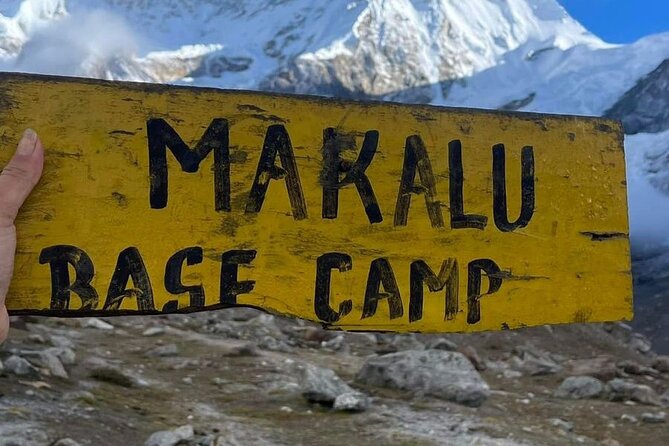
- Quiet Makalu-Barun National Park: fewer crowds, more wildlife potential, and a more peaceful rhythm
- High-pass crossing days: Shipton La (4,170m) and Keke La (4,150m) are no joke
- Real mountain support: English-speaking guide plus insured guide/porter team
- Included flights to Tumlingtar: you’re not dragging the whole journey over land from Kathmandu
- Meals and key fees included: breakfast, lunch, dinner each day (with one menu item covered)
- Equipment on request: sleeping bag, trekking poles, and crampons can be provided if you ask
Why Makalu feels quieter than the usual Nepal routes
Makalu Base Camp is one of those treks that doesn’t feel manufactured for tourism. The big-name trails in Nepal can get busy, especially during prime seasons. Here, you’re moving through a much more remote stretch of the Himalayas where silence is common, and your days feel like walking through protected wilderness rather than following a conveyor belt of hikers.
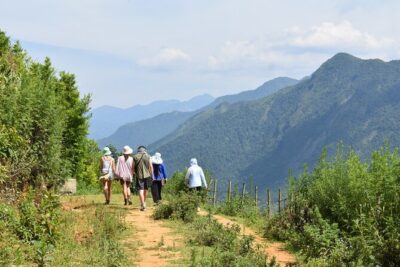
You’ll see the full range of this region: forest trails that start out green and damp, then steeper climbs, and eventually the alpine world where the air gets sharp and views open up fast. The route runs through the heart of Makalu-Barun National Park, which is known for biodiversity. That means you’re not just chasing photos—you’re in an ecosystem where you might spot colorful birds, and where forests and rhododendrons matter just as much as the peaks.
And because you pass through communities like Rai, Sherpa, and Bhotiya, it’s not only about mountains. It’s also about meeting people who live with the altitude, weather, and rhythms of trail life.
You can also read our reviews of more tours and experiences in Kathmandu.
Price and logistics: what $1,750 really covers
At $1,750 per person for an approx. 15-day trek, the first thing to notice is that this isn’t just “a guide walking with you.” You’re paying for a full package of logistics that removes stress before you even start climbing.
Here’s what matters for value:
Flights are included. The trek includes two-way flight tickets from Kathmandu to Tumlingtar (public transportation flights). This is a big deal in Nepal, because it cuts out a lot of long land travel and gets you closer to the trekking start faster than overland routing.
Meals and core fees are included. Breakfast (menu item), lunch (menu item), and dinner (menu item) are covered across the trek days, and all fees and taxes are included. You’ll still need to buy extras like coffee/tea and water, but having the main meal plan handled helps your budget and your daily decisions.
Support is included. You get an English-speaking guide, plus porters (and their daily allowances). Importantly, the guide and porter insurance is included—this is one of those details that signals whether a company runs thoughtfully, not just cheaply.
Equipment can be provided on request. Sleeping bags, trekking poles, and crampons are provided if you request them. That can save you hassle and rental costs, but you’ll want to confirm timing so you’re not scrambling last minute.
What’s not included is also important:
- Bottled water is not included (you’ll refill or buy along the way; a refillable bottle is recommended).
- Alcohol and coffee/tea are not included.
- Private transportation isn’t included (local transport is used as needed).
- Visa fee and personal insurance aren’t included.
- If you want extra porter capacity for your own gear comfort, that’s an add-on.
Net: you’re paying for a mostly-managed experience where your job is to walk smart and stay safe, not to coordinate every moving part.
Day-by-day feel: entering Makalu-Barun National Park (Days 1–5)
Your trek starts with a flight and rough logistics on purpose—Nepal style. On day 1, you fly for about 45 minutes, then you drive 4–5 hours off-road. By the time you’re sleeping at a teahouse, you’ve already shifted from Kathmandu city life into mountain reality.
Day 1: Makalu Barun National Park and first night in a teahouse
This is your transition day: you’re moving into the Makalu-Barun National Park zone and beginning to feel how “remote” really means. The first teahouse night matters because it sets your routine. You’ll likely get simple meals, hot drinks when available, and an early sleep so you can handle the next day’s walking.
Day 2: Arun River descent, then a steep climb to Seduwa
Day 2 gives you Nepal’s classic training lesson: you descend first, then you climb hard. The Arun River area is the kind of place where the air changes as you drop into a valley and then work back up. Expect a long day—around 5–6 hours—and plan to keep your pacing steady, especially on the uphill.
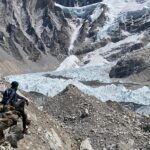
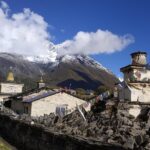
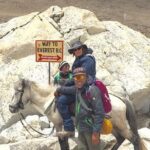
Day 3: farms and forest walking
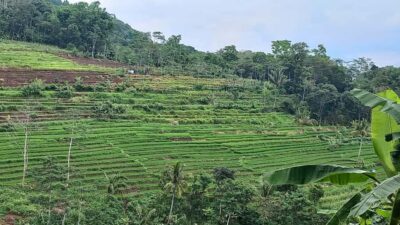
This is a calmer rhythm day: 4–5 hours through farms and forests. Even if you don’t get dramatic views every hour, these days are valuable because they help your legs settle in. They also let you notice the biodiversity part of this region—rhythm, birdsong, and the texture of the forest.
Day 4: long uphill through forest and meadows
Day 4 is a bigger effort: 6–7 hours with a long uphill through forest and meadows. This is one of those days where your backpack weight and your footwear choices start to matter. You’ll feel the elevation building even if the day doesn’t read like a “climb to a summit.”
Day 5: short ridge hikes for acclimatization
On day 5 you do short hikes to nearby ridges to acclimatize. This matters because the trek later includes high passes. Your body needs gradual adaptation, not just sudden altitude spikes. Ridge days also help with confidence—if you’re feeling steady, your pass day tends to feel more doable.
The pass day you plan your whole trek around: Shipton La and Keke La (Day 6)
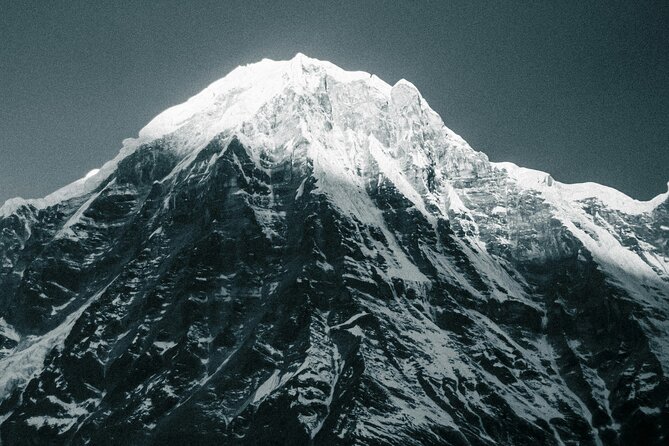
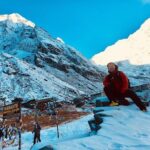
Day 6 is the hard-but-beautiful checkpoint. You cross Shipton La (4,170m) and Keke La (4,150m), then you land in a teahouse for the night.
This is the day where your trek becomes more serious. You’ll want good breathing rhythm, trekking pole use, and smart clothing layers. Even when the trail looks manageable, altitude makes everything feel heavier: steps, lungs, and patience.
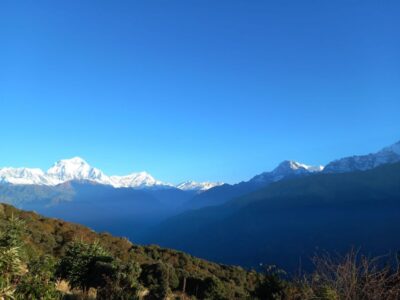
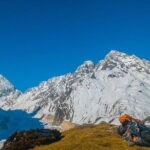
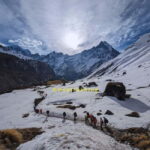
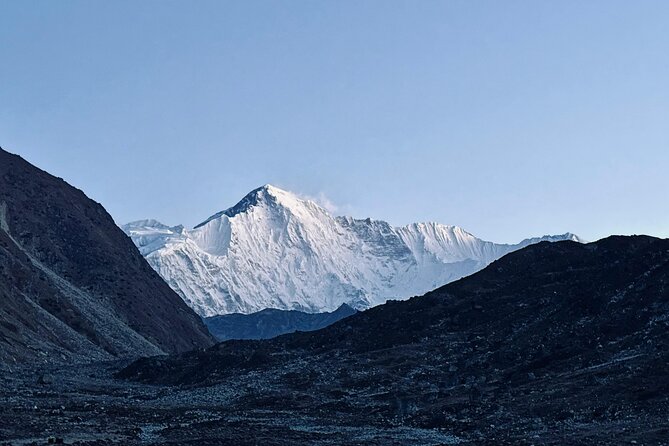
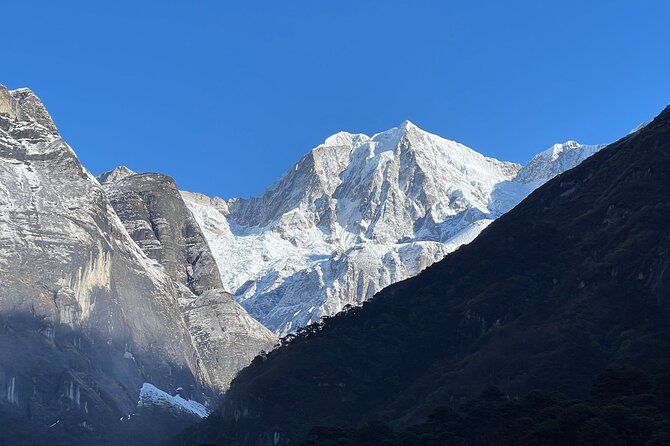
The upside? These passes are where views stop being occasional and start being constant. You’ll get big Himalayan angles and a stronger sense of how the peaks and valleys connect across the national park.
Practical tip: Start slower than you think you should at the beginning of the day. Save energy for the sustained climbs and any icy or windy sections you might encounter.
Rhododendron forests and valley time (Days 7–8)
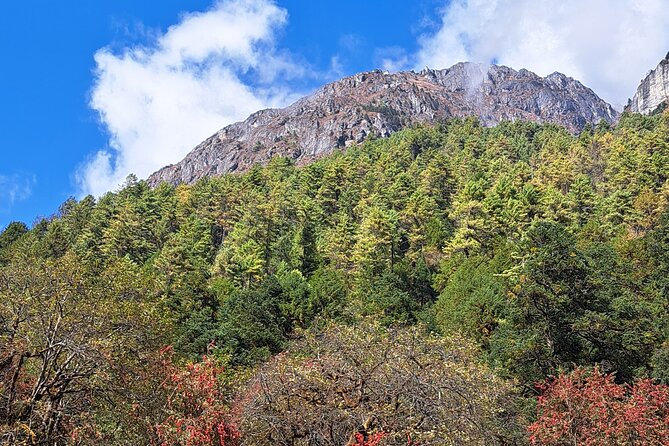
Day 7: rhododendron forests and river valleys
Day 7 walks you through rhododendron forests and river valleys for 5–6 hours. This is the kind of day where you get relief after pass country—still demanding, but less punishing. Rhododendron season affects what you see (and what smells like mountain spring), but either way the forest structure and bird life are part of the payoff.
Day 8: gradual ascent with valley views
Day 8 is about 5–6 hours of gradual ascent and valley views. This is a helpful staging day. The walking keeps building your stamina, but it’s not another “white-knuckle pass” day. Think of it as you moving into base-camp mindset: steadier pace, more careful footing, and more attention to breathing.
Pushing to Makalu Base Camp (Days 9–10)
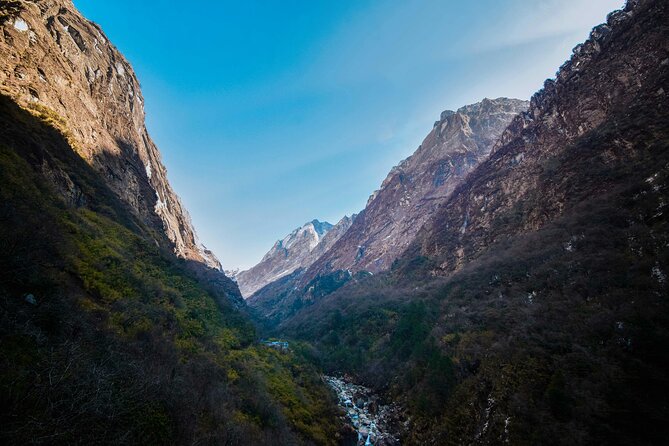
Day 9: the climb to base camp and big Himalayan angles
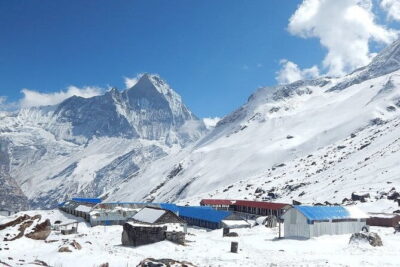
Day 9 is the main event. You hike 6–7 hours toward Makalu Base Camp with incredible Himalayan views. This is when the trek shifts from route into destination. The goal feels close, and the air usually feels different—thinner, colder, and sharper.
A base camp night can be a turning point psychologically. You’ve done the work to get there; now you’re surrounded by the quiet intensity of a high mountain setting.
Day 10: optional side hikes toward Barun Glacier
Day 10 gives you a choice: optional side hikes toward Barun Glacier. That flexibility is valuable. If you’re feeling strong, it’s a way to earn extra views without committing to another full mountain day. If you’re tired, the plan still holds because your base camp success is already done.
If weather is unclear, side hikes are often where you make smart calls. Keep the goal simple: don’t chase “one more” if conditions don’t support it.
The return: retracing steps and long descent work (Days 11–14)
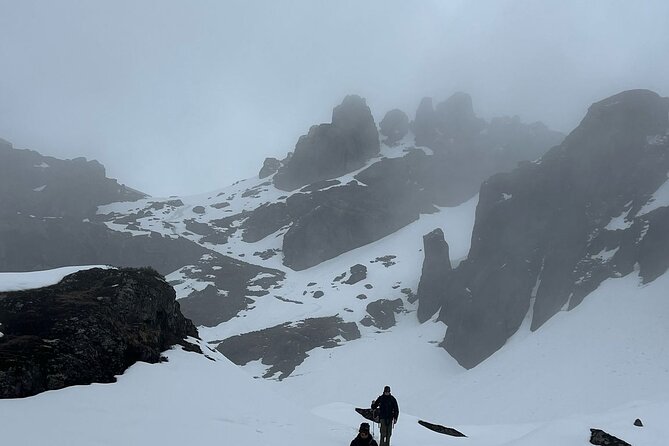
Heading down is not always easier. Your legs work hard in a different way—less uphill strain, more impact and careful foot placement.
Day 11: retrace steps down
Day 11 is about retracing steps down for around 7 hours, staying in a teahouse. This day can feel long even when the altitude is dropping, because downhill uses your knees and calves.
Day 12–13: steady trek days through the middle stretch
Days 12 and 13 are 6–7 hours and 5–6 hours respectively. These are the “finish the job” days. You’ll want to keep eating and drinking consistently because fatigue builds even when the terrain feels familiar.
Day 14: long descent
Day 14 is your long descent for 6–7 hours, staying in a teahouse. This is where you’ll feel the trek finishing line. Still, downhill doesn’t mean stop being careful. It just means your risk changes: slips, sore joints, and tired focus.
Day 15: final trek, drive, and flight back to Kathmandu
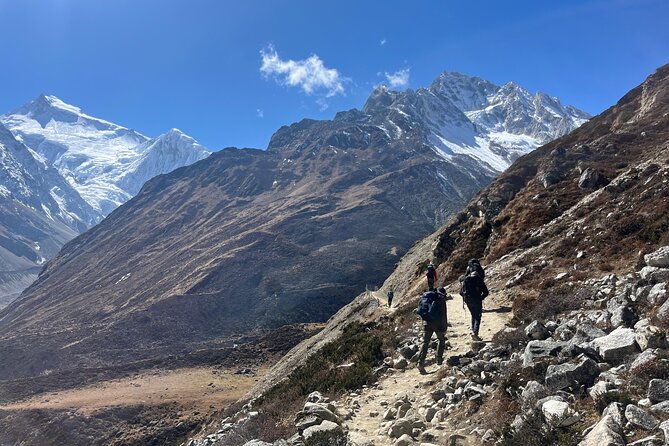
Day 15 combines a short 4-hour trek with a 4–5 hour drive. Then you’re back to the air part of the journey.
There’s also an option to fly Tumlingtar to Kathmandu on the same day (if timing matches) or the next morning. For many people, that means you can trade some uncertainty for a cleaner schedule.
This is a good day to plan your “recovery brain.” You’ll likely want a simple meal, an early night, and time to let your body recalibrate after the cold and effort.
Included meals and equipment: how they affect your day-to-day comfort
Knowing what’s included doesn’t just help your budget. It changes your decisions during the trek.
You’re covered for:
- Breakfast (one menu item)
- Lunch (one menu item)
- Dinner (one menu item)
The big benefit: you don’t have to constantly choose food under stress. When you’re walking for 5–7 hours, hunger can become a distraction, not a simple comfort need. Having meals planned reduces that mental load.
Bottled water isn’t included. You’ll buy or refill along the way at tea houses, and the package explicitly recommends carrying a refillable bottle for sustainability. This is one of those details that also affects weight: carrying less bulky water early can help you start passes lighter.
Caffeine and tea/coffee are extra. Coffee and/or tea aren’t included, so build in the idea that warm drinks cost extra. For some trekkers, that’s a small price for morale. For others, water plus rest is enough.
Equipment that can be provided on request includes sleeping bags, trekking poles, and crampons. If you already own gear, you’ll still want to confirm what you’re using for which conditions—especially crampons for any icy segments that might show up as you approach the passes and higher zones.
Altitude, fitness, and what moderate means here
The trek calls for moderate physical fitness. That doesn’t mean easy. It means you’re expected to be able to handle repeated 5–7 hour walking days, long days with steep sections, and a difficult pass day (Shipton La and Keke La).
Altitude is a real factor here. Your body has to get used to higher air pressures, and your itinerary includes acclimatization steps (like ridge hikes) to help you adjust. Still, you should approach the high day with humility. Slow walking, frequent breathing checks, and solid hydration are the boring things that keep you safe.
If you tend to overpace at the start of a day, practice restraint during the first few days. Save energy for the steep sections, and don’t let “I feel fine” turn into “I pushed too hard.”
Who this Makalu Base Camp trek suits best
This is a good choice if:
- You want a less crowded Himalayan route where the quiet matters.
- You enjoy forests, rivers, and rhododendron country—not only peak-chasing.
- You want a route with real high-pass credentials, not just moderate trekking.
- You like having support: an English-speaking guide and porter team with insurance handled.
It may be less ideal if:
- You hate cold mornings or you get discouraged by challenging days with long descents.
- You’re not comfortable with altitude discomfort and slower breathing.
Because this is a private tour/activity where only your group participates, it’s also a good fit for couples or small groups who want less interaction and more control over your pace—within reason.
Should you book Makalu Base Camp with Bodhi Tree Tours Travel and Treks?
If your ideal Nepal trek is remote, natural, and structured—this one makes a strong case. The included Kathmandu–Tumlingtar flights, covered meals, English-speaking guiding, and support for porters (with insurance and daily allowances) take a lot of uncertainty out of the trip. And the trek’s core identity—Makalu-Barun National Park, rare wildlife potential, community interaction, and high passes like Shipton La—is exactly the kind of mix that feels more real than checklist hiking.
I’d book if you can commit to steady walking, smart acclimatization, and being patient with mountain weather. I’d reconsider if you need guaranteed easy days or you know you struggle with cold, steep footing, or long downhill effort.
FAQ
Where does the trek start in Kathmandu?
The meeting point is Tribhuvan Airport, Kathmandu, Nepal, with a listed start time of 12:15 am.
Are flights included in the Makalu Base Camp trek package?
Yes. The package includes two-way flight tickets from Kathmandu to Tumlingtar.
Is bottled water included?
No. Bottled water is not included. You can purchase water along the trail or refill at teahouses, and a refillable water bottle is recommended.
What equipment is provided, and can I request it?
Sleeping bags, trekking poles, and crampons are provided in request.
Which day includes the high mountain passes?
Day 6 includes crossing Shipton La (4,170m) and Keke La (4,150m).
Is the guide and porter insurance included?
Yes. The package includes guide and porter insurance along with guide and porter daily allowances.
What if weather cancels the trek?
This experience requires good weather. If it’s canceled due to poor weather, you’ll be offered a different date or a full refund.
Are meals included?
Yes. Breakfast, lunch, and dinner are included as one menu item per meal each day (with the package covering breakfast and lunch on the trek days and dinner on the trek days as listed). Coffee/tea and alcohol are not included.