REVIEW · CANDI SELOGRIYO
Yogyakarta :selogriyo temple, rice field trek& nepalvan java
Book on GetYourGuide →Operated by PT sekar bumi tour Yogyakarta · Bookable on GetYourGuide
Two quiet hours of countryside can change your whole day. This Yogyakarta outing combines Nepalvan Java hills (vegetable planting and harvesting) with Selogriyo Temple, an ancient site from the 9th century built under the Mataram kingdom. The best part is how the day connects food you eat with the work behind it, from hands in the soil to stone on the hill.
I especially love the way you move through real working farmland: you pass through rice fields and then spend time up in the vegetable plantations, watching farmers plant, harvest, and maintain crops. Second, I like the pace of the temple visit—less about rushing, more about stepping into a calmer, less crowded corner of Java, where the temple feels like it belongs to the landscape.
One possible drawback: you should expect some walking on paths that can be uneven and occasionally muddy, because you reach the temple area by trekking through rice and plantation routes.
In This Review
- Quick highlights you’ll care about
- How the day flows from Yogyakarta (and why it matters)
- Nepalvan Java vegetable hill: see the work behind the greens
- The rice-field route: a calm trek, not a rush-through
- Selogriyo Temple: 9th-century Mataram stone in a quieter mood
- Coffee and small breaks in the terraces
- Guides and group size: why max 4 feels better here
- Tickets, transport, and what $52 really covers
- Timing, comfort, and what to pack
- Who should book this tour (and who might not love it)
- Should you book? My take
- FAQ
- How long is the Nepalvan Java hill and Selogriyo Temple tour?
- What is the group size for this experience?
- Where does the pickup happen?
- What’s included in the price?
- What language is used during the tour?
- Can I cancel and get a full refund?
Quick highlights you’ll care about
- Small group (max 4): easier conversation with your guide and less jostling in the fields
- Farm work in action: see vegetable planting and harvesting up close on the hill
- Rice-field walking to the temple: short trek through working terraces, not just a photo stop
- Selogriyo’s 9th-century roots: ancient Mataram kingdom temple with a peaceful feel
- Weather tip: Nepalvan Java can feel cooler if clouds roll in, so plan a light layer
How the day flows from Yogyakarta (and why it matters)
This is a 10-hour outing that starts with pickup in the Special Region of Yogyakarta and then heads out to the countryside. You get an air-conditioned vehicle, which helps when Java traffic and heat stack up before you reach the fields. The schedule also leaves room to actually look, not just drive past scenery.
A key detail for your comfort: you’re spending real time outdoors. Even if most of the route is by car, you’ll be out walking through rice and farm areas to reach viewpoints and the temple zone. If you like your travel days active but not exhausting, this hits a sweet spot. If you want a fully seated tour with no uneven ground, you may feel a bit limited.
Nepalvan Java vegetable hill: see the work behind the greens
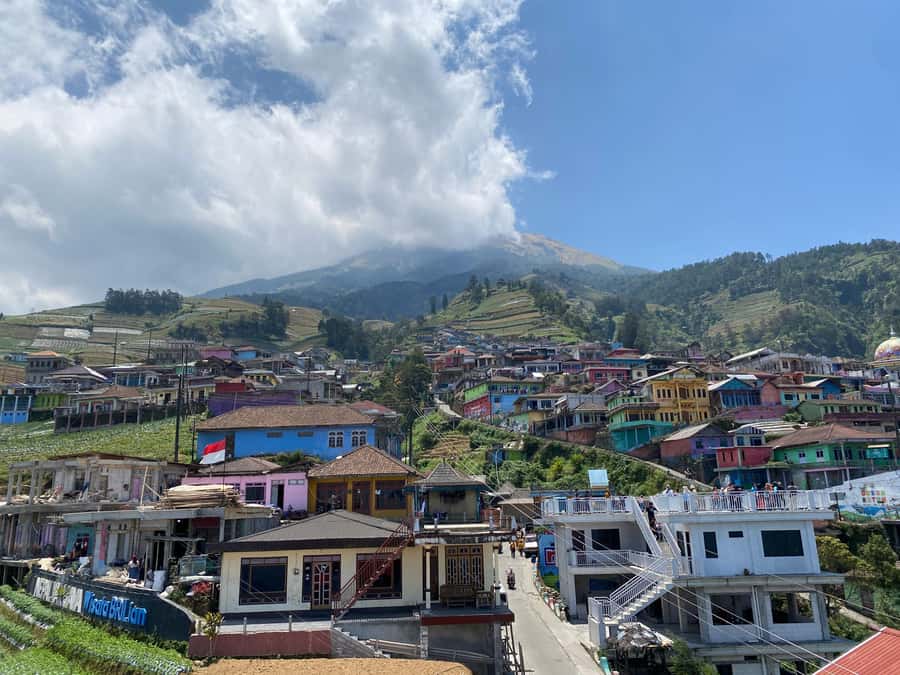
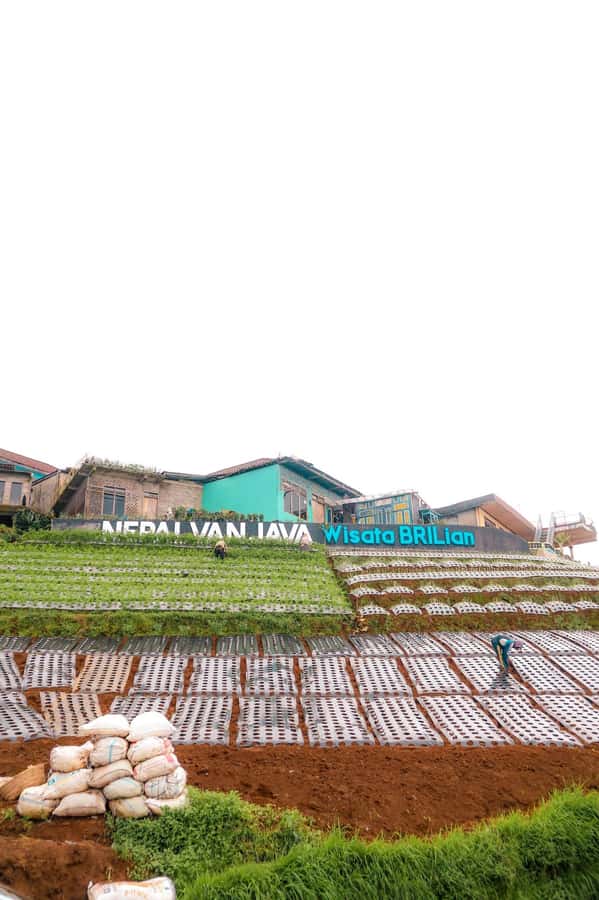
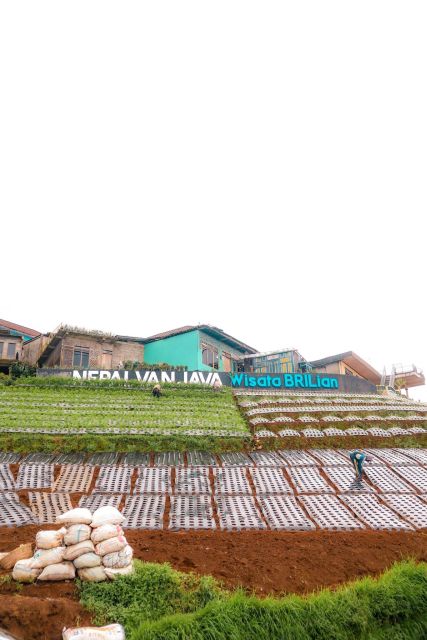
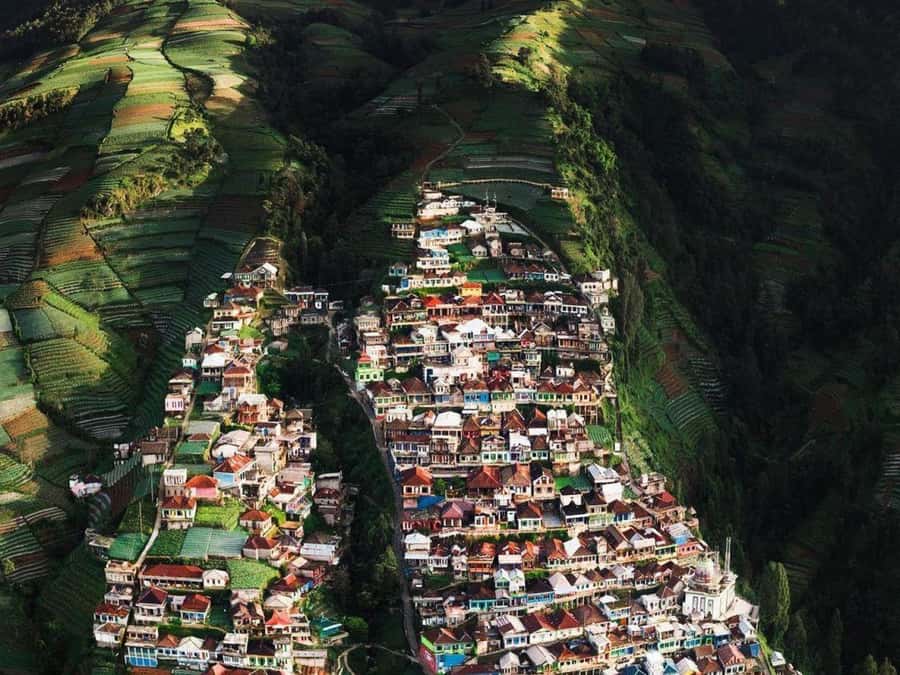
The heart of the day begins when you head toward the vegetable plantation hills of Nepalvan Java. After about a couple hours on the road from Yogyakarta, you arrive in a working agricultural area where you can watch locals planting and harvesting vegetables. This isn’t an “interpretive display” kind of stop. It’s the kind of place where you notice how people move—steady, practical, and focused on the crops.
You’ll also spend time around local village areas by car, so the day isn’t only about one hillside. It’s more like getting a quick sense of how farm life connects to the surrounding community. If you’re the type who cares about where food comes from, you’ll probably find this part more satisfying than the typical postcard stop.
One thing to keep in mind: the hill area can feel cooler when clouds hang around, so bring a light pullover just in case. Even if mornings start warm, conditions shift once the sky changes, and you’ll feel it when you’re standing still to watch field work.
The rice-field route: a calm trek, not a rush-through
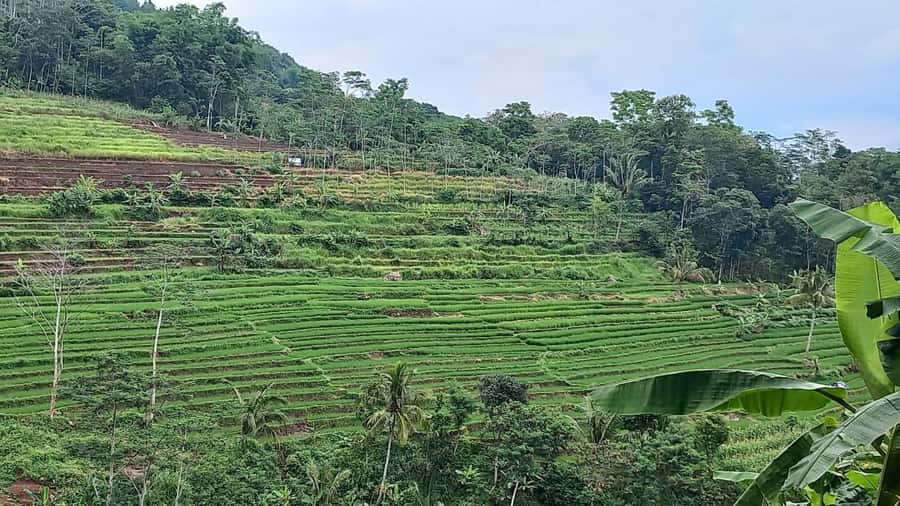
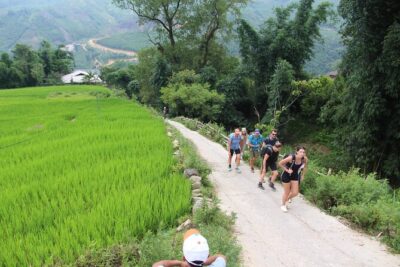
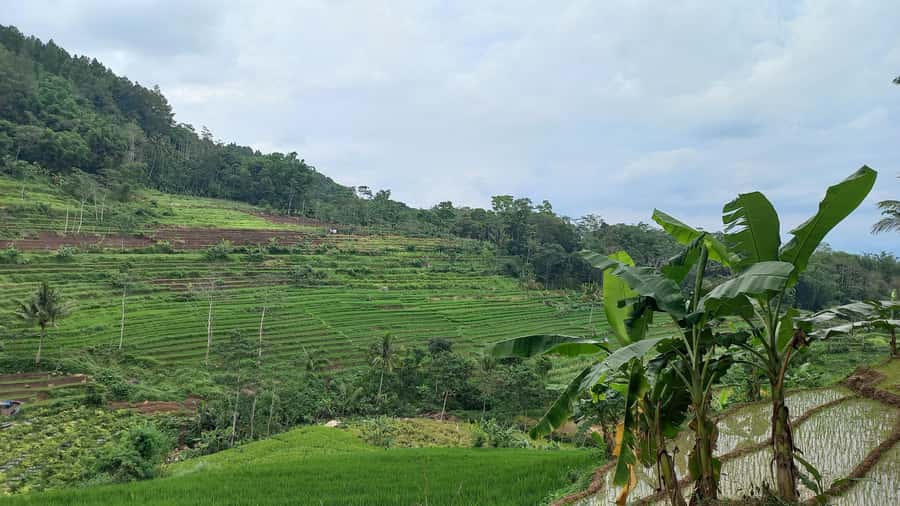
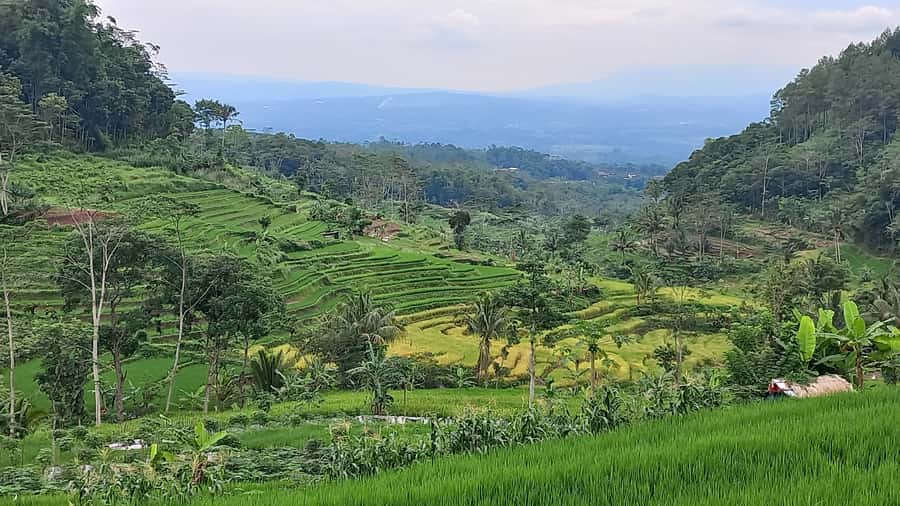
After the vegetable hill, the day shifts into rice country. You travel through rice fields and then get to explore them as part of the route toward Selogriyo Temple. What makes this segment valuable is the order of activities: first you see vegetable production on the hill, then you see rice fields up close on the way to the temple. It gives you a fuller picture of how different crops shape daily life.
You’ll pass by areas where farmers are working, so you’re not only looking at scenery—you’re observing the rhythm of labor. Rice terraces can look dramatic in photos, but the real magic is how you read the details: water management, spacing of plants, and the way people continue working even when visitors are nearby.
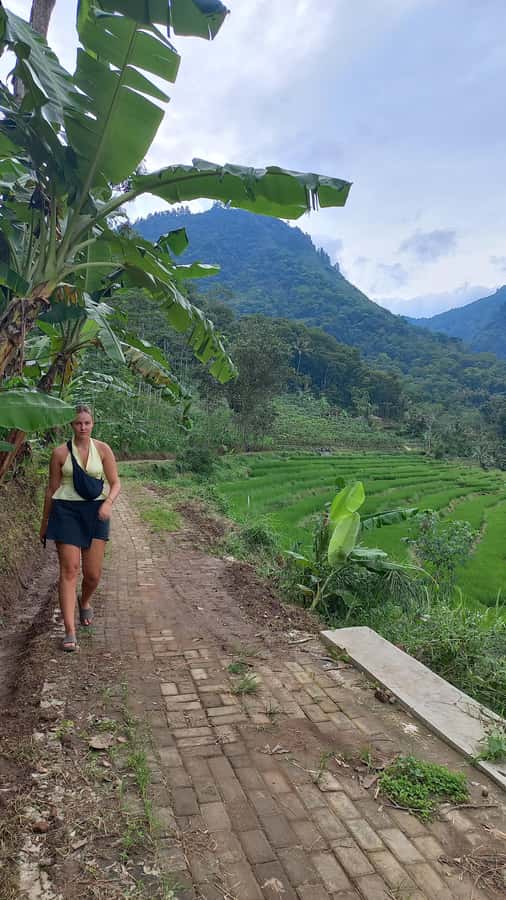
Also, plan your footwear with this in mind. The trek to the temple runs through farm routes and can get slippery. Even if it’s not pouring rain, rice areas have a way of leaving paths damp. Comfortable shoes matter more than you think here.
Selogriyo Temple: 9th-century Mataram stone in a quieter mood
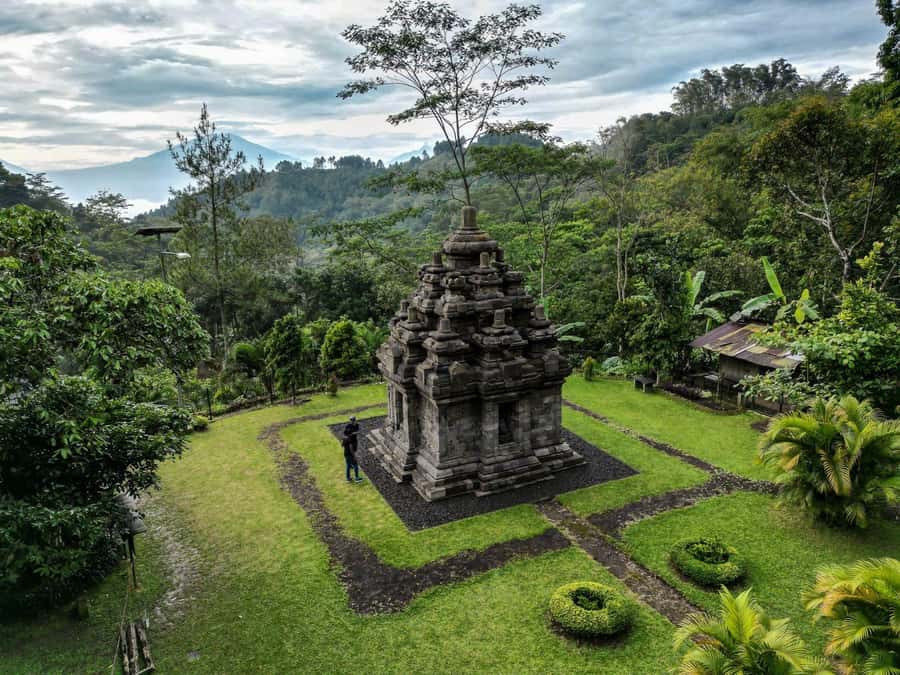
Once you reach Selogriyo Temple, you’re stepping into a site with serious age. It’s described as an ancient temple built in the 9th century by the Mataram kingdom. That timeframe matters because it places Selogriyo within the broader story of early Javanese temple culture—when stone architecture became a lasting way to represent belief, power, and community.
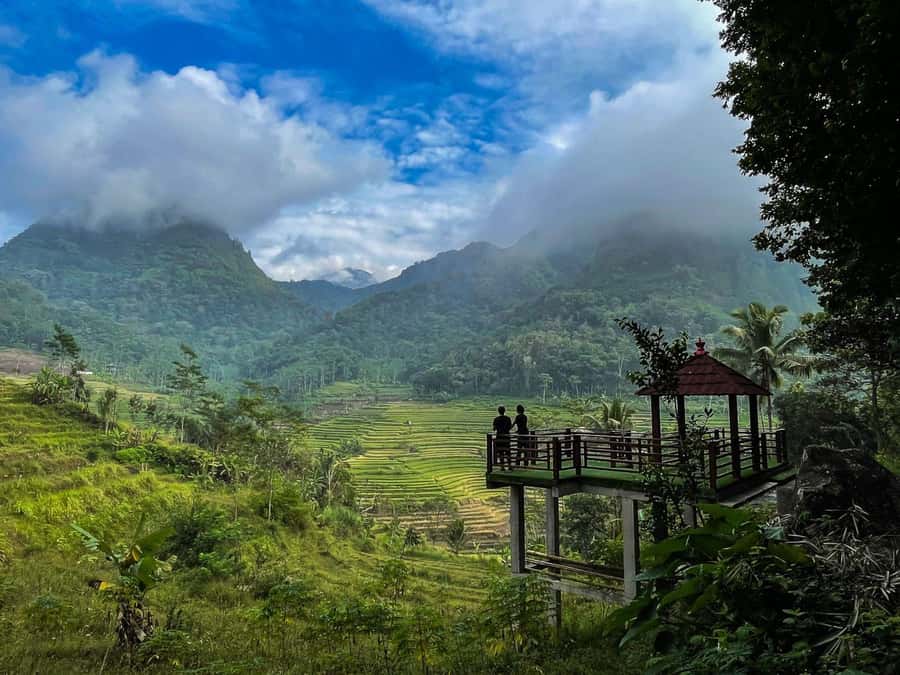
The temple visit feels more grounded than many “big headline” sights. You’re reaching it by moving through fields, which naturally slows you down. When you finally arrive at the temple area, the quiet effect is real: you tend to feel like you’ve left the main tourist stream behind.
A practical note: Selogriyo is best experienced with patience. You’re not just ticking a box. Take a few minutes to look at the approach routes, the way the structure sits in the area, and how the temple’s setting changes your sense of time. It’s the kind of place where you can enjoy stillness, not just sights.
Coffee and small breaks in the terraces
One charming extra you might notice during the rice-field portion: there can be a small coffee stop in the terrace area. It’s the sort of pause that turns walking time into a full experience—warm drink, a few minutes to watch farmers and water patterns, and then you continue.
This is not something you should plan your whole schedule around, because the day’s core focus is farms and the temple. But if you see a coffee spot along the route, it can be a worthwhile moment. Keep it simple: take a quick break, then get moving again while the light is comfortable for photos.
Guides and group size: why max 4 feels better here
This tour runs in a small group limited to 4 participants, and that matters more than you might expect. In farmland settings, it’s not only about convenience. It’s about conversation. With fewer people, you get a better chance to ask questions and follow the guide’s explanations without competing for attention.
Your day is led by an English-speaking guide and supported by an English-speaking driver. People have mentioned guides by name—like Purnomo, Andri, Andre, Tomo, and Ipung—and the common thread is that the day stays friendly and practical. Instead of repeating generic facts, the guide helps you connect what you’re seeing to how people actually work the land.
Tickets, transport, and what $52 really covers
At $52 per person for a 10-hour day, the key value isn’t just the sights—it’s what’s included to reduce your stress.
You get:
- Hotel pickup and drop-off
- Air-conditioned vehicles
- Parking fees and all donation
- Mineral water
- Temple ticket for Selogriyo
- Ticket for Nepalvan Java hill
- An English-speaking driver (and an English live tour guide is stated)
That matters because you’re not juggling separate ticket lines or figuring out where to park for two different areas. Also, including donations and parking means you’re less likely to get surprised by small extras partway through the day.
Is $52 cheap? It’s not a bargain-basement price, especially for a full day with rides and entry fees. But if you add up transport, tickets, and the fact that you’re getting a guided visit that connects farms to the temple, it reads as fair value for this specific kind of route.
Timing, comfort, and what to pack
You’ll spend hours outdoors, plus time walking through rice routes. That means your comfort kit can make or break the day.
Here’s what I’d pack or plan for:
- Shoes you can trust on damp paths (rice fields and farm routes can be slippery)
- A light layer for the hills if clouds move in (Nepalvan Java can feel cooler)
- Sun protection, since you’ll have open-sky stretches between field areas
- A small pause mindset: this tour is better when you slow down and look, not when you race to the next photo
If you’re visiting in a season with strong rain risk, your exact conditions could change. The tour includes mineral water and guided movement, but it won’t remove the reality of walking in agricultural areas.
Who should book this tour (and who might not love it)
This is a strong fit if you:
- Want to see working farmland rather than only temples or viewpoints
- Like smaller groups and prefer to actually talk with your guide
- Enjoy gentle-to-moderate walking that adds context to what you see
You might think twice if you:
- Don’t want any walking through potentially uneven, muddy farm paths
- Prefer a faster, city-style sightseeing loop with minimal time outdoors
- Are expecting a major museum-level temple experience with heavy interpretation and long stays inside buildings (this is more about the setting and approach)
Should you book? My take
If your idea of a great Java day includes fields, farmers, and a calmer temple visit, I’d book this. The combination of Nepalvan Java vegetable work, rice-field walking, and then Selogriyo’s 9th-century presence gives you variety without chaos. The small group size also makes it easier to enjoy the day and keep questions flowing.
I’d especially recommend it for people who like travel that feels practical and human: you’ll come away understanding more than just what something looks like—you’ll understand how it gets made, grown, and maintained.
FAQ
How long is the Nepalvan Java hill and Selogriyo Temple tour?
The tour lasts 10 hours.
What is the group size for this experience?
It’s a small group limited to 4 participants.
Where does the pickup happen?
Pickup is from the Special Region of Yogyakarta.
What’s included in the price?
The tour includes hotel pickup and drop-off, air-conditioned vehicle transport, parking fees and all donation, mineral water, the Selogriyo Temple ticket, the Nepalvan Java hill ticket, and an English-speaking driver.
What language is used during the tour?
The tour guide is listed as English.
Can I cancel and get a full refund?
Yes. Free cancellation is available up to 24 hours in advance for a full refund.