REVIEW · GERO
Frozen fall trekking
Book on Viator →Operated by 216WORKS guide service office · Bookable on Viator
A frozen waterfall hike can sound touristy, then it turns real the moment blue ice appears. I love the combo of shinrin-yoku (forest bathing) style walking and a guide who steers you to a route that fits your group. I also like the small, limited-size tour feel, so you’re not just shuffling along with strangers.
The main thing to plan for is the cold and the physical demands. This isn’t a stroll, and you’ll need to meet the stated height/weight limits and have a strong fitness level for a snowy forest approach in winter.
In This Review
- Key takeaways before you go
- Forest bathing in a snow-capped forest, not a theme park
- Where you start: easy meetup around Gero and Hida-Osaka
- How the guide chooses your route and your pace
- The walk through deep snow: what it feels like
- The frozen waterfall moment: timing, photo spots, and staying steady
- Lunch and the 8-hour reality in winter
- Price and value: what $180.64 buys you
- Getting the timing right: winter weather and trail changes
- Who should book this frozen waterfall snowshoe trek
- Should you book Frozen fall trekking to the frozen waterfall?
- FAQ
- Where does the tour start?
- How long is the Frozen fall trekking experience?
- How much does it cost?
- How many people are in a group?
- What’s included in the price?
- Is lunch included?
- Is a mobile ticket provided?
- What are the height and weight requirements?
- What weather rules apply?
- When should I book?
- Is it easy to reach the meeting area?
Key takeaways before you go
- Forest bathing in winter: slow, nature-focused trekking with a guide setting the pace and route
- Blue-ice frozen waterfall payoff: a tower-like frozen cascade described as the most admired waterfall in Hida-Osaka
- Small group feel (max 7): you’re limited to just your group for a more personal day out
- Gear and guidance included: professional guide plus equipment to help you manage snow and ice
- Weather-aware planning: the experience runs in good conditions, with date changes or refunds if weather won’t cooperate
Forest bathing in a snow-capped forest, not a theme park
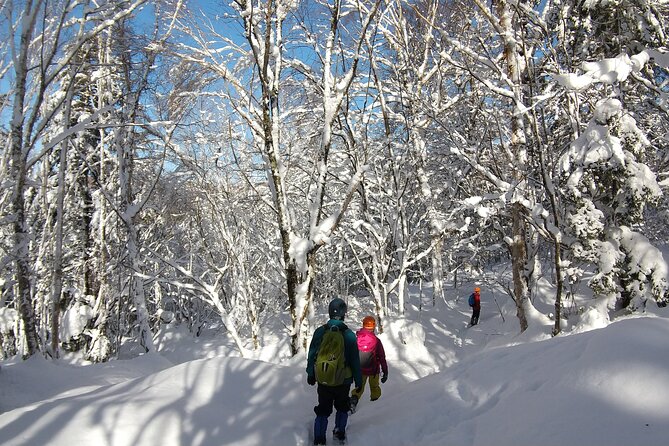
This tour is built around a simple idea: walking through the woods in winter can reset your body and mind. You’ll head deep into a dense, snow-capped forest where the air and the quiet make it feel otherworldly, and the experience is framed as shinrin-yoku, or forest bathing.
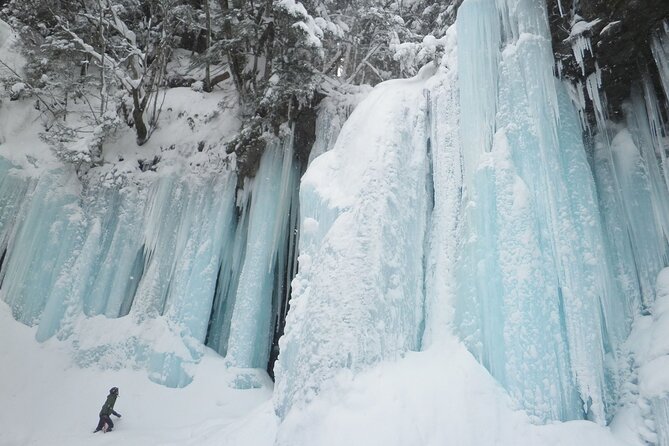
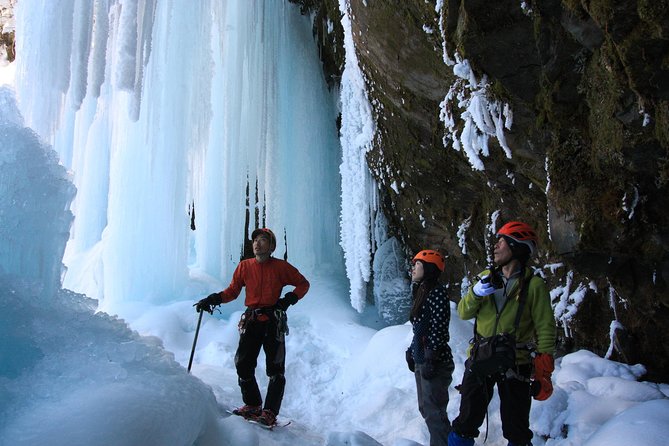
Then comes the payoff. As you keep moving, a frozen cascade and a dramatic stretch of blue ice show up in front of you, described as a standout moment and the most admired waterfall in the Hida-Osaka area. The tour doesn’t rush you past that scene. The goal is time at the frozen waterfall so you can actually see it, not just snap one quick photo and leave.
What makes this more than a winter walk is the guide-led pacing. You’re not just following a track; you’re being guided through a natural setting that rewards slower attention. If you like Japan’s winter quiet and you want nature time that feels purposeful, this style fits well.
Where you start: easy meetup around Gero and Hida-Osaka
The day begins with an easy meetup with your guide at Hida-Osaka Station. That matters because winter tours go smoother when the first step is straightforward. No complicated “meet 47 minutes before” stress, and you start outdoors without wasting energy.
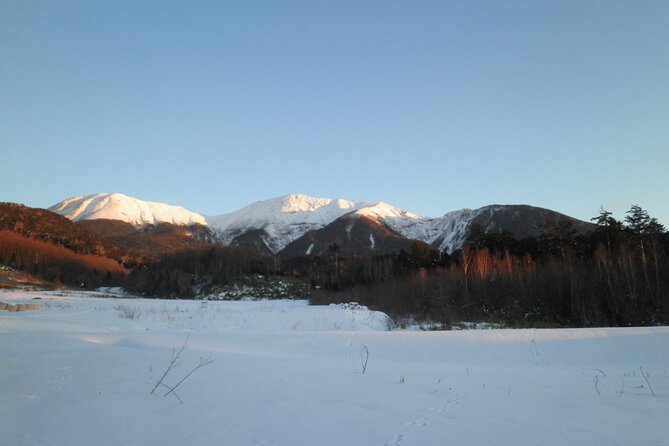
The tour operates in the Hida-Osaka area in Gifu Prefecture, which you can reach from nearby bases like Takayama and Gero in about 40–50 minutes by train, bus, or car. That location detail is useful when you’re mapping your Central Japan route. Hida-Osaka is surrounded by mountains and forests, and the whole feel is more tucked-away than big-city sightseeing.
You’ll also finish back at the meeting point, keeping the logistics clean for a day that’s already working against the winter clock.
How the guide chooses your route and your pace
One of the biggest values here is customization. Your guide picks a trek suitable for your skill level and needs, which is key on snow days. The tour is limited to just your group, so adjustments are more practical than on large group buses.
This is the kind of tour where conditions can change fast. If snow depth is heavy, the walking rhythm changes. If trails are slick, pacing and footing become more important. The guide’s job is to get you to the frozen waterfall safely while still making the walk feel like part of the experience.
In past tours, guides such as Reiko, Osamu, and Jun have been praised for being friendly, clear with instructions, and good with families. Reiko is specifically mentioned as speaking great English and managing the day well with kids in a mixed-age group. Jun is mentioned for getting people close to the waterfall while keeping the hike fun. Those details matter because they suggest you’re not just paying for distance; you’re paying for guidance that makes the cold day enjoyable.
The walk through deep snow: what it feels like
Expect a trek through a dense, snow-covered forest that’s specifically described as a great setting for forest bathing. This is a “walk with purpose” day, and the scenery changes as the forest thickens and the air cools.
Snow conditions can be serious. One review notes an experience around -12°C, with deep snowshoe trekking through endless white scenery. Another review emphasizes that heavy snowfall from previous days affected the conditions and made the walk feel like a proper winter adventure. This is one reason the guide matching matters: your group’s route and pace should align with what your legs and balance can handle.
Also, the equipment is part of the value. The tour includes equipment, and reviews mention snow shoes in action. That means you’re not arriving unprepared and hoping you can manage. Still, you should show up ready to walk. If you’re used to city steps, snow steps are different. Plan on a slower, steadier effort.
The frozen waterfall moment: timing, photo spots, and staying steady
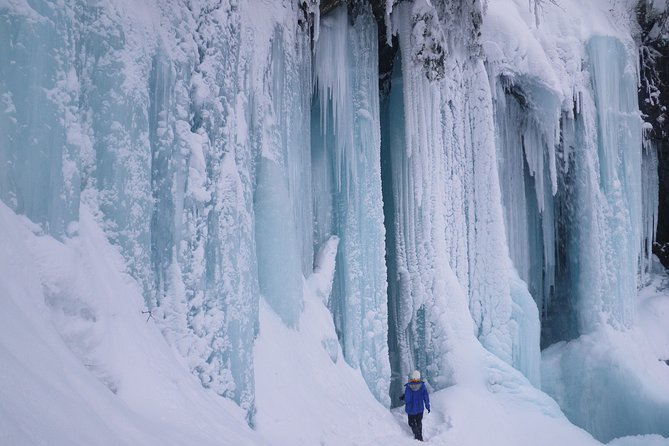
The frozen waterfall is the star. The description focuses on that tower-like appearance of blue ice and the sense of stepping into a different world when you first see it. This is the moment people remember when they talk about the tour highlight of their Central Japan trip.
What you’ll likely notice first is color. That “blue ice” look isn’t just pretty; it signals the ice formation you came for. Then you’ll probably notice how the scene changes as you move closer or shift angles. The guide positions you close enough to appreciate it, while still managing safety on icy footing.
Safety here is mostly about common sense:
- you’ll walk on snow and ice, so keep a steady pace
- your guide should help with where to step and how to move close to the waterfall safely
- you’ll want warm layers and gloves (the tour emphasizes equipment provided, but you still supply your own clothing choices)
If you’re the type who likes slow travel over checklists, this is where the day pays off. Reviews repeatedly call the frozen waterfall the highlight, not the background. Time at the waterfall is built into the tour concept.
Lunch and the 8-hour reality in winter
This is an about 8 hours outing, and winter timing can feel longer than summer. Plan your energy accordingly. Lunch isn’t included, but there is an optional bread and hot soup lunch available. That option is worth considering because warm food helps on cold days, and it’s easier than trying to find something after a long walk.
If you usually skip meals, I’d reconsider. Cold hikes burn energy quickly, and when you’re walking through snow, your body uses more effort than you think. An optional warm lunch can make the second half feel less like punishment and more like a win.
If you’re traveling with kids or teens, warm food becomes even more important. Past families with children aged 13 down to 8 have enjoyed the day, and part of making winter activities work is keeping everyone comfortable enough to stay engaged.
Price and value: what $180.64 buys you
At around $180.64 per person for roughly 8 hours, the biggest value driver isn’t just the destination. It’s the guide, the included equipment, and the small-group limit.
You’re not paying for a bus ride. You’re paying for:
- a professional guide who chooses a trek based on your skill level
- equipment included for winter walking
- time at the frozen waterfall so you can actually experience it
The “max 7 travelers” cap is also meaningful. Small group sizes tend to mean fewer waiting gaps, more attention on footing, and a better chance your guide can adjust pace if someone is slower or faster.
In practical terms, it’s a reasonable rate for a winter outdoor activity that can’t be DIY’d easily unless you already have snowshoe experience and winter gear sorted. If you don’t want to plan a route through deep snow or risk the wrong trail conditions, this guided format is where your money goes.
Getting the timing right: winter weather and trail changes
This experience requires good weather. That’s not just fine print; it’s the whole winter reality. If weather conditions prevent safe operation, you’ll be offered a different date or a full refund.
A similar point shows up in the way the company handles problems. In at least one case, when weather made the original plan tricky, the agency recommended another hike and the group accepted. That kind of flexibility can make the difference between a ruined winter day and a memorable one.
Also, heavy snowfall can help or complicate things. Reviews mention “a blast” in deep snowshoe conditions, and also mention that prior snowfall created an unusually snowy environment. So your best bet is to dress for serious cold and accept that the forest might be deeper and quieter than you’re expecting.
Who should book this frozen waterfall snowshoe trek
This tour is a strong fit for people who want winter nature time in Gero/Hida-Osaka without turning it into a long train marathon. It’s also a good choice if you like the idea of forest bathing rather than fast sightseeing.
It’s likely best for you if:
- you’re comfortable walking on snow for an extended period
- you like guided experiences that adjust to your ability
- you want a memorable “blue ice” scene more than a generic hike
It may be a poor fit if:
- you don’t meet the stated height range (must be taller than 140 cm and shorter than 190 cm)
- you don’t meet the stated weight limit (less than 90 kg)
- your fitness level isn’t strong enough for a deep snow forest trek
Those limits are clearly stated for the operation of the tour within gear specs, so they’re not optional. And while families have enjoyed it, the gear requirements still shape who can realistically join.
Should you book Frozen fall trekking to the frozen waterfall?
I’d book it if your Central Japan trip needs one clear “wow” outdoors moment that feels authentic, not performative. The frozen waterfall is the obvious draw, but the real reason this works is the structure: guide-led forest bathing, equipment provided, small group size, and enough time at the blue-ice scene that it sticks in your memory.
I’d pass or switch expectations if you’re looking for a light, flexible walk with minimal cold effort. This is a winter trek, and it comes with the reality of snow depth and icy footing. If you’re ready for that, you’ll likely end the day with photos you can’t fake.
FAQ
Where does the tour start?
The tour starts at the Waterfalls of Osaka Tour Secretariat, 38-8 Osakachō Ochiai, Gero, Gifu 509-3111, Japan. It also ends back at that meeting point.
How long is the Frozen fall trekking experience?
It’s listed as about 8 hours.
How much does it cost?
The price is $180.64 per person.
How many people are in a group?
The tour has a maximum of 7 travelers.
What’s included in the price?
A professional guide and equipment are included.
Is lunch included?
Lunch is not included. Bread and hot soup lunch is optionally available.
Is a mobile ticket provided?
Yes, the tour uses a mobile ticket.
What are the height and weight requirements?
You must be taller than 140 cm and shorter than 190 cm, and weigh less than 90 kg.
What weather rules apply?
The experience requires good weather. If it’s canceled due to poor weather, you’ll be offered a different date or a full refund.
When should I book?
You should make a reservation at least 3 days before the tour date. Confirmation is received within 48 hours of booking, subject to availability.
Is it easy to reach the meeting area?
It’s near public transportation, and the Hida-Osaka area is reachable from Takayama and Gero in about 40–50 minutes by train, bus, or car.