REVIEW · HANOI
Sapa trekking 2days by bus from Hanoi ( over night in homestay)
Book on Viator →Operated by Mountain Light Travel · Bookable on Viator
Sa Pa by foot starts with a long bus ride. This 2-day, Hanoi-to-Sa Pa trek is built around village walking and a real homestay night, so you get more than a quick photo stop in the hills. I love that the trip is guided by a local English-speaker, with stops through minority villages like Lao Chai and Ta Van, plus a second-day trek toward Giang Ta Chai. I also like the value: you get round-trip air-conditioned transport, meals, and an overnight stay for one set price.
One thing to think about: the walking is active, and the trails can mean slippery spots like muddy rice paths rather than a steady climb to one big viewpoint. If you prefer hiking that is mostly uphill and dry, plan for wet-foot moments and slower pace. Also, you may notice frequent sales-style interactions along the way, which can be distracting if you hate being approached while you walk.
In This Review
- Key highlights before you go
- Hanoi to Sa Pa: the overnight bus that buys you time
- First afternoon in Sa Pa: lunch and a gentle start
- Day 1 trekking: Lao Chai and Ta Van, the real village rhythm
- Homestay in Ta Van: dinner, sleep, and village connection
- Day 2 trek: bamboo forest, rice fields, and a suspension bridge
- Back to Sa Pa for lunch, then the long ride to Hanoi
- Price and value: what $79 covers (and why that matters)
- Who this Sa Pa trek suits best
- Quick, practical tips to enjoy it more
- Should you book this Sapa trekking tour?
- FAQ
- What time does pickup happen in Hanoi?
- How do you travel between Hanoi and Sa Pa?
- Is the homestay and meals included?
- What villages are visited during the trek?
- How long is the trekking on each day?
- Is there a maximum group size?
- Is cancellation free, and does weather matter?
Key highlights before you go
- Small group size (max 15) for easier pacing on narrow paths
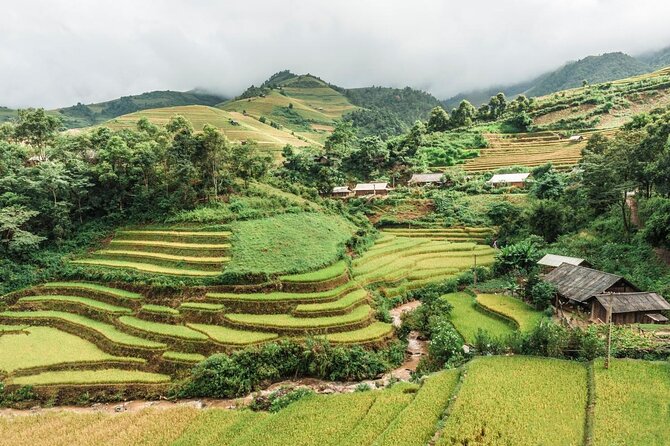
- Village-to-village trekking through places like Lao Chai, Ta Van, and Giang Ta Chai
- Bamboo forest + rice fields on Day 2, including a suspension-bridge crossing
- Homestay dinner and breakfast included, not just a quick snack break
- Pickup in the Hanoi Old Quarter and a straightforward end back at the meeting point
- English-speaking guide with hands-on help and local culture context
Hanoi to Sa Pa: the overnight bus that buys you time
The tour starts early in Hanoi, with pickup in the Old Quarter around 6:30 am at 54 P. Hàng Tre. The bus leaves shortly after, with a start-time that feels aggressive until you realize what it’s doing: it gets you to Sa Pa with enough daylight to actually trek.
On the road, there are one or two short breaks. They matter more than you might think. First, you get restroom stops. Second, you get your legs moving before hours on uneven mountain roads. This is a good setup for a trek-heavy itinerary, because you’re not arriving and immediately starting a long walk in pure exhaustion.
One small practical note: your arrival window is around midday (roughly 12:30 to 1:00 pm). That means you’ll transition quickly from bus-routine to meal-routine to walking. If you’re the type who needs time to decompress, give yourself a few quiet minutes after lunch before the trek begins.
You can also read our reviews of more tours and experiences in Hanoi.


First afternoon in Sa Pa: lunch and a gentle start

Once you arrive, the plan is to get lunch at your hotel in Sa Pa and then head out in the mid-afternoon. This matters because Sa Pa weather can shift fast in the mountains. Starting afternoon gives you flexibility if clouds roll in, and it also helps you avoid the full-day fatigue some people feel with all-day travel and no buffer.
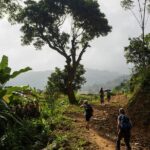
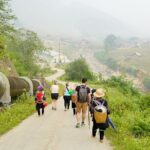
After lunch, you’ll set out on the trek toward Lao Chai and then onward to Ta Van. This is a smart way to stage the walking. You’re not starting with the longest or most complex section on Day 1. You ease into the rhythm: walking, short stops, looking around, listening to explanations, and getting used to how paths feel underfoot in the valley.
Day 1 trekking: Lao Chai and Ta Van, the real village rhythm
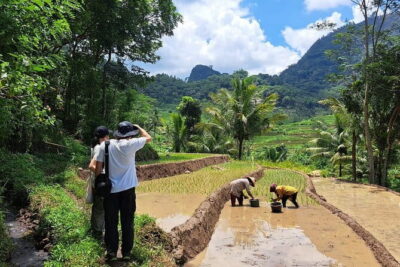
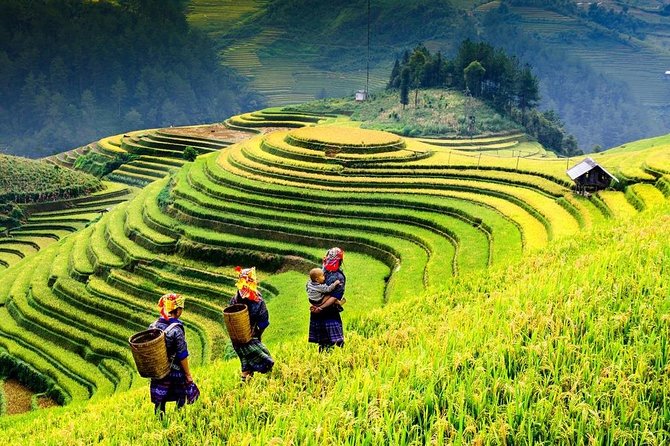
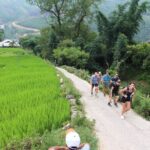
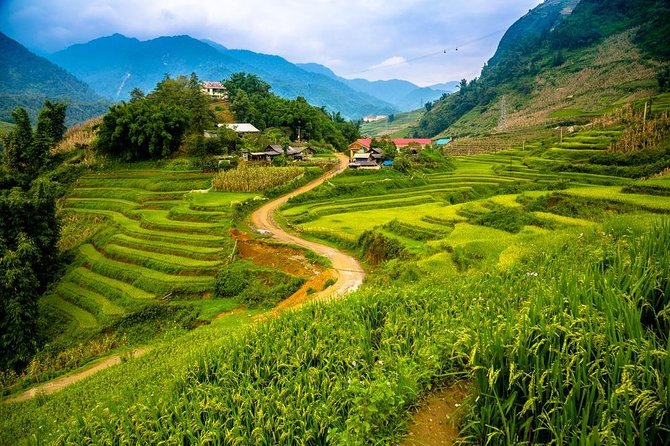
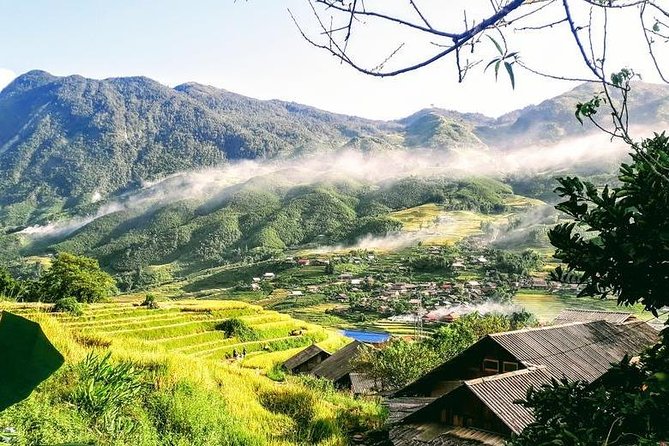
Day 1 focuses on two villages and the feeling of walking through Muong Hoa valley. You’ll head to Lao Chai first, which is about 6 km from the center of town. Lao Chai is home to the Black H’mong people, and it sits at the start of the valley. You get a sense of why Sa Pa’s fame lives in the hills: the valley view is part of the experience, but the village is the point.
The walking time on this section is around 1 hour, which helps you stay present. It’s long enough to feel like a trek, short enough that you’re not wiped out on arrival day. You also get a better chance to talk with your guide and ask basic questions without being too winded.
Then you move toward Ta Van, where the vibe changes. Ta Van is known for rustic houses and an everyday village feel, not a “tourist performance.” The walking time listed for Day 1 is about 2 hours to reach Ta Van from Sa Pa after your start time, and once you arrive, you’ll shift from walking to the homestay experience.
For me, the best part of Day 1 is that it keeps your day human-paced. You’re not just ticking boxes. You’re learning how villages sit in the hills, how people live with the terrain, and how daily life shapes what you see and what you hear.
Homestay in Ta Van: dinner, sleep, and village connection
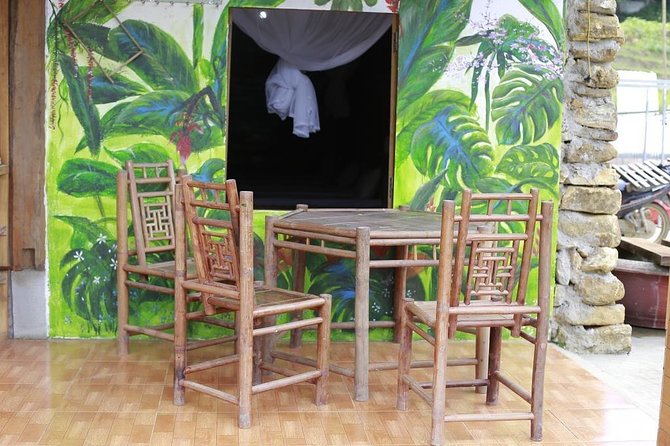
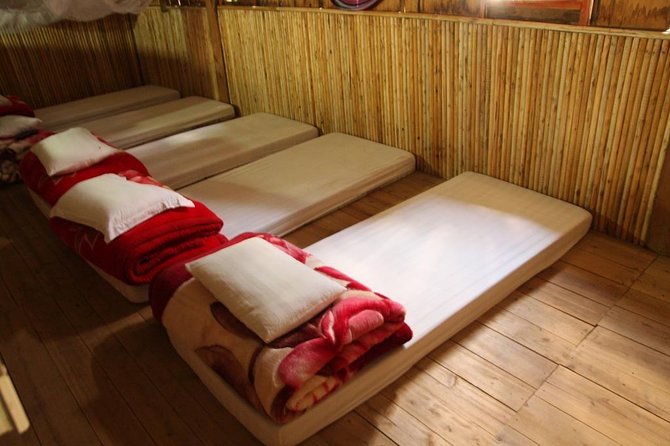
The homestay night is one of the strongest reasons this trip gets such a high recommendation rate. You’re not stuck with “homestay” as a label. You get dinner and breakfast included, plus 1-night accommodation in the homestay.
This is where the trip stops being a standard guided tour and starts feeling like a short stay. You’ll likely share space with other guests too, and the group size stays small enough that you can actually meet people instead of being part of a crowd. If you enjoy learning by watching how hosts live—how meals work, how rooms are set up, how people talk to one another—this part is worth the cost by itself.
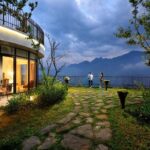
One practical thing to keep in mind: homestays in this region can be different from what you’re used to in Hanoi or on a beach trip. Your comfort depends on the specific homestay. The included items here are clear, though, and the food is described as safe and tasty in the past experiences people share.
After dinner, you’ll have time to wind down and let the day’s walking settle. The next morning starts early, so a calm evening helps.
Day 2 trek: bamboo forest, rice fields, and a suspension bridge
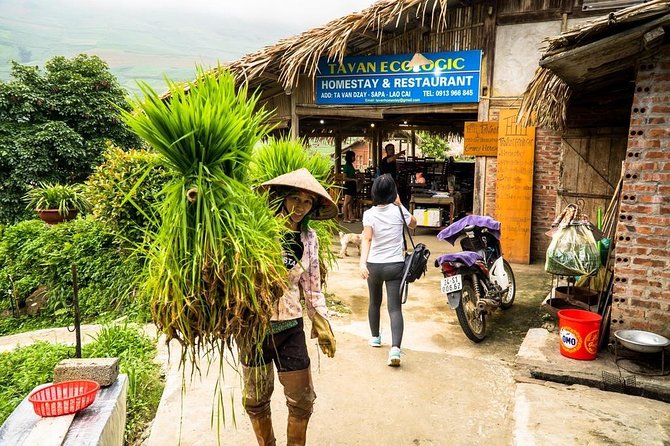
Day 2 begins with breakfast at the homestay around 7:00 am, then a morning start for trekking around 8:30 to 9:00. This is a good timing choice. You avoid the harshest heat if the day is bright, and you also keep energy levels higher than if you woke up and rushed out instantly.
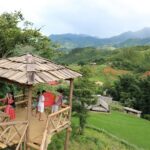
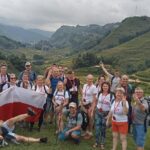
The Day 2 trek takes you toward Giang Ta Chai Village. The walking is listed at about 4 hours, so this is your longer day. The route goes through bamboo forest and rice fields, and you cross a suspension bridge to reach the other side of the river.
That mix is a big part of why people love this trek. Bamboo forest changes the soundscape and the light. Rice fields give you the sense of living agriculture in motion. And the suspension bridge adds a “hold the rail, take a breath” moment that makes the route feel like an actual journey, not just a straight line.
Also, remember the practical side: trekking means your feet are doing the work. Wear shoes you trust. Expect some wet ground depending on recent rain. The tour is built for people with a strong physical fitness level, and it’s not meant for anyone hoping for a fully flat stroll.


Back to Sa Pa for lunch, then the long ride to Hanoi
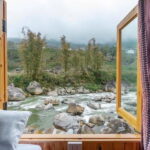
After the trekking portion, you return to Sa Pa around 13:00 for lunch at your hotel. Then you start heading back to Hanoi around 15:00.
This structure is thoughtful. Lunch gives you recovery time right after the longer trek, and the early afternoon departure means you’re not stuck in Sa Pa for hours with nowhere to go. You’re back in Hanoi around 22:00, which brings the trip to a full 2 days and 1 night style loop.
If you’re planning anything for that evening in Hanoi, keep it simple. You’ll be tired. The bus ride is part of the experience, but it’s still a ride. Put your energy into a comfortable dinner and an early sleep, and you’ll feel better about the whole trip.
Price and value: what $79 covers (and why that matters)
At $79 per person, this trek feels like strong value if you compare it to the cost of doing each piece separately.
Here’s what’s included:
- Round-trip air-conditioned coach transport between Hanoi and Sa Pa
- Pickup in the Hanoi Old Quarter
- Homestay for 1 night plus dinner and breakfast
- Lunches (2)
- Local English-speaking guide
- Bottled water
What this means for you is less decision-making. You don’t have to negotiate transport, find a guide, or line up the homestay and meals on your own. In the mountains, that saves time and reduces the chance of mismatched expectations.
Also, the guide component is big. People often assume trekking is just walking, but the real payoff is understanding what you’re seeing: village life, ethnic culture context, and why these villages sit the way they do in the valley. Past experiences with guides like Zu, Nhu, Khu, and Khu Ly highlight strong help and clear English, which makes the whole route easier to enjoy.
The main limitation is the trek environment. This is not a lounge-and-view day. You’re paying for movement, guided interpretation, and a homestay night. If you want luxury, this isn’t that kind of trip.
Who this Sa Pa trek suits best
This is a great match if you:
- Want active walking with cultural village context
- Enjoy meeting people and eating included homestay meals
- Prefer a small group (up to 15) over a big bus-and-bench tour
- Have decent fitness and don’t mind the feeling of wet or muddy paths
It’s less ideal if you:
- Want mostly easy flat walking
- Get stressed when you’re approached by locals trying to sell items while you’re moving
- Are expecting a single mountain climb with a big summit payoff (this is more village-path trekking through valley terrain)
Quick, practical tips to enjoy it more
Bring a good attitude for village walking. Paths can vary, and the best way to enjoy it is to treat it like getting from place to place, not like a stadium hike.
- Plan for early mornings. Breakfast and trekking start times are set.
- Wear shoes you can walk in for hours and that can handle damp ground.
- If you want more breathing room from sales-style interactions, focus on your guide’s explanations and keep moving at a steady pace.
Also, do yourself a favor and ask your guide questions. The guides on this route often take pride in explaining daily life and village customs, and that changes the trek from exercise into understanding.
Should you book this Sapa trekking tour?
I’d book it if you want your Sa Pa trip to feel like a short stay in the highlands, not a quick sightseeing sprint. The combination of two village stops, a homestay night, and a Day 2 trek with bamboo, rice fields, and a suspension bridge is a strong mix for the price.
I’d skip or reconsider if you hate muddy ground, want a mostly dry and easy hike, or are hoping for purely scenic viewpoint time. This trip trades a bit of comfort and schedule flexibility for genuine village-to-village walking, guided context, and included meals that make the overnight part worth it.
FAQ
What time does pickup happen in Hanoi?
Pickup is offered in the Hanoi Old Quarter at 6:30 am, with the bus departing shortly after.
How do you travel between Hanoi and Sa Pa?
You take a round-trip air-conditioned coach bus from Hanoi to Sa Pa and back to Hanoi.
Is the homestay and meals included?
Yes. The tour includes 1-night accommodation at a homestay, plus breakfast, dinner, and lunch on both days.
What villages are visited during the trek?
The trek includes stops for Lao Chai and Ta Van on Day 1, then continues to Giang Ta Chai Village on Day 2.
How long is the trekking on each day?
Day 1 walking is about 2 hours total from Sa Pa to the Lao Chai/Ta Van area, and Day 2 trekking is listed at about 4 hours.
Is there a maximum group size?
Yes. The maximum group size is 15 travelers.
Is cancellation free, and does weather matter?
Cancellation is free up to 24 hours before the start time for a full refund. The experience requires good weather, and if it’s canceled due to poor weather, you’ll be offered a different date or a full refund.