REVIEW · HANOI
Sapa Hard Trekking by Bus for 2 days
Book on Viator →Operated by Wati Travel · Bookable on Viator
Sapa hits different when you earn the views on foot. This 2-day trek from Hanoi pairs terraced valley walking with an overnight stay inside a local home, plus village visits across H’Mong and Tay areas. I love the mix of big scenery moments and everyday, hands-on homestay life, and I also like that the route is active but realistic for people who can handle rustic conditions. One possible drawback: this is not a “sit on a bus and look out the window” trip, so you’ll need real stamina for steep, uneven walking.
On day one, you’ll start with lunch in Sapa town, then trek through Lao Chai (H’Mong) toward Ta Van (Tay) before arriving at your homestay around late afternoon. Day two brings more hiking through a bamboo forest to Giang Ta Chai (Red Dzao), known for weaving. If you’re sensitive to slow travel days, limited comfort, or basic village accommodations, this may feel rough around the edges—but it’s also exactly why it works.
In This Review
- Key Things to Know Before You Go
- Why Sapa on Foot Beats the Quick Lookout Plan
- Day 1: Hanoi Pickup, Sapa Lunch, and the Valley Trek to Ta Van
- Trek segment: Lao Chai (H’Mong) to Ta Van (Tay)
- Arrival at the homestay around 5:00–6:00 pm
- Homestay Evening: Cooking Together and a Starry Night That Actually Feels Quiet
- What to realistically expect from “rustic”
- Day 2: Bamboo Forest Hiking to Giang Ta Chai and Red Dzao Weaving
- Trek highlight: bamboo forest to Giang Ta Chai
- Lunch, then back to Sapa
- Dinner before arrival in Hanoi
- Price and Value: What $97.44 Buys You (and Why It’s Not Just “Cheap Transport”)
- Transport Logistics: Early Starts, Limited Pickup, and What to Watch
- Fitness and Packing: How to Make “Hard Trekking” Feel Hard in the Right Way
- Fitness expectations
- What to bring (based on the tour’s recommendations)
- A note on age and group requirements
- Who This Sapa Trek Suits Best (and Who Should Rethink It)
- Should You Book This Two-Day Sapa Trek?
- FAQ
- What does the tour cost, and how long is it?
- Where do you meet in Hanoi, and what time does the trip start?
- Is this tour suitable for kids or teens?
- How much walking is involved?
- What’s included in the price?
- Can I cancel and get a refund?
Key Things to Know Before You Go

- Small-group feel (max 20 travelers) with a local English-speaking guide guiding the pace and stops
- Homestay overnight in a village home, including a shared dinner and time to learn how people live
- Two big walking days total about 10 miles / 16 km, split across valleys, paddies, and forest paths
- Ethnic village route: Lao Chai (H’Mong), Ta Van (Tay), and Giang Ta Chai (Red Dzao weaving)
- Coach transport from Hanoi with pickup only in the Old Quarter, then hiking with no extra vehicle during the trek
Why Sapa on Foot Beats the Quick Lookout Plan
Sapa is famous for views. The trick is how you get them. On this kind of 2-day trekking setup, the scenery isn’t just something you pass by—it shows up again and again, because you’re moving through the same valleys and paths the locals use.
What makes this trip especially appealing is that it balances the visual with the human side. You’ll get terraced rice views framed by mountains, then you’ll land somewhere calmer: inside a small community home, with dinner made in a traditional way and conversation that’s more than “tour talk.”
Also, the walking distance is clearly the point. You’re looking at about 16 km total over two days, and the itinerary is built around that active rhythm. That’s great if you want exercise, fresh air, and a sense of progress each day. It’s less great if your idea of comfort is a smooth road and frequent stops.
You can also read our reviews of more tours and experiences in Hanoi.

Day 1: Hanoi Pickup, Sapa Lunch, and the Valley Trek to Ta Van
Your day starts early. The bus picks you up from your hotel in the Hanoi Old Quarter between about 6:15 and 6:30 am. There are one or two short breaks en route so you can use the restroom and stretch your legs.
You’ll reach Sapa around 12:30 pm. Expect a staff pickup for lunch in town. This matters more than it sounds. Those early mountain walks go better when your body is fueled, and lunch in Sapa gives you a chance to settle before the trail work starts.
Trek segment: Lao Chai (H’Mong) to Ta Van (Tay)
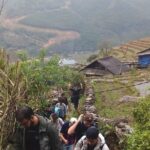
After lunch, the trekking lasts about 3–4 hours and runs through the valley villages:
- Lao Chai, home of the H’Mong people
- Ta Van, home of the Tay people
This is where the “valley with mountains and rice paddies” description becomes real. You’ll see rice terraces from angles that change as you walk—sometimes higher up (a sweeping top view), sometimes lower down (the paddies filling the bottom of your frame). Even if you’ve seen Sapa photos before, walking the route tends to make everything feel more connected.
A practical note: this is rustic trekking. The trails can be uneven and the pace will be dictated by terrain, not by a timeline that matches your comfort. If you’re prone to overpacking your day with expectations, keep it simple: walk, pause when your guide stops, and let the views come to you.
Arrival at the homestay around 5:00–6:00 pm
You’ll arrive at your homestay around 5:00–6:00 pm, after daylight trekking. When you get there, you’ll be welcomed by the host family. This is a nice contrast to the earlier “travel day” feel—by late afternoon, it becomes about slowing down.
One more thing I like about the schedule: you’re not arriving at night with no time to adjust. You’ll still have a window for settling in and getting a sense of the village.
Homestay Evening: Cooking Together and a Starry Night That Actually Feels Quiet
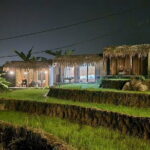
The homestay experience is the heart of this tour. This is where “authentic” becomes more than a marketing word.
You’ll share dinner with the host family and get a chance to cook together in their traditional way. That matters because it’s interactive: you’re not just eating, you’re participating. You can also ask questions about daily routines, village life, and what the seasons mean for work in the valley (you might learn more from a 10-minute conversation than from an entire museum visit).
Then there’s the night sky. The program points you toward a starry night in the village, and that’s exactly the kind of payoff that doesn’t happen in town hotels—because the lighting is different and the air often feels clearer.
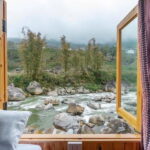



What to realistically expect from “rustic”
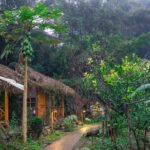
Homestay doesn’t mean “comfortable western hotel.” You should expect simpler conditions, basic facilities, and living at the village pace. If you’re going into it with patience, you’ll enjoy it. If you’re used to quiet, climate-controlled rooms and daily housekeeping, you may find the change jarring.
That said, this is also why homestays can be one of the best value choices in Vietnam. You’re getting the accommodation, several meals, and the cultural access built into the package.
Day 2: Bamboo Forest Hiking to Giang Ta Chai and Red Dzao Weaving
The second morning begins with breakfast at the homestay. Then you continue trekking with a route that shifts scenery again—this time with a bamboo forest segment.
Trek highlight: bamboo forest to Giang Ta Chai
The hike takes you to Giang Ta Chai village, home of the Red Dzao people. This community is known for weaving skills, and that cultural angle gives the day more meaning than a pure scenery walk.
As you’re hiking through bamboo, the atmosphere tends to feel cooler and more shaded than open valley trails. It’s a good reset after the first day’s rice paddy viewpoints. You’re still working your legs, but the environment keeps changing, so the day doesn’t feel repetitive.
Lunch, then back to Sapa
After the trekking, you’ll have lunch and then transfer back toward Sapa by car/bus. The schedule sets you up to catch the return trip to Hanoi in the afternoon.
A key time marker: you get on the bus back to Hanoi around 3:30 pm.
Dinner before arrival in Hanoi
Before the bus arrives in Sapa, the dinner is prepared and provided. You’ll reach Hanoi around 10:00 pm, with the bus stopping at a station or bus office.
This means the trip ends with a travel flow, not a calm last meal back in your hotel. So if you’re planning your next day in Hanoi, do yourself a favor: keep it light.
Price and Value: What $97.44 Buys You (and Why It’s Not Just “Cheap Transport”)
At $97.44 per person for roughly two days, the value here comes from what’s included—not just the transportation.
You get:
- Round-trip coach transport from Hanoi (air-conditioned)
- Hotel pickup in the Old Quarter only
- 1-night homestay
- Meals: breakfast, lunch, dinner (plus dinner on the return day per the schedule)
- Bottled water
- Local English-speaking guide
- Taxes/fees/handling charges
That package can be a good deal because you’re not separately booking your accommodation and most meals. More importantly, you’re paying for access: a guide, the village connection, and the walking route that brings you to Lao Chai, Ta Van, and Giang Ta Chai without you needing to figure out logistics alone.
Where the price can feel less friendly is if you’re the type who insists on a lot of personal extras. Drinks aren’t included, and the trip also doesn’t include hotel drop-off on the return. But if you pack smart and plan for a simpler end-of-day arrival, the cost-to-experience ratio is solid.
And here’s a practical reassurance from past travel: one person praised Wati Travel staff for handling requirements professionally (they mentioned Kathy Vu by name in a separate trekking context). That kind of service matters when you’re dealing with early pickups and tight village schedules.
Transport Logistics: Early Starts, Limited Pickup, and What to Watch
This tour is built around the idea that you’ll start in Hanoi Old Quarter and then get out to the Sapa region fast.
A few details that affect your real day:
- Pickup is within the Old Quarter only. If you’re staying outside that area, you may need to make your own way to the pickup zone.
- Hotel drop-off isn’t included, so on the way back to Hanoi you’ll disembark at a station/bus office rather than being delivered to your exact hotel door.
- During the trek, there’s no extra vehicle transportation. You’re on foot the whole time for the active parts.
Also, the tour says it uses a mobile ticket, so keep an eye on your phone access and battery before morning departure.
If you’re the kind of traveler who likes mixing transport styles, there are people who adjust routes using extra options like an overnight sleeper train to Lao Cai before joining the Sapa leg. If you want to do that, you’ll need to coordinate timing carefully with the operator—but it’s a reminder that flexibility is possible.
Fitness and Packing: How to Make “Hard Trekking” Feel Hard in the Right Way
The tour is described as a hard trekking experience and the walking totals are meaningful, so you should prepare like a real trek—not like a casual stroll.
Fitness expectations
You’re hiking about 3–4 hours on day one, and another full trekking day on day two (starting after breakfast). The route covers valleys, rice terraces, and bamboo forest, so expect slopes and uneven ground.
The good news: the tour is suitable for people who are active and comfortable with rustic conditions, and there’s a guide to keep you moving safely.
What to bring (based on the tour’s recommendations)
The recommended items are practical and worth following:
- Sporty clothes you can move in
- Good walking shoes
- Hat
- Sunglasses
And add one common-sense item even if it isn’t listed: a small day bag for water and snacks. You’ll have bottled water included, but having your own stash can make you feel calmer.
A note on age and group requirements
- Minimum age is 14, and children must be with an adult
- Minimum of 02 people per booking
- Max 20 travelers for the group
If you’re traveling with teens, confirm everyone’s comfortable with the pace and uneven terrain.
Who This Sapa Trek Suits Best (and Who Should Rethink It)
This is a great fit for:
- You want active time outdoors, not just postcard stops
- You enjoy meeting people and learning through simple participation, like cooking with your hosts
- You’re curious about ethnic village life across H’Mong, Tay, and Red Dzao communities
It may not be your best match if:
- You want a fully comfortable hotel-style stay and lots of modern amenities
- You’re not confident walking uphill or handling uneven paths
- You prefer not to travel late on the final day (you’ll return to Hanoi around 10:00 pm)
Also, if your travel style is ultra-planned and you hate uncertainty, homestays and rural timing can feel less predictable. On the other hand, that’s also where the experience becomes memorable.
Should You Book This Two-Day Sapa Trek?
Book it if you want Sapa in a way that feels earned: valleys you walk through, villages you spend time in, and an overnight stay that turns the trip into more than a photo route.
Think twice if you’re chasing comfort first. This trek rewards people who can handle rustic living for one night and who treat walking days as part of the adventure.
My decision rule is simple: if you’re comfortable with about 16 km of trekking total and you’re excited by homestay life, this tour is likely a strong value. If you’d rather keep your days mostly flat, or you dislike basic village conditions, you’ll probably feel happier choosing a gentler option.
FAQ
What does the tour cost, and how long is it?
It costs $97.44 per person and runs for about 2 days.
Where do you meet in Hanoi, and what time does the trip start?
Pickup is from the Hanoi Old Quarter area, with a start between 6:15 and 6:30 am. The start time is listed as 6:30 am.
Is this tour suitable for kids or teens?
The minimum age is 14, and children must be accompanied by an adult.
How much walking is involved?
You’ll walk about 10 miles (16 km) total over the two days.
What’s included in the price?
Included are round-trip air-conditioned coach transport, a local English-speaking guide, 1-night homestay, and meals (breakfast, lunch, dinner), plus bottled water and taxes/fees. Drinks and hotel drop-off are not included.
Can I cancel and get a refund?
Yes. Free cancellation is available if you cancel at least 24 hours before the experience starts for a full refund. If you cancel less than 24 hours before, the amount paid won’t be refunded.