REVIEW · HANOI
Sapa 3 Days Trekking Tour (1 Night in Bungalow, 1 Night In Hotel)
Book on Viator →Operated by LOCAL TOURS VIETNAM · Bookable on Viator
Sapa hits fast: a long morning bus ride, then trekking valleys. I like that this tour mixes classic village stops like Cat Cat with a real homestay night in Ta Van, and I like the practical structure—bus, guide, meals, and lodging already handled. The one real drawback to consider is that the trekking adds up, so you’ll want to be ready for several multi-hour walks with early mornings.
You’ll get an English-speaking local guide, door-to-door-style pickup in Hanoi Old Quarter, and a small group capped at 9 travelers. Guides in this kind of format can be friendly and hands-on, but instructions (like what to pack for the homestay) aren’t always crystal clear, so plan to pack simply and separately for day vs. overnight.
In This Review
- Key things to know before you go
- Entering Sapa the practical way: value, route, and what your $125 buys
- Hanoi to Sapa: the 6-hour coach ride that sets your whole pace
- Day 1 in Sapa: Cat Cat village, waterfall views, and an easy-to-start trek
- Day 2: Muong Hoa Stream rice terraces to Lao Chai, then Ta Van homestay life
- Day 3: Giang Ta Chai cooking lesson, bamboo forest trek, and return to Hanoi
- Guides, pacing, and why past guests loved the people (even with some comms hiccups)
- What trekking feels like here (and how to prepare without overthinking)
- Price and logistics: is $125 fair for Sapa, or a budget trap?
- Should you book this Sapa 3-day trekking tour?
- FAQ
- How do pickups work for this Sapa tour?
- What lodging is included during the 3 days?
- Are meals included, and what’s covered?
- How much trekking will I do?
- Which villages will we visit?
- Is this tour limited to small groups?
Key things to know before you go
- Small group size (up to 9): more personal pacing on village paths and better guide attention.
- Cat Cat + Ta Van are the heart of it: you’ll walk into daily life at Black Hmong and Dzay communities.
- Muong Hoa Stream day is a workout: expect a longer hike portion (and real breaks only when the schedule stops).
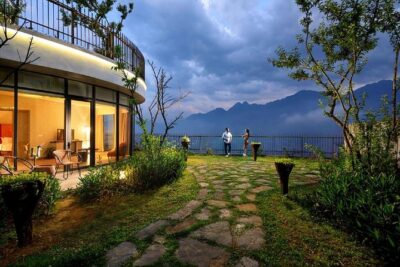
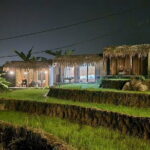
- You sleep in two styles: 1 night in a Sapa town hotel, plus 1 night in a rural bungalow/homestay.
- Included meals remove stress: breakfast, lunch, and dinner are built into the plan.
- Comms and day-to-day clarity can vary: one past guest noted next-day info wasn’t always delivered smoothly.
Entering Sapa the practical way: value, route, and what your $125 buys

This is one of those Sapa tours that makes sense on price because a lot of the expensive parts are bundled. For about $125 per person, you’re not just buying a couple of treks—you’re also paying for round-trip AC bus transfer (Hanoi–Sapa–Hanoi), guides, lodging (hotel + homestay bungalow), and meals across the three days. That matters because Sapa is remote enough that transportation and food planning can quietly become the real cost.
You also get a tight itinerary with defined stops: Cat Cat, Lao Chai, Ta Van, and Giang Ta Chai. Those names matter because they’re not just scenic viewpoints; they’re villages where daily routines shape the walk. The tour is designed to fit limited time. Instead of spending your whole trip in transit and random stops, you move through the valley system with guidance and set meal timing.
The vibe is group trekking, not solo adventure. You’ll follow a route that typically includes river views, terraces, and bamboo sections, with photo moments built in. If you want flexibility to linger for hours or hike at your own pace all day, this format may feel a bit scheduled. If you want structure and zero planning work, it’s a strong match.
One more thing: past guests specifically praised the overall experience as a must-do, especially for the views and the homestay meal, and another guest called out how smooth the Hanoi pickup and comfort breaks were on the coach.
You can also read our reviews of more tours and experiences in Hanoi.

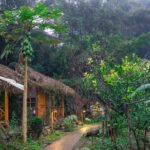
Hanoi to Sapa: the 6-hour coach ride that sets your whole pace
The day starts early: pickup from Hanoi Old Quarter at 6:30 AM, then you transfer to the big bus. You’ll be on the road for about 6 hours, with a comfort break en route. This timing is the trade-off that buys you three full days of trekking and village time. If you’re sensitive to early starts, I’d treat this tour as a “big day” from the beginning.
The upside is that you avoid the stress of arranging your own transport and navigating the road system. The coach is modern with air-conditioning and comfortable seats, and the schedule includes a first break around the Lao Cai stretch.
Once you arrive in Sapa town, you’ll wait about 30 minutes at the bus station for the tour guide and driver. Then you get taken to your hotel. After that, you’ll be briefed on the plan, usually followed by lunch with local Vietnamese dishes.
This is one of those journeys where you’ll feel it more if you try to travel light. That’s not about comfort—it’s about the logistics later when you need a smaller bag for village nights. One past guest mentioned they were unsettled because they didn’t realize they’d need a separate light bag for the homestay. My advice: pack one small day/trek bag you’re ready to carry, and keep your main luggage in Hanoi if possible (or at least follow the homestay packing approach your guide suggests).
Day 1 in Sapa: Cat Cat village, waterfall views, and an easy-to-start trek

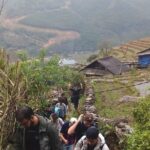
After lunch and briefing in Sapa town, you head to Cat Cat village, home of the Black Hmong community. The walk is about 3.5 km and takes roughly 2 hours. That’s a manageable “first trek” length, which is exactly how Day 1 should feel: enough time to learn the rhythms of village life, not so much that everyone is wiped out before dinner.
You’ll begin with a short walk to the village gate. From there, the experience is a guided walk into daily activities—how people live, how work connects to the valley, and what life looks like near the foot of Fansipan Peak. You then trek down toward the valley bottom to reach a waterfall area connected to a French-built hydraulic power station site. There’s also time for photos with the bridge and waterfall, and then you’ll walk uphill again to where you reconnect with the bus back to Sapa in the afternoon.
For most people, this is the first moment where Sapa feels real. The valley depth, the sound of water, and the sense that the trail is part of village life—not just scenery—makes the day click.
Back in Sapa town, you’ll have dinner and an overnight at the hotel. Past feedback highlighted that dinner and the homestay-style food moments can be memorable, so I’d treat your Day 1 evening as part of the experience, not just downtime.
Day 2: Muong Hoa Stream rice terraces to Lao Chai, then Ta Van homestay life
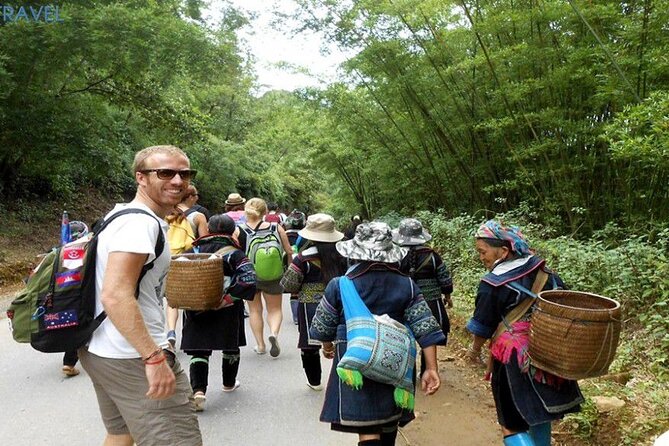
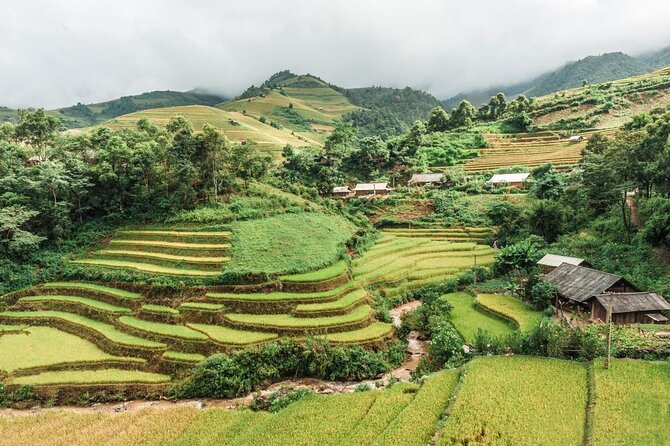
Day 2 is where the tour shifts from “settling in” to “earning your views.” Start with breakfast at the hotel, check out, and hit the trail. You’ll trek between 7:00–8:45 AM, moving through rice terraces and along the Muong Hoa Stream.
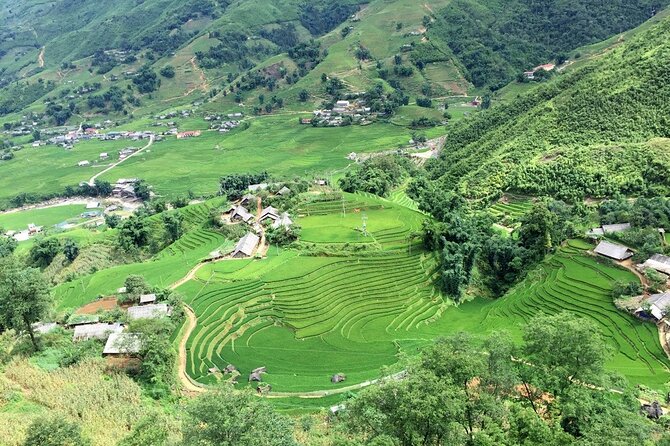
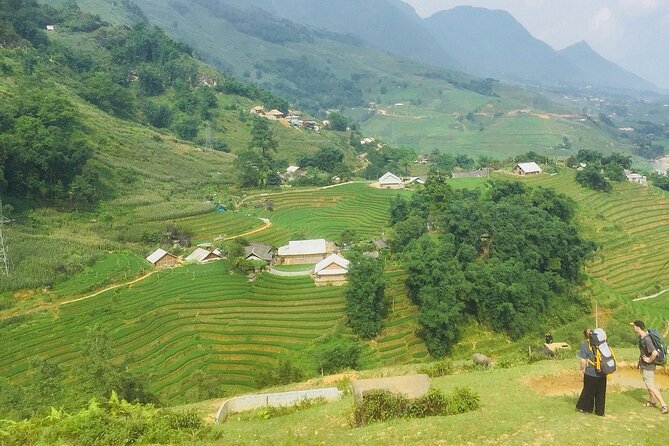
The route continues toward the Black Hmong village of Lao Chai. This segment is described as about 12 km and around 4 hours. That’s a real walking block. You’ll also get the classic Hoang Lien Son Mountain scenery from the trail, which is why so many people book this area in the first place.
What I like about this day is that it’s not just “walk, look, walk.” You’re moving through changing terrain: stream edges, terrace sections, and village viewpoints along the way. It feels like the valley is guiding you rather than the other way around.
Lunch is provided in the middle of the hiking day—made by a family—and then you approach Ta Van Village in the late afternoon. Ta Van is Dzay territory, and the vibe shifts from Black Hmong villages to a different community rhythm.
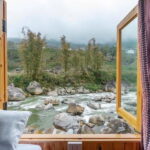
Then comes the best part of the itinerary for many people: the homestay night. You’ll check in to the homestay, meet the family, and spend time enjoying mountain life at sunset. Cooking is part of the plan, at least as optional or possible involvement (you can join with local dishes with the family), then you’ll have dinner.
In the evening, there’s also the option to join a local bar nearby with music and socialize with other travelers. If you’re craving authentic quiet, you can skip that. If you want a social atmosphere after a long walk, it’s there.
This is also where small-group format matters. In a group of up to 9, you’re less likely to feel like a number. It’s easier for a guide to adjust for who’s tired and who wants more stops for photos.
Day 3: Giang Ta Chai cooking lesson, bamboo forest trek, and return to Hanoi

Day 3 starts with morning activities in a village setting. You can join a cooking class focused on Vietnamese foods like Pho and Nem Cuốn. Even if you’re not a confident cook, this tends to be one of those short, friendly experiences that makes the morning feel like culture, not just movement.
After breakfast prepared by the family, you set out on the next trek. You’ll walk toward the rice paddies for photos, then continue through a bamboo forest section. You also stop for a panorama view of Giang Ta Chai Village, home of the Red Dzao (Red Dzao) People.
That trek portion is about 3 km and around 3.5 hours, which is lighter than Day 2 but still long enough to enjoy. You’ll cross the Giang Ta Chai Bridge and reach the main road, then lunch is served around midday (between 12:00 and 12:30).
After lunch, the day turns into a recovery mode. A bus picks you up around 13:00–13:30 back to Sapa town. You’ll have free time to relax, and you can shower in a public bathroom at the hotel if you want.
Then comes the ride back to Hanoi. You’ll depart Sapa around 14:30–15:00, with two comfort breaks. You arrive Hanoi around 21:00 and get dropped back near the Old Quarter, at 70 Nguyen Huu Huan street, with staff helping with luggage and taxi direction.
Practical note: after a hiking day plus the return bus, you’ll want dinner plans in Hanoi that don’t require effort. This tour ends later than many other half-day departures, so keep your first evening back flexible.
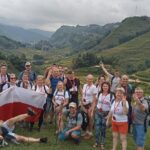


Guides, pacing, and why past guests loved the people (even with some comms hiccups)
This tour runs with an English-speaking local guide in Sapa, plus a small-group setup that can feel personal. Past guests specifically named guides like Chiu and Lala and praised them as kind, helpful, and focused on the group experience.
One guest also mentioned that there were two different guides across the 3D2N format, and that the transition wasn’t always communicated well. In that story, the person felt a bit unsettled because they didn’t have clear info on the next day and didn’t realize they needed a separate light bag for the homestay. Another guest did mention communication not being great, which usually means you should rely more on your own packing and less on last-minute confirmations.
So here’s how I’d handle it without losing the warmth of the experience:
- Pack for trekking first, and only then think about souvenirs and extras.
- Keep a small bag ready for the homestay day, rather than assuming you’ll have time to re-pack.
- If something feels unclear, ask your guide directly during the day you’re still in Sapa town. That’s when answers are easiest.
The good news: even with comms hiccups, the guides’ kindness showed up repeatedly. And that’s what makes village trekking in Sapa work—someone local who can translate what you’re seeing and keep the group moving safely.
What trekking feels like here (and how to prepare without overthinking)

You’ve got multiple trekking days with distances and time windows that add up. Here’s a simple way to picture it:
- Day 1: about 3.5 km / 2 hours to Cat Cat, with downhill and then a return uphill.
- Day 2: about 12 km / 4 hours along Muong Hoa Stream and terraces toward Lao Chai, plus additional walking transitions to Ta Van.
- Day 3: about 3 km / 3.5 hours in the Giang Ta Chai area, including bamboo forest and viewpoints.
So you should be ready for sustained walking on uneven paths. You’re not just doing a casual stroll in a park.
What’s most important is pacing and comfort:
- Wear shoes you trust. Sapa trails can be slippery, especially around morning humidity and after rain.
- Bring layers. Even when daytime feels mild, mornings and evenings can cool down quickly in the mountains.
- Carry water and a light snack only if you know your guide’s break plan. Meals are included, but trekking stretches between provided stops can feel long.
Homestay evenings are part of the deal. You’ll check in to the Ta Van homestay family and spend time with them, including possible cooking involvement. That means you’ll want to look and behave appropriately—quiet, polite, and ready to adapt to a simpler setting than a hotel.
Price and logistics: is $125 fair for Sapa, or a budget trap?
At $125 per person, this feels fair because the tour includes the heavy hitters:
- Round-trip AC bus between Hanoi and Sapa
- Hotel in Sapa for one night, plus rural bungalow/homestay for another night
- English-speaking guide
- All meals during the tour (2 breakfasts, 3 lunches, 2 dinners)
- Entrance fees and sightseeing stops tied to the program
If you tried to buy those separately, you’d likely spend more than the tour price just on transportation and lodging. You also benefit from route planning. Sapa village trekking is not hard if you have a local guide, but it’s easy to get it wrong if you don’t.
The only reason to hesitate on price is if you’re looking for total freedom or a very slow pace. This is a schedule-driven trek where the route fills your time.
If that schedule sounds like what you want, you’ll probably feel like the tour pays you back fast with less hassle and more actual walking time.
Should you book this Sapa 3-day trekking tour?
Book it if you want:
- Guided village trekking in places like Cat Cat, Lao Chai, Ta Van, and Giang Ta Chai
- A built-in plan with meals and sleeping arranged
- A small group format (up to 9) so you’re not stuck moving like a herd
- A mix of scenery and culture, including a cooking lesson and homestay dinner moments
Skip it or consider another option if you:
- Hate early mornings and long transit days
- Want very flexible pacing with lots of solo time
- Are not comfortable with multi-hour hikes on mountain paths
If you decide to go, do one simple thing that makes the biggest difference: pack a light bag for the homestay day and keep your main luggage controlled during transfers. It helps you avoid the exact kind of confusion one guest ran into. Then focus on what this tour is best at—walking through real village life, not just checking off Sapa sights.
FAQ
How do pickups work for this Sapa tour?
You’re picked up from Hanoi Old Quarter at 6:30 AM on Day 1 and transferred by bus to Sapa. On the return, you arrive back around 21:00 near the Old Quarter at 70 Nguyen Huu Huan street, with staff helping with luggage and taxi directions.
What lodging is included during the 3 days?
The tour includes 1 night in a hotel in Sapa town and 1 night in a bungalow/homestay in the rural village area.
Are meals included, and what’s covered?
Yes. All meals on the tour are included: 2 breakfasts, 3 lunches, and 2 dinners.
How much trekking will I do?
You’ll walk multiple days. Notable segments include about 3.5 km / 2 hours for Cat Cat (Day 1), about 12 km / 4 hours for the Muong Hoa Stream and Lao Chai section (Day 2), and about 3 km / 3.5 hours for Giang Ta Chai (Day 3), plus additional walking within the village areas.
Which villages will we visit?
You’ll visit Cat Cat, Y Linh Ho / Lao Chai area, Ta Van, and Giang Ta Chai during the trek.
Is this tour limited to small groups?
Yes. The group size is limited to a maximum of 9 travelers.