REVIEW · KATHMANDU
10 Days Everest Base Camp Trek
Book on Viator →Operated by Everest Trekking Routes Pvt. Ltd. · Bookable on Viator
Everest Base Camp feels close. This 12-day trek pairs big acclimatization days with Sherpa culture, and I like how the route doesn’t just sprint to the highlight. I also like the licensed guide support you get—on the team I’ve seen mentioned, Dhansingh and assistant PJ take altitude worries seriously, which makes the whole climb feel more manageable.
One possible drawback: the plan depends on weather-sensitive flights and mountain conditions, and the base price doesn’t cover everything you might want (hot showers, Wi-Fi on the trail, and some drinks). If you’re expecting comfort add-ons every day, you’ll want to budget extra and pack smart.
In This Review
- Key Things That Make This Everest Base Camp Trek Work
- The Big Idea: Why This Trek Feels More Than Just a Base Camp Check
- Kathmandu: Durbar Square First, Thamel Later
- The 6:15am Start and Pickup: Small Detail, Big Stress Saver
- Lukla to Phakding: The Trek Begins in Earnest
- Namche Day: The Right Kind of Adventure (and an Irish Pub Stop)
- Phortse Day: River Valley Trek Time and Recovery
- Dingboche View Day: Where the Air Gets Real
- Lobuche: The Walk Toward the Higher Stages
- Gorak Shep and Everest Base Camp (5,364m): Your Big Day
- Kalapathar (5,545m) to Pheriche: A View That Costs Effort
- Long Return: Namche Again, Then Lukla
- Kathmandu Wrap-Up in Thamel: Food, Laundry, and Decompression
- Price and Value: What $1,470 Covers (and What It Doesn’t)
- What Your Guide Team Really Changes
- Weather Rules: When the Mountain Runs the Schedule
- Who This Trek Best Fits (and Who Should Rethink It)
- Should You Book This Everest Base Camp Trek?
- FAQ
- How long is the Everest Base Camp trek?
- How do the flights work on this trek?
- Is accommodation included on the mountain and in Kathmandu?
- What meals are included in the price?
- What costs should I expect outside the package?
- What time does the trip start, and is pickup included?
- Is this a private group trip?
- What happens if poor weather cancels the trek?
Key Things That Make This Everest Base Camp Trek Work
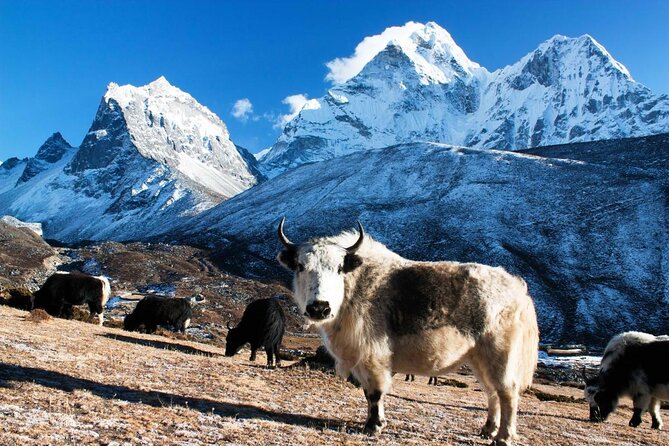
- Lukla flights round-trip are included, saving you from the most complicated part of this trip.
- Tea-house trekking for 9 nights, with core meals included so you’re not making constant food decisions at altitude.
- A licensed guide and support team, with the human factor doing real work when the air gets thin.
- Kalapathar (5,545m) is built in, giving you a shot at one of the trek’s most talked-about views.
- Kathmandu start and wrap-up, with Durbar Square and Thamel included so you’re not just flying in and out.
- Adventure certificate after the trip, a nice paper keepsake for completion.
The Big Idea: Why This Trek Feels More Than Just a Base Camp Check
Everest Base Camp is the headline, but the value here is the way you get there step by step. You’re not just chasing a summit photo—you’re trekking through Sherpa villages, tea houses, and mountain passes where each day adds context.
I like that the itinerary includes both trekking effort and recovery time. The days around Namche, Dingboche, and Lobuche matter because they help your body adjust before the higher stretch.
You’ll also feel the cultural side of the Everest region. Even in a short 10-day trekking window, the route is designed around the communities and landmarks that shape life in the Himalayas.
You can also read our reviews of more tours and experiences in Kathmandu.
Kathmandu: Durbar Square First, Thamel Later
Most people arrive in Kathmandu feeling jet-lagged and jet-hungry. This trip gives you a quick, useful start on Day 1 with a visit to Kathmandu Durbar Square before the trekking reality kicks in.
That early sightseeing is more than a flex. It helps you get oriented fast—streets, traffic flow, shop density, and the general rhythm of the city—so you don’t feel totally lost on the morning you head for the airport and your Lukla flight.
On the back end, Thamel becomes your decompression zone. You’ll have time to explore and handle essentials before final departure, which is handy since trekking gear needs and snack cravings show up fast once you’re in the mountains.
The 6:15am Start and Pickup: Small Detail, Big Stress Saver
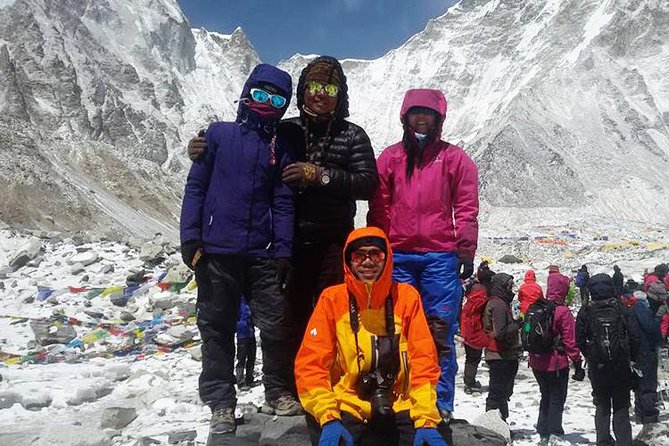
Your trip start time is 6:15am, and the program includes airport to hotel and hotel to airport transfers by private car/van/bus. That combo matters in Kathmandu, where timing and traffic can turn a simple morning into a stress test.
If you hate scrambling—finding transport, negotiating prices, or guessing where to stand at the terminal—this setup is a real comfort. Also, the listing includes a mobile ticket, which usually means less paper chaos.
Plan to keep your morning calm. You’ll move faster when you’re not also fighting confusion about where you’re supposed to be.
Lukla to Phakding: The Trek Begins in Earnest
Day 2 is where the trip turns into a true trek. You fly about 30 minutes to Lukla and then continue on foot to Phakding.
That first walking segment is long enough to wake up your legs but not so punishing that you burn out immediately. It’s a good day to settle into the rhythm: steady pace, short rests, and getting used to the “breathe, walk, sip” pattern.
One practical note: domestic flights are included both ways, but mountain weather can still affect flight timing. Build in patience. This is one of those trips where calm beats control.
Namche Day: The Right Kind of Adventure (and an Irish Pub Stop)
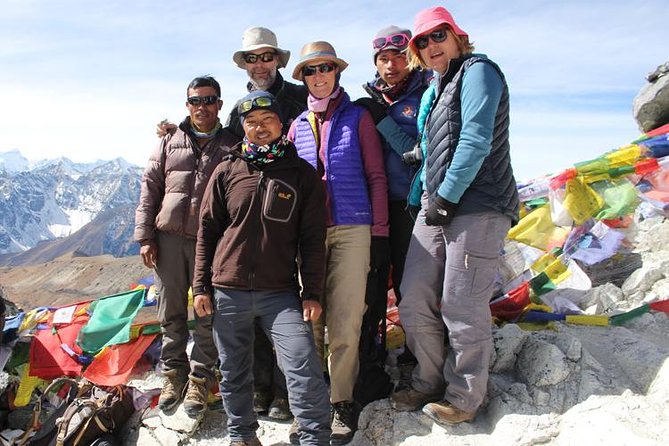
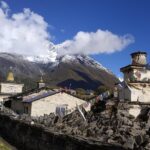
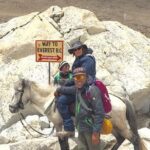
On Day 3, you trek about 6 hours to Namche. This is a key transition day because you’re starting to enter the heavier-altitude village zone, where views open up and people slow down.
The itinerary includes a stop at an Irish Pub on the Namche side. That sounds random, but it’s actually useful: it’s a reminder that Namche isn’t just a transit point. It’s a proper hub with places to eat, regroup, and refuel mentally before your acclimatization days.
You’ll likely feel the altitude creeping in here. If you go too fast, you’ll pay for it later. So keep your effort steady and let the height do its job slowly.
Phortse Day: River Valley Trek Time and Recovery
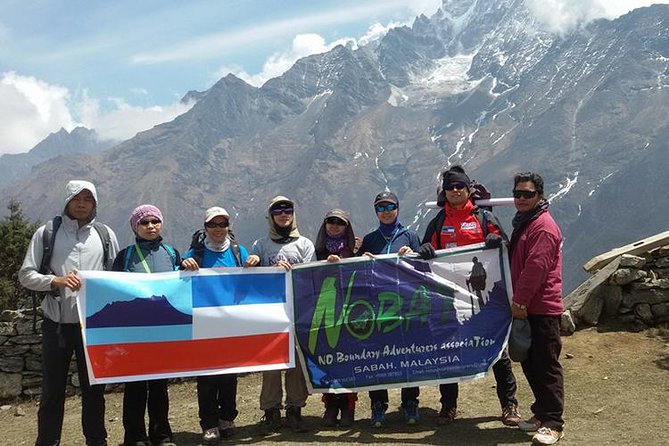
Day 4 brings another roughly 6-hour walk to Phortse. The plan calls out a stop at a River Resort, which hints at how varied the scenery and stops can be during this part of the route.
This day is valuable because it supports the larger goal: getting your body ready for higher sleeping elevations. You’re building familiarity with trekking logistics—where you stop, how often you drink, and how to manage cold.
If you tend to push, this is a good day to practice the opposite. I prefer using these middle days to keep effort controlled, not heroic.
Dingboche View Day: Where the Air Gets Real
Day 5 heads toward Dingboche with about 6 hours walking. You also get a stop at Dingboche View Point, which gives you a moment to take in the scale of the Everest region.
This is the part of the trek where altitude fatigue can sneak up. Even if your legs feel okay, your breathing might get sharper. That’s normal.
The practical win here is that Dingboche gives you a place to adjust before going higher. The route is designed so you’re not sleeping at the top of the world without easing in first.
Lobuche: The Walk Toward the Higher Stages
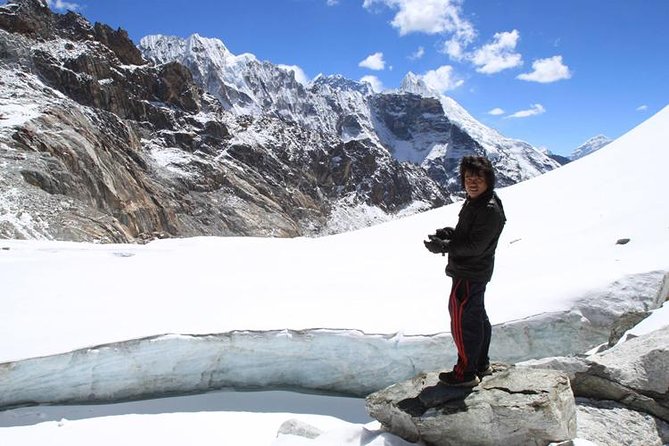
Day 6 is about 5 to 6 hours to Lobuche. Lobuche is often where hikers start thinking more seriously about what comes next—Gorak Shep, Everest Base Camp, and Kalapathar.
From a comfort standpoint, tea-house trekking at this stage means your routine matters: you’ll eat early, stay warm when you stop, and try not to waste energy after dark.
Since hot shower access isn’t included, I’d plan on doing the cold-water basics until you return to Kathmandu. Bring a practical approach to staying clean without expecting spa-level comfort.
Gorak Shep and Everest Base Camp (5,364m): Your Big Day
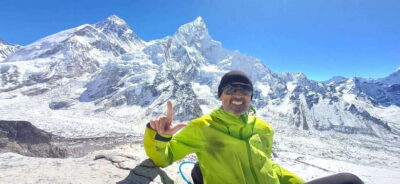
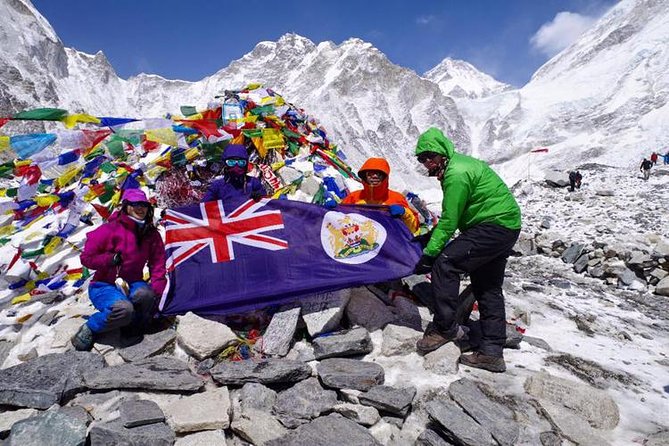
Day 7 is the heavy-hitter. You trek to Gorakshep and then push on to Everest Base Camp at 5,364m.
This isn’t just a walking day—it’s a high-altitude objective day. You’ll want to pace carefully and save your energy for the time you spend actually at Base Camp, not only for the hiking.
Gorak Shep is also where the “how do I feel at this altitude” truth really shows up. I’d treat this day like a physical test and a mental one. Go slow, breathe deliberately, and don’t try to prove anything to anyone.
Kalapathar (5,545m) to Pheriche: A View That Costs Effort
Day 8 includes a hike to Kalapathar Peak (5,545m) and then trekking on to Phiriche. The day is built for one reason: the view.
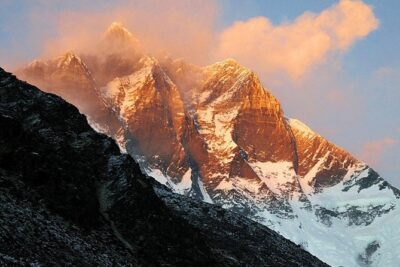
This is the moment where you’ll understand why people plan multiple trips just to chase a good weather window at altitude. You’re trading more climbing for the chance to see Everest and the surrounding ridgelines from a higher angle.
After that big push, you trek to Pheriche for recovery. That balance is smart: you get your wow moment and then you still have the chance to keep your body together for the return days.
Long Return: Namche Again, Then Lukla
Day 9 is a longer walk back toward Namche—about 7 hours. This is one of those days where your mind might be ahead of your body. You’ll likely feel proud, but your legs will also ask for patience.
Day 10 brings you back to Lukla for the overnight stay, with a 7-hour trek. When you’re done with this day, you’ll feel it. Not because Everest is suddenly easy—because you’ve already paid the price over multiple days.
The value of this structure is that it gives you multiple days of realistic trekking. You’re not turning the whole trip into one exhausting sprint.
Kathmandu Wrap-Up in Thamel: Food, Laundry, and Decompression
On Day 11 you’ll fly back to Kathmandu and have time to explore Thamel. This is the day for practical life: charging what you can, grabbing snacks you missed, and getting a proper meal that feels normal.
Day 12 finishes with final departure from Kathmandu to your hotel.
This wrap-up time matters more than people think. Trekking drains energy. A couple of hours of normal life helps you land safely back into non-trekking mode.
Price and Value: What $1,470 Covers (and What It Doesn’t)
At $1,470 per person, the real question is what you’re buying: logistics and guided support, not just movement.
Included in the core cost are:
- Both-way domestic flights (Kathmandu to Lukla and back)
- Permits and all government taxes
- 2 nights hotel in Kathmandu with breakfast
- 9 nights tea-house accommodation on the mountain
- 10 lunch and 10 dinner, plus 11 breakfasts
- A licensed trekking guide
- Airport and hotel transfers by private vehicle
- An adventure certificate after a successful trip
That’s a lot of “don’t worry about it” items—especially the tea-house lodging plus meal plan. In the Everest region, having meals and basic accommodation handled reduces decision fatigue when you’re already managing altitude and temperature.
What’s not included is also clear, and you should plan for it:
- Extra Kathmandu meals and any additional lodging
- Desserts and extra treats like cakes and pies
- Bottled drinks and boiled water
- Hot drinks extras and device recharging
- Hot shower access
- Wi-Fi on the trek
- Personal expenses
- Travel and evacuation insurance
- Tipping for guide and porter
My advice: treat the package price as the foundation. Then budget a daily “life in Nepal” amount for drinks, water treatment, snacks, and tips.
What Your Guide Team Really Changes
One of the strongest themes from real-world trek experiences in this region is that the people matter. In the support team mentioned, Dhansingh and assistant PJ are described as attentive and perceptive—especially for hikers who feel altitude stress or fear of heights.
That human layer can change the whole tone of the hike. A good guide helps you keep pace, manage breaks, and make smart choices when the weather or your body sends mixed signals.
The program also specifies a licensed guide, which is a baseline you want in a trek like this. At altitude, experience and judgement are more important than motivation.
Weather Rules: When the Mountain Runs the Schedule
This trek requires good weather. If the experience gets canceled due to poor weather, you’ll be offered a different date or a full refund. The trip is also listed as non-refundable and not changeable for other reasons.
That’s common for this region, where flights and trail conditions can shift quickly. If you’re booking, I’d anchor your planning around flexibility, not around a fixed vacation calendar with no wiggle room.
If you don’t have insurance that covers evacuation, get it. Evacuation risk is real at altitude, and the program does not include travel or evacuation insurance.
Who This Trek Best Fits (and Who Should Rethink It)
This program is a private tour/activity for your group only, and the listing says it suits travelers with moderate physical fitness.
You’ll enjoy it most if you:
- Want a guided EBC trek without having to manage every logistics detail
- Like the idea of tea-house life and steady daily walking
- Prefer an itinerary with clear acclimatization structure
- Appreciate cultural stops in Kathmandu before you start hiking
You might think twice if you:
- Need frequent hot showers or consistent Wi-Fi (those aren’t included)
- Get very upset by schedule changes caused by weather
- Expect the trek price to cover tipping, insurance, and all extra drinks
Should You Book This Everest Base Camp Trek?
If your goal is the classic Everest Base Camp experience with the essential pieces handled—flights, permits, tea-house stays, and a licensed guide—this is a solid option for the money. The itinerary is built for acclimatization, and you’re getting support that can matter when you’re dealing with height anxiety or just fatigue.
I’d book it if you can handle basic trekking comforts and you’re willing to plan for weather realities. If you want luxury add-ons, unlimited charging, or a no-weather-impact itinerary, you’ll end up disappointed.
FAQ
How long is the Everest Base Camp trek?
The trek is listed as 12 days approx., starting with a Kathmandu sightseeing day and finishing with return to Kathmandu for departure.
How do the flights work on this trek?
The experience includes both-way domestic flights, with a flight from Kathmandu to Lukla early in the trek and a return flight from Lukla back to Kathmandu near the end.
Is accommodation included on the mountain and in Kathmandu?
Yes. You get 2 night hotel accommodation in Kathmandu with breakfast, plus 9 nights tea house accommodation during the trek.
What meals are included in the price?
The package includes 10 lunches and 10 dinners. Breakfast is also included, listed as 11 breakfasts.
What costs should I expect outside the package?
Not included items include extra Kathmandu meals and accommodation, desserts, bottled drinks, boiled water, device recharging, hot shower, trekking Wi-Fi, personal expenses, travel and evacuation insurance, and tipping for guide and porter.
What time does the trip start, and is pickup included?
The start time is 6:15 am, and airport to hotel and hotel to airport transfers are included by private vehicle.
Is this a private group trip?
Yes. This is listed as a private tour/activity, meaning only your group participates.
What happens if poor weather cancels the trek?
The experience requires good weather. If canceled due to poor weather, you’ll be offered a different date or a full refund. The experience is otherwise listed as non-refundable and cannot be changed for any reason.