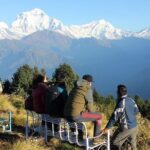
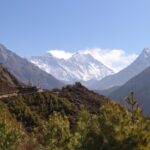
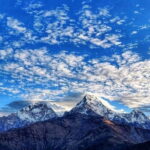
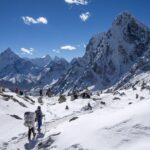
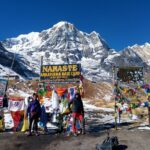
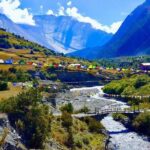
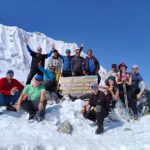
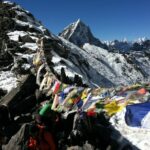
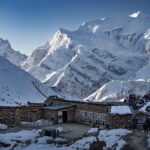
Twelve days to walk under Everest’s shadow. What makes this trek special is the mix of Lukla’s flight-and-arrival feel and the payoff of Kalapathar’s big-mountain sunrise over Khumbu Glacier and the Icefall. I also like how the route is built around Sherpa culture and practical altitude planning, though one real drawback is that Lukla weather can delay flights and you may face extra logistics costs since charter help isn’t included.
I like that this tour leans on experienced local leadership and day-to-day health checks. In past groups, guides like Mr. Pratap (quiet at first, then very kind and patient), Jayaram (talks a lot and checks blood oxygen daily), and Kul (managed time after weather setbacks) show that the human side matters just as much as the views. Still, you’ll want to take altitude seriously because walking high every day is hard even when plans go well.
In This Review
- Key things I’d notice first
- How the 12-day Everest Base Camp route is paced
- Lukla: the flight day that sets the tone
- Phakding to Namche Bazaar: markets, monasteries, and altitude lessons
- Everest View Hotel and Khumjung: where culture becomes part of the walk
- Tengboche: the viewpoint stop you’ll remember
- Pangboche to Dingboche: the route gets higher and thinner
- Nangkartshang Peak: acclimatization done the right way
- Lobuche to Gorekshep to Base Camp: the big day
- Kalapathar sunrise and the careful descent
- The return: Namche and Lukla in reverse
- Guides, safety, and why people remember the human part
- Meals, lodging, and what’s included versus what you’ll pay for
- What the $1,940 price covers (and what to budget outside it)
- Who should book this trek (and who should rethink it)
- Should you book this Everest Base Camp trek?
- FAQ
- How long is the Everest Base Camp trek on this itinerary?
- Where does the trek start and end?
- Are airport pickups and drop-offs included in Kathmandu?
- Are trekking permits and TIMS included?
- What are the baggage limits for the Lukla flights?
- Is accommodation provided during the trekking days?
- Does the package include meals?
- Is a vegetarian or special diet option available?
Key things I’d notice first
- Lukla flight + trail start right away: You’re trekking soon after landing, not spending days waiting on the edge of the mountains.
- Culture-focused stops: Khumjung Gompa, Khumjung Village, and the Everest View Hotel day add meaning beyond the summit chase.
- Real acclimatization time: Dingboche and the Nangkartshang peak day help your body adjust before Base Camp push.
- Kalapathar is the main event: Early hike for sunrise, then a controlled descent back toward comfort at lower elevations.
- Oxygen and safety support: A first aid kit includes an oximeter to measure oxygen and pulse at altitude.
- Meals and basics are handled: Most meals, tea/coffee, and trek lodging are included, so you’re not constantly negotiating.
How the 12-day Everest Base Camp route is paced
This trek is designed to feel like a steady climb with two ingredients: scenic walking and altitude education. You start with the jump into the Khumbu region via Lukla, then work your way up through Sherpa towns, monasteries, and viewpoints before hitting the Everest Base Camp area and finishing with Kalapathar.
What I like about the pacing here is that it’s not one endless grind toward a single photo spot. Days around Namche Bazaar and Dingboche give you time to absorb altitude changes while still moving forward. You’re also walking a mix of village paths and higher, more open ridgelines, so your brain gets breaks from the same kind of scenery every hour.
One thing to be honest about: this is still a big mountain trek. Even if the itinerary is well planned, your energy will depend on how your body reacts to altitude. The tour helps with support, but it can’t remove the altitude challenge.
You can also read our reviews of more tours and experiences in Kathmandu.
Lukla: the flight day that sets the tone
Day 1 is all about that classic Everest moment: fly into Lukla and then trek to Phakding. That flight is short, but it’s the start of the whole experience. You’ll feel it in the first hours because the plane lands in a place where mountains are close and the weather can change quickly.
Practical note that matters: the baggage weight limit is strict on these flights, with 10 kg main baggage and 5 kg hand luggage. If you travel light, life gets easier. If you overpack, you can end up stressed before you even start walking.
What’s valuable here is that the tour also includes the paperwork and the trekking permit steps, plus it handles key timing around Kathmandu transfers. Still, one key reality: if flights are canceled and you need a charter helicopter or plane, that isn’t included, so it helps to have a flexible plan and travel insurance.
Phakding to Namche Bazaar: markets, monasteries, and altitude lessons
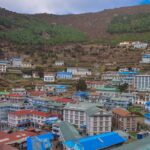
On Day 2 you move from Phakding to Namche Bazaar, walking about six hours through Sagarmatha National Park. This is a central stretch because Namche is where the whole Everest region starts to feel “real.” You’ll see more lodges, more trekking groups, and more everyday mountain life.
Namche is also your first big altitude checkpoint. You don’t just “arrive and hope,” you arrive and adjust. The tour keeps you moving but doesn’t rush you through Namche without purpose, which is exactly what I’d want from a 12-day plan.
Even the way the day is structured helps your decision-making. If you feel winded, you can slow down and still stay on schedule because the trek timing is built around normal trekking pace, not sprinting. And if you’re feeling good, you can use Namche to reset your routine: eat early, hydrate, and keep your warmth layers ready.
Everest View Hotel and Khumjung: where culture becomes part of the walk
Day 3 includes a cultural day trip around the Everest View Hotel and Khumjung Village, plus a stop that focuses on Khumjung Gompa. This is one of the best-value days on the itinerary because it breaks up the pure “up and up” rhythm.
What you get from a day like this is context. In the lower towns, you’re mostly walking through trail life. In Khumjung, you see why the Sherpa community has shaped this region so deeply: monasteries, villages, and local traditions live alongside the trekking economy.
A practical upside: this day also gives your legs a different kind of effort. Instead of a constant uphill push, you’re doing shorter walking segments with time to take things in. It’s a good day to check your gear too: gloves, hat, water protection, and layers that work for cold mornings.
Tengboche: the viewpoint stop you’ll remember
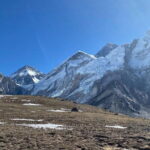
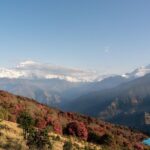
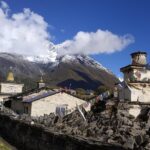
Day 4 takes you from Namche Bazaar to Tengbuche, around five hours. Tengboche is famous for that “everything opens up” feel, and this day is where many people first get the sense that Everest isn’t just an idea. It’s a massive presence that shapes the sky and the air.
Even if clouds roll in, you still get value from the walk. The trail passes through villages and junction points where you can feel the Khumbu rhythm: tea houses, rest stops, and the steady flow of hikers moving in both directions.
One thing to plan for: weather can decide what you see. This is one reason guides and group pace matter. If the day starts foggy, you don’t want a guide who’s rigid. In past trips, guides have adjusted and kept people moving in a safe, sensible way when weather didn’t cooperate.
Pangboche to Dingboche: the route gets higher and thinner
Day 5 goes from Tengbuche to Dingboche through Pangbuche, about six hours. This leg tends to feel more remote as you gain elevation and start spending more time in the high-mountain walking zone rather than village centers.
Dingboche is where you’ll feel the altitude more strongly. It’s also where the itinerary begins to show its real brain: you’re not just going higher, you’re preparing to go higher.
This is also a time when your small choices matter more. Slow your pace. Eat your meals even when you’re not hungry. And keep an eye on how your sleep feels at night. Dingboche is often a “read your body” stage, and the tour matches that reality.
Nangkartshang Peak: acclimatization done the right way
On Day 6 you acclimatize at Dingboche and visit Nangkartshang Peak (about 2 hours). Short, targeted hikes like this are the difference between “I can do it” and “I’m miserable” later.
What I like about this approach is that it’s practical. You’re not chasing distance. You’re giving your body a controlled altitude experience, and you’re learning what your breathing and energy feel like when you go a little higher.
This is also when guides often earn their pay. A good guide doesn’t just point to distant ridgelines. They help you stay calm, move steadily, and notice early warning signs. Based on past experiences with guides on this trek, oxygen and pulse checks are part of the daily routine, which adds another layer of reassurance for people who want real safety support.
Lobuche to Gorekshep to Base Camp: the big day
Day 7 runs Dingboche to Lobuche via Thulkla (about five hours). This is a transition day. Lobuche sits in a zone where the air feels thinner and the terrain starts to look more like a high-altitude working landscape.
Then Day 8 is the big move: Lobuche to Gorekshep, plus the hike to Everest Base Camp and onward to Kalapathar. This day is listed as around five hours, but in real life you’ll feel it. It’s a summit-like effort without the summit. Expect a full-body day: walking, standing, taking in views, and moving again before fatigue steals your judgment.
The payoff is what everyone comes for. You’re in the Everest Base Camp area and you get that sense of scale that’s hard to replicate anywhere else. Even if you’ve seen photos before, the physical size of the terrain changes your perspective.
Kalapathar sunrise and the careful descent
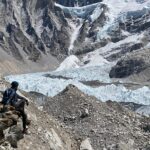
Day 9 is your sunrise moment. You hike up to Kalapatthar for about two hours for early views of Mount Everest, the Khumbu Glacier, and the Khumbu Icefall, then walk down to Pheriche. This day is long in total time (about seven hours), but the structure is clear: a focused climb for the light, then a descent back toward easier breathing.
What makes Kalapathar special is that it can turn the whole trip from good to unforgettable. When visibility is decent, the view explains why people get obsessed with Everest. When it’s cloudy, you still get the physical experience of being that high and moving through the morning chill.
Practical advice: start slow on the climb and treat the cold like a real factor. Even when the sun comes up, you’ll likely feel chilled during the ascent and the early waiting. Dress in layers and protect your hands and head. This is one of those times where good clothing pays off fast.
The return: Namche and Lukla in reverse
Day 10 takes you from the Everest area back to Namche Bazaar, retracing the trail and giving you a seven-hour walk. Day 11 is Namche Bazaar to Lukla, again around seven hours. These return days can feel both easier and harder: the altitude may be lowering, but fatigue accumulates, and the trail can feel longer because you know exactly what’s coming.
This is where the itinerary makes sense. You get a stable, known route back. You’re not improvising. And because the trek has been paced with acclimatization, your body has a better shot at handling the return without breaking down.
One smart strategy for the return: don’t get sloppy just because you’re headed down. Many people feel fine until the last couple hours. Keep your steps steady, watch your footing, and drink water even when you’re not thirsty.
Guides, safety, and why people remember the human part
The guides are a big reason this trek earns strong satisfaction. From past trips, I’ve seen a pattern: the best guides balance kindness with structure, and they handle uncertainty without panic.
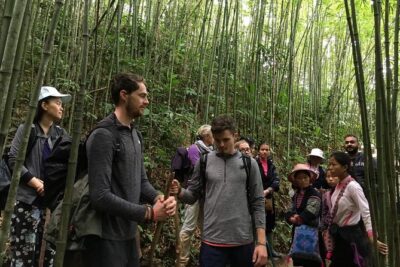
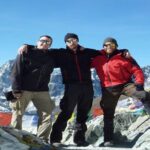
Mr. Pratap is described as quiet at the start, then clearly patient, kind, and genuinely friendly as the trek continues. Jayaram stands out for being talkative, explaining what you’re seeing, and checking blood oxygen levels daily. Kul Prasad Gurung is noted for adapting when flights were grounded by heavy cloud: instead of freezing up, he helped the group make up time by walking longer days and adding acclimatization hikes when they arrived.
That flexibility matters. Everest travel comes with weather. Good leadership keeps the group safe, keeps morale steady, and makes sure you’re not pushing too hard when the air is unforgiving.
On top of that, the tour includes a first aid medical kit with an oximeter to measure oxygen and pulse at high altitude. That doesn’t replace common sense or medical advice, but it gives you a tool to track how you’re doing.
Meals, lodging, and what’s included versus what you’ll pay for
This package includes three times meals each day during the trek: breakfast, lunch, and dinner. Tea and coffee are included in a cup each meal. You’ll also get snacks like cookies and fresh fruit along the way.
You’re not supposed to assume luxury, though. The accommodation is private mountain twin-bed sharing with a shared toilet. For me, that’s totally normal for this region and height, but it’s worth stating so you can mentally prepare.
Also included are key comfort items if you need them: trekking down jackets, a sleeping bag, and a duffle bag. If you’re traveling from abroad, that can save money and hassle versus bringing everything yourself. You still need to bring the right layers you personally like, especially for the early mornings.
Not included: mineral water, chocolate, cookies/deserts, phone calls, laundry, and hot shower, plus tea/coffee outside the included meal pattern. You’ll also need tips for your guide and any porter plans you choose, and you should plan for your own meals and accommodation in Kathmandu.
What the $1,940 price covers (and what to budget outside it)
At $1,940 per person, this trek is not a bargain, but it’s also not just a “let’s walk” price tag. You’re paying for the structure that keeps this trip safer and smoother.
Included items that add real value:
- Flight tickets Kathmandu to Lukla and Lukla to Kathmandu (with the baggage weight limits noted above)
- Trekking permits and paperwork, including TIMS card for the trek
- Meals (breakfast, lunch, dinner) plus tea and coffee during meals
- Private twin-share accommodation throughout the trek
- Medical kit with oxygen and pulse monitoring support
- Guide insurance and service charges/taxes
- Airport pickups and drop-offs in Kathmandu
- Equipment support via duffle bag and optional down jacket/sleeping bag if needed
- A trekking map for the group
- Welcome and farewell program, plus a Nepal Mother House t-shirt/cap and appreciation card after the trip
What you should budget for outside the package:
- Travel insurance and evacuation coverage (compulsory)
- Mineral water and some snacks
- Hot shower and laundry
- International airfare, visa fee, and any airport departure tax
- Tips for guide and porter (if you use a porter; the package does not include a porter)
- Any extra flight fixes like charter helicopter/plane if the scheduled flight fails
- Personal shopping and any optional sightseeing
If you compare the price to what it would cost to arrange flights, permits, guide time, meals, lodging, and equipment support yourself, the value starts to make sense. This is basically a managed, guided operation with health monitoring and the essentials already lined up.
Who should book this trek (and who should rethink it)
This itinerary suits you if:
- You have moderate physical fitness and can handle daily hiking with elevation
- You want a guided experience with Sherpa leadership and practical support
- You care about more than just photos, especially the Sherpa culture stops like Khumjung and the gompa visit
- You want acclimatization days built into the schedule (Dingboche and Nangkartshang)
- You’d like flexibility on food needs, since vegetarian options and gluten-free foods are available if you request them
You might want to reconsider if:
- You’re not comfortable with flight uncertainty into Lukla (weather can disrupt plans)
- You’re looking for a fully comfortable, low-effort hiking experience (this is still hard walking at altitude)
- You can’t manage the packing rules for Lukla baggage weight
It’s also described as a private tour/activity, meaning it’s for your group only. That can be a big plus if you want your schedule and pacing to match your team.
Should you book this Everest Base Camp trek?
I’d book it if you want a structured, guided Everest Base Camp experience that respects altitude and doesn’t ignore culture. The combination of Lukla access, Sherpa village days, a planned acclimatization phase, and the Kalapathar sunrise payoff makes it a smart 12-day choice. The added safety support (including oxygen and pulse monitoring with an oximeter) is a real confidence boost, and the guide stories you hear from the trek show that leadership quality matters here.
I’d pause if you’re traveling with a tight timetable for flight changes or if you’re not willing to plan for extra costs if Lukla flights get canceled. Also, confirm what you’re expecting from lodging and comfort, because at this elevation, “private room” doesn’t mean “private bathroom luxury.”
If you can walk, follow a pace, and pack for altitude cold, this is one of the more complete ways to do Everest Base Camp in a single organized swing.
FAQ
How long is the Everest Base Camp trek on this itinerary?
It’s listed as 12 days (approx.).
Where does the trek start and end?
It starts in Kathmandu, Nepal, with a flight to Lukla, and it ends by flying back from Lukla to Kathmandu.
Are airport pickups and drop-offs included in Kathmandu?
Yes. The tour includes free airport picks up and drops off between the airport and your hotel.
Are trekking permits and TIMS included?
Yes. It includes paperwork and trekking permit for Sagarmatha National Park and the TIMS (Trekkers Information Management System) card.
What are the baggage limits for the Lukla flights?
The listed weight limit is 10 kg for main baggage and 5 kg for hand luggage.
Is accommodation provided during the trekking days?
Yes. It includes private mountain twin-bed sharing with shared toilet throughout the trek.
Does the package include meals?
Yes. It includes three times meals (breakfast, lunch, dinner) plus tea and coffee in a cup each meal during the trek.
Is a vegetarian or special diet option available?
Yes. Vegetarian option is available if you advise at booking. Gluten free foods are also available.