REVIEW · ARUSHA
Lemosho Route 7 Days Trekking at Mount Kilimanjaro
Book on Viator →Operated by Suricata Safaris · Bookable on Viator
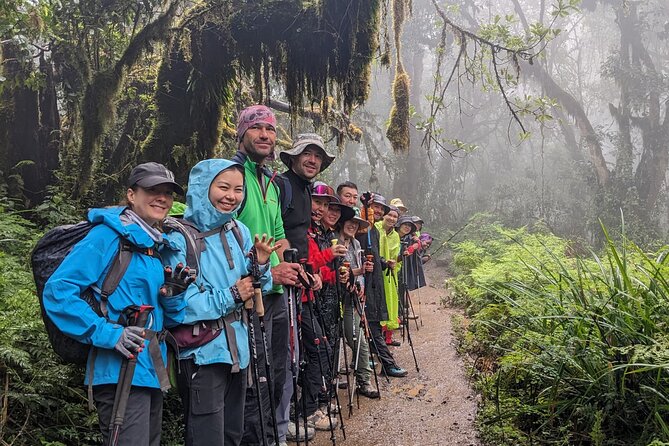
A calm week with a hard finish. The Lemosho Route gives you a steady climb with big altitude moments, aiming to keep your body working with the mountain instead of fighting it. You start with a 4×4 ride from Arusha to the Londorossi Gate, then walk through rainforest, heath, moorland, alpine desert, and back to rainforest again for the final exit.
I love how small the groups are (up to 8 people), which usually means you spend more time with your guide and less time waiting around. I also like that Suricata Safaris builds the days around acclimatization, not just mileage—especially with the Lava Tower stop and the shorter day before the summit night.
One thing to think about: the summit day is always intense. Even with good fitness, the climb to Uhuru Peak (5,895m) takes about 6–7 hours up and then you still descend for hours afterward.
In This Review
- Key highlights to notice before you go
- Why the Lemosho Route fits a 7-day Kilimanjaro plan
- Arusha to Londorossi Gate: the rainforest start on Day 1
- Shira One Camp at 3,500m: managing Day 2 pace
- Lava Tower acclimatization and Barranco Camp on Day 3
- Barranco Wall to Karanga Camp: the short day that helps
- Barafu Camp on Day 5: the staging area for summit night
- Uhuru Peak at 5,895m on Day 6: the long night plus the descent
- Mweka Gate exit on Day 7: certificate day and rainforest walking
- Meals, certified guiding, and how the team supports you
- Price and value: what $2,800 covers (and what it doesn’t)
- Who should choose this trek, and who should rethink it
- Should you book Suricata Safaris on the Lemosho 7-day Kilimanjaro trek?
- FAQ
- How many days is the Lemosho route trek?
- Where does the trek start and end?
- What altitude do you reach at the summit?
- Is the Lemosho route part of the plan?
- What meals are included in the price?
- Are park admission tickets included?
- Do you get pickup from Arusha?
- How big is the group?
- Is cancellation free within a certain window?
- What’s not included in the tour price?
Key highlights to notice before you go
- Certified guides and a team that focuses on safety and pacing
- Lemosho Route timing that includes acclimatization built into the hike
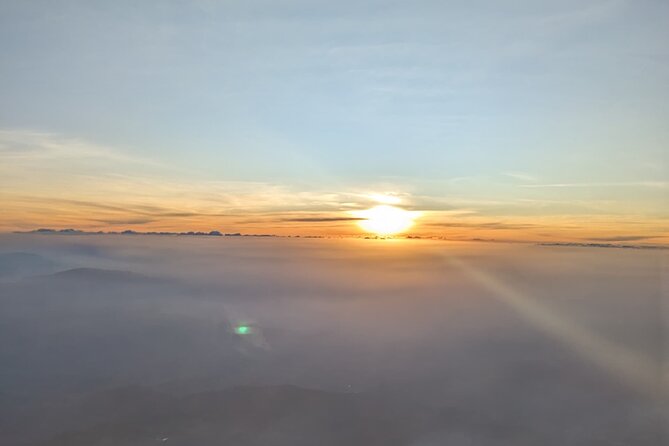
- Uhuru Peak summit with an early-night start and a long day
- Small-group size (maximum 8 travelers) for a more personal experience
- Park admission included, plus meals across the trek
- Certificate at Mweka Gate if you complete the summit successfully
Why the Lemosho Route fits a 7-day Kilimanjaro plan
On Kilimanjaro, the route you choose matters because altitude doesn’t care about your schedule. The Lemosho approach is designed to build you up gradually, with a long enough arc that helps many trekkers handle the altitude changes better.
What I like in this specific 7-day structure is how the days shift your body through different “zones” of the mountain. You begin in the rainforest on Day 1, move into heath and moorland later, then reach the higher, drier feel of alpine desert on the summit descent. You’re not just chasing height—you’re getting exposed to the mountain step-by-step.
Also, there’s something psychologically helpful about a route that doesn’t feel like a constant sprint. You get shorter days mixed in, especially around Barranco/Karanga. That rhythm can make a huge difference when you’re tired, cold, and focused on conserving energy.
You can also read our reviews of more tours and experiences in Arusha.
Arusha to Londorossi Gate: the rainforest start on Day 1
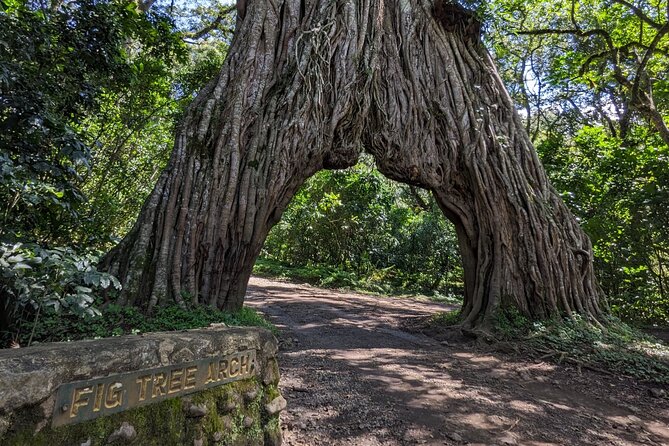
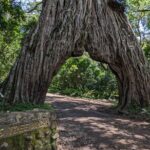
Your trip kicks off in Arusha, with pickup offered and a drive in a 4×4 (Land Cruiser/Land Rover) toward the park. You register at Londorossi Gate (2,250m) and then continue to the Lemosho starting point at about 2,100m.
Then you begin the first real test: a roughly 6 km climb through the rainforest to Mti Mkubwa Camp (Big Tree Camp) at 2,750m. The itinerary estimates about 3 hours for this section, with around 650m of altitude gain.
Why Day 1 is more important than it looks: it sets your hiking pace for the whole week. In rainforest, you can feel warm and motivated at first, but that’s exactly when trekkers sometimes go too fast. Start controlled. The goal here is to get your legs moving while you’re still fresh, because later days will ask for more patience.
Practical benefit: you’re camping at night at Mti Mkubwa, and dinner plus overnight stays are arranged. After registration and driving, that support matters. You’re not piecing together logistics after a long travel day.
Shira One Camp at 3,500m: managing Day 2 pace
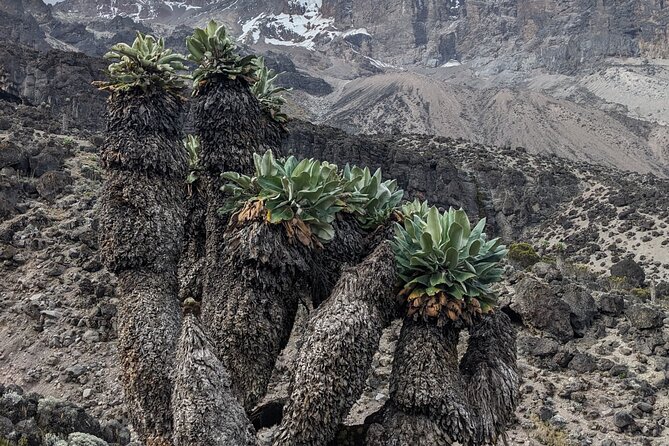
Day 2 pushes you into a higher zone quickly. After breakfast, you hike to Shira One Camp at 3,500m. Expect about 13 km of walking with about 1,100m of altitude gain, and roughly 6 hours on the move.
This is one of those days where you’ll feel the difference between “walking uphill” and “walking uphill at altitude.” The itinerary flags the steepness and the need to manage your pace. That’s not just advice—it’s the whole game. If you push hard early, Day 3 and Day 6 are the ones that punish you.
At Shira One, you sleep at the campsite with dinner and overnight included. I like that the plan doesn’t add extra activities. You’ll want to save attention for your breathing, hydration, and getting into a sleep routine while your body is adjusting.
Lava Tower acclimatization and Barranco Camp on Day 3
Day 3 is built around a smart acclimatization stop. You start early after breakfast and hike toward Barranco Camp at 3,940m. Along the way, you pass Lava Tower (4,600m) for acclimatization.
It’s a long day by trek standards: about 6–7 hours total, including picnic lunch. The distances and gains are broken down as:
- about 10.75 km total distance
- about 750m of ascent up to Lava Tower
- about 660m from Lava Tower to Barranco
The value here is that Lava Tower gives you a height bump without the full commitment of a summit push. You’re reminding your body that altitude exists while you still end the day relatively safe at Barranco.
And Barranco is often a welcome shift. You’ve climbed past the tough numbers, then you reach a campsite at 3,940m where you can rest, eat, and let your breathing normalize.
Barranco Wall to Karanga Camp: the short day that helps
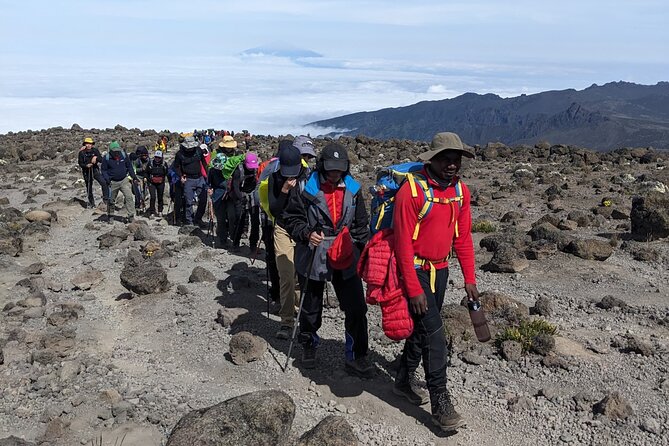
Day 4 starts with the climb up Barranco Wall (about 4,250m), then continues to Karanga Camp at 4,000m. The day is shorter on paper—around 3–4 hours—and you cover about 4.25 km with an altitude gain around 250m.
What I like about this setup: the mountain gives you a challenge (Barranco Wall), but then you get a payoff in the form of rest time. You arrive for hot lunch, then you have downtime plus an acclimatization walk.
That rest isn’t “bonus time.” It’s part of the plan to make the summit night doable. On Kilimanjaro, your best summit chance usually comes from showing up to Day 5 and Day 6 with reserves—physically and mentally.
If you tend to overwork yourself on treks, this is a day to deliberately slow down even when you feel capable. Use the shorter walking time to move carefully, keep your heart rate stable, and save energy.

Barafu Camp on Day 5: the staging area for summit night
By Day 5, you’re heading to Barafu Camp at 4,600m. The itinerary estimates 3–4 hours of hiking with about 4.25 km distance and roughly 600m of ascent.
After you arrive, you get hot lunch, time to rest, and then an early dinner before sleeping for a few hours. That sleep window matters because the next day starts around 12:00 am.
This is another reason I respect this itinerary: it doesn’t pretend summit day is just “another hike.” It treats Barafu as preparation. You’re not just burning daylight; you’re setting yourself up to start climbing while the night is still young.
One caution: Barafu is high and the body is already stressed from earlier days. If you feel chilled easily, you’ll want to be organized and ready for the cold start—but you’ll also want to avoid rushing. Efficiency matters more than speed here.
Uhuru Peak at 5,895m on Day 6: the long night plus the descent
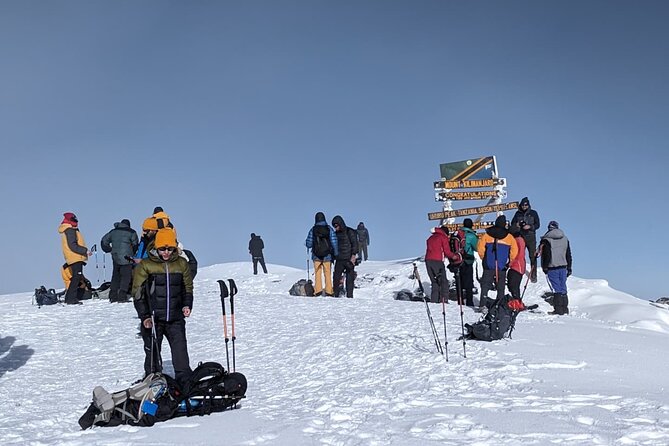
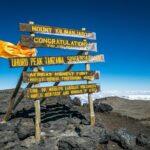
This is the big day. Around 12:00 am, you wake, pack essential items, and begin the summit ascent to Uhuru Peak (5,895m). The climb is estimated at 6–7 hours, with about 4.86 km of distance and roughly 1,295m of elevation gain.
Then comes the part people underestimate: the descent. After reaching the summit, the itinerary estimates about 3 hours descending to Barafu Camp for breakfast. After rest and hot lunch, you continue the descent through alpine desert, heath, and moorland to reach Mweka Camp at 3,100m.
Total distance on this day is listed as about 11.5 km across the summit up, back down to Barafu, and on to Mweka. Altitude loss is huge—around 2,795m—which is great relief after the peak, but still hard on your legs.
What the trek is really testing here is altitude tolerance and steady decision-making. People can be physically strong and still struggle because altitude changes how your body supplies energy. That’s why guides and pacing are central on summit night.
From a real-world standpoint, having a guide who knows when to slow down matters. The Suricata Safaris team is led by experienced guides (names you may encounter include Mike, Freddie/Freddy, and Modest), and that kind of team experience helps keep the group moving as a unit rather than letting people fracture into too-fast and too-slow.
Mweka Gate exit on Day 7: certificate day and rainforest walking
After breakfast, you trek to Mweka Gate (1,800m). The itinerary estimates about 3–4 hours for the rainforest section, with around 9.1 km distance and about 1,400m descent.
Once you reach the gate, you get a certificate if you successfully summited. Then you meet the vehicle and transfer to Jevas Hotel in Arusha for drop-off.
This day feels like closure. Your body is still tired, but the altitude advantage is real: you’re moving downward and back into rainforest conditions. It’s a good moment for a final steady pace and a long look at what you just did.
Also, the certificate moment is more than paperwork. It gives your summit effort a clear endpoint, which helps psychologically once the exertion is over.
Meals, certified guiding, and how the team supports you
This trek is structured around real support: certified guide, meals included, and a team setup designed for the long week.
Meals included are listed as:
- Breakfast: 6
- Lunch: 7
- Dinner: 6
That detail is more useful than it sounds. It tells you the trek is paced with consistent fueling in mind—not a “pack what you can and hope” approach.
You’re also told the group maximum is 8 travelers, which I find helps on Kilimanjaro because it reduces waiting and makes it easier for the guide to watch pace and breathing.
From the team perspective, the Suricata Safaris setup you’re likely to see includes experienced guides and mountain support staff (one common pattern is a cook plus porters). In practice, that can make your job simpler: you’re focused on walking and acclimatization rather than constant logistics.
Price and value: what $2,800 covers (and what it doesn’t)
At $2,800 per person for about 7 days, you’re paying for a guided, organized climb with included essentials—not just the walking.
Here’s what’s included:
- Certified guide
- Meals across the trek (breakfast, lunch, dinner as listed)
- Park admission ticket included
- Vehicle transport by 4×4 from Arusha to the start and back at the end (and the registration process at the gate)
You also get:
- Pickup offered
- Mobile ticket
- Confirmation at booking time
What isn’t included:
- International flights and departure taxes
- Medical, travel, and luggage insurance
Value-wise, the biggest win is that the itinerary covers the core costs that often surprise people later: park fees and organized staffing. If you’ve ever tried to stitch together a Kilimanjaro hike on your own, you know the hard part isn’t walking—it’s everything around walking.
A final note on value: because it’s a small group (up to 8), the service level per person tends to feel more personal than the big-crew options.
Who should choose this trek, and who should rethink it
This tour asks for moderate physical fitness. That’s a fair match for many hikers, as long as you treat altitude realistically.
You’ll enjoy this most if:
- you want a 7-day plan (not a rushed shorter version)
- you value acclimatization stops and rest days
- you prefer a smaller group where your guide can manage pace closely
- you’re aiming to summit Uhuru Peak with an itinerary designed for gradual height gain
You might reconsider if:
- you know you struggle with altitude even on lower-elevation hikes
- you’re not comfortable with a long summit night start around 12:00 am
- you want a trek with minimal physical strain—this is still hard, even when the route is well planned
Should you book Suricata Safaris on the Lemosho 7-day Kilimanjaro trek?
I’d book this if your goal is a well-run Kilimanjaro attempt with a thoughtful pace plan. The Lemosho route pairing with a 7-day schedule makes sense for altitude management, and the itinerary is built to give you acclimatization moments instead of only stacking long climbs.
I also like the human side: Suricata Safaris shows up with experienced guides—names you may meet include Freddie/Freddy, Mike, and Modest—and that matters because summit day is less about brute strength and more about judgment, timing, and steady movement.
One more reason to feel good about choosing them: the experience is built for people who want structure. That includes included meals, park admission, and a clear end-to-end plan from Arusha to Mweka Gate and back.
If you’re ready for a tough week at altitude, and you want a route that avoids feeling like a conveyor belt, this is a strong choice.
FAQ
How many days is the Lemosho route trek?
The trek is 7 days approximately, with hiking and camping each day and a summit day on Day 6.
Where does the trek start and end?
It starts in Arusha with travel to Londorossi Gate and the Lemosho starting point, and it ends at Mweka Gate. After the hike, you’re transferred back to Arusha for drop-off at Jevas Hotel.
What altitude do you reach at the summit?
The summit is Uhuru Peak, listed at 5,895 meters.
Is the Lemosho route part of the plan?
Yes. The trek follows the Lemosho route through different altitude zones, including rainforest, heath and moorland, alpine desert, and a return to rainforest on the final exit day.
What meals are included in the price?
The tour includes breakfast (6), lunch (7), and dinner (6), as listed in the inclusions.
Are park admission tickets included?
Yes. Admission tickets are included for each day as listed in the itinerary.
Do you get pickup from Arusha?
Pickup is offered, and the trek includes travel by 4×4 from Arusha to the park start and transportation at the end.
How big is the group?
The maximum group size is 8 travelers.
Is cancellation free within a certain window?
Yes. You can cancel up to 24 hours in advance for a full refund.
What’s not included in the tour price?
International flights and departure taxes are not included, and medical, travel, and luggage insurance are also not included.