REVIEW · ARUSHA
5 Days Marangu Route Kilimanjaro Trekking
Book on Viator →Operated by Mafie Adventures · Bookable on Viator
Cold night. Big climb. Hut by hut.
The Kilimanjaro Marangu Route is the one most people choose for a reason: it’s the so-called Tourist Route with sleeping huts along the way, plus those stopovers where you can warm up with drinks. This 5-day plan also means you move like a crew—pickup, porters, cooking, meals, and all the park admin lined up—so you can focus on breathing, footwork, and not freezing at night.
I really like two things here. First, the trek day plan hits the classic stages—rainforest to moorland, then the summit night—while still keeping you in huts instead of camping. Second, the included package is unusually “all-in”: porterage, rescue fees, cooking gear, and multiple meals are part of the deal, which helps you avoid surprise costs. The main drawback to think about: this route includes a midnight summit push, and that’s tough even when you’re physically ready—cold, steep, and sleep-deprived.
In This Review
- Why the Marangu Route feels easier (and still serious)
- The best parts of this 5-day Kilimanjaro trek
- Day-by-day: what you’ll actually do on the Marangu Route
- Day 1: Moshi pickup, rainforest start, Mandara Hut and Maundi Crater views
- Day 2: Timberline to moorland, Horombo Hut at 3700 m
- Day 3: Last Water point, saddle country, long push to Kibo Hut
- Day 4: Summit night starting around midnight to Uhuru Peak 5895 m
- Day 5: Descend back through heath/moor to Mandara, then rainforest to the gate
- Price and logistics: what $1,800.16 is buying you
- What you should pack for a hut-based summit trek
- How the guides and food shape the experience
- Who this trek fits best
- Should you book the 5 Days Marangu Route trek with Mafie Adventures?
- FAQ
- How long is the Kilimanjaro trek on the Marangu Route?
- Where does the trek start and finish?
- What time does the trek start on summit day?
- Is it a private tour?
- What’s included in the price?
- What gear should I bring or rent?
- Are meals included?
- What’s not included besides flights and personal items?
- Is this experience refundable?
Why the Marangu Route feels easier (and still serious)
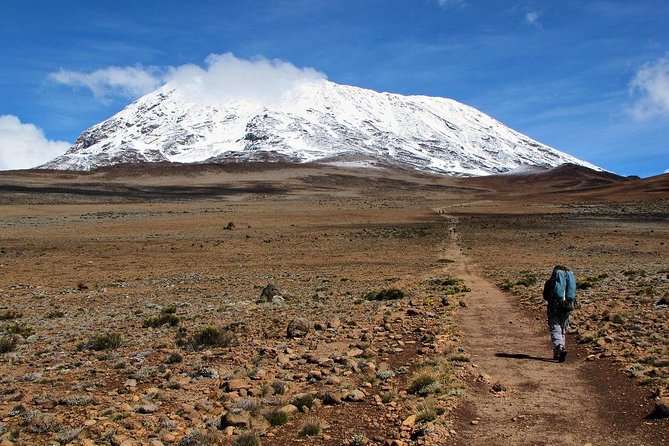
Marangu is popular because it’s straightforward to organize. You hike through forest first, then transition upward into moor and heath zones, and the hut-to-hut rhythm helps you keep a routine.
That matters on Kilimanjaro. Your body doesn’t care about schedules—it cares about oxygen. A hut route won’t remove the altitude challenge, but it can reduce the extra stress of camping logistics. You’ll still do the big vertical work, especially on summit night.
The best parts of this 5-day Kilimanjaro trek
Hut sleeping instead of tent camping keeps your nights simpler and warmer than many other routes.
Full-support package includes tents/mess setup, cooking equipment, mattresses, and porters—so you’re not hauling.
Meals built into the plan (breakfast, lunch, and dinners) help you keep energy without daily food decisions.
Early start and guided pacing keep you moving through the rainforest, moorland, and summit rim on a clear schedule.
Strong service signals show up in past experiences with careful gear support and patient guidance (including a guide named Walter).
You can also read our reviews of more tours and experiences in Arusha.
Day-by-day: what you’ll actually do on the Marangu Route
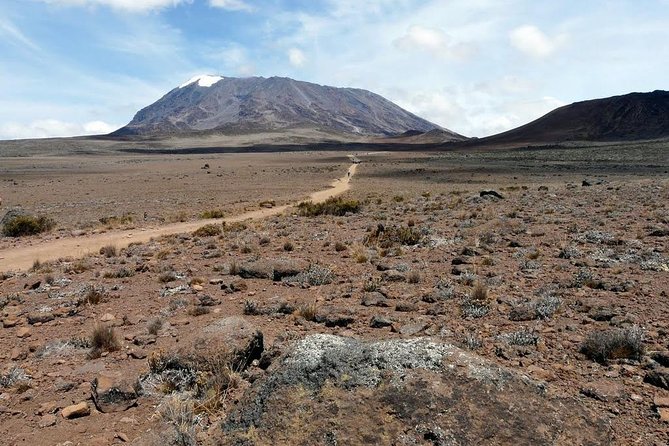
Day 1: Moshi pickup, rainforest start, Mandara Hut and Maundi Crater views
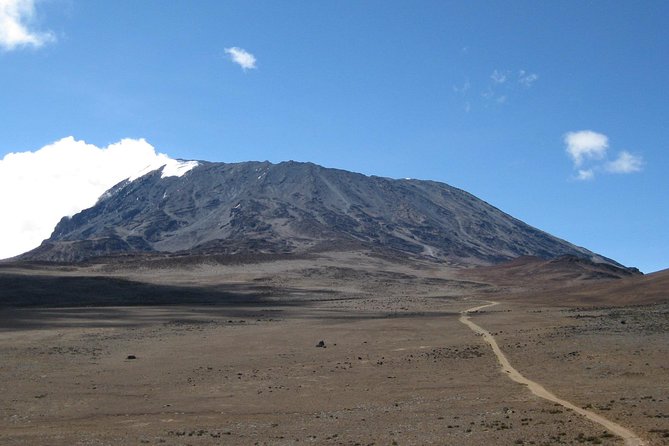
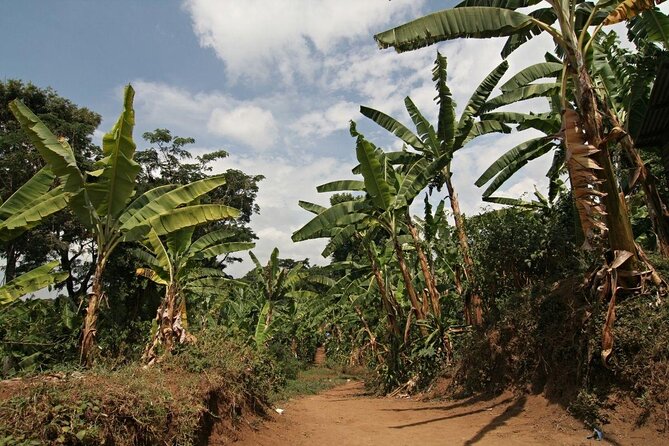
You’ll start with a pickup from your lodge area (often Moshi) and transfer to the Marangu Gate to handle paperwork. Once the gate clears, the trek begins through dense rainforest, the kind of thick greenery that makes you feel like the air is cooler and wetter.
This first day covers about 8.3 km (5.2 mi) and takes roughly 5 hours. Along the trail, you may spot primates—nothing guaranteed, but it’s the right habitat for it. Your destination is Mandara Hut, where you rest and reset.
After rest, your guide takes you to the Maundi Crater, where you can catch a view toward the Kenyan interior. That’s a nice “wow” moment before the higher-altitude days get more demanding.
What I like here: Day 1 is long enough to get you trekking and warmed up, but not so long that it burns you before the real climbing starts.
What to consider: rainforest days can be damp—pack for mud, wet shoes, and a soggy bag situation.
Day 2: Timberline to moorland, Horombo Hut at 3700 m
Day 2 is a big jump. After an early breakfast, you leave Mandara Hut, pass the timberline, then step into heath and moor zones. This is where the vegetation changes and the sky tends to feel wider.
You’ll cover about 12.5 km (7.8 mi) and spend roughly 9 hours on the move. Around 4–6 hours after leaving the previous hut, Horombo Hut appears at about 3700 m.
From Horombo, you get the kind of views that make you stop without meaning to: outlooks over Mawenzi and Kibo, plus the wide plain of the Masai steppe.
Why this day matters: the climb is now high enough that your breathing may feel different. This is a good time to practice your “slow and steady” rhythm.
Possible downside: it’s a long day, and you’ll want to guard your energy—don’t treat this like a casual hike.
Day 3: Last Water point, saddle country, long push to Kibo Hut
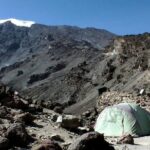
Today is a tough one. The trail is well built, but your legs will notice it. You’ll pass the Last Water point, then continue toward the saddle—a high, nearly vegetation-less stretch that links the summit area of Kibo with Mawenzi.
Distance is about 9.5 km (5.9 mi), but time-wise it’s around 7 hours. Your goal is Kibo Hut, usually reached in 5–6 hours.
Once there, you’ll eat early and get an early night. The night won’t last long—because you’re climbing again soon.
What I like here: the route gives you that dramatic sense of being “in the summit zone” while still stopping at a hut. That’s mentally helpful on Kilimanjaro.
What to consider: a long day plus an early night means your body clock gets reset fast. Bring the kind of gear that lets you sleep quickly (and keep warm).

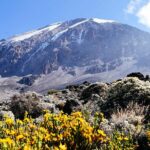
Day 4: Summit night starting around midnight to Uhuru Peak 5895 m
This is the Big Day. You start your final ascent around midnight, and yes—it’s long and strenuous.
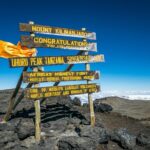
You’ll pass Hans Meyer Cave at 5220 m as the climb keeps trending upward. Around sunrise, you reach Gillman’s Point (5681 m), which is on the crater rim. After the sun starts warming the land, you hike onward about 1–2 hours more to reach Uhuru Peak (5895 m).
Then it’s back down to Kibo Hut for a warm meal, plus a short 1–2 hour break before continuing descent toward Horombo Hut.
Total time listed: 12–15 hours (that’s a full day, even when it’s partly at night).
What I like here: the schedule builds in a sunrise milestone. Getting to the rim as daylight appears can make a brutal climb feel more achievable.
What to consider (seriously): the start time means cold, wind exposure, and limited chances to catch your breath. You’ll want to have your layering sorted so you can move without overheating and stop without freezing.
Day 5: Descend back through heath/moor to Mandara, then rainforest to the gate
After the big summit and descent work, Day 5 is about finishing clean. You trek through the heath and moor zone toward Mandara Hut (around 2700 m), where a warm lunch awaits you.
You’ll then pass back through tropical rainforest and finish at the Kilimanjaro National Park Gate (about 1860 m). Total trekking time is roughly 6 hours, and the full day comes in around 8 hours.
After you say goodbye to your mountain guides, you transfer back to your hotel in Moshi for a warm shower—and a well-earned moment to celebrate.
What I like here: the day gives you an actual “refuel and finish” flow. You’re not stranded on the mountain after summit success—you’re guided out with a warm meal along the way.
Price and logistics: what $1,800.16 is buying you
At $1,800.16 per person for roughly 5 days, the key question isn’t just the number—it’s what’s included that usually costs extra on Kilimanjaro treks.
Here, you get:
- Camping equipment like tents, mess tent, mattress, and cooking setup
- Accommodation throughout the trek
- Porterage (this is huge for comfort)
- Meals: 4 breakfasts, 5 lunches, and 4 dinners
- Rescue fees and parking fees, plus taxes/VAT
- A professional driver/guide
That’s a lot of operational cost bundled into the price. You also get a private experience, meaning it’s only your group. Private can mean faster decisions and less waiting around.
What’s not included (and can change your budget):
- Climbing gear and a sleeping bag (both available for rent)
- International flights and accommodation before/after the trek
- Personal items and tips
- Bath towels
- Potential government changes in taxes or park fees
My practical take: if you’d otherwise pay separately for porters, cooking, equipment, and most meals, this price can feel more reasonable than it looks at first glance.
What you should pack for a hut-based summit trek
You’ll be in huts, but it’s still high altitude, and nights can feel brutal—especially around summit time. The tour doesn’t include all personal gear, but it does provide much of the trek setup.
Plan on renting what you need:
- Climbing gear (rentable)
- Sleeping bag (rentable)
Beyond that, focus on your comfort essentials:
- Layers that handle cold nights
- Rain protection for forest and shoulder zones
- A plan for keeping your feet dry and your socks organized
- A headlamp or reliable lighting system (helpful for very early starts; exact inclusion isn’t stated)
If you’re worried about what you’re missing, you’re not the first person to show up underprepared. One past experience specifically mentioned that the team provided good gear/clothes the person didn’t bring, and the guide was patient about making them comfortable. That’s a good sign you’ll get real help, not just a checklist.
How the guides and food shape the experience
On Kilimanjaro, your guide is your pace-setter, your safety checker, and your “calm voice” when you feel slow. Past experiences with this provider include notes on responsiveness (even for last-minute planning) and teams adapting the trek with excellent food.
Food matters more than people think. A proper meal schedule helps you keep strength for long days like Day 2 and the summit grind. Since the trek includes breakfast/lunch/dinners, you won’t be stuck negotiating supplies mid-route.
Also, porter support isn’t just convenience—it’s time and energy saved. When you’re climbing at altitude, saving effort where you can is smart.
Who this trek fits best
This plan suits you if:
- You want the Marangu Route experience with huts
- You like a structured itinerary with meals handled for you
- You prefer private group travel (only your group participates)
- You’re comfortable with a midnight summit push
It may be less ideal if:
- You hate very early starts and cold nights
- You’re hoping for a slow, gentle pace with lots of downtime
- You want a highly minimalist trip without included support
Should you book the 5 Days Marangu Route trek with Mafie Adventures?
I’d book it if you want a classic Kilimanjaro route that’s popular for a reason: hut stays, clear stages, and a full support setup that reduces day-to-day hassle. The included package—especially porters, meals, equipment, and rescue fees—adds real value for a 5-day schedule.
I’d think twice if you know you struggle with cold, sleepless nights, or long days without frequent breaks. Summit night is the kind of challenge you can’t “out-think,” only prepare for.
If you’re ready for that, this trek has the right ingredients: route familiarity, hut comfort, and a team that seems built for organization and people-first guidance.
FAQ
How long is the Kilimanjaro trek on the Marangu Route?
The trek runs for about 5 days.
Where does the trek start and finish?
It starts in Arusha, Tanzania and ends back at the meeting point. You’ll also be picked up from your lodge in Moshi for the Marangu Gate part of the hike, with a return transfer back to Moshi after the trek.
What time does the trek start on summit day?
The tour start time is listed as 1:30 am, which reflects the very early timing needed for the summit stage.
Is it a private tour?
Yes. This is a private tour/activity, and only your group will participate.
What’s included in the price?
Included items include camping equipment, porterage, accommodation, meals (breakfast/lunch/dinner counts are listed), rescue fees, parking fees, taxes/VAT, and a professional driver/guide.
What gear should I bring or rent?
Climbing gear and a sleeping bag are listed as not included, but both are available for rent.
Are meals included?
Yes. The itinerary includes 4 breakfasts, 5 lunches, and 4 dinners.
What’s not included besides flights and personal items?
Not included are international flights, accommodation before and after the tour, personal items (like souvenirs and travel insurance/visa fees), bath towels, and tips. Government changes in taxes or park fees could also affect costs.
Is this experience refundable?
No. It is non-refundable and cannot be changed for any reason.
If you want, tell me your trekking comfort level (casual hiker vs. regular hiker) and whether you’re sensitive to cold, and I’ll help you sanity-check if this 5-day Marangu timing feels right.