REVIEW · SAPA
Sapa Trekking & Cooking with H’Mong Locals –Local Culture
Book on Viator →Operated by 1Day Sapa · Bookable on Viator
Village cooking in Sapa isn’t usually this practical. This is a one-day trekking + cooking plan built for walking beyond the most obvious stops, then spending hours in an H’Mong house learning how a complete Vietnamese meal comes together.
I like that it starts right in Sapa Town and then keeps moving on foot toward smaller places—so you get views and routes you’d miss if you only did quick bus stops. I also like the time you spend cooking: a hands-on class for about 2–3 hours, tied to lunch with food included.
One consideration: a short day like this depends on timing and conditions. Also, I’ve seen at least one strongly negative report about not reaching all the listed stops, so it’s worth asking the guide up front what the day will look like if weather or trail conditions change.
In This Review
- Key Points at a Glance
- Why This Sapa Combo Feels More Like a Day With Locals
- Starting in Sapa Town: Getting Oriented Before You Walk
- Cat Cat Without the Crowds: Passing Through, Then Pressing On
- Y Linh Ho and the H’Mong House: Cooking Class Meets Village Life
- Lao Chai on the Hillside Roads: Terraces Up Close
- Ta Van Village: The Walk Ends, the Day Transfers Back to Town
- What’s Included (and Why It Matters for Real Value)
- Price and Logistics: $38 for a Full Day’s Work
- Fitness Level: Moderate Is the Right Word
- Who Should Book This Sapa Trekking + Cooking Day
- A Balanced Take: What Could Go Wrong
- Should You Book This Tour?
Key Points at a Glance
- Walking where concrete fades out, so the villages feel closer and less staged
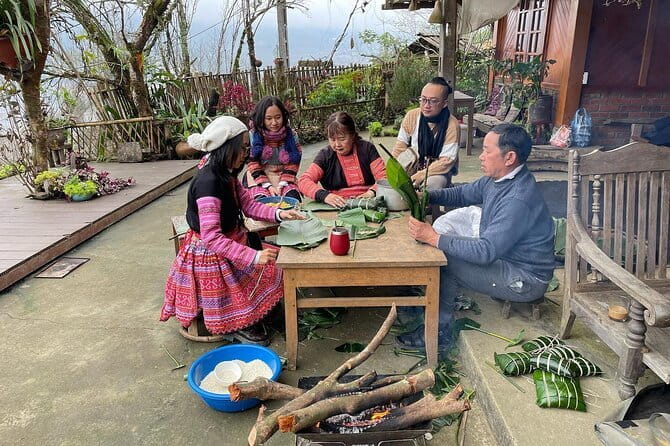
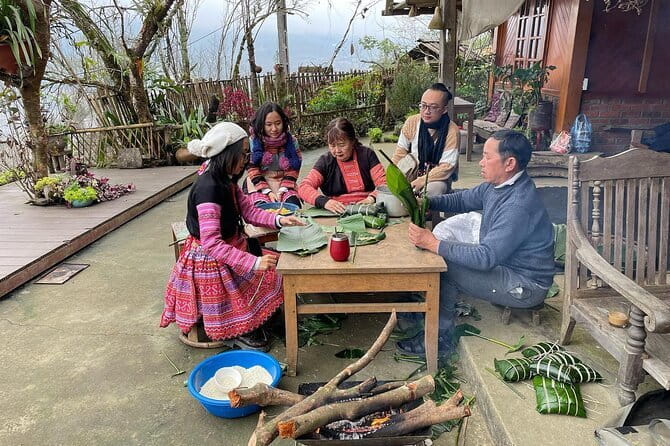
- A true H’Mong home experience at Y Linh Ho, not just a photo stop
- 2–3 hours of cooking aimed at building a whole Vietnamese lunch, not only tasting
- Cat Cat Village handled smartly by passing the crowded center and moving deeper
- Terraced views on the route through Lao Chai and around the hillside roads
- Lunch with water and fruit, plus coffee or tea, keeps the budget under control
Why This Sapa Combo Feels More Like a Day With Locals
Sapa can be loud with tour groups. This experience counters that by focusing on walking routes that take you toward smaller village life, where the rhythm changes from town pace to hillside pace. Even the stop style matters: you begin in Sapa, then you gradually trade streets and sidewalks for footpaths, terraces, and narrow paths between houses.
The other big reason it works is the split between “see” and “do.” You get time on the trails—scenery, village spacing, and daily routines—then you shift into the kitchen with an H’Mong family setting. Cooking isn’t added as a token activity. It’s the centerpiece, with a structured class format that’s meant to teach how a meal is built.
If you’re the kind of traveler who hates leaving a place with only photos, you’ll likely appreciate that this day ends with a plate you helped create. And because lunch, water, and fruit are included, you’re not constantly solving snack math while you’re hiking.
Starting in Sapa Town: Getting Oriented Before You Walk
You begin in Sapa Town, and that detail is more useful than it sounds. Starting here gives you a baseline for what “Sapa life” looks like before the day pulls you outward toward villages and fields. You also have a smooth start time flow—no scrambling to meet at a remote trailhead.
This first segment is short, about 30 minutes, but it helps you get set up for the real walking day ahead. Expect an early rhythm: you’ll likely get your bearings, go over what’s next, and then start moving toward the village routes.
Practical note: if you’re traveling with a camera, this is a good time to charge batteries and tighten your kit. Once you’re on the trails, you’ll want fewer stops and less fuss.
Cat Cat Without the Crowds: Passing Through, Then Pressing On
Cat Cat is one of those places everyone hears about in Sapa. Here, the approach is smarter: instead of funneling into the busiest center, you pass by and keep going deeper toward a smaller route in the direction of Y Linh Ho.
That choice can change your whole experience. The crowded area often feels like a loop. Passing through lets you keep momentum and gives you more of the real in-between spaces—where you see how houses relate to paths and how terraced work shapes the day.
This is also where the walking day starts to feel purposeful. Your first hike phase is about 1 hour 30 minutes, and that time usually sets the tone: you’ll likely feel the grade and learn how steady your pace needs to be. Bring simple hiking shoes. Don’t rely on flip-flops or slick sneakers.
Y Linh Ho and the H’Mong House: Cooking Class Meets Village Life
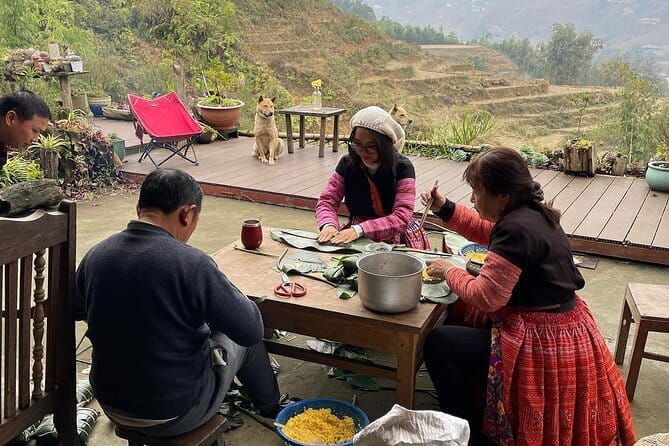
The highlight for many people is the moment you stop being a visitor and start being a participant. At Y Linh Ho, you visit an H’Mong indigenous house and join the cooking class together.
This is where the day shifts from views to skills. The cooking segment lasts about 3 hours, and the goal is to teach you how to put together a Vietnamese lunch, not just eat food. You’ll work through typical dishes such as fried spring rolls, stewed pork, and accompaniments with vegetables and fruit.
A key value here is the structure: you’re not only watching someone cook. You’re learning parts of the process as a group. Even if you don’t remember every step later, you’ll take away a better sense of how flavors and timing connect in a complete meal.
Also, there’s something quietly powerful about learning in a homestay setting. The kitchen isn’t separated from daily life the way it is in a restaurant demonstration. Even basic conversation, shared table moments, and the flow of the house environment can make the meal feel like it has context.
If you’re worried about language barriers, you can still benefit. Cooking is visual. And because you’ll be sitting down for lunch afterward, the day stays practical: taste what you made, then go from there.
Lao Chai on the Hillside Roads: Terraces Up Close
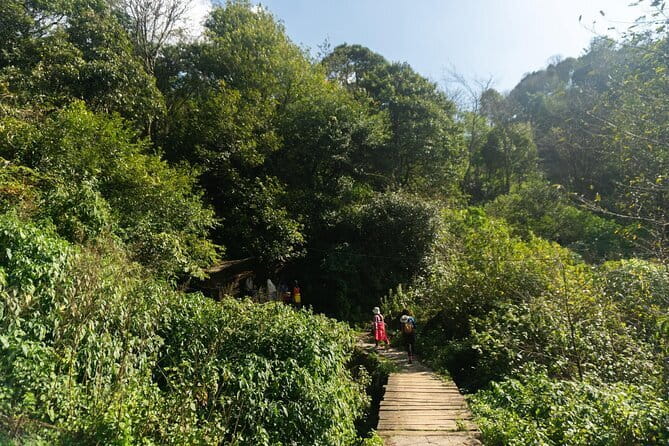
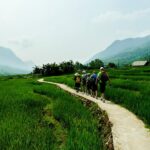
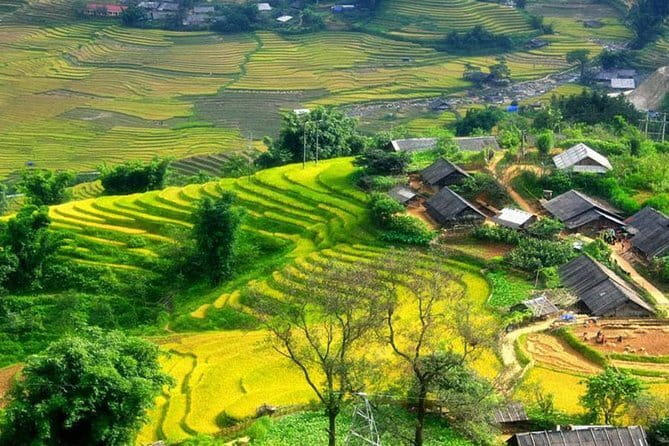
After the cooking class, the day becomes a scenic return to walking—slower in feel, but still active. You continue toward Lao Chai, where the focus becomes the terraces and everyday village life along hillside routes.
This segment includes about 45 minutes of movement and passing through or near village areas. You’ll likely notice how the path links homes, small roads, and view lines across the terraces. In Sapa, terraces aren’t just scenery—they’re part of work, seasons, and how communities position buildings.
A good way to experience this part is to stop treating it like a postcard route. Instead, look at the in-between spaces: where people have space to gather, where footpaths narrow, and how the houses sit relative to the fields. This is also a calmer section emotionally after the cooking. You’ll have fuel in your body from lunch, which makes the walk easier to enjoy.
Shoes matter here. Mud and damp patches can happen in Sapa. You don’t need special mountaineering gear, but you do need traction.
Ta Van Village: The Walk Ends, the Day Transfers Back to Town
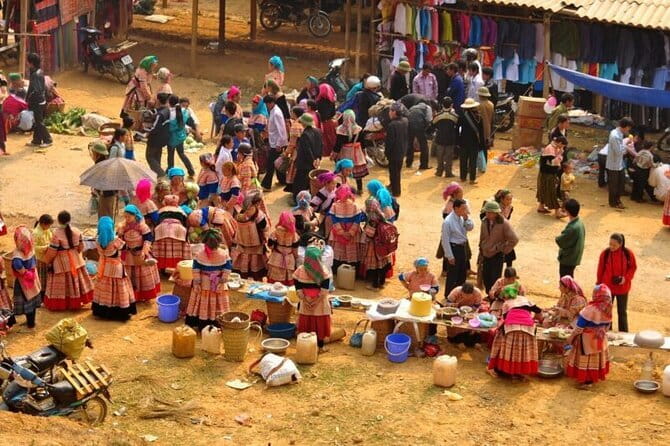
The final walking phase ends at Ta Van village. This is where the day feels like it completes a circle: you’ve moved through different village areas and finished in a place that’s known enough to make the handoff back to town easy.
You’ll have about 1 hour 15 minutes from the end-of-walk area back to Sapa by taxi. This timing is useful because it prevents you from trying to squeeze in extra hiking or scrambling for transport. You get a clear finish line and can plan the rest of your evening in Sapa town.
If you want a low-key post-tour dinner, Ta Van’s end of the day usually leaves you ready for something warm and simple. You’ll likely feel the day in your legs, especially if it’s been a while since your last hike.
What’s Included (and Why It Matters for Real Value)
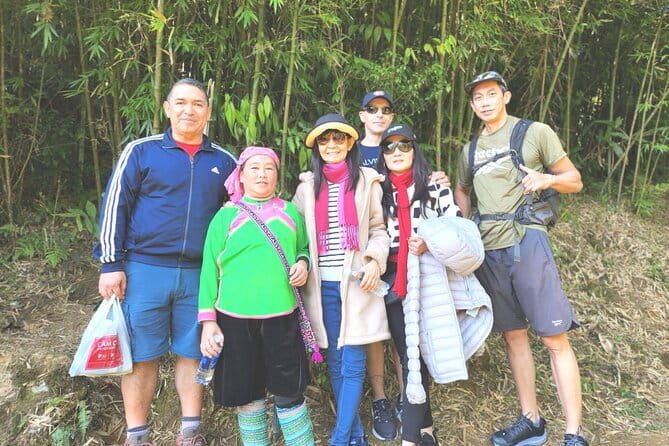
The inclusions are one of the best parts of the deal. For $38 per person, you get more than just a guide with a clipboard.
Included:
- Lunch plus water and fruit
- A certified guide
- Coffee and/or tea
That matters because it removes two common budget headaches in Vietnam travel: paying for food right when you’re hungry and paying for “extra” refreshments halfway through a tour. Here, lunch is part of the plan, not an optional add-on. And water and fruit are specifically named, which is a good sign when you’re walking in hills.
You’ll also appreciate the private tour style. It means it’s only your group, not a mixed crowd where you have to adapt to strangers’ pace. For a walking-and-cooking day, that can make everything feel smoother.
Not included:
- Private drinks like beer or extra coffee
- Tips for the tour guide
So if you’re thinking about a beer afterward, just set aside a bit of cash. Otherwise, you’re mostly covered.
Price and Logistics: $38 for a Full Day’s Work
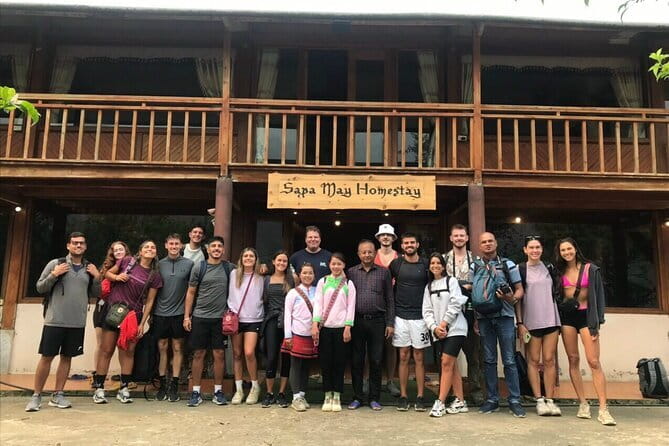
Let’s be practical about the price. $38 might sound low if you think of Sapa tours as quick sightseeing. But in this case, you’re paying for a full day that includes both guided walking time and an extended cooking class that runs 2–3 hours.
It’s essentially paying for three things at once:
1) A guide who shepherds you through multiple village areas
2) A guided meal experience that turns into lunch
3) A planned flow from town, to villages, to a return transfer
Also, there’s a small convenience layer: pickup is offered, and you get a mobile ticket. Confirmation happens at booking, and you should receive it when you reserve. Those details might not be exciting, but they reduce stress—especially if you’re in Sapa for just a short stay.
One more real-world note: the experience requires good weather. That doesn’t mean you’ll be hiking in a storm. It means you should plan for the day to potentially shift if conditions aren’t right.
Fitness Level: Moderate Is the Right Word
This is described for travelers with moderate physical fitness. In plain terms: you don’t need to be a mountain athlete, but you do need to be comfortable walking on uneven ground and managing short uphill stretches.
The total time is about 7 hours (approx.), and that includes walking segments, the cooking class, and the transfer time. Your legs may feel it, even if you’re not sprinting anywhere.
If you’re recovering from an injury, dealing with mobility limitations, or you simply prefer flat ground, you might feel this is more active than you want. If you can handle a half-day hike at a relaxed pace, you should be fine.
Who Should Book This Sapa Trekking + Cooking Day
This experience is a strong match if:
- You want more than quick sightseeing—you want village life through walking routes
- You enjoy cooking classes and want a meal plan you can actually learn from
- You’re traveling with a group that likes steady activity and a shared meal afterward
- You’d rather pass crowded areas and move toward quieter village spaces
It’s not the best choice if:
- You want a guaranteed, rigid schedule with no change under any circumstance
- You’re uncomfortable with uneven paths and moderate hiking
- You’re only interested in Cat Cat as a standalone major stop and nothing else
Also, consider your expectations. This is a single-day program that mixes walking and cooking. It won’t feel like a slow, casual stroll. It’s structured, and it moves.
A Balanced Take: What Could Go Wrong
No tour is perfect, and you should plan with eyes open. I did see a highly negative report claiming that the day visited fewer of the expected stops than the program suggested. That kind of mismatch can happen when plans change, but you still deserve clarity.
Here’s the practical fix: when you meet your guide, ask a simple question early—what stops you’ll hit that day and how weather might affect the plan. A good guide will explain plainly. If you don’t get that clarity, that’s information you should act on.
Weather is another factor. Since the experience requires good conditions, don’t schedule something critical immediately after if you’re tight on time.
Should You Book This Tour?
If you’re looking for a one-day way to connect trekking with a real cooking lesson, I think this is worth booking. The price includes lunch, water, fruit, and coffee or tea, and the day is built around two core experiences: walking beyond the obvious and learning to make a full Vietnamese meal in an H’Mong house setting.
Book it if you’re up for moderate hiking and you want a day that feels like more than sightseeing. Consider skipping or going in with extra questions if you’re very sensitive to itinerary changes or you need absolute certainty on every single stop, no matter the conditions.