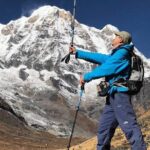
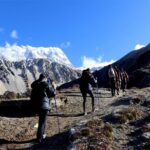
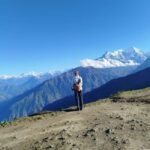
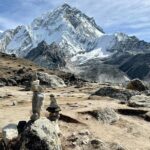
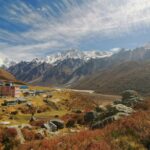
Everest starts with a shaky Lukla flight. That’s exactly why this Everest Base Camp trek feels like a real journey instead of a checklist: you get private airport pickup, a 3 Kathmandu hotel, the permits and park fees handled, and meals on the trail—so you can focus on altitude and pacing. I love the acclimatization built into the route (Namche and Dingboche days), and I like the practical porter support (1 porter for 2 clients) with a duffle bag return. One consideration: Lukla weather delays happen, and extra days in the mountains aren’t included if flights get pushed back.
What makes this trip easier to trust is the behind-the-scenes setup for safety and logistics. The company includes travel and rescue arrangements plus first-aid supplies, and their team includes guides who have led past groups on the same route—names like Prakash Adhikari and Urken Sherpa show up in the operator’s history.
If you want the big achievement without the headache, this is a solid way to do Everest Base Camp. Just go in ready for cold mornings, basic tea-house comfort, and the fact that the mountains set the timetable.
In This Review
- Key points worth knowing before you go
- What you’re really paying for in an Everest Base Camp trek
- Kathmandu on day one and day two: set yourself up for less stress
- The Lukla start: why days 2 and 3 set the tone
- Namche acclimatization and Khumjung: culture and altitude in the same day
- Tengboche and Dingboche: where the trek mixes prayer, stone, and big weather swings
- Dingboche to Lobuche: Sagarmatha Park country and the Thukla Pass moment
- EBC and Gorakshep to Kalapatthar: the two big wins of the trek
- The return to Lukla: same roads, smarter pacing
- Lodge life, meals, permits, and what’s actually included
- Guides, porters, and the safety track record
- Who this Everest Base Camp trek is best for
- Should you book this Everest Base Camp trek?
- FAQ
- How long is the Everest Base Camp trek, and where does it start?
- What time does the trek start on the first day?
- Is airport pickup and hotel transfer included?
- Are flights to Lukla included?
- What meals are included during the trek?
- Are permits and park fees included?
- Is a guide and porter included?
- Do I need travel insurance and is it included?
- What are the requirements for fitness and age?
Key points worth knowing before you go
Lukla flights are built in with the route also using Ramachap when needed
Acclimatization days are scheduled with stops at Khumjung and Dingboche
Permits and Khumbu fees are included (TIMS plus Khumbu valley fees)
Support is practical, not fancy: experienced guide and 1 porter for every 2 clients
You cover both EBC and Kalapatthar for the two best view moments
Meals and lodging are handled on-trail in lodges/tea houses with trekking meals included
What you’re really paying for in an Everest Base Camp trek
At $1,800 per person for 14 days, the real value here is what’s included for you before you ever touch a trail. You’re not just buying a guide’s presence—you’re also getting the Kathmandu start-to-finish handling (private pickup, 3 hotel for two nights with breakfast), the trekking-day meals (lunch, dinner, and breakfast), and the paperwork that can slow you down if you try to manage it yourself.
You’re also getting the permits and fees handled: TIMS plus Khumbu valley fees, and the route operates inside Sagarmatha National Park. That matters because permits are part of how the trek stays legitimate and smooth, especially once you’re deep in the Khumbu area.
One more value item that’s easy to miss: travel and rescue arrangements are included, and there’s a first aid kit on the team. I’m not counting on paperwork to replace good judgment on altitude. Still, it’s reassuring when something goes wrong.
You can also read our reviews of more tours and experiences in Kathmandu.
Kathmandu on day one and day two: set yourself up for less stress
Your trip begins with arrival at Kathmandu’s airport, then private vehicle transfer to the hotel. That’s a small thing in theory, but it helps a lot after a long travel day—especially if you land and just need to get settled, not hunt for transport.
Because the trip includes two nights in a 3* hotel with breakfast, you’ve got a known base while you prep for flights the next day. Also, they’ll issue what’s called a mobile ticket, which can reduce friction when you’re moving through Nepal’s travel systems.
What you should plan to do in Kathmandu (without overcomplicating it): eat normally, sleep if you can, and get your layers and meds ready for cold mornings in the hills. You’ll also need to handle your Nepal visa fee yourself at the airport, since it’s not included.
The Lukla start: why days 2 and 3 set the tone
Day two kicks off with the flight from Kathmandu to Lukla (2,860m), followed by a trek to Phakding (2,610m). Expect about 3–4 hours of walking. This is not the time to prove toughness. It’s the time to get your legs turning and your breathing calm.
Phakding is a good early-night stop because it keeps you away from instant altitude pressure. You’re still high, but you’re not going straight into the thick of it.
Day three is where the trek starts feeling more serious: Phakding to Namche Bazaar (3,446m), about 6–7 hours. Namche is the main altitude hub in the Khumbu, with a lot happening around it—plus it’s the place where you’ll really notice how quickly conditions shift as you gain elevation.
Practical note: Lukla flights are the classic variable. They’re included, but the mountains can change plans. The operator includes routing options (including Ramachap to Lukla) as part of the flight coverage, which is helpful if schedules get shuffled.
Namche acclimatization and Khumjung: culture and altitude in the same day
Day four is an acclimatization day, and you don’t waste it. You’ll visit Khumjung Village and the Hotel Everest View area at about 3,880m, then spend the night in the Namche area.
This kind of day is about two things:
- letting your body adjust
- staying active enough that you don’t feel stiff when trekking starts again
Khumjung Village gives you a real Sherpa community stop, not just photo time. And the Everest View stop is one of those places where you can look at the mountain scale without rushing.
This is one of the best parts of the whole schedule because it keeps the trek from feeling like constant grind. You gain altitude, but you also get to experience local life.
Tengboche and Dingboche: where the trek mixes prayer, stone, and big weather swings
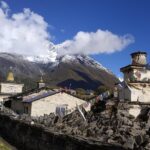
On day five you walk Namche to Tengboche (3,860m) for about 5–6 hours. Tengboche is a cultural highlight point on many Everest routes, and this trek’s focus on monasteries and Sherpa culture shows up along the way.
Then day six goes Tengboche to Dingboche (4,360m), another 5–6 hour day. This is where altitude starts to matter more than your motivation. You’ll feel it in your breathing and the way your body demands rest breaks.
Day seven is another acclimatization day at Dingboche (4,360m). Staying longer here is not optional if you want a better shot at feeling steady later, especially on the days near Lobuche, Gorakshep, and EBC.
Tip from the pace of this itinerary: treat acclimatization days like part of the trek, not like a bonus vacation day. Keep moving gently, drink water, and don’t “save energy” by doing nothing all day. The goal is adjustment, not sofa time.
Dingboche to Lobuche: Sagarmatha Park country and the Thukla Pass moment
Day eight is Dingboche to Lobuche (4,910m) for about 5–6 hours. Along this part of the route, the trek crosses the Thukla Pass (4,830m) before heading toward Lobuche.
A pass day is always psychologically tricky. You’re tired, you’re climbing, and you can’t see the finish line clearly. What helps is the way this itinerary spaces effort: you’re not jumping from sea-level stress into 5,000m without rest. You’re building gradually through Namche and Dingboche first.
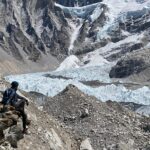
Lobuche is where the scenery starts turning even more glacial. You’ll feel the air change and see how the trail edges into harsher terrain. Lodges/tea houses are still the plan, but expect comfort to be simple. You’ll likely trade luxuries for heat management: layers, warm drinks, and good sleep.
EBC and Gorakshep to Kalapatthar: the two big wins of the trek
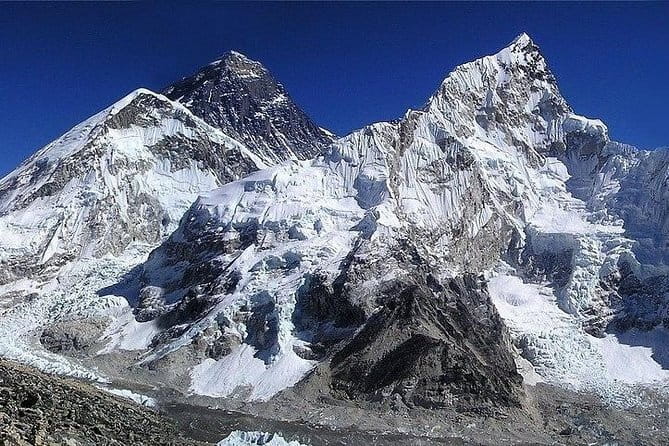
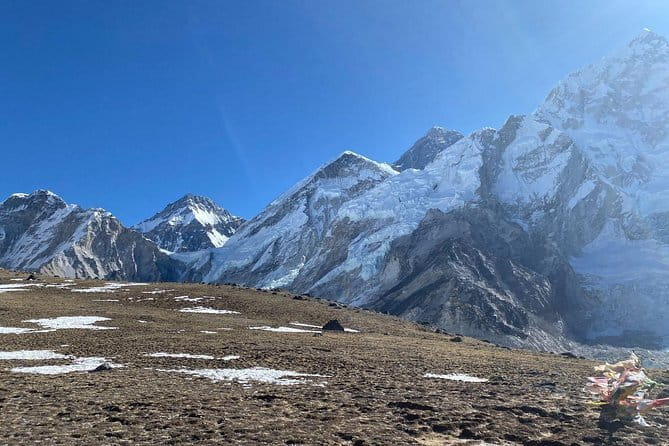
Day nine is one of the long days: Lobuche to Gorakshep and on to Everest Base Camp (EBC), about 6–7 hours. You’ll reach Gorakshep (~5,160m) and then press on to EBC (~5,360m).
This is the “bucket list” day, sure. But I like that the trek doesn’t just drop you at EBC and call it done. It has you continue through the high zone in a way that feels earned and grounded in the trek’s rhythm.
Day ten adds the other big moment: Gorakshep to Kalapatthar (about 5,545m) and then to Pheriche (about 4,371m) for 4–5 hours total.
Kalapatthar is famous because it gives you big Himalayan views, and the itinerary builds in the payoff after EBC. You’re already high; you’ve already earned your breathing rate; now you get to enjoy the view from one of the trek’s best points.
The drawback here is physical. If you’re feeling crushed on day nine, day ten still asks for effort. That’s why acclimatization days earlier matter so much. They set you up to enjoy the summit-feeling without feeling like you’re fighting your body.
The return to Lukla: same roads, smarter pacing
Day eleven walks Pheriche to Namche Bazaar (3,446m) for about 6–7 hours. Day twelve is Namche to Lukla (2,860m), about 5–6 hours.
On the way down, you can trick yourself into speed. That’s where people get sore knees and start wasting energy. I recommend you pace like you climbed—small steady steps, regular stops, and no hero moves when you see the trail open up.
Once you reach Lukla, the trip shifts from hiking work to travel recovery. Day thirteen includes the flight back to Kathmandu, then day fourteen is departure.
Lodge life, meals, permits, and what’s actually included
This trek uses lodges/tea houses through the route. It’s the standard Everest approach because it keeps you from carrying heavy camp gear at altitude. You still deal with basic living: shared facilities, simple meals, and heating that may be limited depending on the lodge.
Good news on logistics: trekking-day meals are included (lunch, dinner, and breakfast). That removes a lot of decision fatigue in a place where food options can be inconsistent.
Included also are:
- TIMS permit and Khumbu valley fees
- paper works handled
- travel and rescue arrangements
- company T-shirts
- medical supplies via a first aid kit
- duffle bag that you get back after the trek
What you should budget separately:
- Nepal visa fee
- international airfare to and from Kathmandu
- all meals in Kathmandu (the hotel covers breakfast only)
- any extra nights in Kathmandu if travel timing forces changes
- travel insurance and tips for guide and porter
- personal costs like phone calls, laundry, bottle or boiled water, and hot shower if available
Also watch this: the trip operates in all weather and you’re expected to dress appropriately. That means you should treat rain gear and warm layers as essential, not optional.
Guides, porters, and the safety track record
One of the most praised aspects of this operator is the team approach. You’ll travel with an experienced guide and a porter (1 porter for 2 clients). That porter ratio matters on Everest Base Camp because even if you’re fit, carrying a heavy bag at altitude steals energy.
You also get real human support around the routine stuff: pacing, trail guidance, and keeping the trek moving at a sustainable speed.
The reviews also point to strong care during tough moments. There’s an example of an EBC group dealing with a medical emergency, and the company arranged an emergency evacuation and hospitalization. Another theme is responsiveness—guides like Prakash and Nima show up in the operator’s track record, along with Bhagwat Simkhada in the organizer role.
I can’t promise which names you’ll get, but I can tell you the structure here is built around experienced local leadership and Sherpa support, not random staffing.
Who this Everest Base Camp trek is best for
This is a good fit if you:
- want a guided trek with permits and logistics already handled
- have moderate physical fitness
- prefer the tea-house style over camping
The minimum age is 8 years, and the operator has supported family trekking on this route, including at least one group with a 12-year-old. That doesn’t mean the trek is easy—altitude is altitude—but it signals that they can handle mixed ages when the group is motivated and supported.
You might want to look elsewhere if you:
- hate flight variability in small airports (Lukla schedules can shift)
- need a lot of meal flexibility beyond what the itinerary provides
- aren’t prepared for cold mornings and basic lodge comforts
Should you book this Everest Base Camp trek?
Yes, if you want a strong mix of logistics, support, and altitude planning without having to run the whole operation yourself. The inclusion of permits, TIMS, meals during the trek, and the guide/porter setup makes it easier to spend your energy where it belongs: acclimatization and walking.
Think twice if your schedule is extremely tight or you can’t handle possible flight delays. Weather can affect Lukla, and extra mountain time costs aren’t included.
If you’re okay with the mountains setting the pace, this is a worthwhile way to do Everest Base Camp—ending with Kalapatthar views and the simple satisfaction of retracing the trail back to Lukla.
FAQ
How long is the Everest Base Camp trek, and where does it start?
The trek runs about 14 days and starts in Kathmandu (meeting point: Tribhuvan Airport). It also ends back at the meeting point in Kathmandu.
What time does the trek start on the first day?
Start time is 7:00 am at Tribhuvan Airport, Kathmandu.
Is airport pickup and hotel transfer included?
Yes. You get pickup from the airport and transfer to the hotel by private vehicle.
Are flights to Lukla included?
Yes. Included flights cover Kathmandu to Lukla and the return route, with routing that may include Ramachap to Lukla depending on flight logistics.
What meals are included during the trek?
During the trek, lunch, dinner, and breakfast are included each day. In Kathmandu, only breakfast is included with the hotel.
Are permits and park fees included?
Yes. The trip includes TIMS permit and Khumbu valley fees, along with paper work.
Is a guide and porter included?
Yes. You get an experienced guide and a porter with a 1 porter for 2 clients ratio.
Do I need travel insurance and is it included?
Travel and rescue arrangements are included, but travel and rescue insurance is not included.
What are the requirements for fitness and age?
Minimum age is 8 years, and you should have a moderate physical fitness level. Confirmation is received at booking time.