Khopra Danda adds a new ridge to Annapurna. I love the panoramas at about 3,637m and the fact that Hike On Trek keeps things organized and personable, including a route shaped to your style. The trade-off is day 9: the climb to Khayer Lake (4,660m) takes about 5 hours and you have to carry all required stuff and food from Khopra Danda for that camping night.
You’ll spend around 13 days moving from Kathmandu to Pokhara, then hiking through guesthouses, ridgelines, and finally a hot-water recovery stop in Tatopani. The group is kept small (max 25), and you’ll use a mobile ticket, with the experience starting at 10:45am and ending back at the Annapurna area. If weather is rough, the trek can be rescheduled or refunded, so keep some flexibility.
In This Review
- Key points worth knowing before you go
- Why Khopra Danda Feels Like a Fresh Take on the Annapurna Trails
- Getting From Kathmandu to Pokhara and Into Trek Mode
- Tikhedhunga to Ghorepani: Where the Steps Do the Talking
- Poon Hill Sunrise and the Trail Shift Toward Tadapani
- Dobato, Muldai Viewpoint, and the 3,637m Morning Fix
- Khopra Danda Day: Khopra Ridge Views and Community Lodge Rest
- Khayer Lake Day at 4,660m: Camping Logistics You Can’t Ignore
- Tatopani: Hot Water Recovery and the Trip Back to Pokhara
- Kathmandu Wrap-Up: Your Final Views and Airport Timing
- Price and What Your $1,120 Really Buys on This Trek
- Who This Trek Suits Best (and Who Should Think Twice)
- Should You Book the Khopra Danda Trek with Hike On Trek?
- FAQ
- How long is the Khopra Danda Trek?
- Where does the tour start and when?
- What is the highest point on the itinerary?
- What kind of lodging do you use during the trek?
- Is Poon Hill admission included?
- Do I need to carry food and supplies for any part of the trek?
- What group size should I expect?
- What happens if the trek can’t run due to weather?
Key points worth knowing before you go
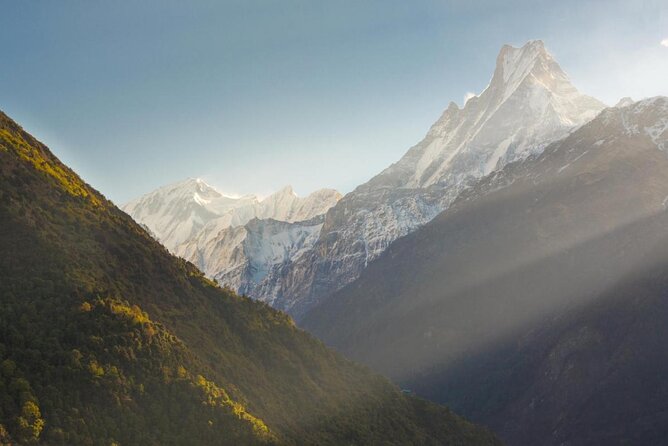
- Brand-new-feeling route inside the Annapurna region after the classic Ghorepani–Poon Hill area
- Ridgeline views around 3,637m at both Muldai and Khopra ridge
- Khayer Lake camping at 4,660m (yes, you carry what you need for that day)
- Hot water ponds in Tatopani to help your legs recover
- Small group size (max 25) for a more manageable trek rhythm
- Service that feels intentional, including itinerary planning support from Samir
Why Khopra Danda Feels Like a Fresh Take on the Annapurna Trails
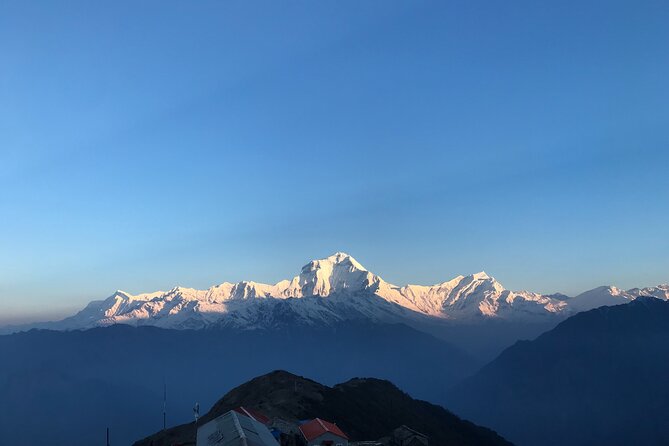
Khopra Danda Trek sits in the Annapurna region right after the Ghorepani and Poon Hill world. What makes it interesting is the progression: you start with well-worn paths, then gradually work your way into higher ridge viewpoints that feel quieter and more open. The altitude jump is not random either. You’ll hit major viewpoints around 3,637m, then go for the big push to Khayer Lake at 4,660m.
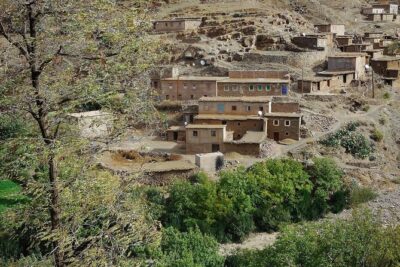
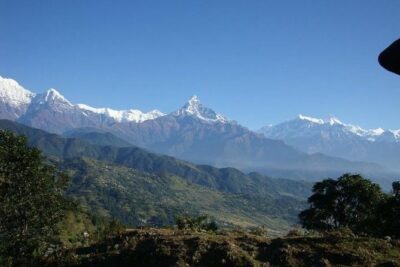
I also like that the trek is built around a mix of scenery types. You get stone-step hiking, village walks along the Modi Khola corridor, and then ridge breathing-room where you can actually take in the mountains for longer than a quick photo stop. The views you’re aiming for include Mount Annapurna, Dhaulagiri, Manaslu, Mardi, and others, depending on visibility.
One more practical point: this is a trek for people with moderate fitness. You don’t need to be an athlete, but you do need to be comfortable hiking for multiple days with steady climbs, including long stair sections and a tough day to Khayer Lake.
You can also read our reviews of more tours and experiences in Kathmandu.



Getting From Kathmandu to Pokhara and Into Trek Mode
Your trip starts at Tribhuvan International Airport around 10:45am, with an airport representative meeting you. From there, you’ll head to Kathmandu City sightseeing, with Kathmandu Durbar Square as the first stop. That Durbar Square admission ticket is included, and the sightseeing block is listed at about 3 hours.
Day 2 is a drive from Kathmandu to Pokhara (about 4–5 hours), followed by about 7 hours of sightseeing around Pokhara. This matters more than it sounds. It gives you a buffer to adjust after travel, rather than jumping straight into the hills on day one.
By the time you’re done with Pokhara, you’ll be ready for the first trek day. And you’ll also understand the rhythm your body needs: slow start, consistent pace, and plenty of time for the next segment to unfold.
Tikhedhunga to Ghorepani: Where the Steps Do the Talking
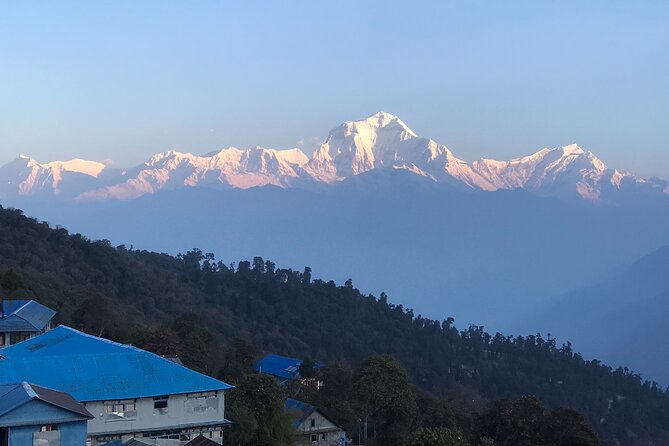
Day 3 begins with a drive from Pokhara to Nayapul (about 1.5 hours), then you start walking toward Tikhedhunga at 1,750m. The route follows the Modi Khola (a downstream path from the Annapurna valley), and the walking time is listed at around 5 hours.
This day is a good warm-up. You’re building momentum while still keeping it manageable, and the river valley setting is a helpful mental reset after long travel days. Tikhedhunga itself becomes your staging point for the bigger effort coming next.
Day 4 is the stair day. The plan calls for hiking more than 3,000 stone steps to Ulleri, then continuing on to Ghorepani, for roughly 6 to 7 hours total. You’ll stay overnight in a guesthouse in Ghorepani.
If you’re not used to stairs, this is the part to respect. Don’t chase speed. Short steps, steady breathing, and frequent micro-breaks are your friends here. It’s also the day where having a porter (if you choose to hire one on the ground) can really help your energy for later viewpoints.
Poon Hill Sunrise and the Trail Shift Toward Tadapani
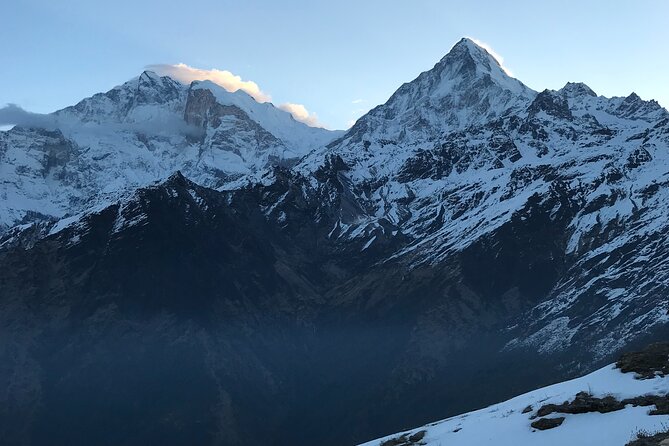
From Ghorepani, Day 5 targets Poon Hill. You’ll go up to the top of Poon Hill, which is described as one of the best spots for viewing the Annapurna and Dhaulagiri ranges, including the classic golden sunrise moments. Then you return to Ghorepani and continue on to Tadapani via Deurali.
The total walking time for Day 5 is listed at about 6 to 7 hours, and you’ll stay in a guesthouse at Tadapani. One small logistics note: Poon Hill admission is not included, so budget for that entrance fee if it applies during your travel window.
Day 6 keeps the momentum going but shifts the feel. You hike from Tadapani toward Dobato, with a listed trek length of about 6.5 kilometers and a total of roughly 5 to 6 hours. You pass villages and can encounter flora and fauna along the way, then reach Dobato at around 3,350m for the overnight guesthouse.
This sequence is useful for your legs and breathing. You’re gaining altitude gradually, not in one giant leap. You’ll feel the changes in air quality, but it’s spaced out enough to stay focused on moving well.
Dobato, Muldai Viewpoint, and the 3,637m Morning Fix
Day 7 is an early push. The plan calls for hiking up to the Muldai viewpoint at 3,637m to collect the morning views of 25 mountains across the Annapurna and Dhaulagiri ranges. After soaking in the scenery, you hike back to Dobato and continue toward Chistibung.
From there, you’ll trek to Bayli Kharka for the first hour, then reach Chistibung after about 3 more hours. Total Day 7 trekking time is listed at about 5 hours, and you’ll sleep in Chistibung.
This day is where the trek starts feeling different from the more crowded classic routes. You’re still on the Annapurna path, but your goal is a big viewpoint early, then a quieter camp-like stop afterward. If you like mountains but also like space, this is a good day to mentally settle into the trek.




Khopra Danda Day: Khopra Ridge Views and Community Lodge Rest
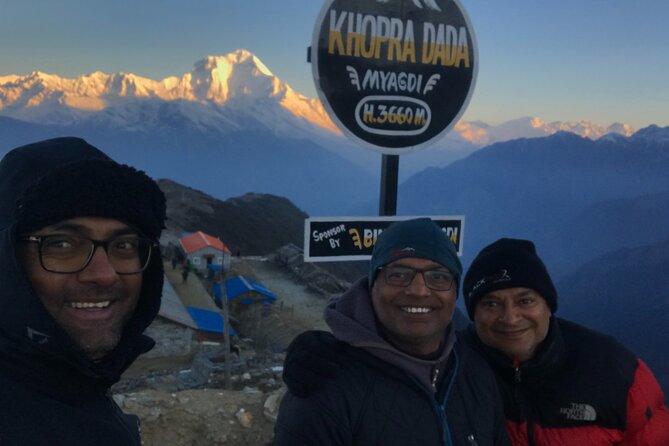
Day 8 is shorter by design. After about 3 hours from Chistibung, you reach Khopra ridge and the main ridge views. The mountains listed here include Dhaulagiri, Annapurna, Nilgiri, and many other peaks in the broader Annapurna and Dhaulagiri ranges.
Then the rest of your day is slower: resting in the Khopra community lodges and enjoying local hospitality. Your total walking time is listed at about 4 hours for the day.
This is one of those “protect your energy” days. You’re still high up, and you still have the big Khayer Lake push ahead. Use the quiet time well: eat early, hydrate, and let your body recover so day 9 doesn’t feel like a surprise attack.
Khayer Lake Day at 4,660m: Camping Logistics You Can’t Ignore
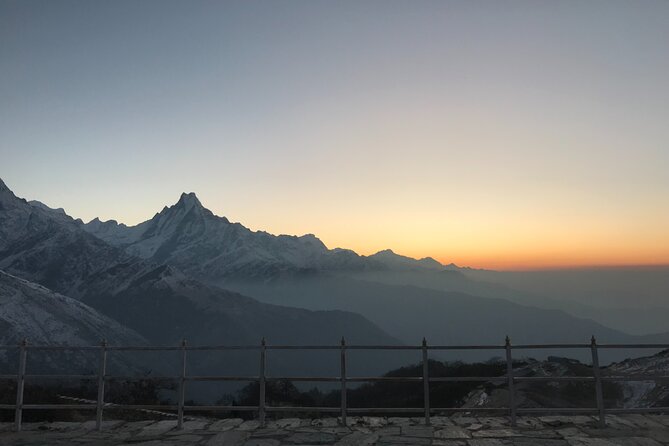
Day 9 is the highest and most demanding day in the schedule. After breakfast, you hike up to Khayer Lake at 4,660m, with the trek time listed at about 5 hours. It’s described as a sacred lake, and there’s a Brahma temple alongside it.
For this day, you’ll set tents and stay overnight. And here’s the key practical detail: all required kinds of stuff and food must be carried from Khopra Danda for this day.
That’s not a small note. It changes how you plan your packing and pacing. You’ll want to keep your load realistic and treat day 9 as a controlled effort—steady climb, no hero moments, and consistent hydration. Nights up at this altitude can feel cold, so plan to stay warm once you stop moving.
Tatopani: Hot Water Recovery and the Trip Back to Pokhara
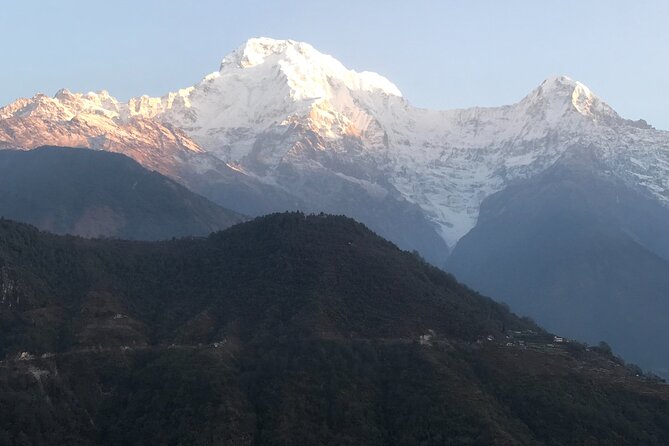
Day 10 brings a welcome change. You descend toward Tatopani after lunch, with the trek time listed at about 5 hours. Tatopani is known as the end point of the Annapurna Circuit trek and it offers hot water ponds, which you can soak in to comfort muscle pain.
This is one of the smartest pieces of the itinerary. Rather than just “finishing,” you get a recovery moment built into the plan. It can make the next travel day feel less punishing.
Day 11 is a jeep ride back to Pokhara, following an off-road trail till Beni and then black-topped roads from Beni through Nayapul (the starting point for the Ghorepani Poon Hill trek and Khopra ridge trek). You’ll stay overnight in Pokhara after about 5 hours travel time.
Kathmandu Wrap-Up: Your Final Views and Airport Timing
Day 12 is your return to Kathmandu. The plan gives two options: a tourist bus (country viewing along the way) or a flight. Day 13 includes airport transport, with the representative taking you to Kathmandu International Airport about 3 hours before your flight schedule.
That airport timing is genuinely helpful. It reduces stress and helps you handle check-in without a rushed scramble after a long trek.
Price and What Your $1,120 Really Buys on This Trek
At $1,120 per person for about 13 days, this trek is priced like a full program, not just a hiking route. You’re paying for the overall structure: airport-to-city orientation, the Kathmandu and Pokhara blocks, multi-day guiding and logistics, guesthouse nights along the way, and the camping night at Khayer Lake with tents set up. You’re also paying for the included transport components like Kathmandu to Pokhara by drive and the jeep return.
Admission fees are mixed. Kathmandu Durbar Square is listed as included. Many other admission items are listed as free, while Poon Hill admission is explicitly noted as not included. So you can’t assume everything is rolled into one number, but the plan does point out where costs might land.
The value also shows up in how the company operates. The reviews I saw used phrases like legit company, fair price, and good service, and they highlighted strong support from office and field staff. One detail I found especially useful: Samir helped create a unique itinerary, which suggests you’re not just buying a generic trek script. You’re buying a plan with some care behind it.
Also, the maximum group size of 25 is meaningful. On a route with stairs, long hours, and altitude days, smaller groups tend to mean fewer slowdowns and more control over your rhythm.
Who This Trek Suits Best (and Who Should Think Twice)
This trek suits you if you want a classic Annapurna-area start and then a newer-feeling ridge finale. It also suits you if you like structured days with clear targets: Poon Hill for sunrise vibes, Muldai at 3,637m for mountain-rich morning views, Khopra ridge for ridgeline panoramas, and Khayer Lake for a sacred overnight.
You should think twice if:
- You’re uncomfortable with stair-heavy hiking, since one day includes more than 3,000 stone steps.
- You’re not ready for day 9 at 4,660m, especially with the requirement to carry your own day’s food and supplies from Khopra Danda.
- You have zero flexibility for weather, since the trek requires good weather and can be rescheduled if conditions fail.
If you’re traveling as a couple or as a small group and want the mountains without losing your footing to chaos, this is a solid fit.
Should You Book the Khopra Danda Trek with Hike On Trek?
If your priority is big Annapurna and Dhaulagiri views, plus the chance to go higher than the usual photo stops, I’d book it. The route is built around major viewpoints at 3,637m, then the standout push to Khayer Lake with a camping overnight. Add the service focus and small group size, and it feels like a trek where your days are planned with your energy in mind.
I’d only hesitate if you dread the logistics of a high-altitude camping day or you’re not confident with long climbs. If you’re comfortable with moderate fitness, willing to pace the stair day, and ready for a demanding day at altitude, this is a strong Annapurna-region choice.
FAQ
How long is the Khopra Danda Trek?
The trek is listed as 13 days (approx.).
Where does the tour start and when?
It starts at Tribhuvan International Airport (Ring Rd, Kathmandu) with a start time of 10:45 am.
What is the highest point on the itinerary?
The highest point mentioned is Khayer Lake at 4,660m.
What kind of lodging do you use during the trek?
You stay in guesthouses during the trekking days, and you set tents for the overnight at Khayer Lake.
Is Poon Hill admission included?
Poon Hill admission is listed as not included.
Do I need to carry food and supplies for any part of the trek?
Yes. For the Khayer Lake day, all required stuff and food must be carried from Khopra Danda for that day.
What group size should I expect?
The trek has a maximum of 25 travelers.
What happens if the trek can’t run due to weather?
The experience requires good weather. If it’s canceled due to poor weather, you’ll be offered a different date or a full refund.