REVIEW · KATHMANDU
10-Days Private Langtang Valley Trek in Nepal
Book on Viator →Operated by Nepalaya Treks & Expedition · Bookable on Viator
Langtang is a valley that rewards patience.
I like how this trek balances small villages and forest walking with the big payoff of sunrise views from Tserko Ri. The route also threads through places tied to the region’s spirituality, including a stay at Kyanjin Gompa. One thing to consider: you’re relying on good weather and you’ll need a moderate fitness level for the full back-and-forth trek.
I also appreciate the practical way this trip starts and runs. You begin in Kathmandu with a hotel handoff and even a Nepali special dinner, then you head out by air-conditioned vehicle toward Syabrubesi, where the trekking really kicks in. Because it’s a private tour, it’s just your group, so pacing and small adjustments feel easier than on big join-in trips.
From there, it’s classic Langtang rhythm: drive to the trailhead, walk through oak and rhododendron forests, pass working mills and prayer wheels, then climb for sunrise and ease back down over the return days. If you’re the type who likes routes that feel lived-in—not just scenic—you’ll probably click with this.
In This Review
- Key things I’d plan for on this Langtang trek
- Kathmandu start: the friendly handoff and Nepali dinner
- Drive to Syabrubesi: switchbacks, mountain sightings, and an early rhythm
- Into the Langtang Valley: forests, villages, and a route shaped by 2015
- Kyanjin Gompa: monastery focus and the small details that feel real
- Tserko Ri sunrise: high-morning effort with a clear payoff
- The return days: Lama Hotel then Syabrubesi, and why it feels easier
- Kathmandu again: shopping, decompression, and trip wrap-up support
- Price and value: what $850 really buys you here
- What’s not included: Kathmandu meals and staff tips
- Who this Langtang trek fits best (and who should reconsider)
- Booking confidence: private group, weather needs, and flexible planning
- Should you book this Langtang Valley trek with Nepalaya Treks & Expedition?
- FAQ
- FAQ
- Is this trek a private tour?
- Does the experience include pickup?
- How much does the 10-day private Langtang Valley trek cost?
- What meals are included on the trek?
- Are permits included?
- Where is the ticket redemption meeting point in Kathmandu?
- What happens if weather is bad?
- Is cancellation free?
Key things I’d plan for on this Langtang trek
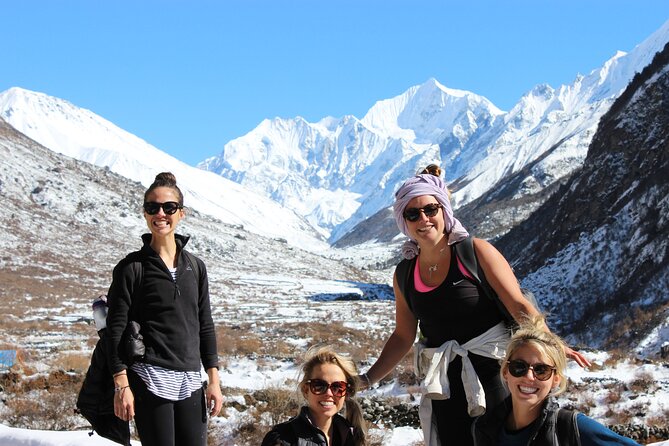
- Pickup and Kathmandu setup: A rep meets you in Kathmandu and you’re taken to a hotel, then guided talk for the trip.
- Syabrubesi arrival day views: The winding road gets you mountain sightings early, before your boots hit the trail.
- Forest-to-monastery day: Oak/rhododendron forest walking leads toward Kyanjin Gompa’s spiritual focus.
- Tserko Ri sunrise, not a quick stop: You’ll spend time up high, then return to Kyangjin Gompa the same day.
- Return is easier on paper: The trek down to Syabrubesi is described as easier than the inbound days.
- Local guidance + paperwork covered: English-speaking professional guide plus trekking permit, National park fee, and TIMS card included.
Kathmandu start: the friendly handoff and Nepali dinner
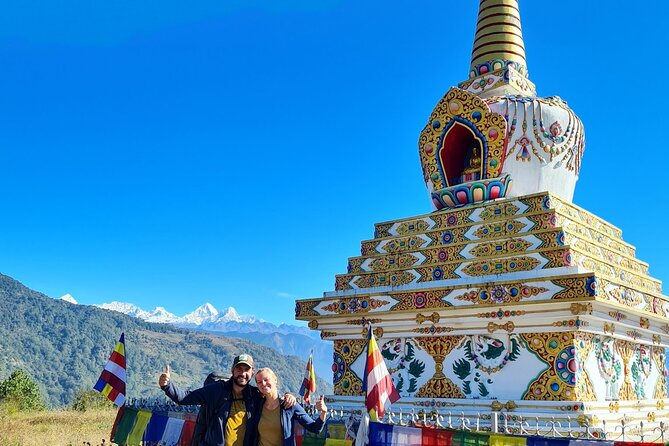
Day 1 is all about getting settled. When you arrive in Kathmandu, a representative takes you to your hotel, then you discuss the trek plan later. That sounds simple, but it matters. After a travel day, you want to stop thinking about logistics and start thinking about sleep.
Then there’s a special dinner reflecting Nepali food culture. It’s an easy way to reset your body clock and get a first taste of the country beyond a “quick bite before bed” approach. I like that the trip doesn’t treat your first night like an afterthought.
If you’re arriving at different times from your group, this kind of hotel-based start can keep things calm. Just note that meals in Kathmandu are only partially covered: the included program says breakfast, and it does not list lunch/dinner in Kathmandu as included.
You can also read our reviews of more tours and experiences in Kathmandu.
Drive to Syabrubesi: switchbacks, mountain sightings, and an early rhythm
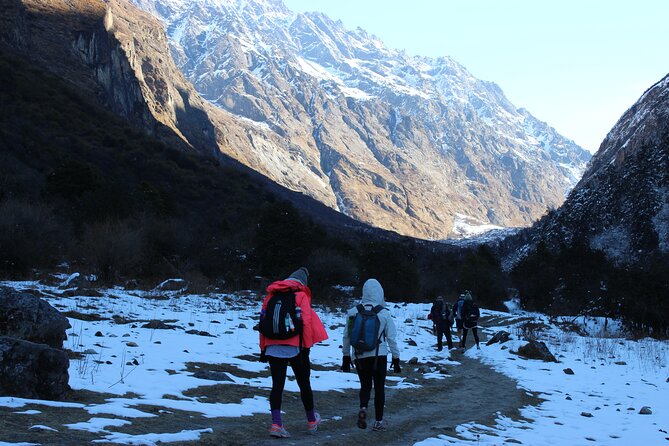
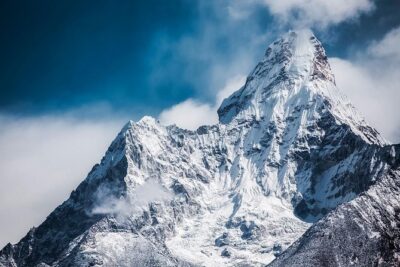
Getting from Kathmandu to the trail begins with a long road day. You’ll drive near Syabrubesi, passing switchbacks and getting a chance to view a mix of big-name Himalayan ranges along the way. The route is specifically described as winding, and that’s usually a clue: bring patience, not just snacks.
Syabrubesi is your overnight stop before trekking starts. This is a good setup day because it lets you wake up in the right zone for the trail instead of trying to “go immediately” after arriving in Nepal.
The value here is that you’re not doing the stressful part alone. The trip includes an air-conditioned vehicle, which can be a real comfort when you’re already tired from flights and airport shuffles.
Into the Langtang Valley: forests, villages, and a route shaped by 2015
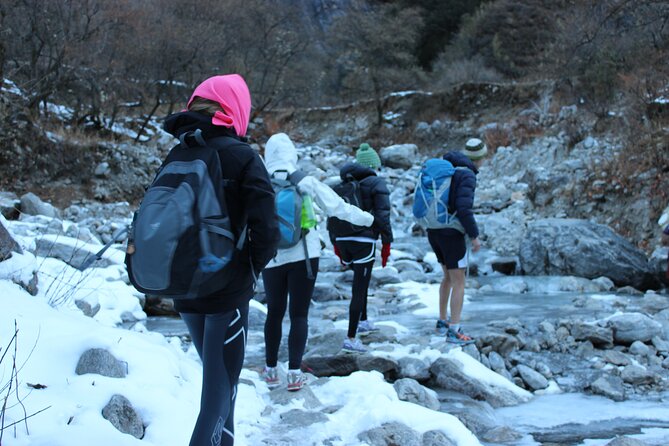
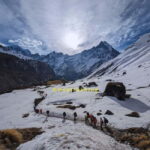
Days 3 and 4 are where Langtang starts to feel like a real working valley. After breakfast, you head toward Lama Hotel, passing oak and rhododendron forests. Those forest days often become your mental reset. You move steadily, you notice smaller details, and the valley gradually opens up.
Your first nights are in places like Phedi Khola and then Lama Hotel, which makes the trek feel staged rather than one huge shock. This staging matters if you’re trying to enjoy the hike instead of just surviving it.
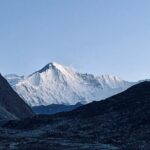
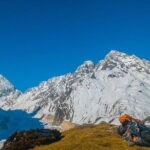
Day 4 is described with stops at Kala Ghoda and Ghoda Tabela after passing through the Langtong village and Mandu area. When you reach the green meadows of Ghoda Tabela, you get views back toward white peaks of the Langtang range. This is the kind of payoff that keeps people motivated on days that are long but not “dramatically vertical.”
There’s also an important human note: the village of Langtang was hit by an earthquake in April 2015. This doesn’t mean the whole trek is about disaster. It does mean the valley carries reminders and resilience. If you’re the kind of traveler who likes to understand what you’re seeing, pay attention and ask your guide what rebuilding looks like from this side of the valley—since the trip explicitly acknowledges that history.
Kyanjin Gompa: monastery focus and the small details that feel real
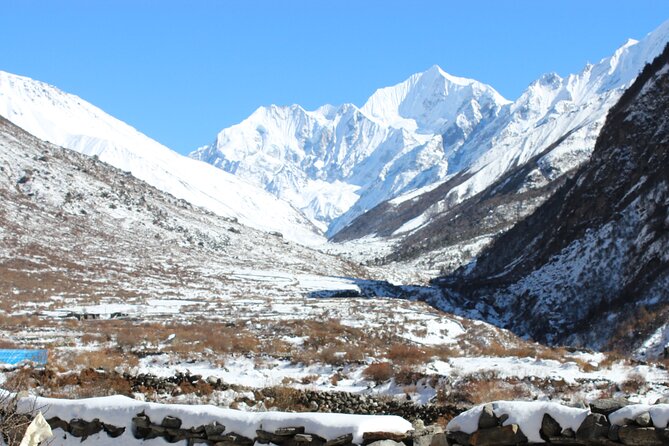
Day 5 centers on Kyanjin Gompa, described as a major monastery in the area. The walking approach matters here: you descend and pass water mills, prayer wheels, sacred hills, and other spiritual features. These are the kinds of small elements that can turn a trek from just exercise into cultural awareness.
The overnight in Kyanjin Gompa is also a big shift in atmosphere. A monastery stay usually means quieter evenings, and it’s a chance to slow down after trekking. It also gives you a more “in place” feeling than just passing through town for a photo.
If you care about authenticity, this is one of the strongest parts of the trek. The program doesn’t frame Kyanjin Gompa as a landmark you rush through. It treats it like a destination—one that shapes your day.
Tserko Ri sunrise: high-morning effort with a clear payoff
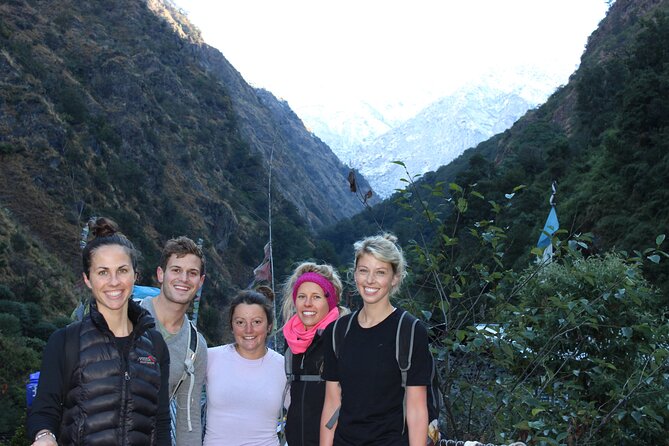
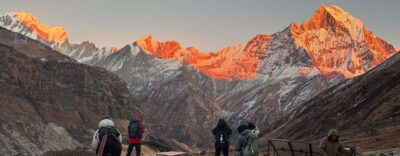
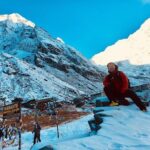
Day 6 is your high moment: Tserko Ri for sunrise views. You spend the day exploring high-altitude, then return to Kyanjin Gompa afterward. Sunrise days have a special kind of energy: you’re up early, you move with purpose, and the reward is visible on the horizon.
The route description mentions passing through areas of pasture during the climb. You’re not just climbing through empty air. You’re moving across working high country terrain, which makes the morning feel grounded rather than purely scenic.
After sunrise, you head back down to Kyanjin Gompa. I like that the plan doesn’t strand you away from your base with no return plan. You get the big view and then you can settle into the evening rhythm again in the same place.
The return days: Lama Hotel then Syabrubesi, and why it feels easier
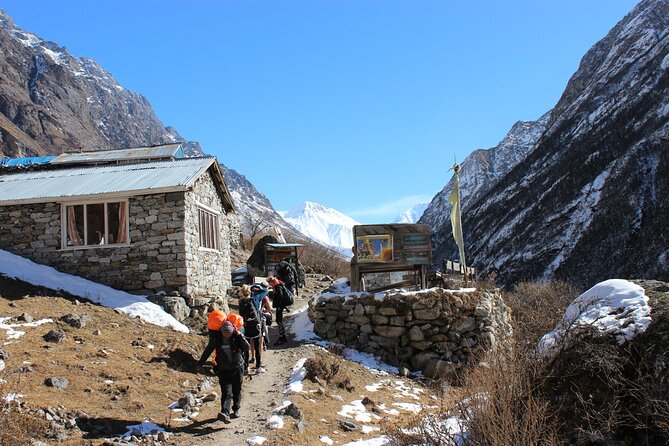
Day 7 starts early again, but this time it’s “back toward Lama Hotel.” The walk goes through forests and Tamang villages. This is where the trek starts to feel like a conversation with the route you already learned. You recognize the rhythms, even if the scenery changes day to day.
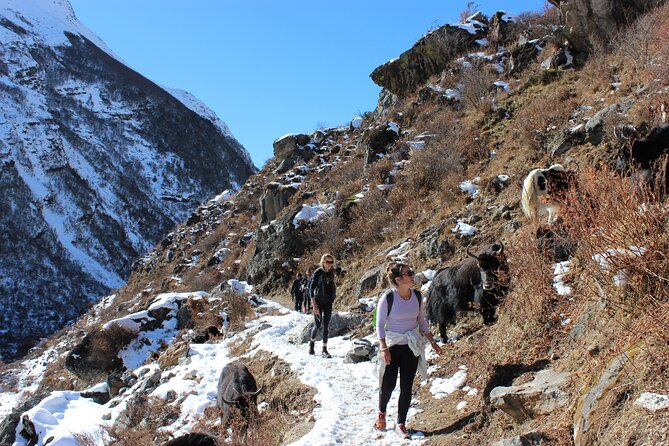
Day 8 returns to Syabrubesi. The program specifically notes the trek is easier than the earlier inbound days because it’s moving along bottom trails. That’s a huge practical point. On long treks, the return can either feel demoralizing or it can feel like your legs are being rewarded with recovery time. This plan is clearly aiming for the second.
Also, because you’re back in Syabrubesi overnight, you get a buffer night before Kathmandu. That buffer can help if you’re tired or your body takes a day to fully reset.
Kathmandu again: shopping, decompression, and trip wrap-up support
Day 9 brings you back to Kathmandu. The program includes time for shopping for presents for family and friends. That may sound like a throwaway detail, but it’s actually helpful. A trek can be intense, and having a scheduled “soft landing” day keeps the whole experience from turning into exhaustion plus paperwork plus last-minute stress.
Day 10 is the end of your trek. A representative helps with your final departure. In other words, you don’t get dumped on the last day and told good luck.
Price and value: what $850 really buys you here
At $850 per person, the price is best understood as a package of “you don’t have to manage the hard parts” value.
Here’s what’s explicitly included:
- English-speaking professional guide
- Meals: breakfast, lunch, dinner, plus hot drinks and tea/coffee
- Accommodation: hotel or lodge
- Trekking permit + National park fee + TIMS card fee
- Air-conditioned vehicle
- First aid medical kits for emergency
- Trekking map
- Breakfast listed for multiple days (so you’re not guessing day-to-day)
This is the kind of trek where costs stack up fast if you try to DIY it—permits, guide fees, transport to the trail area, and logistics around lodge stays. Bundling those into one rate tends to reduce friction, especially when you’re working with a private group and want the itinerary to move smoothly.
Is it the cheapest trek on the planet? Probably not. But if you value a guide who can handle routes, paperwork, and day-to-day decisions, this is a fairly straightforward deal.
One more value signal: pickup is offered. That’s a small line item that can save real energy.
What’s not included: Kathmandu meals and staff tips
Two items are clearly marked as not included:
- Lunch and dinner during your stay in Kathmandu
- Tips for trekking staff
That means you’ll still spend some money on meals once you’re back in the city. If you want to control your budget, plan to use Day 1 and Day 9 with the included breakfast in mind, and treat the Kathmandu lunches/dinners as your flexible spending.
On tips: trekking staff support is part of what makes lodge stays and trail logistics work. If you prefer to tip thoughtfully instead of last-minute panic, set aside a small amount early.
Who this Langtang trek fits best (and who should reconsider)
This trek is listed for travelers with moderate physical fitness. That’s the sweet spot: you don’t need to be a mountaineer, but you should be comfortable walking several days in a row and handling early mornings.
It also fits best if you like:
- walking through villages and farmland rather than only ridge scenery
- cultural stops with real meaning, like monastery life at Kyanjin Gompa
- sunrise as a priority, not a “maybe if we feel like it” bonus
It may be less ideal if you hate time on the road. The experience includes a full drive day into the trek area, and then you return to Kathmandu later. If you’re extremely sensitive to long driving, you’ll want to mentally prepare for that rhythm.
Booking confidence: private group, weather needs, and flexible planning
A private tour means it’s only your group. That matters for a trek because small preferences—like pacing or whether you want to slow down for photos and prayers—can actually matter.
It also requires good weather. So if conditions are rough, you might need to accept a date shift or refund. The program also notes a minimum number of travelers for the experience to run.
If you want a sense of how the company handles planning, one consistent theme from their team is trust and coordination. People mention working with Mr Basu on planning and organizing trips, and it sounds like they take preferences seriously and can connect you to other Nepal trips (like Chitwan and Pokhara) when it fits your schedule.
Should you book this Langtang Valley trek with Nepalaya Treks & Expedition?
I’d book it if you want a well-managed, guide-led Langtang experience with meals handled, permits covered, and a clear sunrise objective at Tserko Ri. The trek’s strongest ingredients are the mix: forest walking, village life, and then monastery culture at Kyanjin Gompa.
I’d think twice if you’re trying to do everything on a tight budget without any planning buffer, or if long drives wear you out fast. Also, be honest with yourself about the fitness requirement: moderate doesn’t mean casual.
FAQ
FAQ
Is this trek a private tour?
Yes. It’s listed as a private tour/activity, so only your group participates.
Does the experience include pickup?
Pickup is offered.
How much does the 10-day private Langtang Valley trek cost?
The price is $850.00 per person.
What meals are included on the trek?
Meals are included as breakfast, lunch, and dinner, plus hot drinks and tea/coffee. Lunch and dinner during your stay in Kathmandu are not included.
Are permits included?
Yes. The trek includes trekking permits and fees for the National park and TIMS card.
Where is the ticket redemption meeting point in Kathmandu?
The ticket redemption point is Nepalaya Treks & Expedition, Thamel, Kathmandu 21292, Nepal. It’s listed as open Monday–Sunday from 6:00 AM to 10:00 AM.
What happens if weather is bad?
The experience requires good weather. If it’s canceled due to poor weather, you’ll be offered a different date or a full refund.
Is cancellation free?
Free cancellation is available up to 24 hours in advance for a full refund. If you cancel less than 24 hours before the start time, the amount paid will not be refunded.