REVIEW · SA PA
Sapa: Muong Hoa Mountain Views and Villages Trek with Lunch
Book on GetYourGuide →Operated by HELEN · Bookable on GetYourGuide
Sapa’s mountain trails have a way of fixing your mood fast, and this one layers big views with village time. I love that you get a real climb up Sa Seng Mountain, then you slow down to visit Hang Da and Hau Thao to see daily life among the Black Hmong. You’ll also hear about marriage traditions and learn how rice-field work shapes community life. One thing to weigh: this trek has steep inclines and it’s not for everyone.
The day is built around steady progress: you start on a van ride, hit a small uphill trail, earn the panoramic top of Sa Seng, then move downhill to villages. What makes it feel authentic is the pacing—stop for scenery, walk between places, eat lunch at a local family restaurant, and then watch village routines if timing lines up. A possible drawback is that the route can be tough in misty or wet conditions, so comfortable trekking shoes really matter.
Small-group format helps. With a limit of 10 participants and an English-speaking guide (Su is mentioned in reviews), you’ll get clearer context for what you’re seeing instead of just following a line of people. If you have back issues, mobility limits, vertigo, or you’re afraid of heights, you’ll want to skip this one and choose something flatter.
In This Review
- Key things you’ll remember
- Sa Seng Mountain views: the main event in plain numbers
- The uphill-to-downhill rhythm between Hang Da and Hau Thao
- What you actually learn in the villages (not just photos)
- Lunch at a local family restaurant: small stop, big value
- The walking between stops: timing, fatigue, and small-group comfort
- Price and value: why $18 isn’t just a cheap hike
- Who this tour suits best (and who should skip it)
- What to bring for a tough, sun-and-sweat day
- Should you book the Muong Hoa Mountain Views and Villages Trek?
- FAQ
- How long is the trek and when does it run?
- Where do I meet, and where do I return?
- Is the tour guide English-speaking?
- What’s included in the price?
- How difficult is the walking?
- What should I bring, and is smoking allowed?
Key things you’ll remember
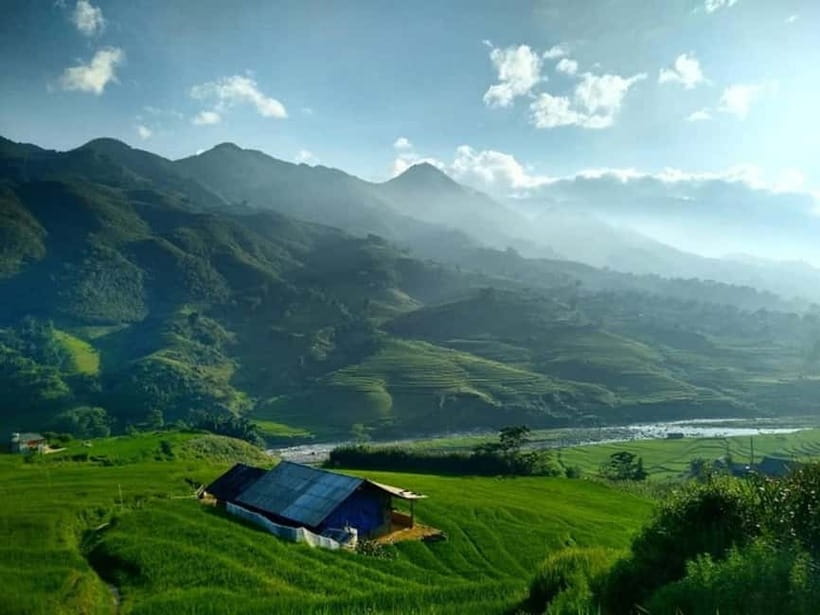
- Sa Seng Mountain summit with wide views of Fansipan and Sapa town
- Black Hmong villages in Hang Da and Hau Thao, with explanations from your guide
- Hmong marriage traditions plus day-to-day notes on house building and rice work
- Lunch at a local family restaurant, not a generic tourist stop
- Animal sightings like buffalos, cores, and pigs along the route
- 20% massage voucher at Massage Lits (01 Hoang Van Thu) after the trip
Sa Seng Mountain views: the main event in plain numbers
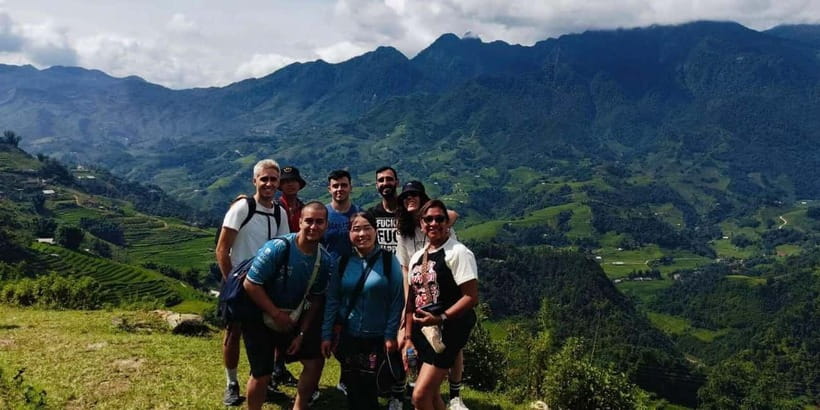
This is a 9-hour day focused on one strong goal: getting up to the top of Sa Seng Mountain. The plan starts right from the meeting point at Massage Lits, 01 Hoang Van Thu. You’ll meet your guide, then head out by van and begin with a short uphill push on a small trail.
From there, the day builds in a way that keeps it manageable even if you’re not a mountain athlete. After about 1km uphill, you’ll start climbing in earnest, and then you’ll work for roughly 1 hour of hard trekking to reach the summit. That hour is the part most people will feel in their legs—steep inclines are not sugarcoated here.
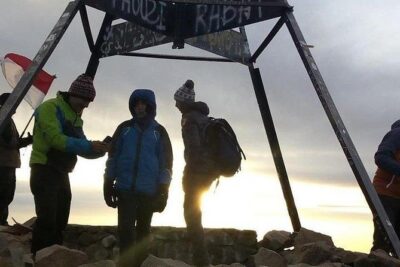
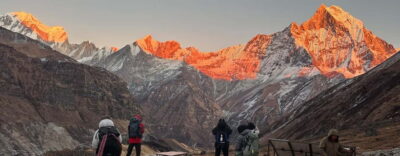
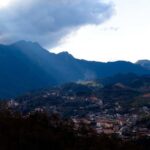
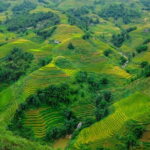
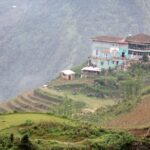
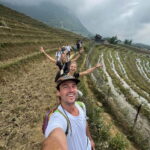
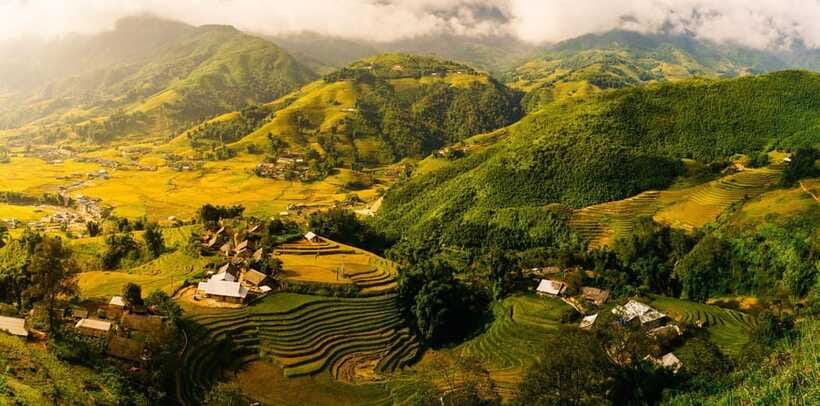
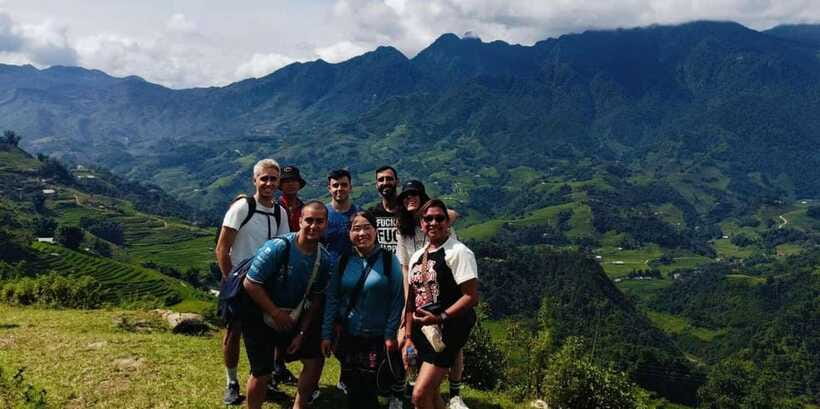
When you get to the top, the payoff is the view: you’ll be able to see Fansipan (listed as 3,143m, the highest in Indochina) along with a wide look over Sapa town. Looking down also gives you a view of the Muong Hoa valley rice terraces, plus what the route describes as the biggest river and valley in Sapa. It’s the kind of scenery that makes the earlier climbing feel worth it.
The practical takeaway: if you’re okay with a strenuous uphill and you can handle uneven trails, this summit moment is the highlight. If you’re worried about heights, vertigo, or steep exposure, the trek is not a good match.
You can also read our reviews of more tours and experiences in Sa Pa.

The uphill-to-downhill rhythm between Hang Da and Hau Thao
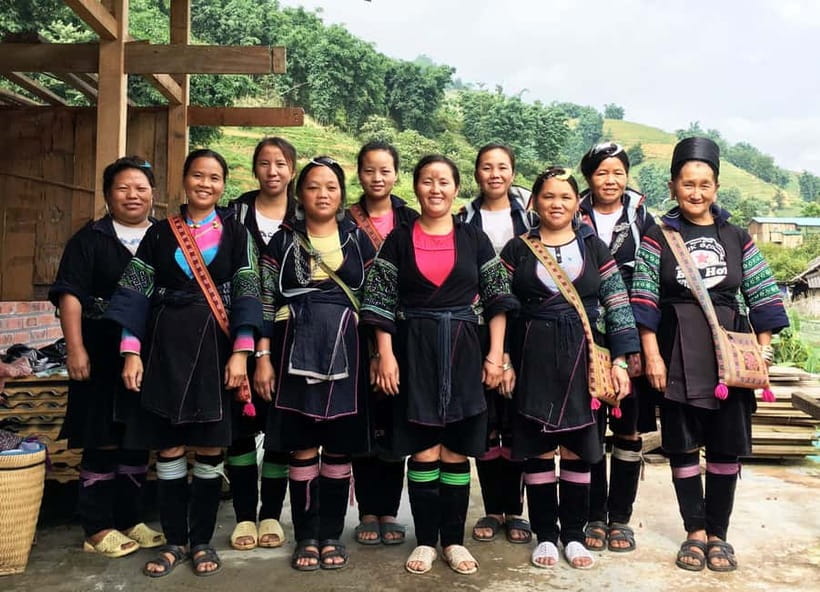
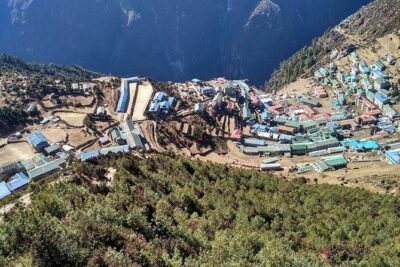
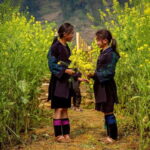
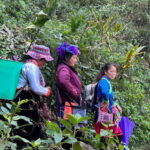
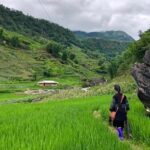
After the summit, the tour shifts from climbing mode to walking-between-villages mode. You’ll head down along the mountainside toward Hang Da, described as a village of the Black Hmong minority.
This part of the day is less about speed and more about transitions. You go from big panoramic altitude back down toward village life, and the tour uses the downhill time to connect what you’re seeing in the distance to what the people live with up close. You’re not just looking at terraces; you’re learning how community life ties to the landscape, farming work, and housing practices.
There’s also a chance to spot animals during the move. The route notes possible sightings of buffalos, cores, and pigs—and the guide typically explains their importance to daily living. Even if you only see one or two animals, it adds texture to the walk and helps you understand that this isn’t a staged scene.
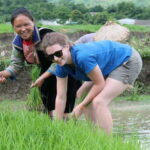
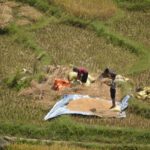
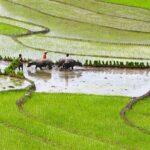
Then you’ll continue down to Hau Thao village via a small road. When you arrive, the tour is timed to show everyday village rhythms. If it’s the right time, you can see locals working in the fields—harvesting or planting rice. That matters because the best cultural encounters are often less about a set show and more about what’s already happening.
In terms of drawbacks, this segment is still real walking. You’re moving downhill after already doing a hard climb, so stamina is still required. But the payoff is that Hau Thao is where you get the clearest sense of daily routine rather than just a viewpoint.
What you actually learn in the villages (not just photos)
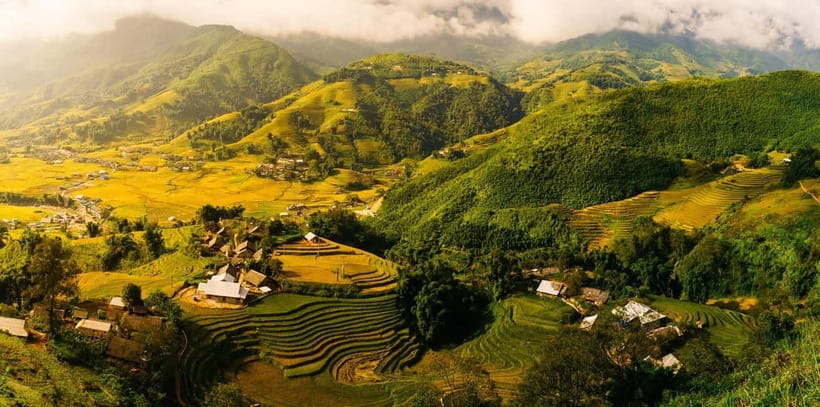
One of the reasons this tour scores well is that it doesn’t treat the villages like photo backdrops. The guide is there to explain what you’re seeing and why it matters, including Hmong cultural practices.
The tour specifically highlights several learning themes:
- Unique Hmong marriage traditions
- Rice-field work and how it fits community life
- House building techniques
Those topics sound like classroom content, but the way they’re timed works better than a lecture. You’re already seeing rice terracing and field activity, so explanations about agricultural work land with more meaning. Then, when marriage traditions come up, it connects to how households and communities organize roles and time.
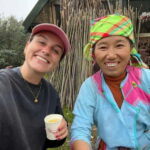
In reviews, Su is called out as friendly and helpful in explaining different minority groups around Sapa. That matters because it changes the feel of your stops. Instead of guessing, you’re getting context while you’re standing in the place.
If you’re the type of traveler who wants culture to feel grounded, not performative, this is a good fit. Just remember you’ll be outdoors for long stretches, so bring the basics seriously: good shoes, water, and sun protection.
Lunch at a local family restaurant: small stop, big value
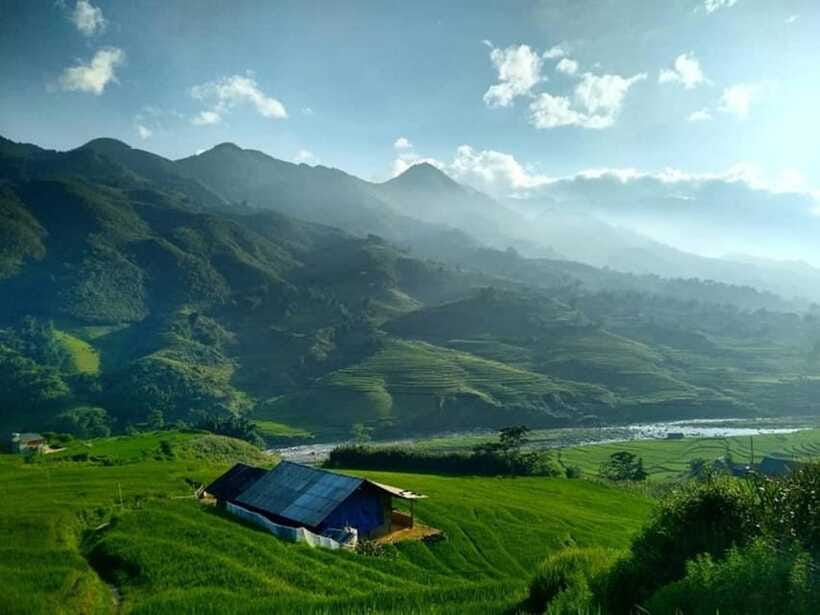
Lunch is included, and it’s served at a small restaurant run by a local family. That’s a meaningful detail for two reasons.
First, it breaks up the day with something more human than a fast-food pit stop. Second, you’re not eating somewhere that exists mainly to handle tourist groups. The tour builds in time for your guide to keep moving the day along, so lunch doesn’t feel rushed, but it also doesn’t turn the tour into a long wait.
Since the menu isn’t described, don’t expect a branded set meal. What you can expect is a local-family setting that matches the rest of the itinerary: village life first, sightseeing second.
Practical tip: if you have any dietary needs, you’ll want to think about how you handle unfamiliar food while trekking. The tour data only confirms that lunch is provided; it doesn’t specify dietary options.
The walking between stops: timing, fatigue, and small-group comfort
This trip uses a full day schedule, so it’s best thought of as a real outing rather than a half-day nature walk. You’re looking at a 9-hour total duration with pick-up and return to the same meeting point.
The structure is straightforward:
- Start at Massage Lits, 01 Hoang Van Thu
- Van + short introduction
- 1km uphill on a small trail
- About 1 hour of hard trekking to the summit of Sa Seng
- Down to Hang Da
- Walk and possible animal sightings
- Lunch at a local family restaurant
- Down to Hau Thao, village routines if timing allows
- Explanations on culture and techniques
- Then a walk to Giang Ta Chai village, where transport meets you on the main road
- Back to Sa Pa / return to the meeting point
That last segment—walking to Giang Ta Chai where the transport is waiting—can be easy to underestimate. You’ve already climbed and eaten, but you still need your legs for the final stretch. It’s not described as extreme, but it is walking.
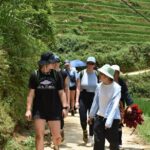
The small group format helps a lot. With a limit of 10 participants, you should get enough space and attention to keep the pace safe and clear. Reviews also mention a warm guide experience, with Su highlighted for friendliness and explanations even on a wet and misty day. In other words: weather might change the view, but the tour still aims to keep the day enjoyable.


Price and value: why $18 isn’t just a cheap hike
At $18 per person, this is one of those pricing structures that makes you check what’s included. Here’s what you do get:
- Round-trip transportation by van
- Driver
- Guide
- Lunch at a local family restaurant
- A 20% massage voucher at Massage Lits, 01 Hoang Van Thu after the trip
When you add those together, you’re not just paying for the trek. You’re paying for the logistics—getting to the start, moving between trailheads and villages, having an English-speaking guide, and getting a meal that fits the local theme.
The massage voucher is also a clever touch for practical travelers. After a steep incline trek, your body will probably tell you it wants a reset. The voucher is explicitly listed as 20% off at the same Massage Lits location you start from, so you’re not scrambling for a last-minute recovery plan.
One note: the trek is not labeled as suitable for everyone. If you’re in a group where only a few people can handle steep inclines, you might feel like the price is high or low depending on how much the physical effort limits your participation. But for the right traveler, the inclusion list makes it strong value.
Who this tour suits best (and who should skip it)
This is a good match if you want:
- A challenging trek with a clear summit goal
- Real time in Black Hmong villages (Hang Da and Hau Thao)
- Cultural explanations tied to what you’re seeing: marriage traditions, rice work, house building
- A day with English guidance and a small group cap of 10
You should be cautious or choose another option if you are:
- Pregnant
- Dealing with back problems
- Have mobility impairments
- Afraid of heights or have vertigo
That safety note isn’t filler. The itinerary includes steep trekking and viewpoints that come with height exposure. The tour is built for people who can walk steadily and handle uneven trail segments.
If you’re planning your Sapa days, this one works well if you’re trying to balance viewpoints with cultural learning. If you already feel physically tired, you may prefer a gentler plan that day.
What to bring for a tough, sun-and-sweat day
The tour gives clear guidance on essentials. Bring:
- Comfortable shoes
- Hat
- Camera
- Sunscreen
- Water
- Trekking gear
Also, note what’s not allowed: smoking.
My practical advice: treat the hat and sunscreen as non-negotiable. Even when it’s misty, mountain sun can still surprise you. And water is crucial because you’re doing a hard climb plus downhill walking afterward.
If you have a camera, charge it and plan storage. The summit views of Fansipan, Sapa town, and Muong Hoa valley rice terraces are a big draw, and you’ll want photos that capture the scale.
Should you book the Muong Hoa Mountain Views and Villages Trek?
Book it if you want a full-day Sapa experience that doesn’t stop at viewpoints. This is one of those days where effort leads to meaning: Sa Seng Mountain for sweeping views, then Hang Da and Hau Thao for village life and culture explained in context. With a small group and an English-speaking guide like Su, the day feels guided rather than chaotic.
Skip it if steep climbs or height exposure make you uncomfortable, or if you have back or mobility concerns. In that case, the trek’s effort doesn’t justify the physical stress.
If you’re physically able and you’re okay with hard trekking, this is strong value for $18 because the tour includes transport, guide time, lunch, and a 20% massage voucher to help you recover.
FAQ
How long is the trek and when does it run?
The tour lasts about 9 hours. Starting times vary, so you’ll need to check availability for the exact pickup window.
Where do I meet, and where do I return?
You start at Massage Lits, 01 Hoang Van Thu, Sapa and the tour ends back at the same meeting point.
Is the tour guide English-speaking?
Yes, you’ll have a live tour guide in English.
What’s included in the price?
The price includes round-trip van transportation, a driver, a guide, lunch at a local family restaurant, and a voucher for 20% off a massage at Massage Lits (01 Hoang Van Thu) after the trip.
How difficult is the walking?
Expect a challenging trek with steep inclines, including about 1 hour of hard trekking to reach the top of Sa Seng Mountain, plus additional walking down to villages.
What should I bring, and is smoking allowed?
Bring comfortable shoes, a hat, sunscreen, camera, water, and trekking gear. Smoking is not allowed.