REVIEW · SA PA
SAPA 1 DAY – Mountain Views And Villages Trek – Long Trek
Book on GetYourGuide →Operated by Cat ba memories · Bookable on GetYourGuide
A hard hike, great culture, and big views. This long day trek from Sapa pushes up to Sa Seng for mountain panoramas, then works its way through Black Hmong villages toward Hau Thao. You’re out for about 8 hours, covering roughly 12–14 km, with a guide who keeps the story going between the rice terraces, the homes, and the daily work in the fields.
What I like most is the combo of views and real village life: you get the big outlook over the Muong Hoa valley and Fansipan, then you actually walk through Hang Da and Hau Thao where you can see people harvesting or planting when timing lines up. The second win is the meal—traditional lunch at a small family place—so the day doesn’t feel like a sightseeing checklist.
The main consideration is fitness. This route includes uneven paths, a steep uphill, and a steep downhill, so if your knees hate descents, you’ll feel it. It’s also not for people with mobility limits, heart or kidney problems, or for those who get altitude issues.
In This Review
- Key highlights at a glance
- The feel of this 8-hour long trek (and why it’s worth it)
- Pickup in Sapa: where the day starts
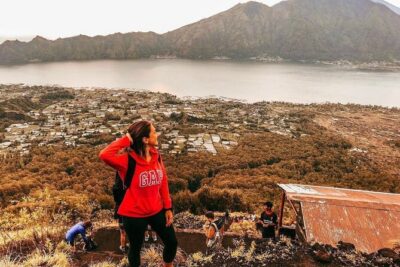
- Sa Seng mountain: the first big views of Fansipan and Muong Hoa valley
- Hang Da village: Black Hmong life and animals you’ll actually see
- The steep-to-even transition (and how to protect your knees)
- Lunch at a family restaurant: the most practical break of the day
- Hau Thao village: daily life, rice fields, and cultural lessons
- The final walk toward Giang Ta Chai and the ride back
- Price and value: why $24 can make sense here
- Who should book this trek (and who should skip it)
- Practical tips: what to bring so your day feels easier
- Should you book this long trek to Hau Thao?
- FAQ
- FAQ
- How long is this Sapa trek?
- How far do you walk?
- Where do you start the tour in Sapa?
- Which villages are included in the trek?
- Is lunch included?
- What guide languages are offered?
- What’s included besides lunch?
- What should I bring?
- Is this trek suitable for people with mobility or health issues?
- Is free cancellation available?
Key highlights at a glance
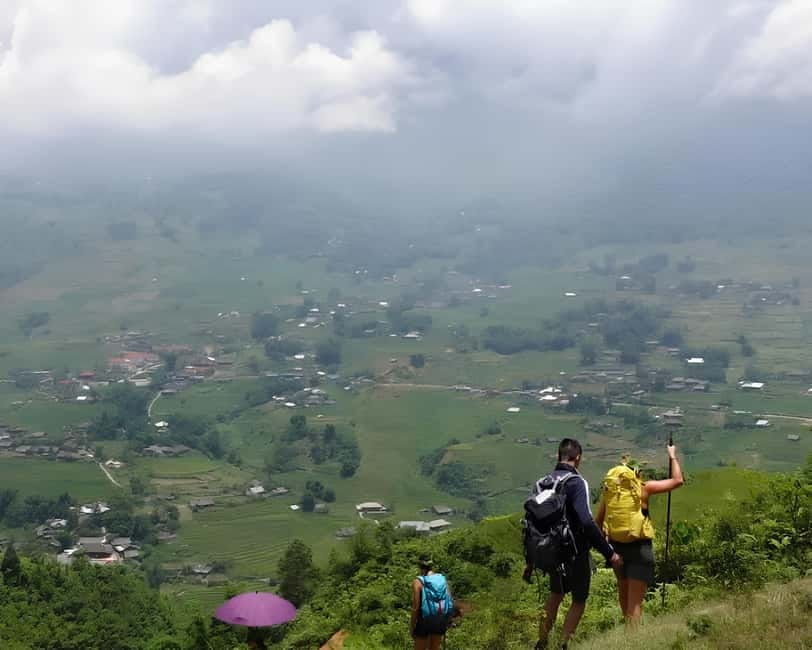
- Sa Seng mountain viewpoint: Fansipan visibility, Sapa overview, and a view into the Muong Hoa valley
- Black Hmong villages: Hang Da and Hau Thao, plus a final walk toward Giang Ta Chai
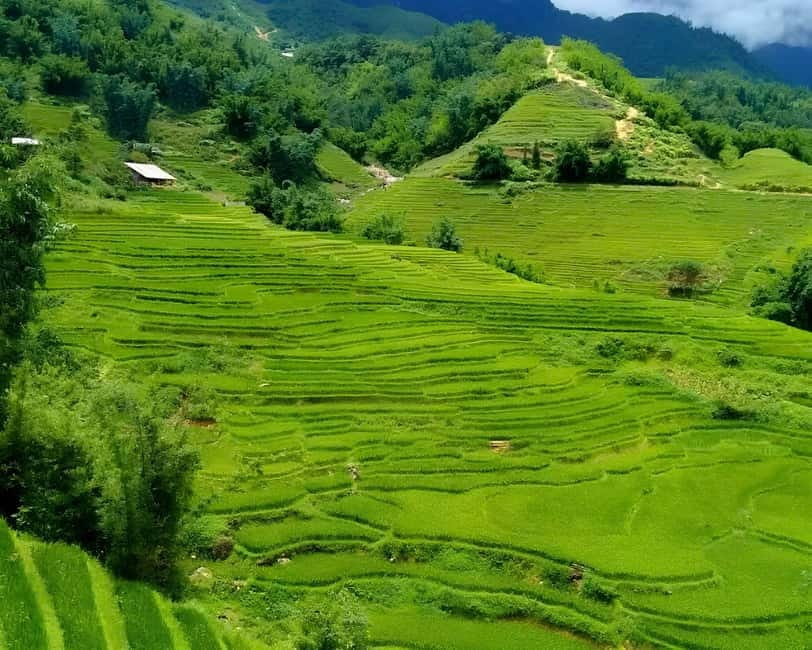
- Muong Hoa rice terraces: the famous terracing you came to see, framed by valley views
- Family lunch stop: a meal tied to local routines rather than a tourist buffet
- Small group format: limited to 10 participants, which keeps the pace more human
- Steep terrain reality: tough uphill and knee-testing downhill, especially after rain
The feel of this 8-hour long trek (and why it’s worth it)
This isn’t a “walk around the corner for a photo” kind of day in Sapa. You start with a van pickup in town, then transition quickly to footwork on trails that climb, uneven ground that asks for attention, and downhill sections that ask even more from your legs. The payoff is that you spend the day where the best views and village life mix—not just at a single viewpoint stop.
The route is built around height and rhythm. You push up first toward Sa Seng to earn the big panorama, then you work your way down through Hang Da and into Hau Thao, with guided cultural moments woven into the walk. That makes the day feel like one continuous experience, not separate “events.”
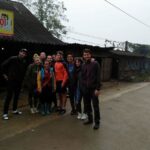
Also, the small-group size matters. With up to 10 people, you’re less likely to get strung out across the trail. You’ll also have an easier time hearing your guide and asking questions—something that really helps if you want context for what you’re seeing.
You can also read our reviews of more tours and experiences in Sa Pa.

Pickup in Sapa: where the day starts
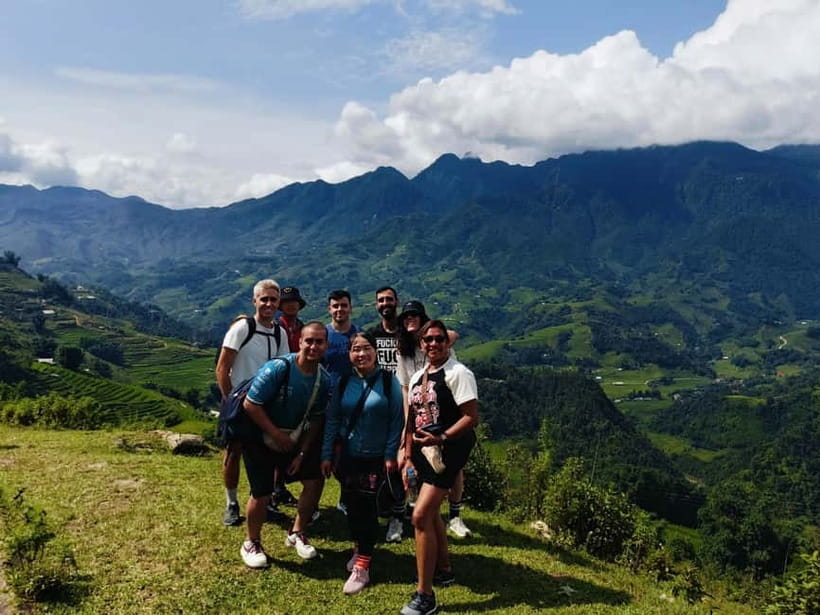
You’ll meet at the lobby of Sapa View Spring Garden Hotel (the stated pickup point is at 61 Mường Hoa). When you arrive, show your reservation and a staff member will point you toward the trek start.
Starting times vary because it’s scheduled by availability, but the tour is listed as lasting about 8 hours. Plan to be ready early. One practical note: Sapa days can have little timing hiccups, and in this kind of trek, even a short delay can matter when the route is long and steep. Get there with a bit of buffer so you’re not rushed into the first climb.
Sa Seng mountain: the first big views of Fansipan and Muong Hoa valley
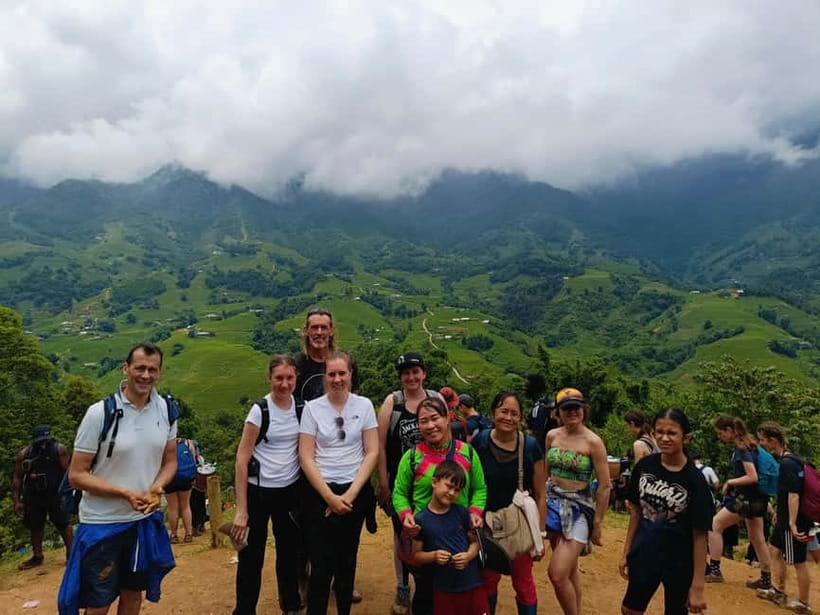
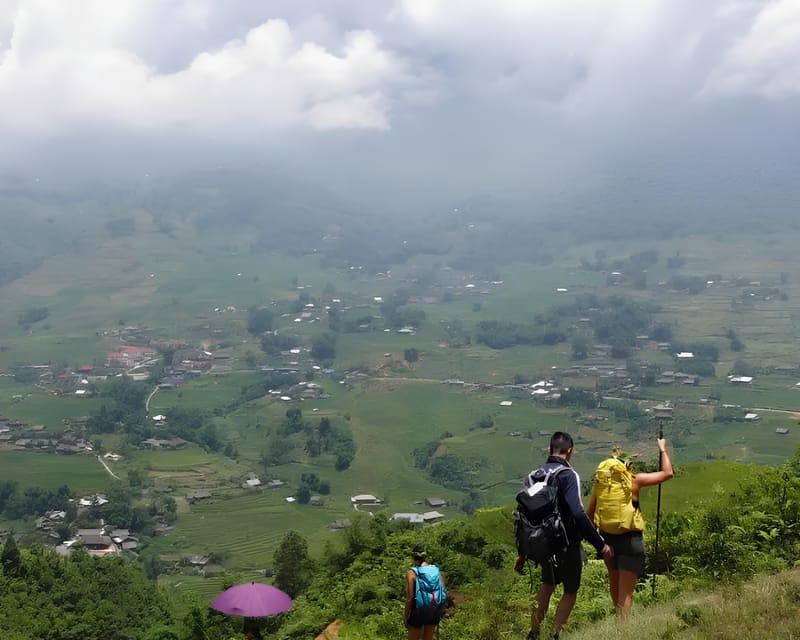
The trek begins with a short uphill transition—about 1 km on a small trail—before the day really settles into “let’s climb.” After roughly an hour of hard trekking, you reach the top of Sa Seng mountain.
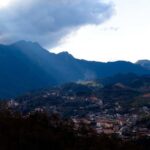
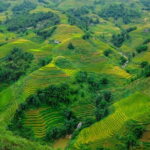
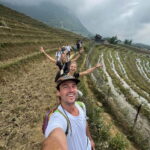
This is the moment you’re paying for. From here, you can see Fansipan (3,143 m)—the highest peak in Indochina—and you can also spot Sapa town. Then you look down into the Muong Hoa valley, where the famous rice terrace fields stretch out in a way that makes them feel way more real than they do in a postcard.
Here’s a useful tip: this viewpoint can be affected by mist. If weather is foggy, your best strategy is to trust the guide’s judgment about where to spend effort. Some guides will help the group adjust based on visibility so you don’t waste energy on a portion where the view might not deliver.
Hang Da village: Black Hmong life and animals you’ll actually see
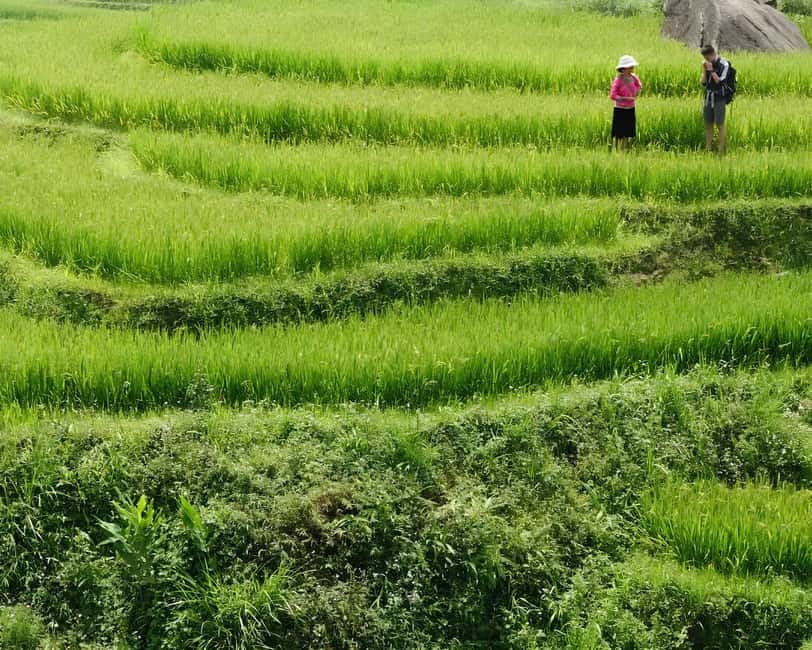
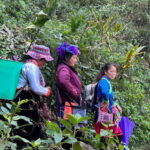
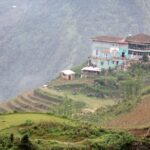
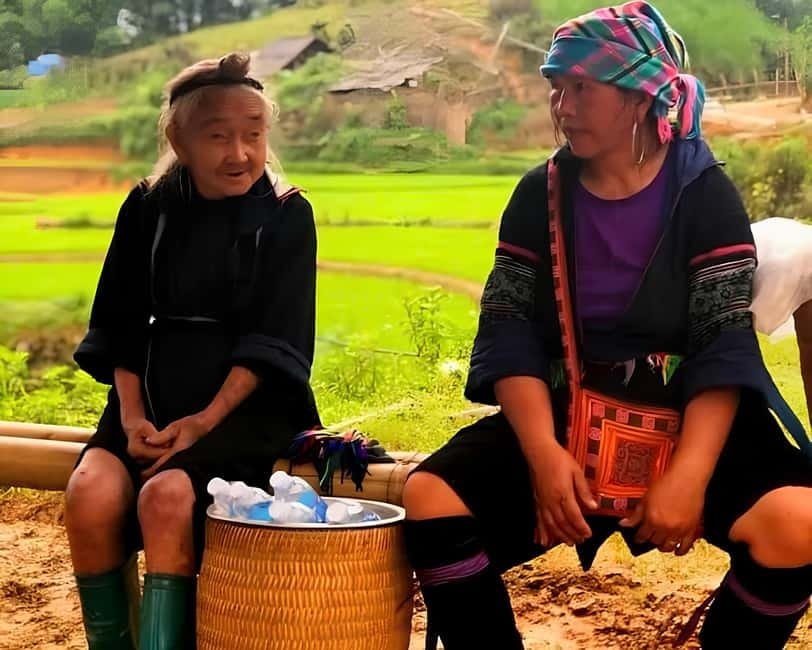
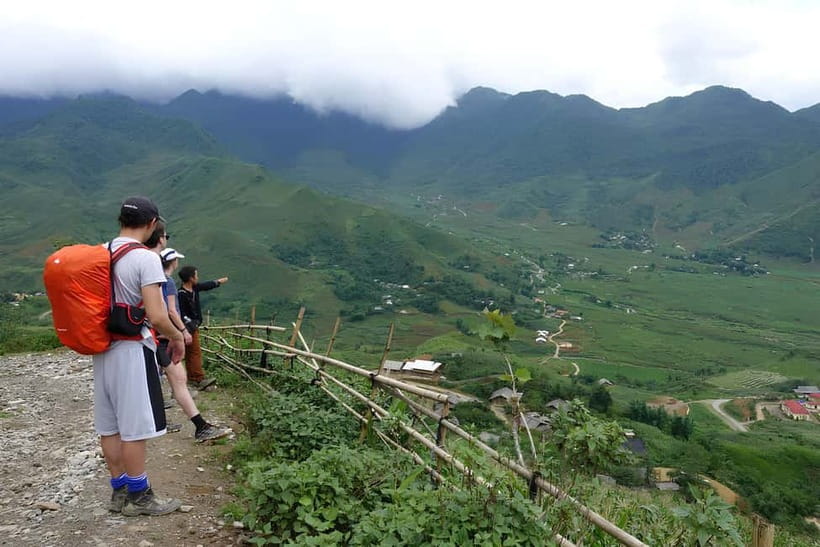
After the viewpoint, the route continues along the mountainside down to Hang Da, a village associated with the Black Hmong minority. This part of the trek shifts from “how high can you go?” to “watch how people live.”
You’ll also pass places where you might see farm animals important to local routines, including buffalos, cores, and pigs (you’ll know you’re close to everyday village life when you spot animals that look like they belong to the household, not a display).
This is one of the best sections for travelers who like cultural details. The guide’s explanations turn the walk from scenery into understanding: you’re not only moving through the village edges, you’re learning how day-to-day work connects to the land—especially around farming and households.
The steep-to-even transition (and how to protect your knees)
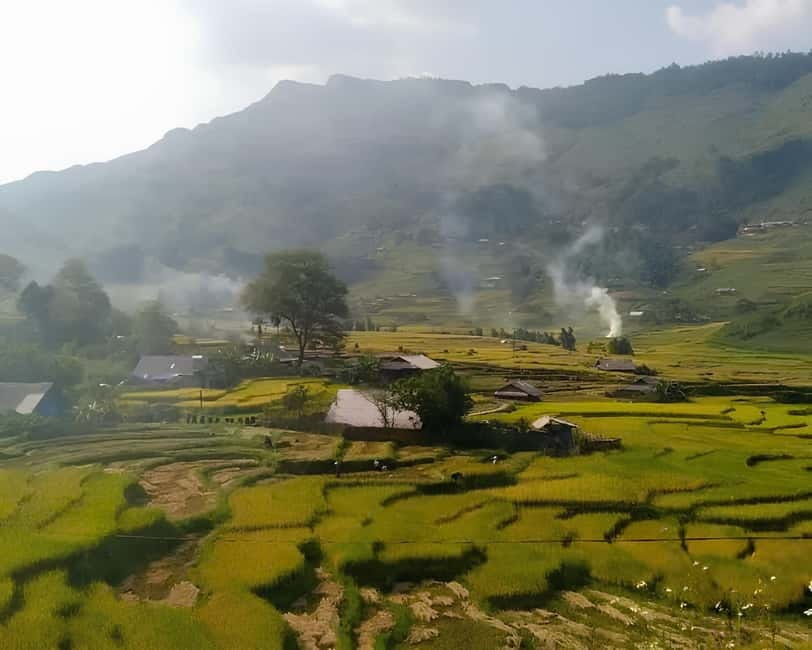
If you’ve hiked before, you know the trick: the uphill hurts your lungs, but the downhill hurts your knees. This trek has both. Reviews also emphasize the rough terrain and how the descent can get steep, sometimes even on concrete stretches later in the day.
So do this simple thing: treat the downhill like a training session for control. Shorten your steps, keep weight stable over your foot, and take pauses if you need them. The tour includes a trekking stick, and it can be a big help on both uphill balance and downhill braking.
Footwear matters more than you think. The route is uneven, and some sections can get muddy if there was rain the day before. In other words: bring shoes with grip, not just a pair of “comfortable” sneakers.


Lunch at a family restaurant: the most practical break of the day
Lunch happens at a small restaurant run by a local family. You’re not just stopping to eat—you’re stopping at the point where the trek shifts again, moving from village walking into a cultural meal break.
This is where the trek earns its “not touristy” feel. You’ll recharge for the final stretch, then head down toward Hau Thao. Traditional lunch is included, and you also get 1 small bottle of water per person as part of the package.
A small reality check: the lunch stop is local. That’s the point, but it also means you should come hungry and ready for simple, hearty food rather than expecting an international menu.
Hau Thao village: daily life, rice fields, and cultural lessons
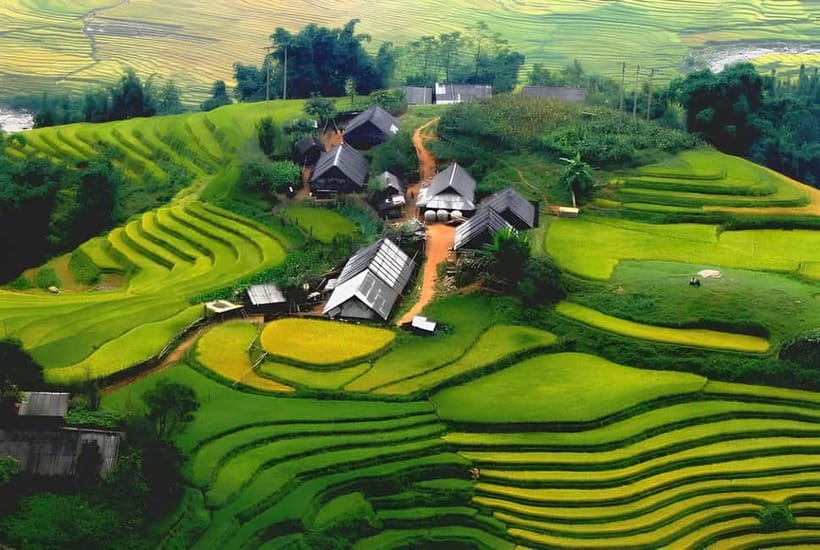
After lunch, you take a small road down to Hau Thao, again associated with the Black Hmong minority. This is described as the highest village in Sapa—so you’re seeing village life not from a low-town platform, but from within the lived geography of the hills.
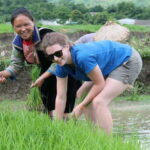
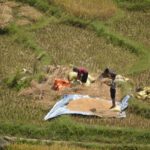
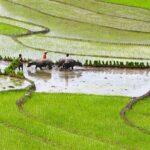
Once you arrive, expect a walkthrough feel: the guide shows you the rhythms of daily life, and if timing matches (season and day-to-day farming schedules vary), you may see people working in the fields—harvesting or planting rice. Even without fieldwork happening in plain sight, the guide’s explanations make it clear how the village stays connected to that agricultural cycle.
This is also where the cultural talk gets specific. Your guide introduces details like:
- Hmong marriage traditions
- Rice field work
- House-building techniques
I like this approach because it’s not a generic lecture. It ties the culture to what you’re seeing around you, and it gives your photos context instead of leaving you with only “pretty views.”
The final walk toward Giang Ta Chai and the ride back
Around 15:30, the day shifts toward the finish. You walk to Giang Ta Chai village, where the transport waits on the main road. Then you ride back to Sapa.
This final section is often where you feel the day the most—not because the scenery disappears, but because your energy budget is lower. If you’re the type to push through discomfort, be smart here. Save some focus for the ground under your feet. It’s easy to get sloppy when you’re tired, and this trek’s terrain doesn’t forgive sloppy.
Price and value: why $24 can make sense here
At $24 per person, this trek is priced like a budget-friendly full-day activity, but it doesn’t feel “cheap” in the way some low-cost tours do. You’re getting:
- A long route (about 12–14 km)
- An English-speaking guide (plus Vietnamese)
- Village entry fees
- Traditional lunch
- Trekking stick
- Round-trip transport back to Sapa after the final village walk
- A small bottle of water
For value, the key is that the day includes both infrastructure (transport, guide, lunch) and real experience (viewpoint hike plus two village areas). If you tried to assemble this on your own, you’d likely spend far more on logistics and guide support—especially because village treks work best with someone who knows the route and can translate what you’re seeing.
Who should book this trek (and who should skip it)
This is a great fit if you:
- Want a serious hike with real reward in the form of Fansipan views and Muong Hoa valley rice terraces
- Like cultural context tied to daily village life
- Feel comfortable walking 12–14 km with steep parts and uneven terrain
- Prefer a small group day rather than a giant bus + photo stop
It’s not a fit if you have:
- Mobility impairments, wheelchair needs, or difficulty with uneven terrain
- Heart problems or kidney problems
- Issues with altitude sickness
- Health limits that make steep climbs and descents risky
It’s also listed as not suitable for very young children (under 2, 3, and 4 depending on the limit group). If you’re traveling with kids, you’ll want to double-check that their age and stamina match what this day demands.
Practical tips: what to bring so your day feels easier
Bring what you’ll actually use on the trail:
- Sunglasses
- Sun hat
- Hat
- Cash
Also think about what isn’t listed: you’ll want your own layers for mountain weather (Sapa conditions can change), plus footwear with grip. The route is uneven and sometimes muddy, so shoes matter as much as sun protection.
If you’re hoping to buy small extras along the way, have some cash ready. Lunch is included, but drinks or small purchases may not be.
Should you book this long trek to Hau Thao?
If you want Sapa that feels grounded—views plus village life—this is an easy yes. The reason is simple: you don’t just look at the valley; you walk through the places that make the views meaningful. The Sa Seng viewpoint sets the hook, Hang Da and Hau Thao give you daily life and culture you can understand, and the included lunch gives your legs a chance to recover before the finish.
But book it only if you respect the physical side. This isn’t a casual stroll. It’s a tough day with an uphill start and a downhill that can test your knees. If that’s your kind of effort—and you’re going to wear grippy shoes and move carefully—then Hau Thao is the kind of goal that makes the whole day click.
FAQ
FAQ
How long is this Sapa trek?
The tour is listed as lasting about 8 hours.
How far do you walk?
The trek is described as 12–14 km long.
Where do you start the tour in Sapa?
The pickup point is the lobby of Sapa View Spring Garden Hotel. You should show your reservation when you arrive.
Which villages are included in the trek?
You’ll experience Hau Thao Village and also pass through Sa Seng and Hang Da villages, with a final walk to Giang Ta Chai.
Is lunch included?
Yes. A traditional lunch is included during the day.
What guide languages are offered?
The tour provides a live guide in English and Vietnamese.
What’s included besides lunch?
Village entry fees, 1 small bottle of water per person, a trekking stick, and transport back to Sapa at the end of the tour are included.
What should I bring?
Bring sunglasses, a sun hat, a hat, and cash.
Is this trek suitable for people with mobility or health issues?
No. It is not suitable for people with mobility impairments, wheelchair users, or those with heart problems, kidney problems, or altitude sickness.
Is free cancellation available?
Yes. You can cancel up to 24 hours in advance for a full refund.