REVIEW · SAPA
Sapa – Lao Chai -Ta Van full day trekking
Book on Viator →Operated by LVP TRAVEL · Bookable on Viator
A small group means a better trail day. This Sapa–Lao Chai–Ta Van full day trek is built around minority villages and real rice-field scenery, with a group cap of 10 and guiding that keeps you moving at a human pace. I like the Black Hmong, Giay, and Red Dao stops because each place shows a different side of daily life. One thing to consider: part of the route is done by vehicle, so check how the walking works for your exact day.
You’ll spend time in the Sapa area before you hit the paths, including a stop at Sapa Charm Spa with market time and Muong Hoa Valley drinks. I also like that lunch isn’t some generic set meal; it’s a local-style lunch in a minority home or restaurant, which makes the day feel less like a checklist.
The route is very weather-dependent, and the timing can feel tight when the town roads are busy. If you’re expecting a long, nonstop walk, this trip is better seen as a guided hike with shorter trekking sections rather than an all-day hike-on-foot.
In This Review
- Key highlights that matter on the ground
- Sapa’s minority villages, mapped for a 5–6 hour day
- Getting oriented at Sapa Charm Spa and the Muong Hoa Valley break
- The village walk: Lao Chai to Ta Van Giay to Giang Ta Chai
- Lao Chai: Black Hmong village atmosphere
- Ta Van Giay: the Giay settlement feel
- Giang Ta Chai: Red Dao hamlet on the route
- Waterfall, rock carvings, and Muong Hoa River views
- Lunch with locals: what you should expect and how to handle it
- Price and value: what $96.16 buys (and why it can feel fair or not)
- Who this trek suits best (and who should pick a different option)
- Read this before you book: what can change day to day
- Should you book the Sapa–Lao Chai–Ta Van full day trek?
- FAQ
- How long is the Sapa–Lao Chai–Ta Van full day trekking tour?
- What time does the tour start?
- How big is the group?
- How much walking is included?
- What’s included in the price?
- Are drinks included with lunch?
- Is there a minimum age?
- Is the tour affected by weather?
Key highlights that matter on the ground
- Three village communities in one day: Black Hmong (Lao Chai), Giay (Ta Van Giay), and Red Dao (Giang Ta Chai)
- Small group size (max 10) for easier questions and less crowding on paths
- Guided walking with a 3–5 km one-way section plus return by mini-coach
- Real route variety: waterfall, rock carvings, and Muong Hoa River scenery
- Local lunch in a minority home or restaurant, not just a quick break
- Vehicle-supported transfers so you spend more time outside and less time stuck in logistics
Sapa’s minority villages, mapped for a 5–6 hour day
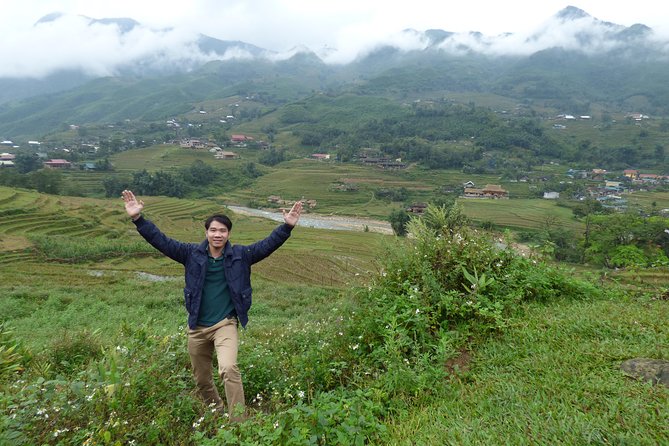
This trek is designed for people who want more than a view from a hotel balcony. You get a guided route that links village life, farming scenery, and a few cultural landmarks without requiring you to do a full-day, foot-only hike.
The day connects Lao Chai, the Ta Van Giay settlement, and Giang Ta Chai through a mix of walking and vehicle transfers. That matters because Sapa’s villages are spread out. With a vehicle-supported plan, you’re more likely to hit the villages that match your interests, rather than spending hours commuting.
And you’re not just taking photos from the roadside. The trip is structured around visiting communities and observing daily activities as you move through the area. You’ll also get personal attention from your guide in a group of 10 or fewer, which helps when you want to ask practical questions about what you’re seeing.
One caution from how this kind of tour is run: because the day includes transfers, the walking distance is not the same for every expectation. It’s a great choice if you’re okay with a short trek, but it’s not ideal if you want to walk every minute for hours.
Getting oriented at Sapa Charm Spa and the Muong Hoa Valley break
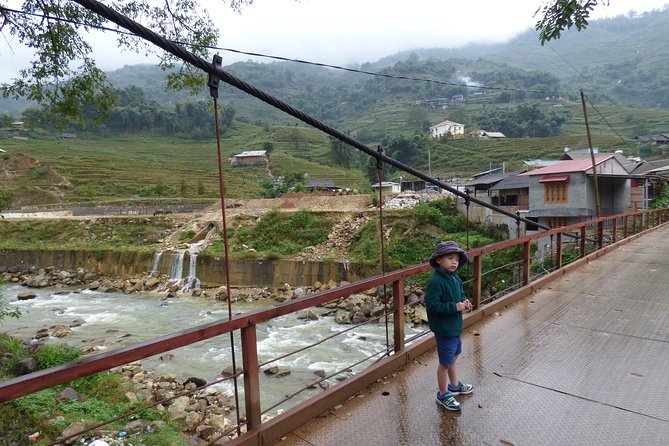
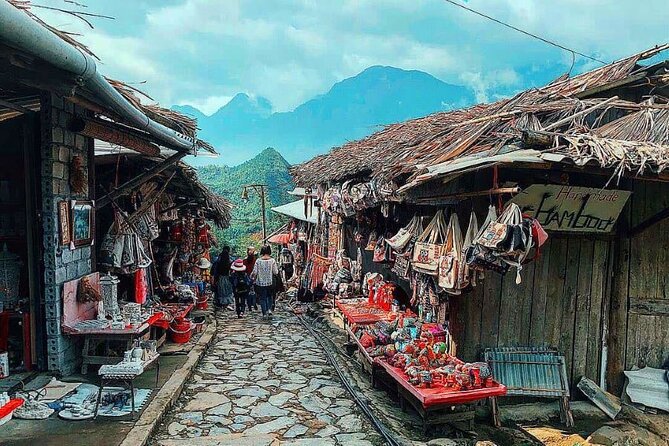
The tour starts at 8:30 am, then heads to Sapa Charm Spa for an early stop that works like an orientation and rest window. You also get time around the local market for shopping and browsing, plus drinks in the Muong Hoa Valley area.
Why this stop helps: it breaks the day into two phases. You’re not jumping straight into a long hike. Instead, you get a chance to settle in, grab water, and check your gear before the paths begin. The admission ticket for this stop is included, so you’re not trying to figure out extra costs on a tight schedule.
A practical note: Sapa traffic can be slow and stop-and-go. Even if the tour is well planned, road delays can squeeze time. If you’re the type who needs a perfectly relaxed timetable, give yourself a little buffer in your expectations.
The village walk: Lao Chai to Ta Van Giay to Giang Ta Chai
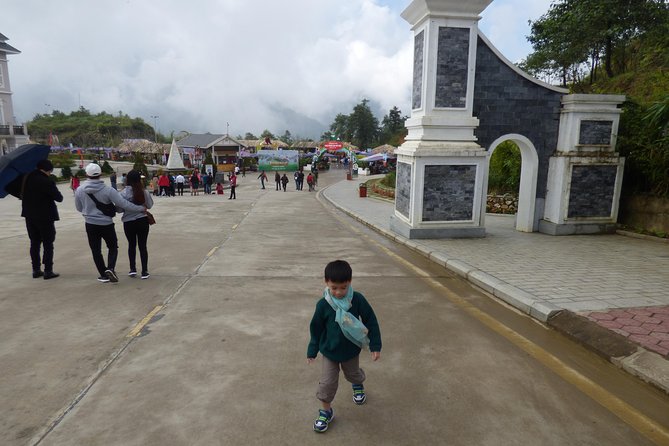
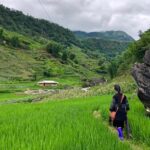
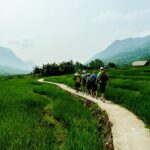
The core of the experience is visiting ethnic villages and walking along paths that connect the communities. The day includes a short trekking section—about 3–5 km one way—with a return by mini-coach.
That structure is the sweet spot for many visitors. You get the feel of walking through rural paths and seeing how the scenery changes as you go, without the fatigue of doing a long out-and-back on a steep or uneven route. It also tends to reduce the risk of timing problems if you slow down for photos or conversations.
Lao Chai: Black Hmong village atmosphere
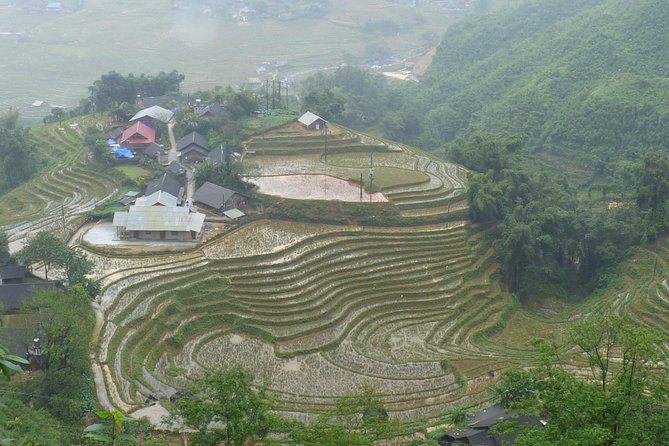
Lao Chai is one of the highlights, and it’s known as a Black Hmong village. As you move through, you’ll be able to experience everyday life activities—exact details vary by the day, but the point is to see the village as a living place, not just a photo stop.
What you’ll likely notice: clothing, household routines, and the way people use the land around them. It’s also one of the better stops for soaking in the village layout before you move on to other communities.
Ta Van Giay: the Giay settlement feel
From there, the route continues toward Ta Van Giay, described as a Giay settlement. This stop adds another cultural lens. Even when villages look similar from far away, the community details can shift: the setting, daily tasks, and the character of what you see.
This is where the guide support matters. In a small group, you can slow down, ask questions, and get context as you walk.
Giang Ta Chai: Red Dao hamlet on the route
The day also includes Giang Ta Chai, identified as a Red Dao hamlet. Another community, another feel. If you’re the kind of traveler who likes to compare how people live in similar mountain settings, this is the part that turns the trek from scenery into understanding.
You’ll be walking nearby village paths and then returning via the mini-coach. That combination gives you the sense of movement through the area while still keeping the day manageable.
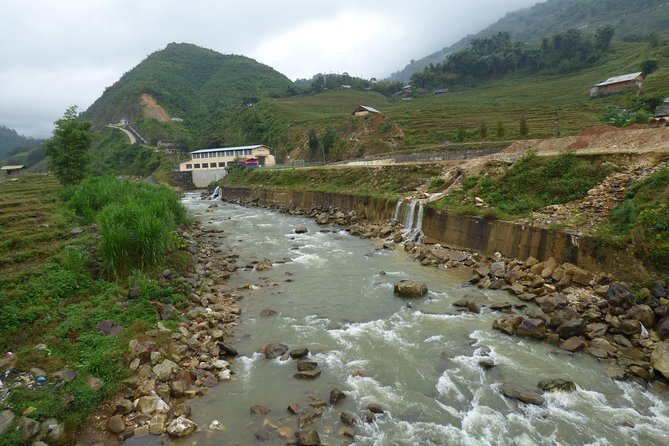
Waterfall, rock carvings, and Muong Hoa River views
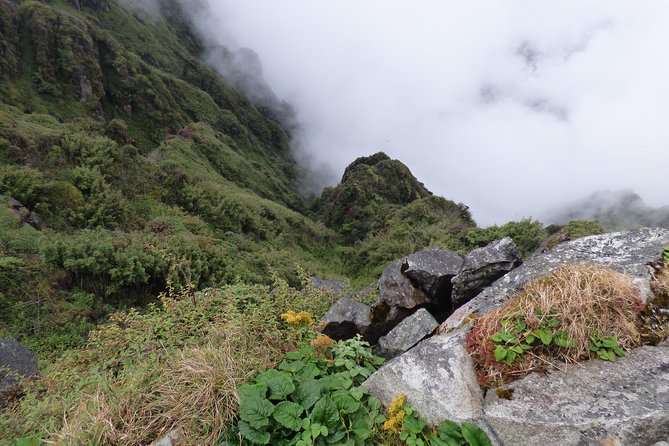
This is not a straight point-to-point walk. Along the way, you visit natural and cultural highlights, including:
- a waterfall
- rock carvings
- the Muong Hoa River area
Why these stops work on a half-day-plus schedule: they prevent the hike from becoming repetitive. Even if you’re enjoying the villages, your eyes need changes in scenery. Waterfall and river views add that break, and rock carvings give you something more specific to focus on.
Also, these are the kinds of moments where a guide can help you make sense of what you’re seeing. You’ll get a guided context that turns a random roadside feature into a stop with meaning.
One thing to plan for: time spent outside can feel longer on cool mornings and shorter on sunny afternoons. The trip is listed as requiring good weather, so if clouds or rain move in, be ready for adjustments or cancellations offered by the operator.
Lunch with locals: what you should expect and how to handle it
Lunch is included, and it’s served in a minority home or restaurant in the area. That’s a meaningful distinction. You’re not just buying lunch at a generic tourist spot; you’re eating as part of the experience.
Here’s what to keep in mind:
- You may have limited choice based on what’s being cooked that day.
- Drinks are not included, so bring money for water or soft drinks if you want more than what’s provided.
- There’s bottled water included, which helps keep the day comfortable.
The best way to get value from lunch like this is to treat it as a conversation moment. Ask simple questions through your guide. Even when you don’t get deep answers, you’ll learn how people describe their lives and work.
There’s also a quiet benefit: lunch often softens the fatigue of the trek section. By the time you sit down, you can reset your legs, then head back with less stress.
Price and value: what $96.16 buys (and why it can feel fair or not)
At about $96.16 per person for a 5–6 hour guided trek, the price sits in a middle band for Sapa. The value comes from the combo of included services:
- bottled water
- lunch
- driver/guide
- local taxes
- hotel pickup and drop-off if you choose the option
Add in the included entrance ticket(s) for the Sapa Charm Spa stop, plus a vehicle-supported route that reduces long commute time, and you start to see where the money goes.
What can make it feel expensive for some people: expectations about walking time. The planned trekking section is described as 3–5 km one way, with return by mini-coach. If you were thinking of a full, foot-only hike with no vehicle support, the day can feel shorter on paper than your idea.
So my advice: confirm the walking-to-vehicle ratio before you go. If you’re unsure, ask the operator or guide about how you’ll return from the village sections. There may be options discussed by the local team, including different transport preferences, but you’ll want clarity up front.
Also, souvenir photo packages are not included. There’s mention that souvenir photos can be purchased, so if you want them, plan a little extra budget.
Who this trek suits best (and who should pick a different option)

This tour fits travelers with moderate fitness who want a guided mountain day without turning it into a grind. You should be at least 7 years old to join.
You’ll likely enjoy it if:
- you want three village communities in one day
- you like guided context (waterfall, rock carvings, river)
- you don’t want to spend most of your time on transportation logistics
- you value small-group attention (max 10)
You might want to look elsewhere (or ask more questions) if:
- you expect a nonstop long hike with no vehicle assistance
- you’re sensitive to traffic delays in Sapa town
- you want tons of rice paddy time without vehicle transfers (the walking section is shorter than a full-day trek)
If weather is unreliable when you travel, also keep your flexibility. The experience notes that it requires good weather, and when it’s canceled due to poor conditions you should be offered a different date or a full refund.
Read this before you book: what can change day to day
Even with a clear plan, mountain-area days vary. Here’s what you can count on and what you can’t fully control:
What you can count on:
- a guided route connecting Lao Chai, Ta Van Giay, and Giang Ta Chai
- at least one guided village walking section around the 3–5 km one-way range
- visits to the waterfall, rock carvings, and the Muong Hoa River area
- lunch and bottled water included
- a small group cap of 10
What you should expect might vary:
- how much time you spend on specific stops, depending on road conditions and day-of conditions
- whether you feel the day is more trekking or more touring (because it’s mixed with mini-coach transfers)
One practical tip: when you arrive, ask your guide to summarize the walking plan in simple terms—how far you’ll walk that morning, and how you return after lunch. That one check prevents the kind of disappointment that happens when the walking expectation doesn’t match the actual route.
Should you book the Sapa–Lao Chai–Ta Van full day trek?
I’d book this if you want a structured cultural hiking day that actually covers multiple communities without asking you to burn out. The small group cap and the mix of village visits plus Muong Hoa area highlights make it a solid way to see more than just one village and a viewpoint.
Skip or reconsider if your heart is set on an all-day, intense hike on foot. This one is a hike with support: short trekking sections, village visits, and mini-coach return so you can enjoy the day instead of just surviving it.
Finally, if you care about clarity, this is the tour where you should confirm the walking distance and return method at the start. Do that, and you’ll get a smoother day with fewer surprises.
FAQ
How long is the Sapa–Lao Chai–Ta Van full day trekking tour?
It runs about 5 to 6 hours.
What time does the tour start?
It starts at 8:30 am.
How big is the group?
The maximum group size is 10 travelers.
How much walking is included?
There is a short trekking section of about 3–5 km one way, and you return by mini-coach.
What’s included in the price?
Local taxes, bottled water, lunch, and the driver/guide are included. Hotel pickup and drop-off are included only if you select that option.
Are drinks included with lunch?
No. Drinks are not included.
Is there a minimum age?
Yes, you must be at least 7 years old to join.
Is the tour affected by weather?
Yes. The experience requires good weather, and if it’s canceled due to poor weather, you’ll be offered a different date or a full refund.