REVIEW · DAKAR
5-Day Trekking in Kédougou from Dakar
Book on Viator →Operated by Amazing Teranga · Bookable on Viator
Waterfalls and village trekking in eastern Senegal sounds wild. This 5-day route from Dakar takes you toward Kédougou and gives you a close look at Bedik and Bassari life, with big nature stops like Dindéfelo.
I love two things most: the real village days (Bandafassi’s Bedik villages and the Dandé area in Dindéfelo), and the fact that meals are largely handled for you—breakfast 3 times, lunch 3 times, dinner 4 times. That mix keeps the trip feeling human, not like a checklist.
One thing to consider: this is physically demanding, with mandatory trekking shoes on Day 2, and parts of the schedule rely on long bus travel plus a few meal gaps (especially on travel days).
In This Review
- Key highlights you’ll feel fast
- Kédougou’s Bedik and Bassari Country: what you’re really buying
- Getting from Dakar to Kédougou by air-conditioned public bus
- Day 2 in Bandafassi: Bedik villages plus an elevation trek
- Dindéfelo Reserve Day 3: Dandé, Dents de Dandé, grotto, and the waterfall
- Day 4 Waterfall Time in the Senegal-Guinea border zone (and dry-season swap)
- Day 5 Back to Dakar at 7am: timing, food gaps, and bus reality
- Price and meals: does $1,062.98 feel worth it?
- Who this trek suits best (and who should rethink it)
- Should you book this Kédougou trekking trip with Amazing Teranga?
- FAQ
- How long is the trekking experience and where does it start?
- What’s the price per person?
- Are meals included?
- Do I need trekking shoes?
- Can I swim at Dindéfelo?
- Is this trip private or shared with other groups?
- What happens if weather is poor?
- How does cancellation work if I change my plans?
Key highlights you’ll feel fast
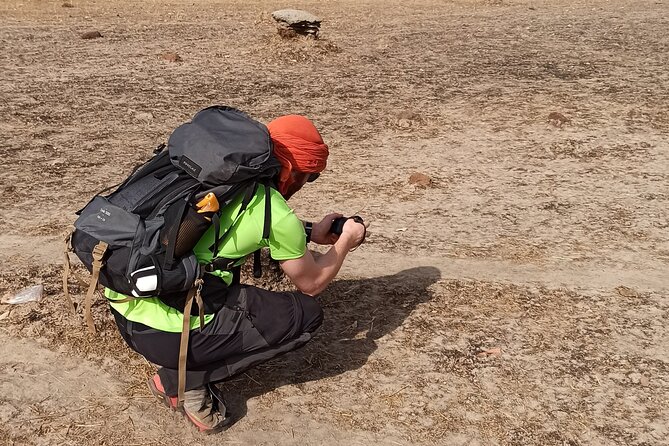
- Bedik village visits in Bandafassi (Andjel and Ethiowar) plus a trek with elevation
- Dindéfelo’s Dents de Dandé and grotto: rock formations and a cave carved in the 19th century
- Waterfall time at Dindéfelo with an easy instruction: bring your bathing suit
- Seasonal waterfall plan: June to January for full waterfalls, dry-season swap in Bassari country
- Amazing Teranga organization: professional, well-timed, and using transport that feels dependable
Kédougou’s Bedik and Bassari Country: what you’re really buying
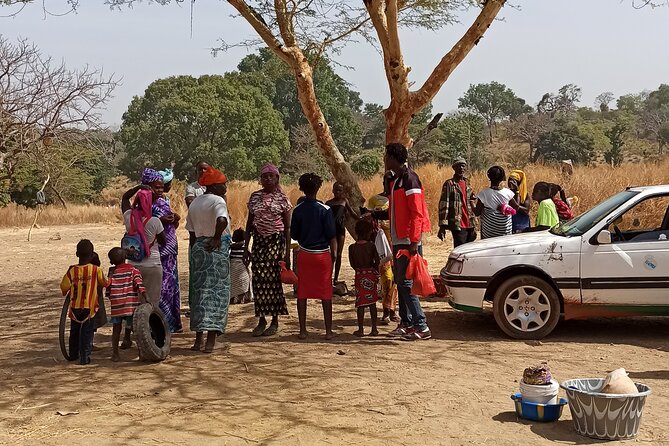
This trip sells you a specific kind of Senegal: less polished, more lived-in. You’re traveling through eastern Senegal—near Guinea—where waterfalls are a major reason people remember the area. But the bigger draw is the way the days are built around people and places: Bedik and Bassari communities, Fulani village life, rock sites you can see from the plateau, and then water that actually looks like water, not just a stop for a photo.
The value here isn’t only the scenery. It’s the pacing and the structure. You get group transport, guided village visits, and included meals across most of the trip, which matters because food and time can become the biggest stress during multi-day travel. The route also uses a private-group setup, so you’re not getting swallowed by a huge crowd.
If you like trips where you walk, ask questions, and accept that the day won’t move like a city museum, this one fits.
Getting from Dakar to Kédougou by air-conditioned public bus
Day 1 is mostly transit, and that’s part of why the rest feels workable. You’ll head from Dakar to Kédougou by public bus (air-conditioned) with short breaks in several towns. The travel time isn’t described as a day-long crawl, but you should still plan for “bus rhythms”: stops, waiting, and the chance to stretch your legs.
What’s helpful is that it’s not a chaotic scramble. The departure point is set: Senegal Demdikk Termimus Liberté V, Dakar 11125, Senegal. And the trip returns you to the same meeting point at the end, so you don’t have to sort out a second logistics puzzle.
Practical tip: bring a light layer even if the bus is air-conditioned. Even when the rest of Senegal is warm, buses can swing cooler, and you’ll appreciate comfort once you’re later doing early starts.
Day 2 in Bandafassi: Bedik villages plus an elevation trek
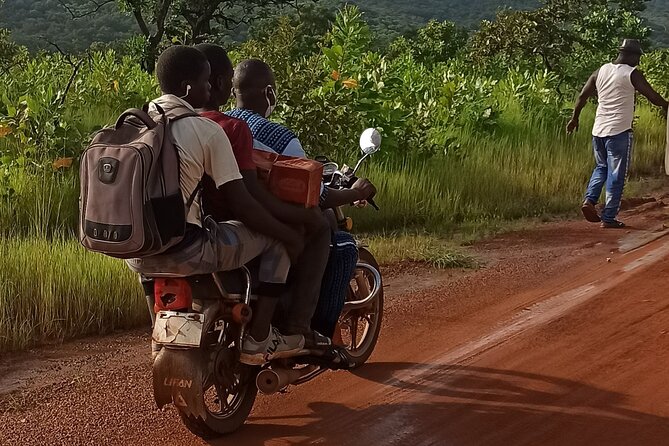
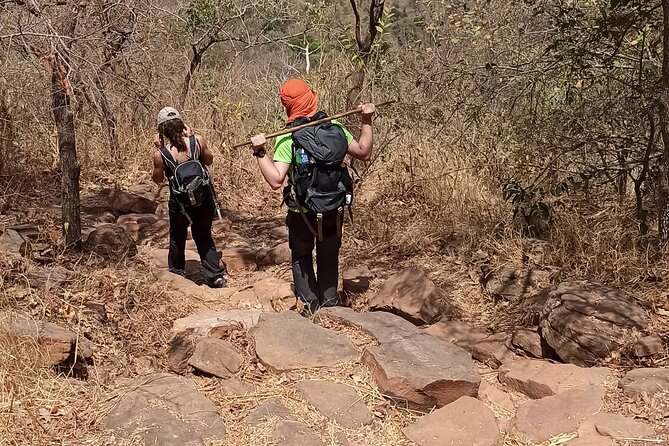
Bandafassi is where the culture part becomes real, fast. You’ll visit Bedik villages—named Andjel and Ethiowar—and spend the day trekking with elevation. The schedule calls for about 6 hours, and the note that really matters is this: trekking shoes are mandatory.
This isn’t framed as a casual stroll. Expect uneven ground and real walking time. If you go in with flimsy sneakers, you’ll feel it by mid-morning. Solid shoes keep you moving with confidence and make it easier to focus on what you’re there for: conversations, daily life, and the rhythm of the village setting.
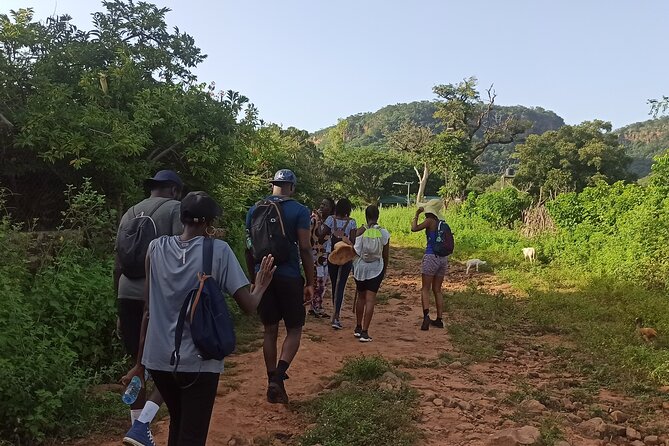
Also pay attention to timing. This day is built around a village experience first, then the hike supports it. That means you’ll likely feel more like you’re visiting a place than touring a viewpoint. It’s a good fit if you like meeting communities respectfully and staying present instead of sprinting between stops.
One drawback to know: if you’re the type who hates uphill sections, plan to slow down on the trek. The elevation is part of the experience, but you still control your pace.
Dindéfelo Reserve Day 3: Dandé, Dents de Dandé, grotto, and the waterfall
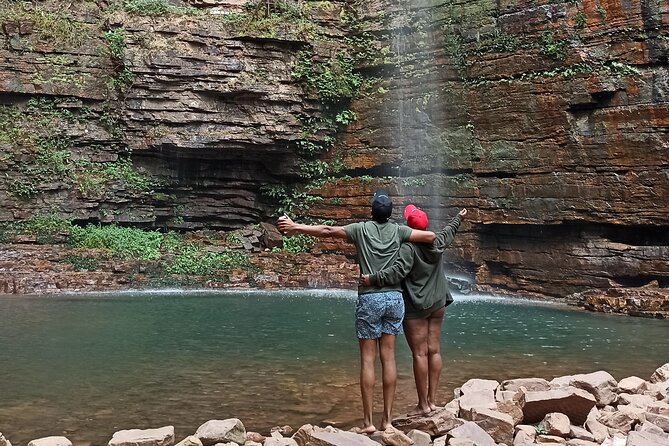
Day 3 is a standout because it combines three different kinds of “wow,” all in the same day.
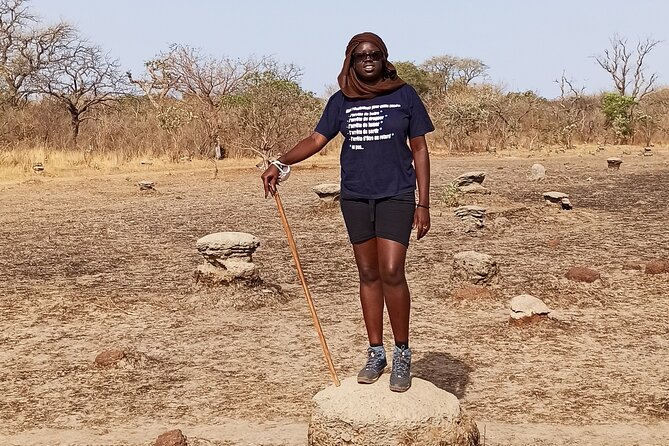
First comes the Fulani village of Dandé. From there you’ll visit Dents de Dandé, rock formations on the plateau that provide some of the best panoramic views of the area. This is where the trip connects “walk and talk” village time to a big natural viewpoint, without feeling like you’re only chasing scenery.
Then the day shifts to the source area of the waterfall and a village grotto, described as a huge cave carved into the rock in the 19th century. That detail matters. You’re not just looking at a cave—you’re seeing a man-made work that sits inside the natural rock setting. It adds weight to the scenery: this is a place with human history tied to the geology.
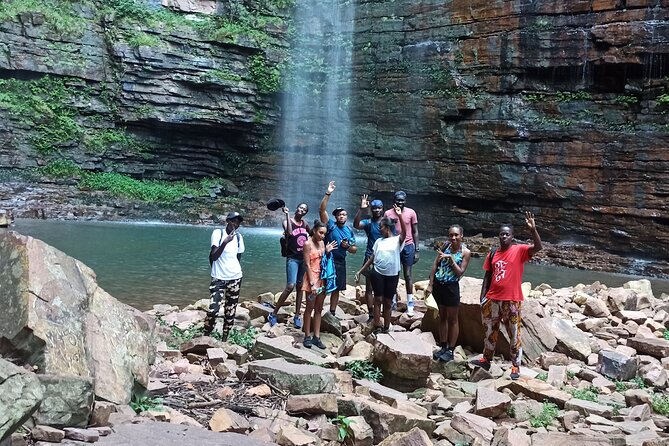
In the afternoon, you get the payoff: a visit to the Dindéfelo waterfall. The instruction is clear—take your bathing suit. When water is part of the plan, the day becomes more than photos. You’re meant to get close to the real thing, in the water and the spray.
Expect a longer day—about 8 hours is scheduled, and the admission ticket is included. That’s a nice piece of value because it reduces the number of small on-the-ground payments you’ll have to manage.
Small consideration: waterfall days depend on conditions. Even when the reserve is open, you’ll get the best experience when it’s active and accessible. This is a trip that’s clearly designed for good weather.
Day 4 Waterfall Time in the Senegal-Guinea border zone (and dry-season swap)
Day 4 keeps the focus on water, but with a smart seasonal logic. The area borders Guinea and is described as full of waterfalls. From June to January, the waterfalls are full, so you’ll have the opportunity to visit one.
There’s also an important note for travelers who come in the dry season: this stage can be replaced by another village visit in Bassari country. That tells you the operator isn’t forcing the trip into a weather-dependent corner. They’re adjusting the experience so you still get meaningful contact with communities.
The scheduled time here is about 4 hours, and the admission ticket is listed as free. That shorter day can be a good break after Day 3’s long reserve time. It also helps you avoid stacking too much fatigue in one go.
What to bring mentally: on this day, you’re likely to feel the contrast between seasons. In rainy months, you’ll get stronger water flow. In drier months, you’ll get more time on people and villages instead of leaning on waterfall conditions.
Day 5 Back to Dakar at 7am: timing, food gaps, and bus reality
Day 5 starts early: an early departure at 7am for Dakar. You’ll have breakfast, but breakfast and meals are not included on this day, so don’t plan on a fully covered food schedule.
The bus ride back uses a local company and you’ll make stops on the way. The day is listed as about 12 hours, which means you’ll want to treat it like a long travel day, not like a final sightseeing day. The point is to get you back smoothly, back to the same meeting point.
Practical suggestion: pack a small travel kit. Even when you’re not told to bring anything specific, long bus days are where water, snacks, and comfort matter. The trip doesn’t include drinks, so if you’re the kind of person who hates hunting for bottled water, plan ahead.
The end goal is simple: you finish back at the meeting point, and you can pivot straight into your Dakar plans without needing extra transportation arrangements.
Price and meals: does $1,062.98 feel worth it?
At $1,062.98 per person (for approximately 5 days), you’re paying for more than a few bus rides and a waterfall photo. You’re paying for guided village access, multiple organized segments, and a meal plan that covers most days.
Here’s how the inclusions add up:
- Meals included: dinner (4), lunch (3), breakfast (3)
- Tickets included on select days: Day 3’s Reserve Naturelle Communautaire de Dindefelo is covered, while Day 2 and Day 4 mention admission tickets free
- Group discounts are mentioned, and the trip uses mobile ticketing
- Private group: only your group participates, which usually means less time wasted and smoother pacing
What isn’t included matters too. Meals during the Dakar–Kédougou round-trip aren’t included, and drinks aren’t included. Also, Day 5 breakfast and meals are not included, even though you do depart early at 7am.
So is it good value? For me, the fairness comes from how the trip is structured around people and nature days, not only transportation. If you were to DIY this route, you’d likely spend heavily on guides, access, and logistics, and you’d still be juggling meal coverage and timing.
If you’re a traveler who wants full-service comfort without thinking, this package feels priced to reduce daily stress. If you prefer strict budget travel and don’t want to pay for organization and guidance, you might find the price steep.
Who this trek suits best (and who should rethink it)
This is for you if:
- You’re comfortable with strong physical fitness requirements
- You like walking days that include elevation and real time on your feet
- You want more than sightseeing, and you care about meeting Bedik, Bassari, and Fulani communities
- You’re okay with long, organized bus travel segments
It’s a tougher match if:
- You hate uneven ground or haven’t worn proper trekking shoes
- You need fully covered meals every day, because travel days and Day 5 explicitly have meal gaps
- You’re traveling in weather that’s unreliable. The experience requires good weather, and that’s part of how the plan holds together
The bright side: it’s not a vague “nature trek.” You get specific stops—Andjel and Ethiowar, Dandé, Dents de Dandé, a grotto from the 19th century, and the Dindéfelo waterfall with bathing time.
Also, it’s worth noting that the operator is described as professional and well organized, with transport quality and good timing. That matters because in this region, organization is often what separates a smooth trip from a messy one.
Should you book this Kédougou trekking trip with Amazing Teranga?
I’d book it if you’re after a route that blends village visits with waterfall country and you’re okay with hiking and long travel days. The inclusion of most meals, plus the structured day-by-day rhythm, makes the experience feel manageable even when the itinerary is active.
Before you click confirm, ask yourself two simple questions:
- Can you handle a day with trekking shoes and elevation?
- Do you like trips where the reward is people and places, not just views from a bus window?
If your answers are yes, this one should feel like a solid, memorable Senegal circuit.
FAQ
How long is the trekking experience and where does it start?
It’s approximately 5 days. It starts at Senegal Demdikk Terminus Liberté V, Dakar 11125, Senegal, and ends back at the same meeting point.
What’s the price per person?
The price is $1,062.98 per person.
Are meals included?
Yes for most of the trip: dinner is included 4 times, lunch 3 times, and breakfast 3 times. Meals during the Dakar–Kédougou round trip are not included, and breakfast and meals are not included on Day 5.
Do I need trekking shoes?
Yes. Day 2 specifically notes that mandatory trekking shoes are required.
Can I swim at Dindéfelo?
The itinerary recommends taking a bathing suit for the waterfall visit at Dindéfelo on Day 3.
Is this trip private or shared with other groups?
It’s described as a private tour/activity. Only your group will participate.
What happens if weather is poor?
The experience requires good weather. If it’s canceled due to poor weather, you’ll be offered a different date or a full refund.
How does cancellation work if I change my plans?
You can cancel up to 6 days in advance for a full refund. For a 50% refund, cancel 2–6 full days before the start time. If you cancel less than 2 full days before the start time, the amount paid is not refunded.