REVIEW · URUBAMBA
From Cusco: Salkantay trek 5 days/4 nights meals included
Book on GetYourGuide →Operated by Libertrek Peru Travel Agency · Bookable on GetYourGuide
Salkantay throws you from Andean cold to warm air. This 5-day trek from Cusco mixes seriously good camp food with the payoff of walking toward Machu Picchu on parts of the Inca trail network. You also get cultural stops along the way, including learning about the mountain gods and joining a small Andean ritual.
The main drawback is that this is a real hike. You’ll be at high altitude, you’ll walk for hours every day, and good shoes plus solid conditioning matter.
In This Review
- Key highlights that make this Salkantay trek worth your time
- Cusco mornings: the early start that sets the tone
- Soraypampa and Humantay Lake: the first push uphill
- Quiswarniyoc camping: where the trek starts to feel real
- Salkantay Pass at 4,650 m: the day you feel in your lungs
- Chaullay to Santa Teresa: the climate flips and the valley opens up
- Lucmabamba to Llactapata: ruins + views before the final grind
- Machu Picchu sunrise morning: checkpoints and a guided route through the classics
- The standout part: camp meals that go beyond basic trek fuel
- Comfort basics: cabins, mattresses, pad thickness, and horse support
- Getting your body ready: why this trek demands fitness
- Price and value: what $460 includes and what costs extra
- Guide support, ticket day, and the small surprises that can happen
- Who this Salkantay trek is perfect for (and who should skip)
- Should you book this Salkantay trek to Machu Picchu?
- FAQ
- How long is the Salkantay trek?
- What’s included in the meals?
- Do you camp the whole trip?
- Is the Machu Picchu ticket included?
- Are there extra costs for Humantay Lake?
- Do I need to bring a sleeping bag?
- Can I get vegetarian or vegan meals?
- How do you return to Cusco after Machu Picchu?
Key highlights that make this Salkantay trek worth your time
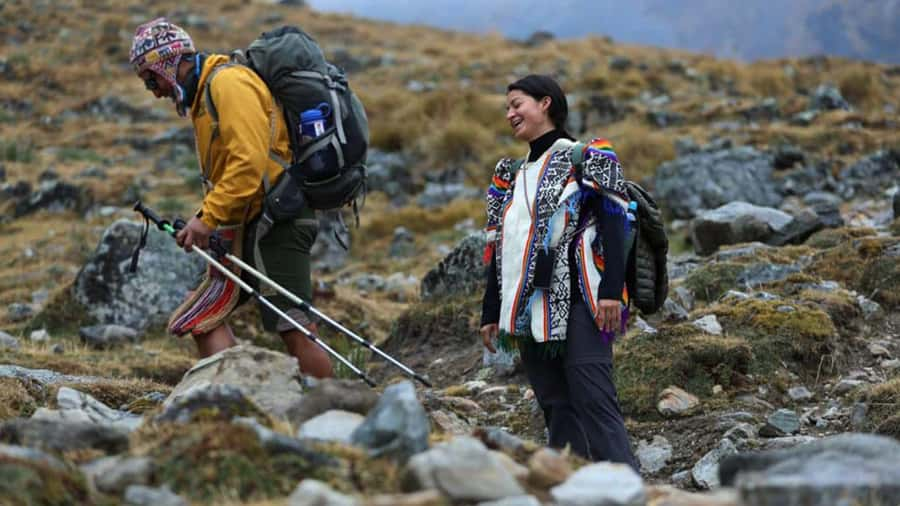
- 4,650 m Salkantay Pass: the big altitude moment, then a long descent.
- Chef-led meals in camp: hearty breakfasts, lunches, dinners, with extra effort at the end.
- 7 kg duffel bag by horse (first 3 days): you carry less, so your legs last.
- Llactapata ruins with Machu Picchu views: Inca site + panorama before the final town.
- Guided Machu Picchu at the main gate: a ~2.5-hour tour timed for early access.
- Small group max 18: less chaos than the big-bus style trips.
Cusco mornings: the early start that sets the tone
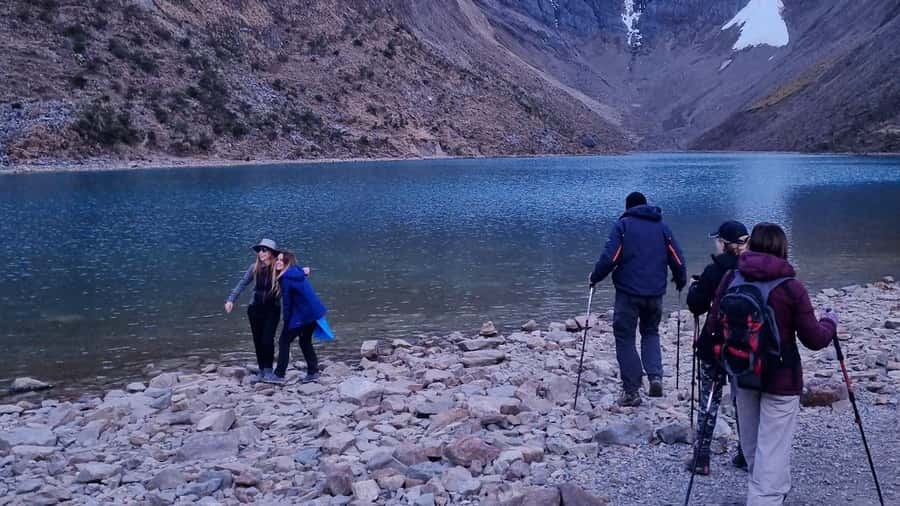
Pickup from your Cusco hotel happens early, and you’ll want to be ready in the lobby about 10 minutes before the scheduled time. Most days start at an hour that feels aggressive—because the route works best when you’re not hiking in the harshest midday conditions.
After pickup, you drive toward the trail zone and stop for breakfast in the Mollepata area. This matters because Day 1 is not just a casual introduction. You’re going uphill right away, then continuing toward Humantay Lake and beyond.
You can also read our reviews of more tours and experiences in Urubamba.
Soraypampa and Humantay Lake: the first push uphill
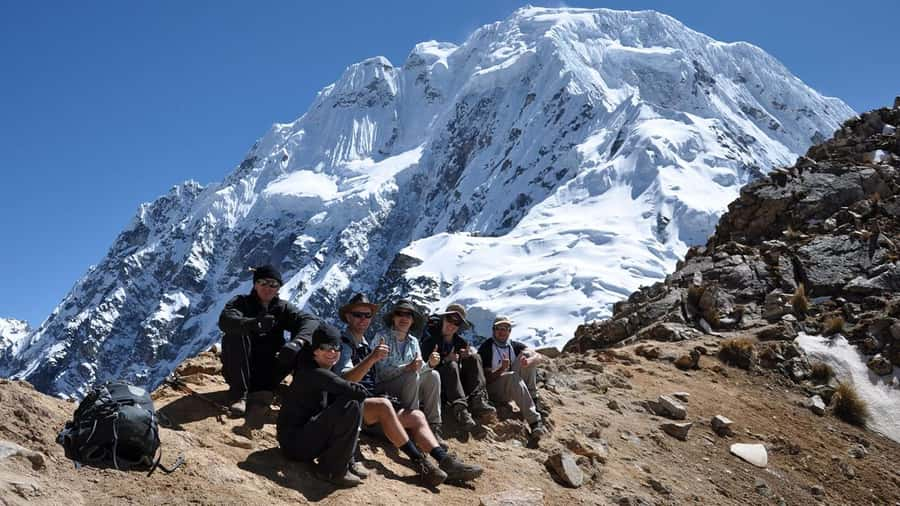
You begin the hike from Soraypampa, with a climb of about 2 hours toward Humantay Lake. Expect altitude effects and plan your pace accordingly. Slow, steady steps win here more than hero-speed.
Humantay Lake itself isn’t included in the tour price. There’s an entrance fee charged by the local government of Mollepata (20 soles), so it’s smart to have cash or a plan for payment before you reach that check.
After the lake time, you hike downhill for about 2 hours and then enjoy lunch at Quiswarniyoc. You’ll also get some free time to explore the area before settling in for your first night camping.
Practical tip: bring sunglasses and a warm jacket. Even when the afternoon looks bright, the temperature can swing fast at elevation.
Quiswarniyoc camping: where the trek starts to feel real
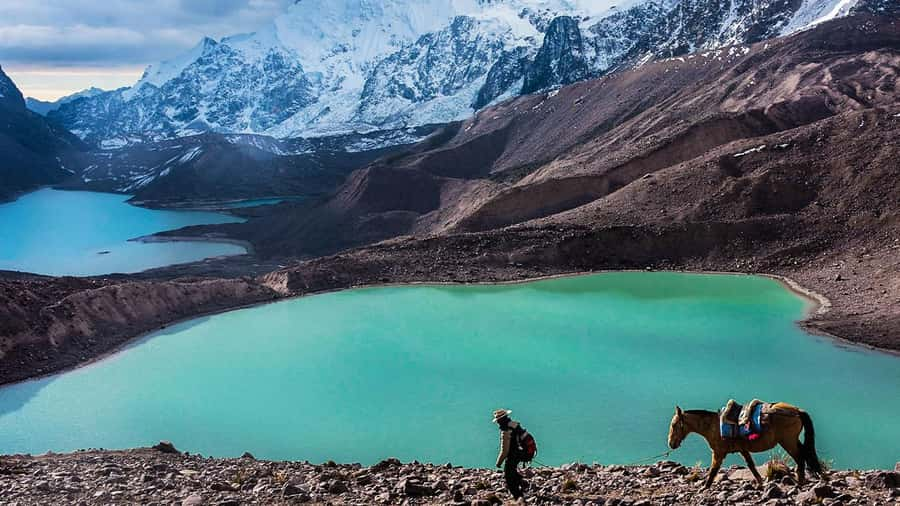
Day 1 ends with a night in a private camp. Lodging details for the trek’s first two days are handled with Mountain Sky cabins, which come with thick mattresses, nighttime lighting, and a glass door. That’s a big deal when you’re working hard all day—sleep affects everything.
You’ll also have a padded setup: your personal pad is a double foam layer, 2.5 inches thick. Combined with the cabin mattresses, it’s one of the few times on a trek when you can reasonably expect to wake up functioning, not just surviving.
Salkantay Pass at 4,650 m: the day you feel in your lungs
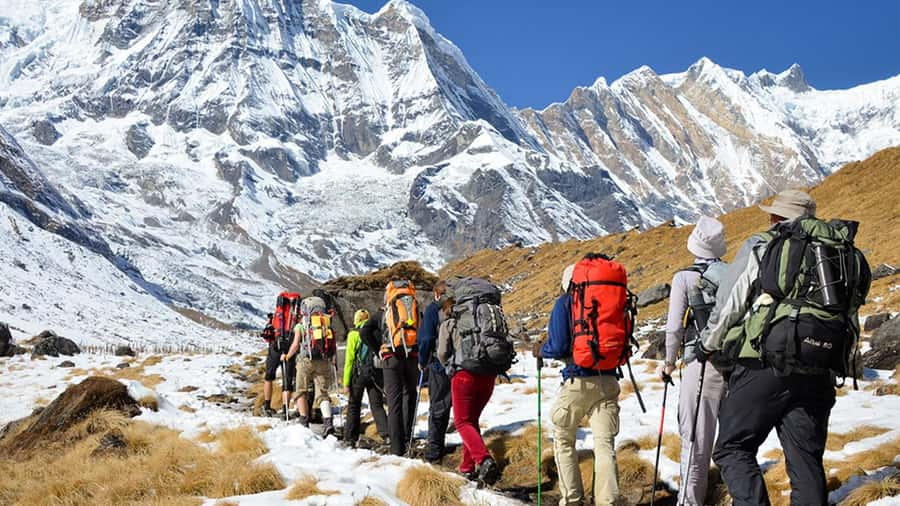
Day 2 is the high point of the entire trek. After breakfast, you set off and walk for about 4 hours to reach the Salkantay Pass at 4,650 meters. This is the part where pacing becomes a skill. If you go out too fast, you’ll pay later.
On the way, the guide builds in cultural context. You’ll learn about mountain gods and participate in a small Andean ritual—this is one of those moments where the trek becomes more than walking. It helps you understand why locals treat these peaks with respect.
Once you’re at the pass, it’s not a victory lap. You descend for about 4 hours to reach the second camp area at Chaullay (around 2,900 meters). After arrival, camping equipment is provided, and you’ll get hot tea plus dinner—classic high-altitude recovery habits done the right way.
Chaullay to Santa Teresa: the climate flips and the valley opens up
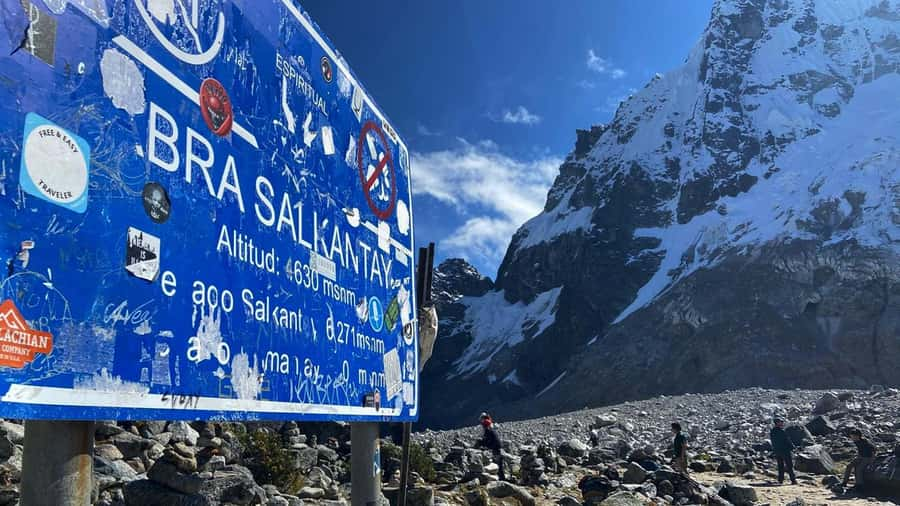
Day 3 shifts from high mountain walking into something warmer and more valley-like. After breakfast, you hike for about 5 hours through the Santa Teresa Valley, formed by the Salkantay River. The temperature often feels like it’s changing by the hour, and the terrain starts to feel different underfoot.
At the end of the walk you reach Playa Sahuayaco. Then you switch to tourist transportation for the ride into your third camp at Santa Teresa. This break helps you keep energy for the next day’s early start.
Lunch is served at camp, and you’ll have an option to add hot springs in Colcamayo (optional). Colcamayo is about 15 minutes by car from the campsite, but entrance and transportation to the hot springs aren’t included (10 USD). Even if you don’t go, the day’s walk into Santa Teresa is still a satisfying change of scenery.
Lucmabamba to Llactapata: ruins + views before the final grind
Day 4 begins very early with breakfast around 5:30 am. Then you take transport for about 45 minutes to Lucmabamba, where the hiking resumes.
From there, it’s an uphill push for about 3 hours to Llactapata, an Inca ruin. The best part isn’t just standing in ancient stone—it’s the views you get once you arrive. You can see Machu Picchu and Huayna Picchu from this side of the mountain, which makes Day 5 feel like a story with a proper lead-in.
After Llactapata, you hike downhill for around 2 hours to Hidroeléctrica, where you stop for lunch. Then comes the 3-hour walk along the train tracks into Aguas Calientes (Machu Picchu town). It’s not technically hard like the pass day, but it can be mentally long. Stacking this as an “active transfer” keeps the trek feeling connected rather than chopped into separate logistics.
When you arrive in Aguas Calientes, you can rest in the hotel and have dinner at 7:00 p.m.
Machu Picchu sunrise morning: checkpoints and a guided route through the classics
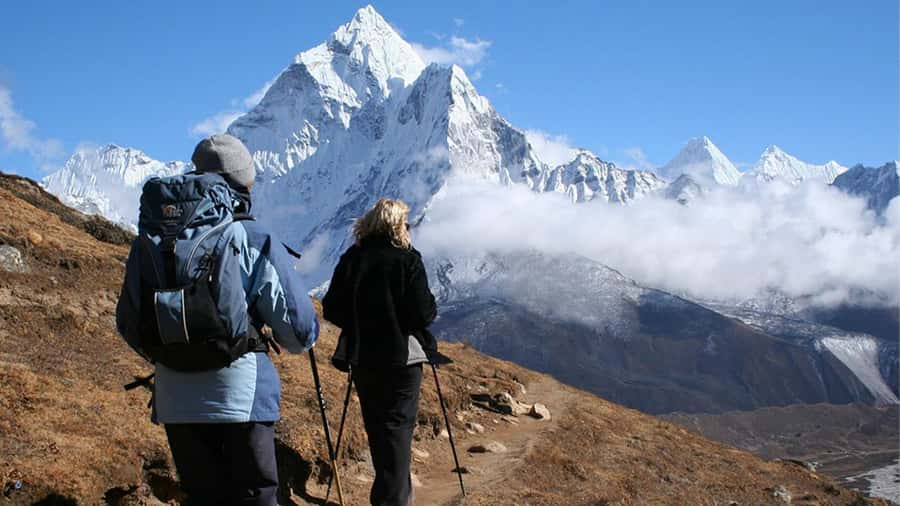
You wake around 4:00 am on Day 5. You’ll get a packed breakfast and start the walk toward the main entrance route. It’s about a 30-minute walk to the Puente Ruinas checkpoint, where you must present your passport and your Machu Picchu ticket. If you’re using a student ID for eligibility, have it with you.
After the first checkpoint, there’s a climb of about an hour via stairs to reach the main gate around 6:00 am. This timing matters: it’s early enough to feel like you’re arriving before the day fully takes over.
Inside the citadel, you’ll tour with an expert guide for about 2.5 hours. The route covers major areas such as the main square, urban sector, circular tower, solar clock, and Inca cemetery. The guide helps you connect what you’re seeing to how the Incas organized space and movement on the mountain.
After the guided portion, you head to Aguas Calientes. Then you return to Cusco by train or by walking and car, depending on the option you choose.
The standout part: camp meals that go beyond basic trek fuel
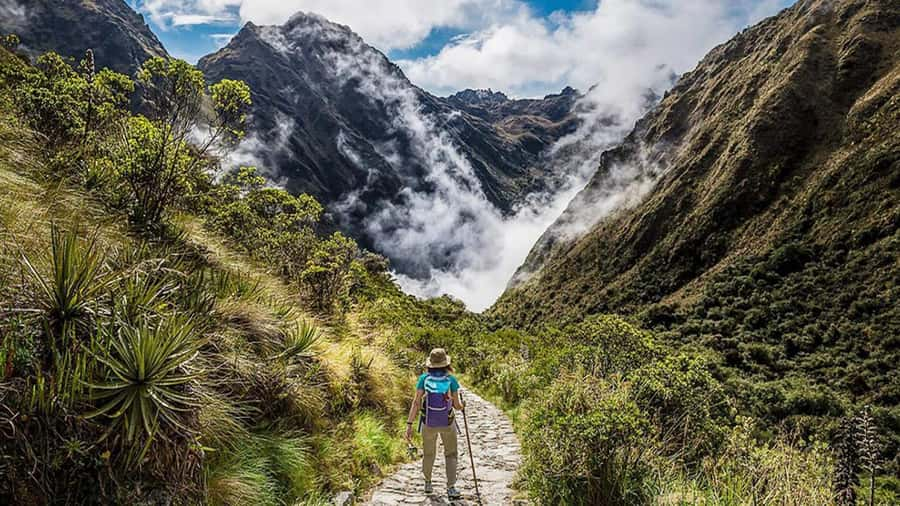
The food is a major reason this trek earns strong satisfaction. You get 4 breakfasts, 4 lunches, and 4 dinners, with a professional chef and kitchen team handling meals on the trail.
One of the best details is the effort level. The chef clearly treats this like real food, not just calories. There’s even an extra celebratory moment at the end—told as an actual cake surprise, not a vague promise.
Vegetarian and vegan options are available on request at no extra charge. If you have dietary needs, confirm them early so the kitchen can plan ingredients and portions.
What this means for you: when you’re tired and altitude is messing with appetite, good meals keep morale up. You’ll feel it most on the days when your legs are already asking for mercy.
Comfort basics: cabins, mattresses, pad thickness, and horse support
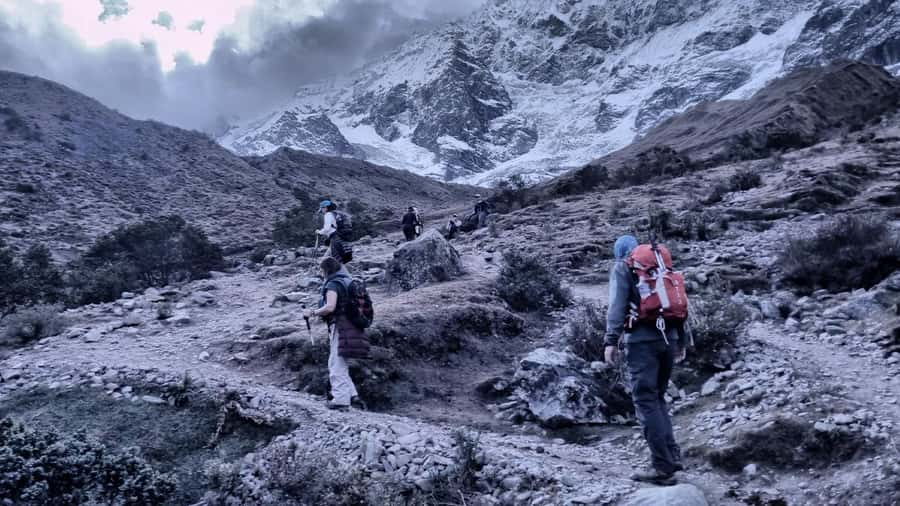
This trek is built to reduce the “bring everything on your back” pain.
During the first 3 days, a duffel bag (up to 7 kilos) is transported by horses. That means you can focus on hiking with the essentials rather than hauling heavy gear all day. It’s one of the clearest value adds in the included items.
For lodging, the first two days use Mountain Sky cabins with thick mattresses, nighttime lighting, and a glass door. Your personal foam pad (2.5 inches) adds comfort where it counts. If you don’t have a sleeping bag, you can rent one with the tour (10 USD). That rental option is worth considering because cold nights happen at altitude.
Also included are first aid kit and oxygen bottle for emergencies, which is not glamorous—but it’s the kind of practical backup you’ll be thankful for if something goes sideways.
Getting your body ready: why this trek demands fitness
This isn’t a “walk through scenery” trip. It’s a structured hiking schedule with elevation gains and long days.
You’ll walk about:
- 2 hours uphill on Day 1 to Humantay Lake, plus 2 hours downhill
- 4 hours uphill to Salkantay Pass at 4,650 m on Day 2
- 4 hours descent Day 2, then a 5-hour valley walk on Day 3
- 3 hours uphill to Llactapata on Day 4, plus a 3-hour train-track walk to Aguas Calientes
And that’s before considering altitude fatigue.
The tour also lists it as not suitable for pregnant women and people with mobility impairments. If you have any doubt, be honest with yourself about your ability to handle stairs, long descents, and high-elevation breathing.
Shoes are not optional here. Bring comfortable, supportive footwear with grip. If your shoes are worn out, this trek will expose it.
Price and value: what $460 includes and what costs extra
At $460 per person, you’re paying for a full service package: guide, chef-led food, included transport sections, lodging, and the Machu Picchu ticket plus guided tour.
What’s included that usually costs extra on DIY trips:
- Machu Picchu entrance ticket and a guided tour (~2.5 hours)
- 1 night hotel in Aguas Calientes
- 3 nights camping
- Private transportation to the trail route
- A professional English/Spanish guide (plus a pre-trek briefing one day before)
- Meals: 4 breakfasts, 4 lunches, 4 dinners
- Horse-transport for up to 7 kg of belongings (first 3 days)
- Camping setup basics like provided equipment and included emergency supplies
What to budget for separately:
- Humantay Lake entrance (20 soles)
- Hot springs in Santa Teresa/Colcamayo (10 USD) and the transport to them
- Sleeping bag rental if needed (10 USD)
- Transport up and down from Aguas Calientes to Machu Picchu (24 USD)
- Travel insurance
- Any extra activities
My value take: the included Machu Picchu ticket + guided entry is big. Add the chef and the camp setup, and you’re not just buying hiking advice—you’re buying built-in logistics and daily food that keeps you going.
Guide support, ticket day, and the small surprises that can happen
You travel with a professional guide who speaks English and Spanish. The group stays small (limited to 18 participants), which generally makes it easier for the guide to manage questions, timing, and energy levels.
One real-world consideration: if a guide is sick or unable to hike as much on a given section, explanations can be lighter early on and then pick up later. That doesn’t mean the trek stops being well run—it just means you should ask questions during stops when you get the chance.
On Machu Picchu morning, there’s also a useful heads-up: the ticket/checkpoint flow can feel confusing in the moment. Keep your passport, Machu Picchu ticket, and any student ID organized and ready before you reach the checkpoint. It saves stress.
Who this Salkantay trek is perfect for (and who should skip)
This trek is ideal if you want a classic route that moves from high mountains toward warmer valleys and ends with a guided Machu Picchu visit at the main gate in the early morning.
You’ll likely love it if you:
- enjoy steady, multi-day hiking
- want both nature (Humantay Lake, river valley, pass views) and Inca sites (Llactapata)
- care about meals and comfort, not just surviving on snacks
- can handle altitude and early wake-ups
You should skip if you:
- need a low-impact trek
- have mobility limitations that make long stair climbs or long descents difficult
- are pregnant
- don’t feel confident about high-altitude exertion
Should you book this Salkantay trek to Machu Picchu?
If you’re reasonably fit, good with early mornings, and you want the full package—camping nights, a real guide, strong camp meals, and a guided Machu Picchu morning—this is a smart choice. The food stands out as a genuine highlight, and the horse-transport for your duffel bag helps you hike smarter.
Just go in with the right mindset: you’re signing up for a tough route with real elevation. If you’re already training and you have good shoes, you’ll be rewarded with a memorable walk and a Machu Picchu visit that feels guided, not rushed.
FAQ
How long is the Salkantay trek?
The trek lasts 5 days and 4 nights.
What’s included in the meals?
You get 4 breakfasts, 4 lunches, and 4 dinners.
Do you camp the whole trip?
No. You camp for 3 nights and stay in a hotel for 1 night in Aguas Calientes.
Is the Machu Picchu ticket included?
Yes. Machu Picchu entrance ticket and a guided tour are included.
Are there extra costs for Humantay Lake?
Yes. The Humantay Lake entrance fee charged by the local government of Mollepata is 20 soles.
Do I need to bring a sleeping bag?
Sleeping bags are not included. You can rent one if you don’t have one (10 USD).
Can I get vegetarian or vegan meals?
Yes. Vegetarian and vegan options are available upon request at no extra charge.
How do you return to Cusco after Machu Picchu?
You return to Cusco by train or by walking and car, depending on your choice.