REVIEW · URUBAMBA
4 days/3 nights: Inka Jungle Trek to Machu Picchu
Book on GetYourGuide →Operated by Libertrek Peru Travel Agency · Bookable on GetYourGuide
A jungle trail to Machu Picchu beats airport-hop travel. I love the combo of active days—bike descent, river walking, and train-track hiking—and you’ll appreciate how that adventure keeps you grounded in the mountains before the big Machu Picchu moment. I also like that Machu Picchu is handled with a real guided visit, hitting key stops like Inti Watana and the Temple of the Condor.
One key consideration: the day-1 rafting on the river is weather-dependent (especially between Jan 1 and Mar 31). If the river is high that day, the rafting won’t run and there’s no refund, so you’ll want to mentally plan for a day with a change of activities.
In This Review
- Key highlights at a glance
- Why This Inka Jungle Trek Works for Most People
- Day 1: Cusco to Abra Málaga, the 3–4 Hour Bike Descent, and Optional River Time
- Day 2: Urubamba River Walk on a Preserved Inca Road to Cocalmayo Hot Springs
- Day 3: Zip Line at Cola de Mono, the Hidroeléctrica Canyon, and the 3-Hour Train-Track Approach
- Day 4: Sunrise Timing, Guided Machu Picchu Highlights, Then Back to Cusco
- Price and Value: What $420 Covers (and What Can Add Up)
- Pacing, Fitness, and the Packing Choices That Keep You Comfortable
- Small-Group Reality: Guides, Attention to Detail, and What to Watch For
- Should You Book This Inka Jungle Trek to Machu Picchu?
Key highlights at a glance
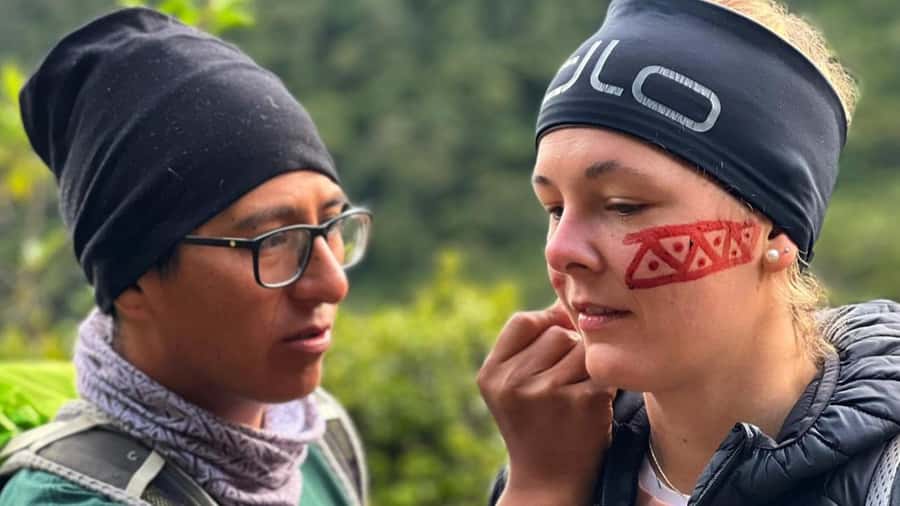
- Bike descent time (3–4 hours): a fast, scenic start that sets the tone for the trek
- Preserved Inca road on day 2: you walk a section that’s still remarkably intact
- Cocalmayo hot springs in Santa Teresa: a true decompression stop after hiking
- Zip line at Cola de Mono: an optional adrenalin boost on day 3
- Sunrise-style Machu Picchu entry: aim for early access and then get guided through major sites
Why This Inka Jungle Trek Works for Most People
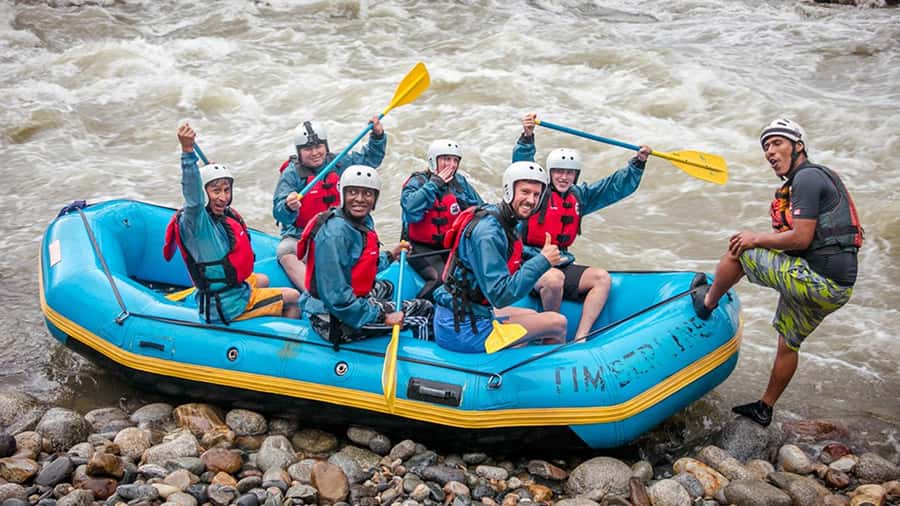
This route is built around a simple idea: don’t just travel to Machu Picchu—go there by changing altitude, changing landscapes, and changing energy levels across four days. You start in the Cusco area, descend by bike, hike along the Urubamba corridor, soak in hot springs, then close with Machu Picchu at the hour when it feels most alive.
The best part for me is that the pace is varied on purpose. One day is leg-work along ancient paths. Another is a mix of walking and canyon scenery, with a practical lunch stop at Hidroeléctrica before the long rail line approach to Aguas Calientes. Then day 4 flips into “respect the moment” mode: morning walk up to Machu Picchu and a structured guided visit.
It’s also a smart choice if you want a small group. The tour caps at 15 participants, and the guide is with you in a way that’s more manageable than huge bus groups. Many of the strongest comments you’ll see about this trek point to organization and attentive guiding (including a guide named Gustavo, often Gustavo Candia), which matters on multi-day trips where logistics can turn stressful fast.
Day 1: Cusco to Abra Málaga, the 3–4 Hour Bike Descent, and Optional River Time
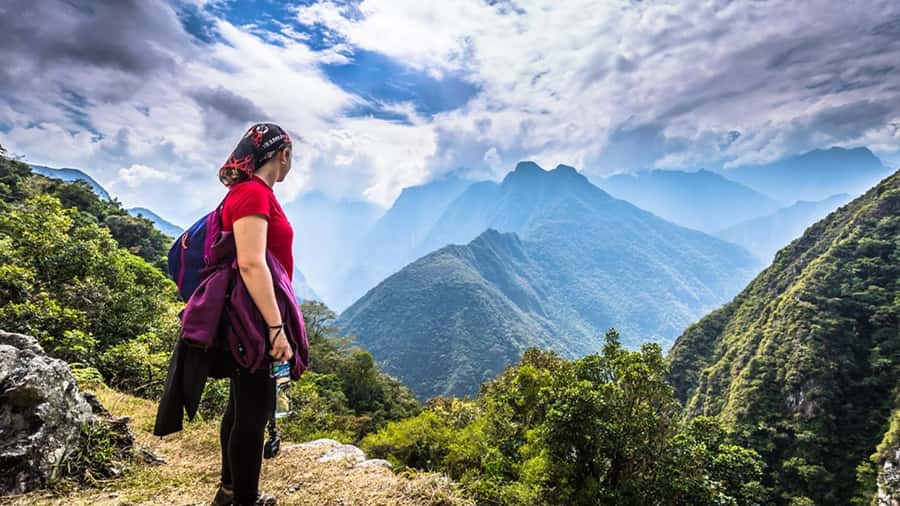
The day begins early: pickup from your Cusco hotel at 06:30 in a private vehicle. You’ll ride about 4 hours via the Malaga pass to San Luis, where the adventure formally starts.
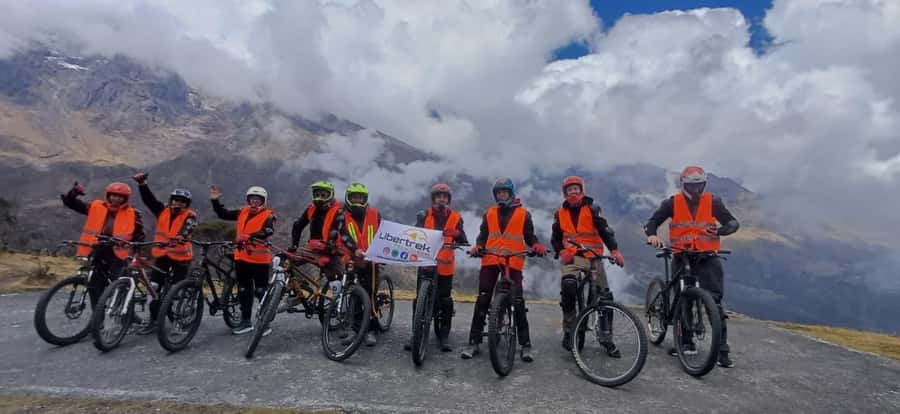
From there, the highlight of day 1 is the bicycle descent. You bike down for roughly 3 to 4 hours until you reach Santa María. This isn’t just a ride through scenery—it changes your physical rhythm. You’ll feel your legs working differently than hiking, and you’ll get that “we’re really doing this” sense early.
Along the way, there’s a cultural and nature mix. The route includes stops where you can appreciate the archaeological center of Huamanmarca, plus the shift between mountain and jungle landscapes as elevation drops.
In the afternoon, there’s an optional rafting/canoeing activity depending on conditions. It’s scheduled for about 15:00 on day 1, and it runs on the Urubamba/Vilcanota river area. But here’s the big reality check: the river activity is only reliable in specific seasonality, and it’s explicitly noted as weather-dependent between Jan 1 and Mar 31. If the river is high on your activity day, it won’t take place and there’s no refund.
That “no refund” detail affects how you should think about day 1. If you’re the type who plans your day around one perfect activity, keep your expectations flexible. If you can roll with plan adjustments, day 1 still delivers: bike descent, Huamanmarca, and finally the overnight in Santa María (hostel-style accommodation).
Practical tip: bring a towel and swimwear because you’re moving into hot, humid terrain fast, and you’ll likely want to freshen up whenever you get the chance.
Day 2: Urubamba River Walk on a Preserved Inca Road to Cocalmayo Hot Springs
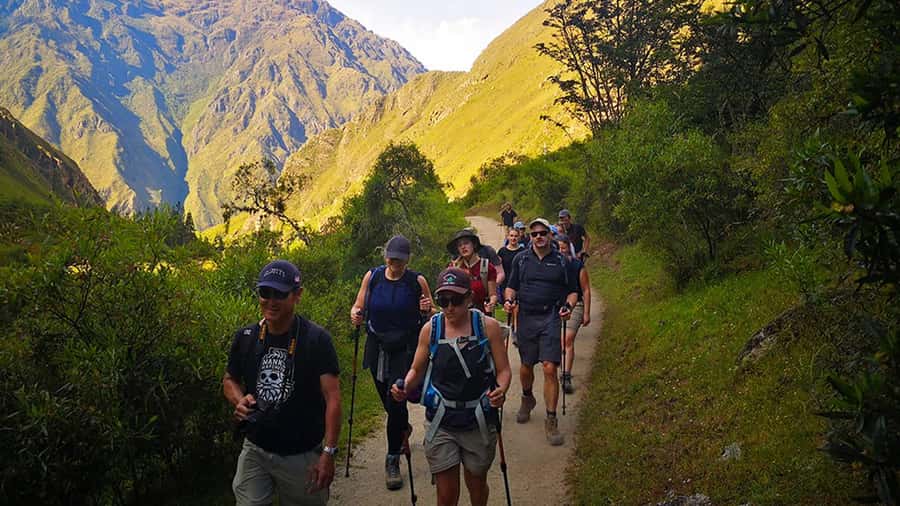
Day 2 starts with an early breakfast, then you walk for about 7 to 8 hours. The big theme is the Urubamba River corridor, with ascents and descents along the way. This is where the trek becomes more than sightseeing.
You’ll travel along a section of an ancient Inca road that’s described as perfectly preserved in parts. That matters because it makes your walking feel connected to how people moved through these valleys long before modern routes existed. You’re not just “hiking”; you’re following a living line of infrastructure.
Another strong theme: plant life and local knowledge. You’ll have time to observe fruit and medicinal plants and learn how locals use them for health. Expect plenty of wildlife too, including birds—parrots are specifically mentioned—so keep your eyes up, not only on your footing.
Logistically, this is a full hiking day. You’ll cross the Urubamba River through Oroya, then continue to the Cocalmayo hot springs in Santa Teresa. That hot-spring payoff is one reason this trek feels balanced. You get a hard walking day, then your body gets a planned recovery stop.
From a value standpoint, this is also where the tour’s “active-and-rewarding” design shows. Instead of ending at a random restaurant, you end at a place built for relaxation. You sleep in Santa Teresa for the night in the Inka Jungle hostel network.
If you’re deciding whether this trek fits you physically, day 2 is the benchmark day. You’re looking at many hours on trails with changing elevation. Solid hiking shoes and careful pacing will make the difference.
Day 3: Zip Line at Cola de Mono, the Hidroeléctrica Canyon, and the 3-Hour Train-Track Approach
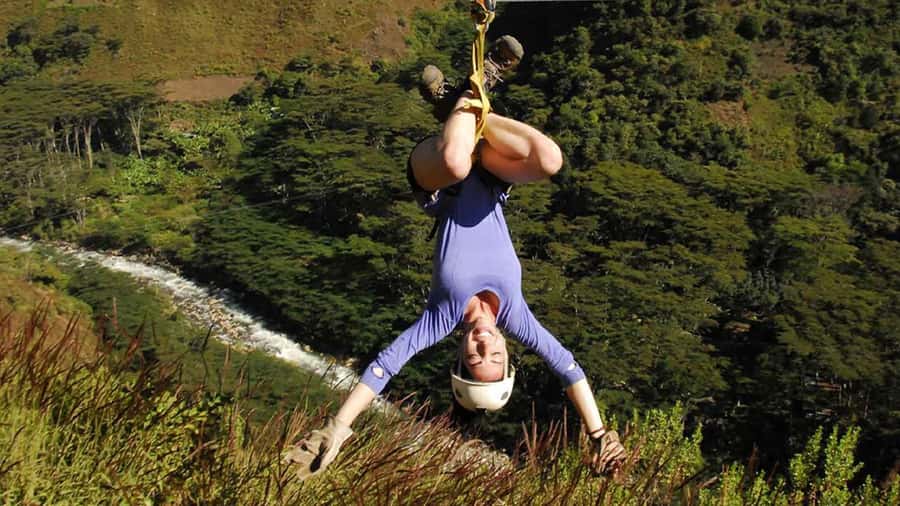
Day 3 begins with optional zip line time at Cola de Mono. If you want a punch of adrenaline to break the routine, this is the day for it. If not, you can keep it calmer and save your energy for what comes after breakfast.
Then the trek goes into a steady rhythm: you start walking toward Hidroeléctrica. The route is described as passing through a narrow canyon with pleasant climate, which is a nice change from open sun depending on the day. As you go, you’ll also get a key visual payoff: at the right moment, you can see the mountain of Machu Picchu.
Lunch is served at Hidroeléctrica, and then you continue along the train tracks for about 3 hours until you reach Aguas Calientes. That last approach isn’t glamorous, but it’s effective. It keeps you moving toward Machu Picchu gradually, and it helps the overall day feel like part of the journey rather than a sudden “you’re here” moment.
Aguas Calientes is where you overnight—again in hostel-style accommodation—so you’re set up for the final morning.
From the reviews you’ll see, this day is often remembered for structure: varied activities, clear progression, and the fact that the walk toward Machu Picchu feels like it has a purpose. Still, I’ll flag a real-world caution: pack smart. If you show up with heavy loads you can’t manage comfortably, this train-track stretch can feel tougher than it needs to. Plan for hiking practicality, not for carrying everything you own.
Day 4: Sunrise Timing, Guided Machu Picchu Highlights, Then Back to Cusco
Day 4 is the reason you booked. After breakfast, you walk from Aguas Calientes up to Machu Picchu with the goal of being among the first groups inside, which is designed for a beautiful sunrise experience. Even if sunrise isn’t your thing, early entry usually means you’ll move through major viewpoints with less crowd pressure.
Once inside, you get a guided tour focused on key sites. The tour specifically calls out:
- Inti Watana
- Temple of the Condor
- Sacred Rock
- plus additional important areas
That guided piece is where value shows up beyond the ticket itself. Machu Picchu can look like “big stones” if you’re wandering solo. A structured route helps you connect the layout to what you’re seeing.
After the tour, it’s time to come down. You’ll travel from Machu Picchu back to Aguas Calientes at the appropriate time, then board the tourist train from Machu Picchu station to Ollantaytambo. A tourist bus meets you there to take you back to Cusco.
The included transfer setup is practical: you don’t have to puzzle out multiple legs at the end of a long trek when you’re tired. You also have private transportation listed from the hotel area to the Cusco airport.
Optional adds exist, too. Wayna Picchu is listed as an optional extra (USD 65). Bus tickets up and down to Machu Picchu are also listed as optional (USD 24). If you want the “classic” view and plan to hike, ask yourself whether your feet will want the additional effort after day 3.
Price and Value: What $420 Covers (and What Can Add Up)
At about $420 per person for 4 days, this trek can feel like a lot on paper. But it includes more than you’d expect for a multi-day active trip:
- transportation in the Cusco area (Cusco to Abra Málaga to San Luis)
- a qualified adventure tour guide (English/Spanish)
- Machu Picchu entrance
- train from Aguas Calientes to Ollantaytambo
- transport back to Cusco
- 3 breakfasts, 3 lunches, 3 dinners
- biking equipment
- zip line
- first aid kit
- nightly accommodation in Inka Jungle hostels
Even if you price out just Machu Picchu entrance plus train logistics, the rest of the package (meals, guide, activities) starts to look like it has structure built into it. You’re paying for time saved, planning handled, and the fact that you don’t have to coordinate day-to-day movement on your own.
What can change the final total:
- rafting/rivers if it runs (it’s included, but explicitly subject to weather and refunds are not available)
- hot springs entrance in Santa Teresa is not included
- Wayna Picchu (optional USD 65)
- Machu Picchu bus tickets up/down (optional USD 24)
- breakfast on the first day and lunch in Aguas Calientes are not included
My practical take: this price is best value if you want “guided logistics + real food + included basics” rather than a do-it-yourself approach. If you already have Machu Picchu transport sorted and you only want hiking, you may be able to build a cheaper version. But you’ll trade away coordination and the tight itinerary design.
Pacing, Fitness, and the Packing Choices That Keep You Comfortable
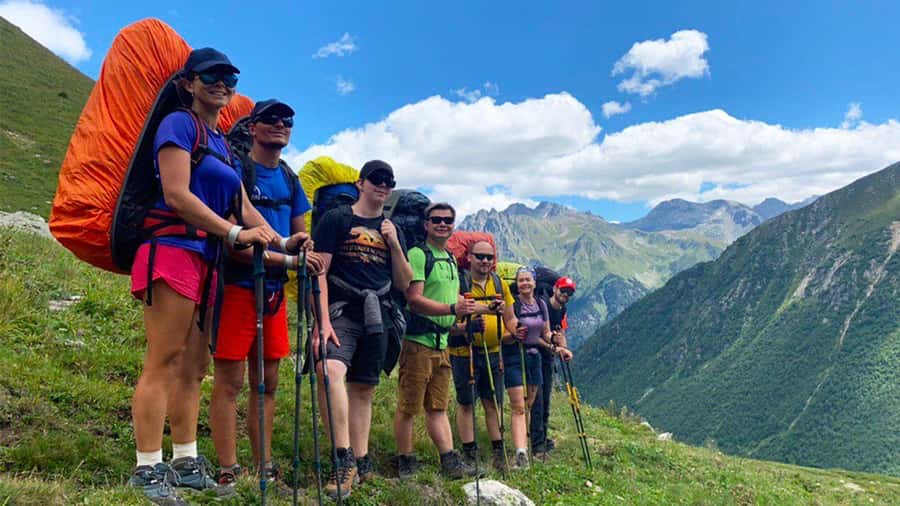
This trek is active. It’s not a gentle stroll. Day 2 alone is 7–8 hours of walking, and you’ll also bike for 3–4 hours on day 1 and hike for day 3 (including the train-track stretch). The good news: the route is broken into purposeful stages, so you’re never only doing one kind of effort.
What I’d pay attention to most is your packing and day-by-day load. One reported issue centered on not having a small daypack prepared, leading to heavy carrying and trouble when injuries happened. You can protect yourself with a simple mindset: plan for what you need during each walking block and keep the rest out of your way.
Here’s what the tour explicitly tells you to bring:
- passport
- comfortable shoes + hiking shoes
- sunglasses + hat + sunscreen
- swimwear + towel (hot springs and warm conditions)
- camera
- insect repellent
- cash
- hiking pants + comfortable clothes
- personal medication
Also, be honest about medical plans. You’re hiking in remote terrain, and the tour includes a first aid kit. Still, if you have knee trouble or any injury history, it’s smart to discuss suitability before booking and pack medications you know work for you.
If you’re thinking about safety on Machu Picchu day, consider ticket categories too. One issue reported involved different ticket groups (Gr.2 vs Gr.3) and guide timing. That doesn’t mean your experience will match that story, but it’s a good reminder to confirm your ticket type and tour expectations before you go.
Small-Group Reality: Guides, Attention to Detail, and What to Watch For
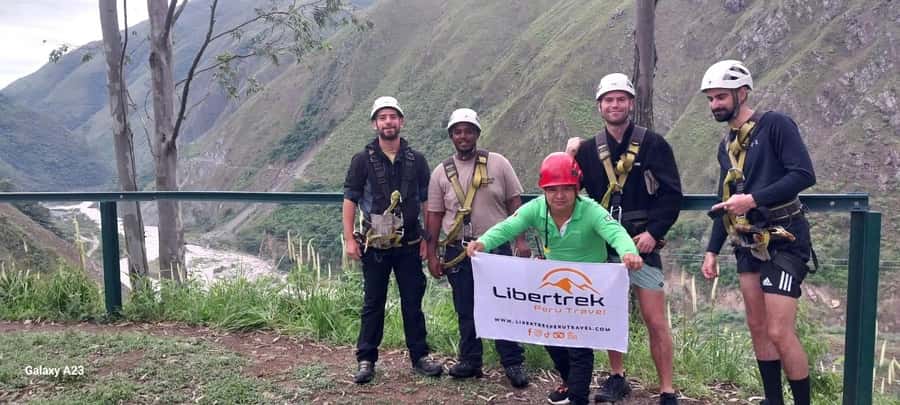
The tour is limited to 15 participants, and the tour guide is listed as English/Spanish. That small-group size is a big reason the trip can feel personal rather than factory-made.
A lot of the strongest praise centers on organization and a guide who knows the route and handles details. A guide name that comes up often is Gustavo (including Gustavo Candia), with people highlighting his knowledge and attentiveness. That matters because multi-day treks succeed or fail on how well the guide keeps the group moving and handles “the unexpected” smoothly.
What to watch for is not the guide’s effort—it’s how you adapt if something changes. The river activity is the biggest example: weather can stop rafting, and there’s no refund. Another example from a reported experience is how small details in briefing (like what bag to bring) can affect comfort and safety if you’re not ready.
My advice: show up prepared for a trek, not for an easy sightseeing bus ride. If you do that, the small-group format usually feels like the sweet spot.
Should You Book This Inka Jungle Trek to Machu Picchu?
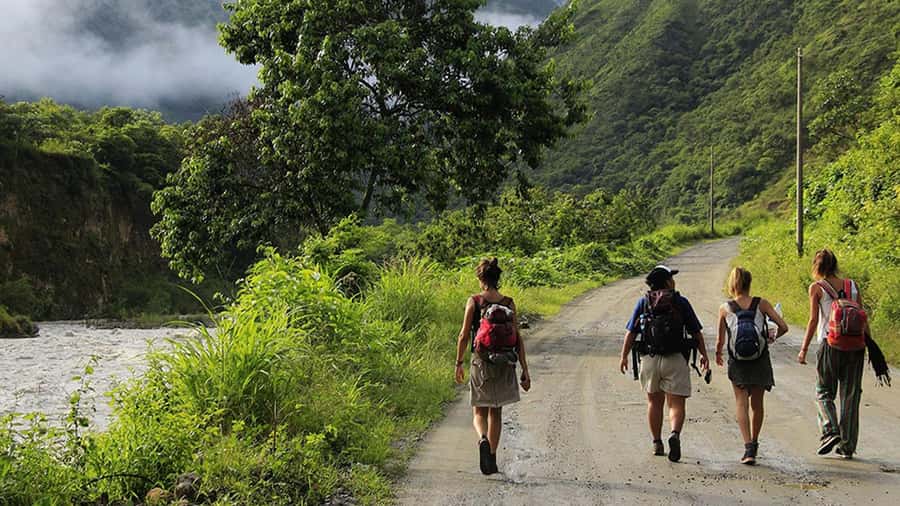
Book it if you want Machu Picchu with a “how you got here matters” storyline: bike descent, preserved Inca road hiking, hot springs recovery, and then early guided entry at the right hour.
You should think twice if rafting is the one activity you’d be disappointed to lose, since river conditions between Jan 1 and Mar 31 can cancel it with no refund. You should also be cautious if you’re injury-prone or not comfortable managing long hiking days and a multi-leg travel finish.
If you’re ready to move, pack smart, and treat the trek like a real journey, this is strong value for the money—especially because the core logistics (guide, meals, transport, Machu Picchu entrance, and train back) are built in rather than left for you to figure out on the spot.