REVIEW · SAPA
2 Day Trekking Experience: Explore with knowledgeable local guide
Book on Viator →Operated by Sapa Trekking Tours: Live like a local whilst exploring the breathtaking scenery of Muong Hoa Valley · Bookable on Viator
A valley trek with a family guide. This 2-day Sapa experience with Hmong guide Bau takes you through the Muong Hoa Valley on a route of about 16km, turning mountain time into real conversations about Hmong daily life and traditions.
I love how personal it feels, from Bau coming to your hotel to her patient explanations (and yes, she has extra boots if you need them). I also love the human side: the overnight village home feeling and the meals shared like you’re part of the day, not just passing through. The one thing to weigh is physical effort: this is listed for moderate fitness, so plan for long walking days and uneven trail.
In This Review
- 6 key reasons this trek wins hearts in Sapa
- Muong Hoa Valley on foot: what 16km actually feels like
- Bau as your guide: why her style changes the whole trip
- Day 1 from Sapa: the walk, the lunch break, and overnight village time
- Day 2: second-day trekking and a lunch with a local family
- Food and dinner included: what you’re actually paying for
- Price and what $65 really covers in a 2-day trek
- Pickup, private group, and getting to the start point
- Who should book this Sapa trek (and who might reconsider)
- Should you book Bau’s 2-day trekking experience in Sapa?
- FAQ
- How long is the trekking experience?
- How much trekking is on Day 1?
- What meals are included?
- Is pickup included in the price?
- Is this tour private or shared?
- Who provides the guided trekking?
- Is the trek suitable for everyone?
- What is the cancellation policy?
6 key reasons this trek wins hearts in Sapa
- Guide Bau’s patient, English-friendly teaching: You’re not left guessing what you’re seeing or why it matters.
- Muong Hoa Valley walking (about 16km on Day 1): A proper trek distance, not a quick stroll.
- Overnight in the village with the family vibe: Dinner is included, and the warmth feels practical, not staged.
- Hotel pickup offered: It removes the first headache of getting out of Sapa and onto the trail.
- Meals built in (2 lunches + dinner): Fewer “where do we eat?” moments, more time on the route.
- Private tour for your group: You’re not packed into someone else’s schedule.
Muong Hoa Valley on foot: what 16km actually feels like
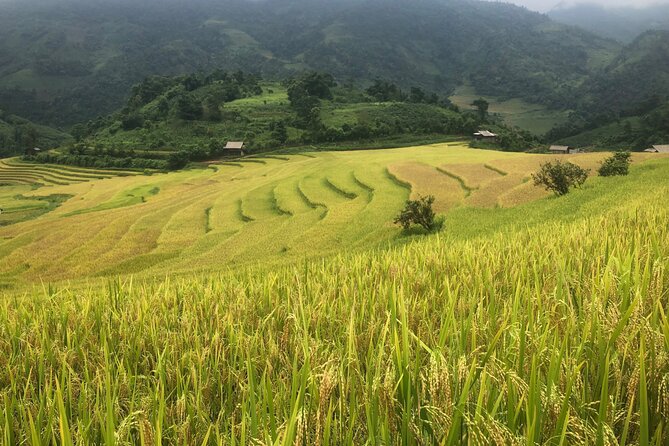
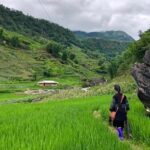
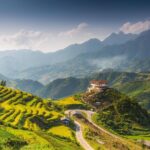
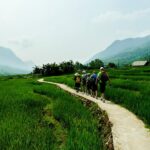
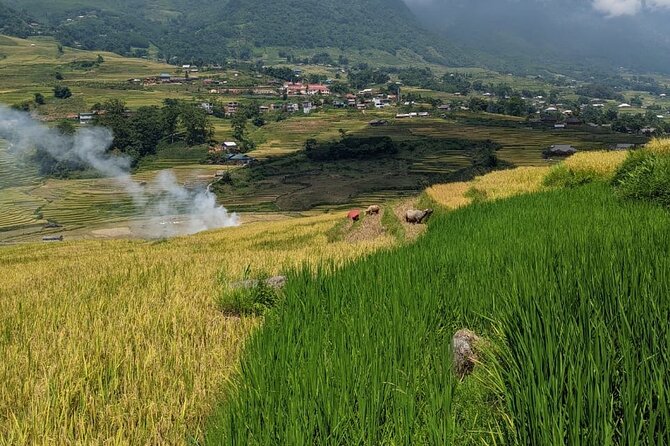
On Day 1, the trek covers roughly 16km through the Muong Hoa Valley, with Sapa as your starting point. That number matters. This is long enough that you’ll feel the walk in your legs, but it’s not the type of trek where you need to be an endurance athlete. The pace is guided, and because you’re with a local Hmong guide, stops tend to make sense instead of feeling random.
What I like about this setup is that the valley walk doesn’t stay “view-only.” The route becomes a timeline of daily life: where people go, how they live, and what the mountains mean beyond photos. Even when the trail is steady, you’ll spend time learning as you walk, so the day doesn’t blur into one long effort.
That said, the trail is real. Uneven ground is part of the package in this region, and weather can change quickly. If you’re the type who hates being uncomfortable, you’ll want to take footwear seriously and pack for cool mornings and warmer afternoons.
Bau as your guide: why her style changes the whole trip
This tour is built around an experienced local Hmong guide, and in the accounts shared, Bau comes up again and again. The big reason is simple: she’s calm, patient, and genuinely focused on helping you understand what you’re seeing—especially if your Vietnamese is limited.
Bau’s English is specifically mentioned in a way that makes this feel like a true conversation, not a translation scramble. She also shows up with practical solutions. One example that comes through is that she brought extra boots when people needed them. That’s the sort of detail that can save a trip: instead of turning the day into an equipment problem, you keep moving.
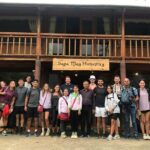
You’ll also feel her family connection. People talk about meeting Bau’s daughters and her husband, and spending time in the home during the overnight. That matters because it’s not just cultural info delivered like a lecture. You’re watching daily life unfold in front of you, and your questions get real answers.
Day 1 from Sapa: the walk, the lunch break, and overnight village time
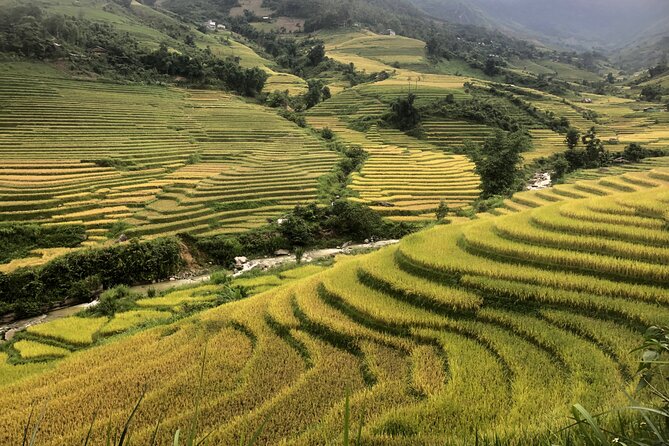
Day 1 starts in Sapa and quickly turns into trekking through the Muong Hoa Valley. You’re on the trail long enough to work up an appetite, which is exactly why lunch and planned breaks matter here. The experience includes lunch on both days, so you don’t have to guess your way through meals on a schedule you can’t control.
After the walking portion, the trip transitions into the overnight part of the experience. From the way the day is described, you finish your first day at Bau’s home in the village. Dinner is included, and the atmosphere is described as cozy—less “tourist stay” and more “family receives you like you’re there for the moment.”
What’s valuable about this overnight isn’t just the scenery. It’s the chance to slow down. Sapa feels busy by day, but in the village you get a different rhythm. You’ll be in a place where people live, eat, and talk, and that helps the trek feel connected instead of checklist-like.
Day 2: second-day trekking and a lunch with a local family
Day 2 continues the exploration with more trekking time and more cultural exposure. The overall theme stays the same: you’re moving through beautiful terrain while also learning how Hmong culture shapes everyday routines.
Lunch on Day 2 is included and is shared with a hospitable local family. That detail is key. A lot of treks include a packaged meal and call it “local food.” Here, lunch is presented as a family moment—something you share with people, not just something you consume quickly so you can keep walking.
The second day is also where you’ll appreciate the guide’s explanations more, because you understand the context from Day 1. You start recognizing patterns: how communities live near the land, how traditions are carried through daily tasks, and how conversations replace the usual “look, photo, move on” travel style.
Food and dinner included: what you’re actually paying for
This trek includes dinner and lunch (2). That’s a big part of the value. Trekking days can be unpredictable, and “let’s find food later” gets stressful fast—especially in rural areas where opening hours and options may not match city expectations.
From the descriptions tied to Bau’s family home, dinner feels shared rather than formal. People mention cozy comfort and a sense of being welcomed. Practically, that means you’re fed well enough to sleep comfortably and wake up ready for another trekking day.
One thing to note: this experience does not list breakfast as included. So if you’re expecting three full meals, plan for at least part of the morning to be on your own.
Price and what $65 really covers in a 2-day trek
At $65 for about two days (with the structure of two long days), you’re paying for more than “a guide and some walking.” You’re getting:
- A local Hmong guide experience led by Bau
- Pickup offered (so the start isn’t a logistical puzzle)
- Lunch included on both days
- Dinner included
- A private setup for your group
- Admission ticket listed as free
Tips and personal expenses are not included, and you’ll want to account for costs tied to insurance and anything you bring but don’t use (that always happens).
Is it “cheap”? In Sapa trekking terms, it’s priced like an experience that expects the overnight and meals to be part of the deal. If you compare it to doing the same trek yourself, the cost difference usually comes down to safety, knowledge, and reduced hassle. You’re not just buying distance—you’re buying context.
Pickup, private group, and getting to the start point
The tour includes pickup offered, and it notes you’re near public transportation. In real life, that means you’re less likely to be stuck trying to figure out how to reach the trailhead on your own.
The experience is also listed as private, meaning only your group participates. That affects the whole feel. You can move at a pace that fits your group, ask more questions without waiting your turn, and avoid the “everyone’s doing their own thing” chaos that can happen on mixed-group hikes.
One practical note: because the tour is designed for moderate physical fitness, private pace can help. If your group is steady but not fast, you’ll still have an enjoyable day because the itinerary is built around walking time rather than sprinting through stops.
Who should book this Sapa trek (and who might reconsider)
You’ll likely love this tour if you want a Sapa hike that feels human and local. It’s especially strong for people who like cultural learning while walking, not cultural learning as a separate museum stop.
It also fits well if you appreciate practical details. Pickup offered, mobile ticket, and meals included reduce day-to-day friction. The extra-boots story is a good example of the kind of helpful problem-solving that makes a difference when plans meet reality.
You might want to reconsider if:
- You’re very sensitive to physical strain. The trip calls for moderate fitness and includes a long Day 1 trek distance.
- You prefer fully independent travel with no overnight at someone’s home. This experience is structured around that village feel.
If you’re somewhere in the middle—curious, reasonably active, and open to being welcomed—you’re the sweet spot.
Should you book Bau’s 2-day trekking experience in Sapa?
Yes, you should book this if you want your Sapa time to connect trekking with real Hmong life. The combo is what makes it work: a long valley walk on Day 1, meals built into the plan, and an overnight village experience led by Bau, who’s praised for her patience, explanations, and practical help like extra boots.
Hold off if you’re not comfortable with moderate trekking effort. Also, if you expect all meals to be included and fully timed like a city restaurant schedule, you may feel a bit annoyed—because this is still a mountain village day, not a hotel itinerary.
If you’re ready for mountain walks plus family hospitality, this is a strong way to experience Sapa beyond the usual photos.
FAQ
How long is the trekking experience?
It runs for about 2 days.
How much trekking is on Day 1?
Day 1 includes a trek of approximately 16km through Muong Hoa Valley.
What meals are included?
Dinner is included, and lunch is included for both days (2 lunches total).
Is pickup included in the price?
Pickup is offered, and the meeting area is noted as near public transportation.
Is this tour private or shared?
It’s a private tour/activity, and only your group participates.
Who provides the guided trekking?
The tour is led by an experienced local Hmong tour guide, including Bau in the shared experiences.
Is the trek suitable for everyone?
It’s recommended for travelers with moderate physical fitness.
What is the cancellation policy?
You can cancel for a full refund up to 24 hours in advance of the experience start time. If you cancel later than that, the amount paid is not refunded.