REVIEW · KATHMANDU
Mardi Himal Trek
Book on Viator →Operated by Mission Himalaya Trekking · Bookable on Viator
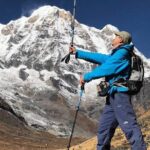
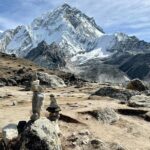
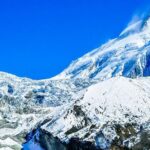
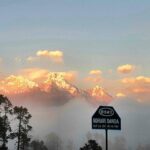
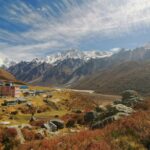
Mardi Himal is a small trek with big payoffs. This 11-day route takes you from Kathmandu to Mardi Base Camp and back, with a plan that focuses on views of the Annapurna region, including Machhapuchhre. I like that the journey is built for people who are new to Nepal trekking but still want that real “I did it” moment.
Two standouts make this one feel easier to manage: the guide support and the day-by-day pacing. If your guide is Birendra, you’re likely to get careful route choices, lots of practical guidance, and even photo help along the way, plus that calm, steady vibe that keeps nerves under control.
One thing to take seriously is the mountain environment. You’ll be above 3,000m for key stretches, so bring enough cold gear and expect weather to change fast—even when the trail looks straightforward at breakfast.
In This Review
- Quick take: what makes Mardi Himal tick
- Kathmandu to Thamel: getting grounded before you climb
- The Kathmandu to Pokhara flight: saving your legs for the hills
- Deurali to Forest Camp: your first real feel for the trail
- Low Camp and the 3,000m reality check
- The route that matters: High Camp to Mardi Base Camp
- Sidhing: rhododendron and pine, with a downhill reset
- Lwangghale (via Lwong): the often-favorite day
- Lwong sunrise tea gardens and a proper Pokhara recharge
- Kathmandu again: finish with a town guide
- Price and Logistics: does $1,058 feel fair?
- Gear and altitude tips that actually matter
- Who should book Mardi Himal, and who should think twice?
- Should you book Mission Himalaya for Mardi Himal?
- FAQ
- How long is the Mardi Himal Trek?
- What’s included for flights and transfers?
- What permits are included?
- Is equipment included for cold weather?
- Are meals included?
- Can I cancel for a full refund?
Quick take: what makes Mardi Himal tick
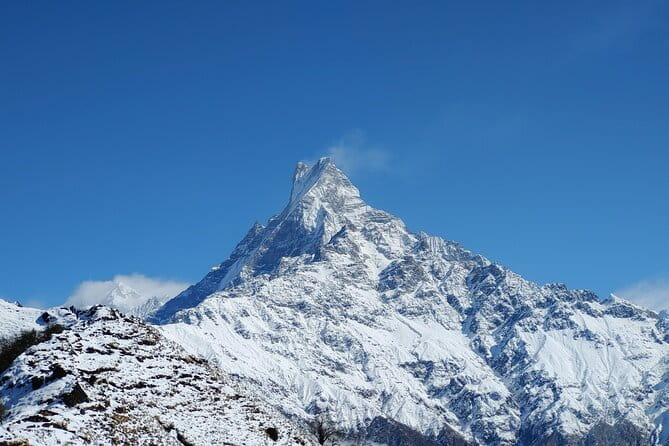
- Mardi Base Camp (around 4,500m) is the emotional high point with the kind of views that can hit you right in the chest
- Acclimatization days above 3,000m keep the trek from turning into a one-day altitude gamble
- Lodge-to-lodge simplicity means you sleep in twin-share rooms and focus on walking, not logistics
- A trained guide and porter team handles permits, meals, and trekking support so you’re not chasing details
- Down jacket, sleeping bag, and duffel bag on request reduces what you need to carry from home
- Rhododendron-and-pine trail days plus gentler segments give you variety instead of nonstop climbing
Kathmandu to Thamel: getting grounded before you climb
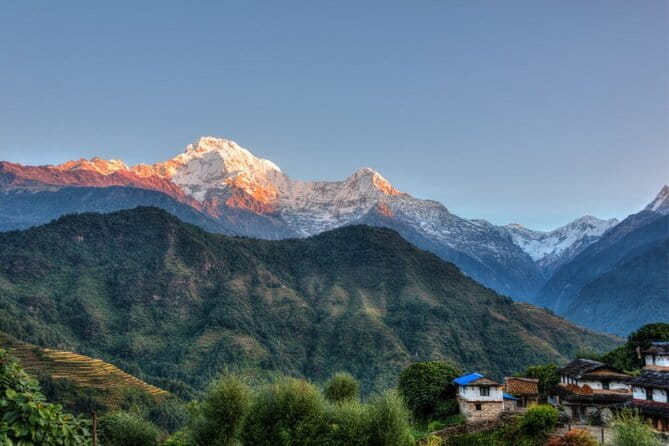
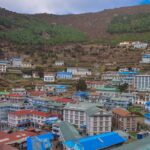
Most trekking stress comes before the first step. This itinerary starts the moment you land in Kathmandu, when you receive entry authorization support and then head to Thamel, the area that’s basically Nepal’s convenience hub for trekkers. It’s smart: you can reset after travel, get organized, and avoid scrambling for basics.
You’ll stay in a 3-star hotel in Kathmandu with breakfast. That matters because your first couple nights are where you can still sleep well, hydrate, and prep layers without rushing. If you’re the type who likes to pack once and pack right, this structure makes life easier.
Practical note: the plan includes private vehicle transfers for sightseeing and city/airport moves. That reduces the “how do we get there?” uncertainty that often drains energy before a trek.
You can also read our reviews of more tours and experiences in Kathmandu.
The Kathmandu to Pokhara flight: saving your legs for the hills
Day 2 is an early flight from Kathmandu to Pokhara. It’s not only about speed. It also means you start trekking with your body fresher instead of burning energy in long overland hours.
In Pokhara, you drive to Kande to begin your hiking day. The early walking is described as relatively easy and gradual, which is exactly what you want on day one of actual trail time. Think of it as your warm-up: enough movement to wake up your muscles, not enough to bully you into a “why did I sign up for this” mood.
You also get Kathmandu–Pokhara–Kathmandu domestic flight tickets included, including for the guide. For your budget, this is one of the biggest value pieces because flights can be an awkward add-on if you plan on your own.
Deurali to Forest Camp: your first real feel for the trail
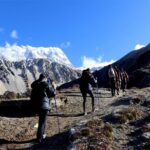
After the first day’s gentle start, the trek becomes more “Nepal trekking” from Day 3. You take a hearty meal in Deurali, then walk toward Forest Camp. Expect around 6 hours of trekking here.
This section mixes path time with scenery time. The trail goes through areas with woodland character, and during spring you can get rhododendron color—one of the trek’s noted delights. Even if you’re not going in peak bloom, the tree cover helps on cooler mornings and makes the hike feel less exposed.
The big thing to watch on day three is effort pacing. You’re not just walking distance; you’re learning how your lungs react on uphill days. If you go too hard early, acclimatization later becomes harder. Your guide’s job is to help you keep things steady, not heroic.
Low Camp and the 3,000m reality check
Day 4 starts with breakfast and then heads through mixed woodland, with lunch at Low Camp. As you’re already over 3,000 meters, the trek notes that the covered distance may be slightly reduced. That’s not a cop-out—it’s good planning.
At higher altitude, your legs can feel fine while your breathing tells a different story. Shorter segments help you keep moving without forcing an all-out grind. That’s key for beginners, because the goal is to keep you comfortable enough to enjoy the views and avoid burnout.
Day 5 continues with an acclimatization approach: shorter treks to help prevent altitude sickness. Hydration is strongly encouraged. It’s simple advice, but it’s also one of the most common points people ignore. If you take nothing else from this plan, take that seriously.
The route that matters: High Camp to Mardi Base Camp
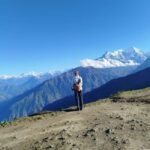
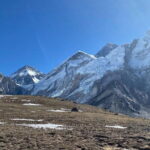
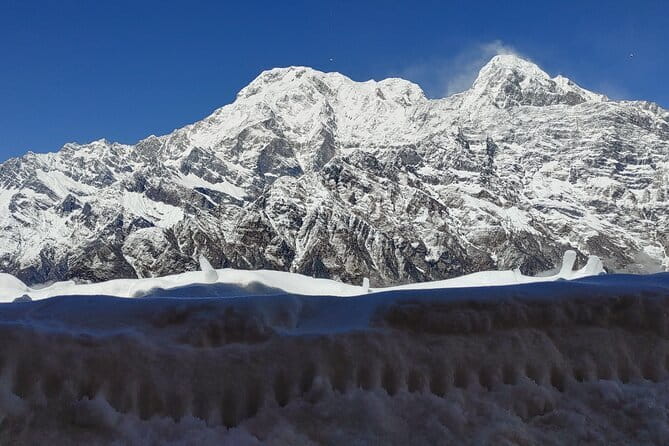
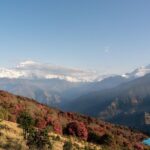
Day 6 is the day that earns the treks’ reputation. You head toward Mardi Himal Base Camp, and along the way you hit a viewpoint with panoramic coverage of major peaks in the region, including Mardi Himal and other Himalayan giants named in the route overview.
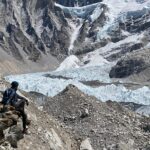
This is where the trek’s tone shifts from “I’m hiking” to “I’m doing something that will stick with me.” Multiple trip accounts emphasize that the climb to Mardi Base Camp—around 4,500m—is the most exhilarating segment, and it can land you in that surprised, emotional zone where you realize you’ve been pushing through tougher moments and you’re finally rewarded.
What you should expect on the approach: more cold, more wind possibility, and fewer distractions. At this altitude, your brain tends to focus on breathing and footing. That’s normal. Let it happen. The view becomes easier to appreciate once you stop trying to multitask.
If you’re someone who gets cold quickly, this is where the included gear on request can help. You can get a down jacket, sleeping bag, and duffel bag provided for the trek (then returned after). That’s a big quality-of-life detail if you don’t already own serious cold-weather gear.
Sidhing: rhododendron and pine, with a downhill reset
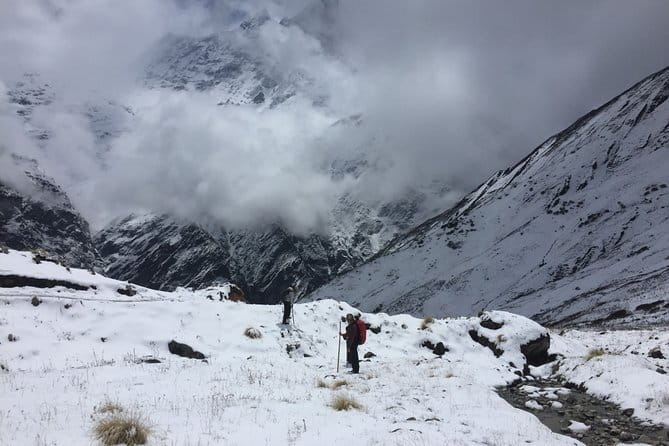
Day 7 walks from the higher area down toward Sidding (Sidhing). This day includes an alpine breakfast first, then a descent, with pathways through rhododendron and pine trees.
There’s a real psychological advantage to a descent day after the base camp push. Your lungs still work, but your legs don’t feel as battered. The itinerary also allows a low-camp option depending on timing, which helps keep the day flexible if the group’s pace changes.
Expect about 6 hours of walking. This isn’t a day to rush. Your body is still recovering from altitude exposure, and a steady rhythm helps you sleep better that night.
Lwangghale (via Lwong): the often-favorite day
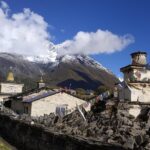
Day 8 is frequently described as the highlight of the itinerary because it’s mostly flat terrain. You’re walking toward Lwangghale, with Lwong as a first stop: a village setting with old-style ancestral houses and a quieter feel than the higher camps.
This is a great day for enjoying the “in-between” moments: tea, slower conversations, a longer look at mountain silhouettes, and fewer lung-burning climbs. When trekking itineraries avoid constant steepness, people tend to arrive feeling more human—and that makes the next sightseeing day more fun instead of numb.
The walking time is around 6 hours, so you still get a full trek day. But it’s the kind that feels like you’re moving through the region rather than fighting it.
Lwong sunrise tea gardens and a proper Pokhara recharge
Day 9 brings an early morning wander through tea gardens around Lwong, with sunrise mentioned as a key moment. Sunrise at altitude can be chilly and windy; sunrise in a valley can be different, often calmer, and easier to enjoy for longer.
After that, you return to your guesthouse for a final dinner setup on the trekking side of the trip. It’s also the mental reset day. The mountain has dominated your routine for nearly a week. Now you get to transition into Nepal’s more relaxed rhythm.
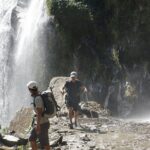
You then have Pokhara hotel time with guided touring built in on Day 10. That includes stops such as Davis Waterfall and Gupteswor Mahadev. These aren’t just random add-ons. They give you cultural and scenic variety after so many walking hours.
Kathmandu again: finish with a town guide
Day 11 brings you back to Kathmandu. You’ll go with a town guide to explore popular destinations in the city. The exact sites aren’t spelled out in the trip details you provided, so I’d treat this as a flexible city wrap-up rather than a checklist guarantee.
This last day is worth planning for mentally. You’ll be tired, you might still feel altitude aftereffects, and you’ll likely have photos and stories that need time to land. If you can, keep your evening open for a relaxed meal in Thamel and a final slow look at what you climbed toward.
Price and Logistics: does $1,058 feel fair?
At $1,058 per person for an ~11-day trek, the value comes from what’s included—not just what’s missing.
On the included side, you get:
- domestic flights (Kathmandu–Pokhara–Kathmandu) including for the guide
- 3-star hotels in Kathmandu and Pokhara with breakfast
- permits for the trek (ACAP and TIMS)
- a licensed trekking guide and porter support, with meals, accommodation, and insurance handled
- lodge accommodation during the trek (twin sharing)
- major meals during the trekking portion (breakfasts, plus 8 lunches and 8 dinners)
- gear on request (down jacket, sleeping bag, duffel bag)
On the not-included side, you’ll still pay extra for:
- your Nepal visa (and international flights)
- travel and rescue insurance
- many meals in Kathmandu and Pokhara beyond what’s listed as included
- personal expenses like drinks, WiFi, possible hot shower access, and tipping
So is it worth it? For most people who want a guided experience with permits sorted and altitude pacing built in, yes. The trek isn’t the kind of route where you want to guess at permits, daily logistics, or equipment needs. Paying for a trained team tends to buy you time, safety structure, and less mental load.
The one “watch this” moment: because the trek has a set itinerary, costs aren’t refundable if you choose to return earlier. If you’re the type who might bolt due to weather or fatigue, ask questions early.
Gear and altitude tips that actually matter
This trek asks you to plan for cold and altitude, even if the trail is labeled beginner-friendly. Your goal should be to stay warm enough that you can keep walking comfortably after rests.
Here are practical choices that match the trek’s own guidance and the real-life advice shared:
- Bring enough cold-weather layers for the high points. Lodges can help you warm up, but cold gear shortages are miserable at altitude.
- Use the acclimatization structure. Days with shorter walking are there for a reason, and hydration is repeatedly emphasized.
- Expect that mountain food is part of the experience. Lodges are set up for trekkers, so you can eat during stops rather than fearing you’ll go hungry.
Also, if you like checking boxes, notice how the trip handles sleep. Trek nights are twin-share at “best available” lodges. That’s normal for this style of trekking, but it helps to go in knowing you’re trading hotel amenities for mountain convenience.
Who should book Mardi Himal, and who should think twice?
This trek fits you if you:
- want a beginner-friendly route without skipping the real Himalayan reward
- like structure: permits, transfers, guide, porter, and meals largely handled
- want a trip where the hardest segment is clearly marked as the base camp climb
It might be less ideal if you:
- dislike cold and wind at altitude and don’t have proper layers
- hate trekking planning and prefer fully self-directed routes
- need a trip that’s easy to shorten without consequences
If you do book, you’ll want to be ready to follow the pacing. The route is designed so you can complete it safely and still enjoy it.
Should you book Mission Himalaya for Mardi Himal?
I’d book it if your top priority is a smooth, guided Mardi Himal experience with altitude planning, not a DIY project. The included permits, domestic flights, and the guide/porter setup remove a lot of common headaches. Plus, the trek’s “best moments” are concentrated in the base camp push, so you’re not spending ten days waiting for the payoff.
One more thing: pay attention to who’s guiding. Birendra shows up in the trek’s standout stories as a professional leader who adjusts routes and helps keep group morale up, including photo support for moments you’ll want to remember later.
If you’re deciding between booking and not booking, consider this simple test: do you want less logistics, more steady pacing, and a higher chance of finishing feeling proud rather than wrecked? If yes, Mardi Himal is a smart choice.
FAQ
How long is the Mardi Himal Trek?
The tour is listed as 11 days (approx.).
What’s included for flights and transfers?
You get private-vehicle transfers for Kathmandu city and airport transfers, plus domestic flights between Kathmandu and Pokhara (including for the guide), and back again to Kathmandu.
What permits are included?
The trek includes the required permits: ACAP and TIMS.
Is equipment included for cold weather?
You can get a down jacket, sleeping bag, and duffel bag on request. These are returned after the trek.
Are meals included?
Breakfast is included for 10 days. Lunch is included for 8 days, and dinner is included for 8 days. Meals in Kathmandu and Pokhara are not included except the items mentioned in the included list.
Can I cancel for a full refund?
Yes. You can cancel up to 24 hours in advance for a full refund. Cancellation made less than 24 hours before the experience start time isn’t refundable.