REVIEW · KATHMANDU
Poon Hill Trek
Book on Viator →Operated by Ace the Himalaya · Bookable on Viator
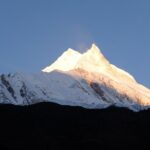
Sunrise over the Himalaya is the main event. This trek mixes early-morning mountain magic with an easy, village-based route through rhododendron forests and Gurung communities, then caps it with a classic Poon Hill viewpoint. Two things I really like: you get an unobstructed sunrise moment up high, and the trip is run with a licensed English-speaking trekking guide plus porter support that keeps logistics from eating your energy.
One consideration: the early starts are real, especially the pre-dawn push to Poon Hill, so you’ll want a steady pace and a bit of patience for cool, low-visibility hiking. For most people with moderate fitness, it’s a satisfying fit—just don’t expect a lie-in.
In This Review
- Key highlights that make this trek worth your time
- Why the Ghorepani and Poon Hill route is a smart “first Himalaya” week
- Entering Kathmandu with temples, stupa views, and a quick cultural reset
- Pokhara: the calm setup before your trail begins
- Day 4–5: Nayapul to Hille, then Ulleri and Ghorepani
- Day 6: The Poon Hill sunrise run and the Deurali to Tadapani transition
- Day 7–8: Ghandruk culture, museums, then back to Nayapul
- Day 9–10: Kathmandu again, farewell dinner, and flying home
- Price and logistics: what you’re paying for and what you still need
- What’s included (and why it matters)
- What’s not included (so you don’t get surprised)
- What kind of travelers this fits best (and who should reconsider)
- A few practical tips to make this trek feel smooth
- Should you book Poon Hill with Ace the Himalaya?
- FAQ
- Where does the trek begin and end?
- How long is the Poon Hill trek?
- Is airport pickup and drop-off included?
- What cities are included before and after the trek?
- What’s included for accommodation?
- Do I get a guide and porter service?
- What meals are included?
- Are trekking permits included?
- What trekking items are provided by the company?
- Is free cancellation available?
Key highlights that make this trek worth your time
- Poon Hill sunrise views: an early hike to a viewpoint timed for clear mountain panoramas
- Village trail with culture mixed in: Ghorepani, Tadapani, and Ghandruk give you everyday Nepal beyond the postcards
- Permits handled: Annapurna Conservation Park permits and TIMS are included
- Guide and porter support: a licensed English-speaking guide, plus luggage porters (one per two guests)
- Comfortable base cities: 3-star hotel stays in Kathmandu and Pokhara with breakfasts included
- Small group size: maximum 15 travelers, which helps the pace feel less chaotic
Why the Ghorepani and Poon Hill route is a smart “first Himalaya” week
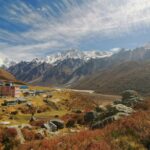
If you’re aiming for big Himalayan views without committing to a long, hardcore trek, this route has that sweet spot. You’re trekking in Nepal’s Annapurna region, but the daily effort stays mostly reasonable thanks to shorter segments, steady climbs, and frequent opportunities to stop in teahouses.
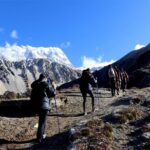
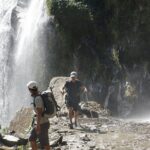
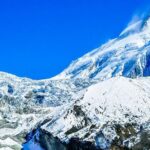
The “why” is simple: you see mountains in pieces first, then all at once. On clear mornings, the sunrise viewpoint at Poon Hill is famous for opening up the high ranges in a way that feels almost unfair. And you’ll also spend time walking through thick forests—especially rhododendron and oak—where the trail has that slow, local rhythm: turn a corner, spot a waterfall, then watch the peaks appear and disappear behind the ridges.
You also get a cultural mix that makes the trek feel grounded. The trail passes through villages inhabited by Gurungs and Magars and other ethnic groups, and Ghandruk is a standout stop for understanding how communities live under the Annapurnas. If your idea of a great trip includes people, not just scenery, this route fits.
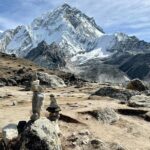
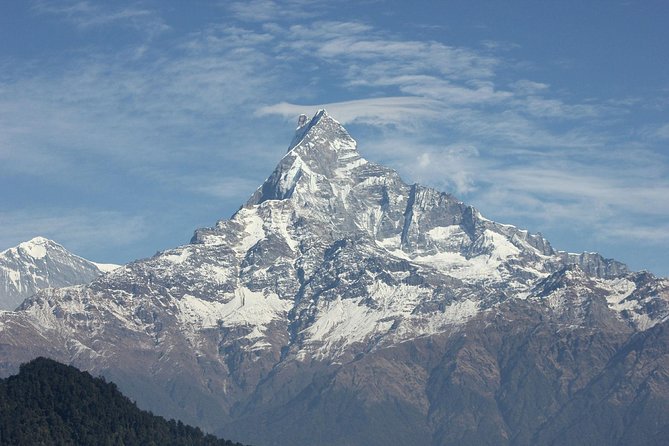
And yes, Machhapuchhare (Fish Tail Peak) dominates the skyline in this region—so even when you’re not at Poon Hill, you’re often hiking with that big shape watching you.
You can also read our reviews of more tours and experiences in Kathmandu.
Entering Kathmandu with temples, stupa views, and a quick cultural reset
You start in Kathmandu, and the first day is built for a smooth landing. There’s an airport representative at Tribhuvan International Airport, and you’re transferred to your hotel by private vehicle. If you arrive after 4 pm, there’s still a pre-trip briefing by the guide so you can ask questions before trekking starts.
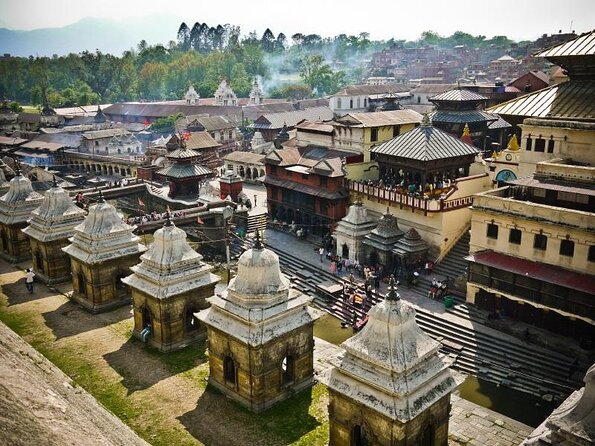
Then the next day is city sightseeing, and it’s not random. You visit three major stops: Pashupatinath Temple, Boudhanath Stupa, and Bhaktapur Durbar Square.
- At Pashupatinath, you can’t enter (it’s strictly for Hindus), but you can clearly see the temple and the river activity from the eastern bank of the Bagmati River. That gives you the feel without the tourist bottleneck of trying to go inside.
- Boudhanath is a Buddhist anchor in the city. You’ll see pilgrims from Tibet going around the stupa, spinning the prayer wheels. It’s a steady, almost meditative scene.
- Bhaktapur Durbar Square gives you royal-era architecture and temples. You’ll pass several named landmarks, including the five-storied Nyatapola temple and the Palace of 55 windows.
Why this matters for your trek: Kathmandu days like this help you get your bearings fast. You also spend time with local history and daily devotion before stepping into the quieter, slower mountain world.
Pokhara: the calm setup before your trail begins
After Kathmandu, you head to Pokhara, which is smaller and less hectic. The plan is very practical: trekking staff pick you up at the hotel at 6:30 am, you go to the tourist bus station, and the bus leaves around 7:30 am.
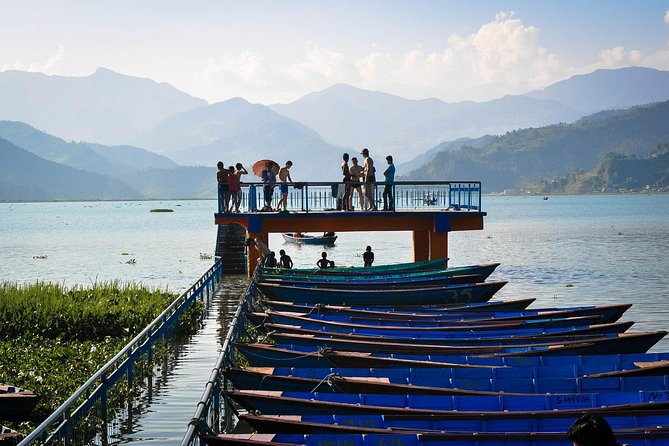
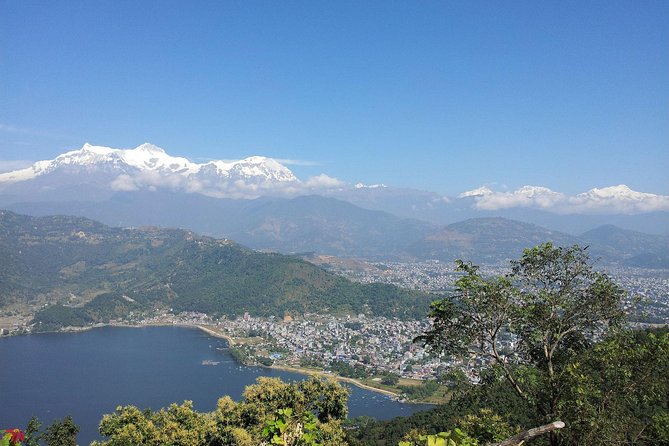
Pokhara sits by Phewa Lake, and it’s also a visual staging area for the Himalayan view lines. From here, you can get glimpses of Annapurna and Machhapuchhare to the north, Dhaulagiri to the west, and Lamjung Himal and Manaslu to the east.
When people plan Poon Hill treks, they often underestimate how useful that Pokhara buffer is. It’s not just a transfer city. It’s where your day-to-day mood shifts from traffic-and-noise to hills-and-horizon.
That same mindset carries into Day 4, when you begin trekking for real: you drive from Pokhara to Nayapul and get onto the trail with a gentle opening walk.
Day 4–5: Nayapul to Hille, then Ulleri and Ghorepani
The trek officially starts with a short drive from Pokhara to Nayapul, followed by a quick walk along the Modi Khola before you reach Birethanti (1,015 m). From there, the trail continues along the north bank of the Bhurungdi Khola.
Day 4 is designed as a prelude. You climb steadily up the valley side, reaching places like Hille (1,495 m) and then Tikhedhunga (1,570 m). The walking time is shorter, and it helps you gauge your pace before the bigger altitude feeling sets in. If you’re new to trekking, this is the day that teaches you how to move efficiently—without exhausting yourself.
Day 5 pushes you into a classic rhythm of ascent. You head toward the steep climb to Ulleri, a Magar village at around 2,070 m. Then the trail turns gentler for a stretch through forests of oak and rhododendron before reaching Banthanti (2,250 m) and Nangethanti (2,460 m).
Finally you arrive at Ghorepani (2,840 m). This is a key base for the Poon Hill plan because it’s close enough for an early-morning hike, but high enough that you feel you’re properly in the mountains.
One practical note: tea houses at these elevations are where your day takes shape. You’ll spend a lot of time there between walking legs. Bring layers you can add or remove quickly, because your body temperature changes fast on this route.
Day 6: The Poon Hill sunrise run and the Deurali to Tadapani transition
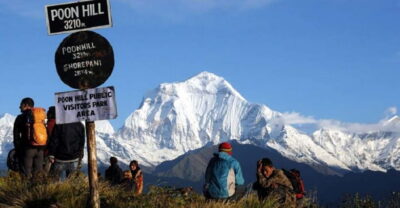
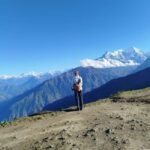
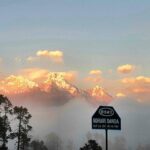
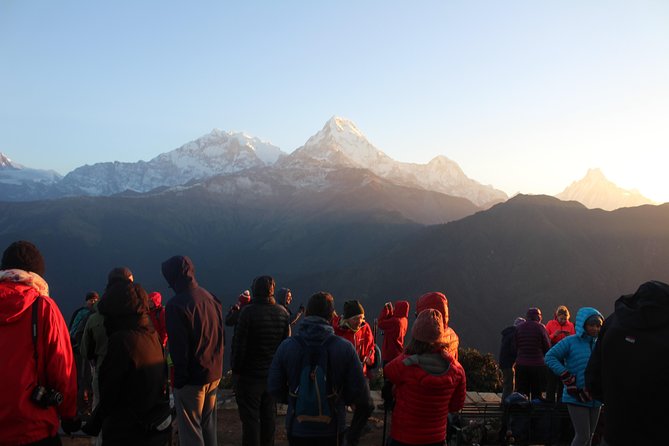
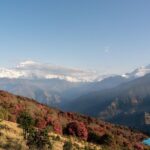
Day 6 is the heart of the trip. You start very early—an hour hike—to Poon Hill at about 3,210 m for sunrise. The viewpoint is described as having unobstructed mountain views, and that matches what you’re aiming for: a clean horizon line and a sunrise that lights up the peaks.
After about an hour at the viewpoint, you return to Ghorepani for a hot breakfast. Then the day keeps moving. You climb along ridges, walking through pine and rhododendron forests toward Deurali (2,960 m). After that, you descend to Banthanti and then turn toward Tadapani.
This day does two important jobs for you:
1) It gives you the single most memorable view moment of the trek.
2) It resets your muscles for the next phase by working you through a ridge-to-descent pattern.
The biggest “consideration” here is timing and cold. If weather is questionable, it can affect visibility; your route depends on conditions. That’s also why leaving for Poon Hill early matters: even if you see clouds moving in, the mountain still has a chance to clear.
If you’ve never done pre-dawn hiking before, treat it like a skill you’re learning. Keep your effort steady, dress for the chill, and don’t race uphill just because your body feels restless.
Day 7–8: Ghandruk culture, museums, then back to Nayapul
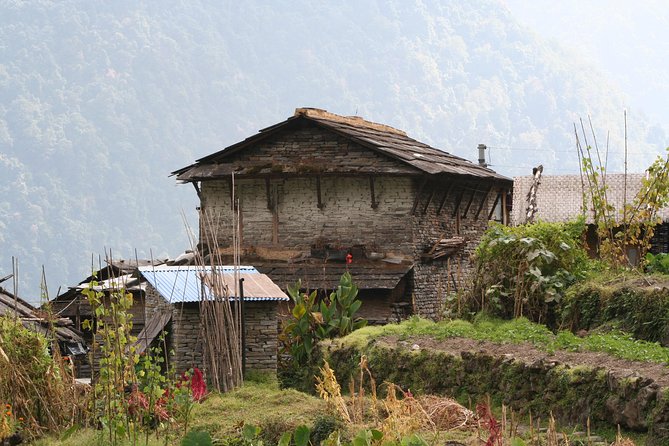
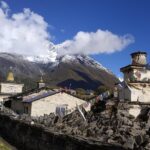
From Tadapani, you descend through forests to Ghandruk, a Gurung village. Ghandruk matters because it isn’t just a photo stop. It’s a living community with its own dialect, culture, costume, and lifestyle. It’s also known for its connection to Gurkha soldiers, and that link shows up in how the village frames its identity.
Once you arrive, you get the afternoon to slow down. You’ll visit the Annapurna Conservation Office and museums, and you can explore the village.
That conservation stop is a smart add-on for trekkers. It helps you understand the region you’re walking through—why certain rules exist and how local livelihoods connect to protected areas. Even if you’re not a “museum person,” it gives context that makes your trek feel more intentional.
On Day 8, you finish the trek at Nayapul, followed by a short drive back to Pokhara. That afternoon is free time by design. You can take it easy and go for a stroll around the lakeside, which is the perfect low-stress way to decompress after days on your feet.
Day 9–10: Kathmandu again, farewell dinner, and flying home
Day 9 starts with a drive back to Kathmandu. You then have a farewell dinner at a traditional Nepalese restaurant with cultural performances. It’s a good ending style for a trek: not just a meal, but a final burst of Nepal culture after you’ve spent the previous days moving through mountain villages.
Day 10 is your exit day. You’re taken to Tribhuvan International Airport in Kathmandu for your departure flight.
This arc—Kathmandu sights, mountain trekking, return to Kathmandu for culture—helps the trip feel complete. You don’t just “do the trek.” You see the country in two modes: the city’s spiritual energy and the trail’s quiet, communal life.
Price and logistics: what you’re paying for and what you still need
At $1,172.27 per person, this isn’t a bargain bargain, but it’s also not just selling you walking days. The value is in what’s wrapped into the package.
What’s included (and why it matters)
You get:
- Airport/hotel/airport transfers by private tourist vehicle
- Tourist bus between Kathmandu and Pokhara, plus private vehicle between Pokhara and Nayapul
- Twin-share rooms in 3-star hotels: 3 nights in Kathmandu and 2 nights in Pokhara, with breakfast
- Guesthouse accommodation during the trek for 4 nights (mostly twin-share, sometimes dormitory)
- A local Ace the Himalaya licensed English-speaking trekking guide
- Porters to carry luggage during the trek, with one porter for every two guests
- Permits: Annapurna Conservation Park and TIMS
- Meals on the trek days: 9 breakfasts, 6 lunches, 6 dinners
- City sightseeing entrance fees in Kathmandu
- Government taxes and service charges
- Staff support costs like insurance, equipment, and medicine
- A duffel/kit bag and sun hat from Ace the Himalaya (yours to keep)
- Mobile ticket (so you’re not juggling paper confirmations)
And there’s a cap of 15 travelers, which typically keeps the trek from turning into a traffic jam.
What’s not included (so you don’t get surprised)
You’ll need to budget separately for:
- Lunch and dinner in Kathmandu and Pokhara
- Travel insurance that covers emergency rescue and evacuation
- International airfare and airport departure tax
- Nepal entry visa
- Alcoholic and hot/cold drinks
- Personal trekking equipment
- Tips for trekking staff and drivers (tipping is expected)
In other words, you’re paying for a managed trek with logistics handled, not for every extra you might want while relaxing in Kathmandu or on a lodge terrace.
What kind of travelers this fits best (and who should reconsider)
This trek is a great match if you want:
- A clear sunrise payoff without committing to a long high-altitude expedition
- A route with a mix of villages, forests, and viewpoints
- A guided experience that handles permits, transport, and most day-to-day planning
- A moderate fitness challenge with early starts and steady walking
In the supplied info, the program is described as suitable for people with moderate physical fitness. That aligns with the route design: a shorter Day 4 to ease in, then a gradual build to Ghorepani and a big sunrise moment at Poon Hill.
It may be less ideal if:
- You strongly dislike very early mornings (Day 6 starts before sunrise)
- You want guaranteed mountain views every day without weather risk (this experience requires good weather, and plans can shift)
- You hate the idea of sharing guesthouse space in twin rooms or occasional dormitory setups
A few practical tips to make this trek feel smooth
I’d plan this trek like a series of small wins. Start early when you’re told, keep your pace even, and let the itinerary’s “easy-to-hard-to-easy” flow do the work for you.
A couple of specifics that help:
- On Poon Hill day, treat the viewpoint hike as an endurance effort, not a sprint. Your reward is time at the top plus sunrise, then a hot breakfast back down at Ghorepani.
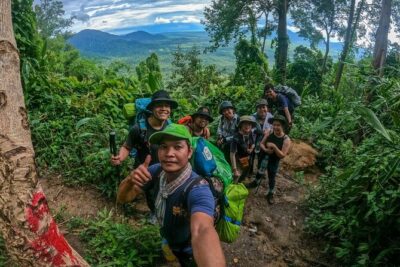
- Expect tea houses most evenings to be your social hub. The climb schedule means you’ll meet fellow trekkers, swap weather updates, and settle in early.
- Because a porter carries your luggage (one per two guests), pack with purpose. Keep essentials easy to grab, but trust that you don’t need to haul heavy bags all day.
- From what I’ve seen in past Ace the Himalaya trek teams, guide leadership makes a difference. Names that have come up include Sushanta, Janardan, Baburam (Babu), Ishwar, Shyam, and porters like Poson, Limbhu/Limbodia, RJ, and Poshan Gurung. Even if your exact team varies, the pattern is consistent: attentive support is a big part of the experience.
If you’re trying to choose between trekking days or directions and you have flexibility, a practical lesson from past groups is that getting the flow right helps timing and reduces stress. In practice, it means following the route’s intended sequence and not trying to cram in extra stops that throw off sunrise plans.
Should you book Poon Hill with Ace the Himalaya?
If you want a well-run trek that balances views, culture, and logistics, I think this is a strong pick. The included permits, guide support, and porter system take away a lot of the stress that makes first-time trekking feel intimidating. Add in the Poon Hill sunrise payoff and the Gurung village time in Ghandruk, and you’re getting more than a hike—you’re getting a full Annapurna introduction.
I’d skip this (or at least think hard) if your priorities are late mornings, private transport-style comfort every step, or guaranteed clear skies. This trek depends on good weather for the best mountain views, and the main viewpoint day requires you to start early.
If your goal is classic Annapurna: forests, villages, and that sunrise moment, this itinerary delivers.
FAQ
Where does the trek begin and end?
The trekking portion starts after a drive from Pokhara to Nayapul, and it ends back at Nayapul. The full tour also includes Kathmandu at the start and end, with airport drop-off in Kathmandu on the last day.
How long is the Poon Hill trek?
The tour duration is listed as 10 days (approx.).
Is airport pickup and drop-off included?
Yes. The package includes airport/hotel/airport pick up & drop off service by private tourist vehicle.
What cities are included before and after the trek?
You’ll spend time in Kathmandu and Pokhara. Kathmandu has hotel nights and a guided city tour, and Pokhara is your starting point for the trek and a place to relax after it ends.
What’s included for accommodation?
You get twin-share room accommodations in three-star hotels: 3 nights in Kathmandu and 2 nights in Pokhara with breakfast. During the trek, you’ll stay in guesthouses for 4 nights, mostly twin-share with occasional dormitory rooms.
Do I get a guide and porter service?
Yes. The trek includes a licensed English-speaking trekking guide and porters to carry luggage during the trek, with one porter for every two guests.
What meals are included?
The package includes 9 breakfasts, 6 lunches, and 6 dinners. Lunch and dinner in Kathmandu and Pokhara are not included.
Are trekking permits included?
Yes. The package includes Annapurna Conservation Park permits and TIMS permit for trekking.
What trekking items are provided by the company?
You receive a free Ace the Himalaya duffel/kit bag and a sun hat, both yours to keep.
Is free cancellation available?
Yes. You can cancel up to 24 hours in advance for a full refund. If cancellation is due to poor weather, you’ll be offered a different date or a full refund.