REVIEW · POKHARA
Pokhara: 3-Day Ghorephani and Poon Hill Private Trek
Book on GetYourGuide →Operated by Snow Peak Tours and Travels pvt. ltd. · Bookable on GetYourGuide
Your legs wake up before the sunrise. This private 3-day trek from Pokhara to Ghorepani and up to Poon Hill sunrise puts you in front of the Annapurna and Dhaulagiri ranges with a local guide pacing you through steps and guesthouse nights.
I also love how this route blends big mountain moments with real village life. You’ll pass through places linked with Ghandruk Gurung culture and you’ll settle into dal bhat-style meals at tea houses and family guesthouses.
The trade-off: it’s short, so it can feel steep. Day 1 is heavy on stairs, and nights at altitude can be cold even when the days feel fine.
In This Review
- Key things I’d highlight before you go
- Why Poon Hill and Ghorepani work so well in only 3 days
- Day 1: Pokhara to Tikhedhunga and Ulleri—where the stairs start winning
- Day 2: Ulleri to Ghorepani—views, rhododendron color, and a real rest day
- Day 3: The pre-dawn climb up Poon Hill—gold light and a crowded promise
- Culture on the trail: Ghandruk Gurung village and tea-house Nepal
- Private guides: where the trek becomes easier, not just scheduled
- Price and value: what $126 really buys you here
- What to pack for real trekking cold (and not just cold vibes)
- Who should book this 3-day trek—and who may want more time
- Should you book this 3-Day Ghorepani and Poon Hill Private Trek?
- FAQ
- How long is the Ghorephani and Poon Hill private trek?
- Where does the trek start and end?
- What’s included in the price?
- Is this tour private?
- What languages will the guide speak?
- Do I need to submit a passport copy for permits?
- What should I bring?
Key things I’d highlight before you go
- Poon Hill sunrise timing: you’ll start very early for the best chance at clear views.
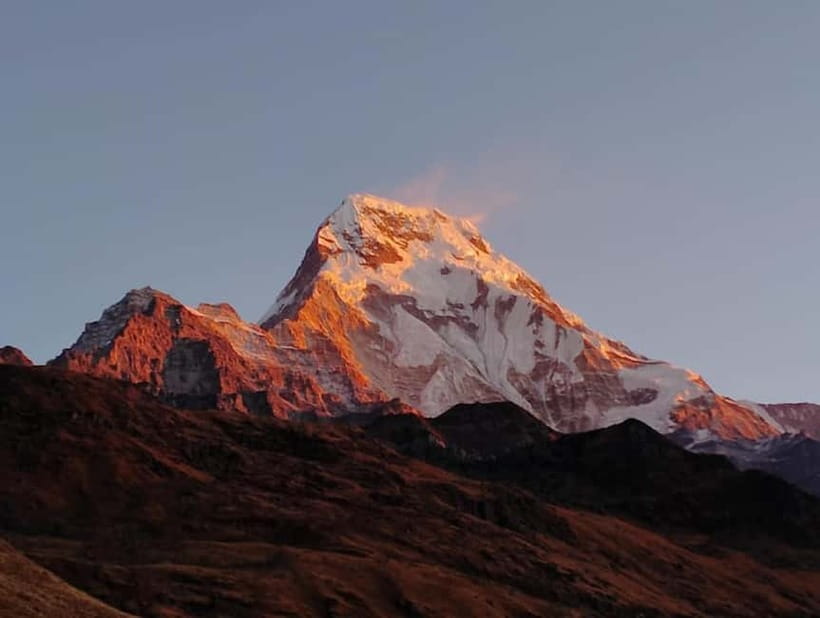
- Annapurna + Dhaulagiri panorama payoff: day-long mountain framing without needing a long trek.
- Ghorepani guesthouse rhythm: warm food, hot drinks, and simple lodging in the middle of the trek.
- Day 1 step factor: Ulleri-style stairs and steep trail sections that surprise people.
- Guides who manage the small stuff: from meal stops to walking-stick help, it’s a big comfort upgrade on a private trek.
Why Poon Hill and Ghorepani work so well in only 3 days
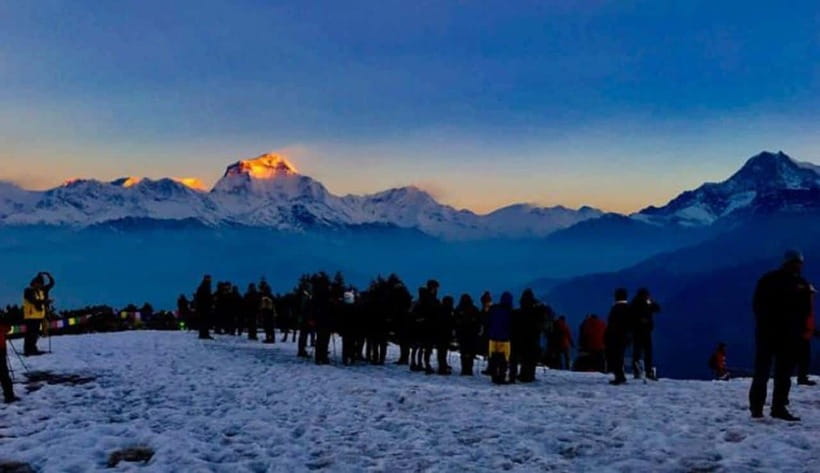
If you’ve got limited time in Nepal, this trek is built for maximum “wow” per hour. In three days you go from Pokhara’s lakeside altitude into proper mountain walking, then you earn the classic payoff at Poon Hill with early light across the peaks. You also get a day and a half of village-and-forest trekking, not just a point-to-point climb.
I like that the itinerary is compact but not rushed in spirit. Your route starts with an easy warm-up by trekking standard, then grows into the real effort on Day 1, and finishes with a sunrise mission on Day 3. That structure means you’re not constantly changing hotels or logistics, and your body can actually adapt.
The big consideration is effort. People who don’t do much hiking often assume it’ll feel easy because it’s short. It’s short, yes, but it’s still a mountain trek with stairs, uneven trails, and cold conditions.
You can also read our reviews of more tours and experiences in Pokhara.
Day 1: Pokhara to Tikhedhunga and Ulleri—where the stairs start winning
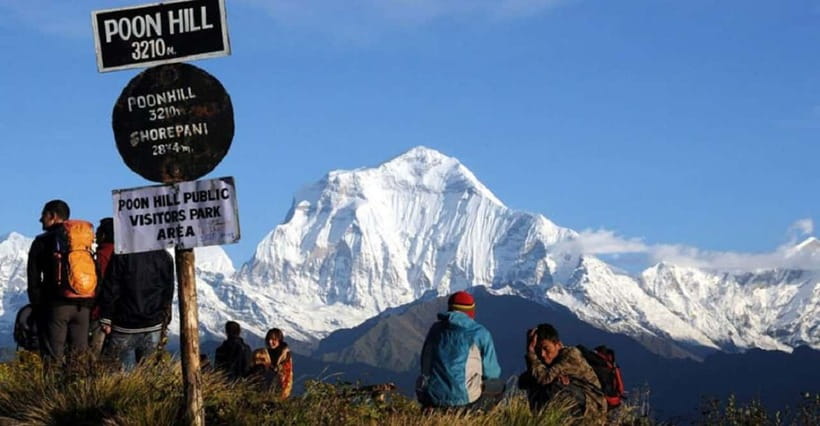
Day 1 is the “get your legs sorted” day. You’ll drive out of Pokhara toward Nayapul, then begin trekking along the route that climbs you from the lower hills up toward Ulleri. You’ll spend the morning transitioning from transport to trail, with a few photo-stop moments along the way.
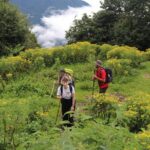
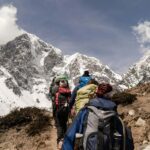
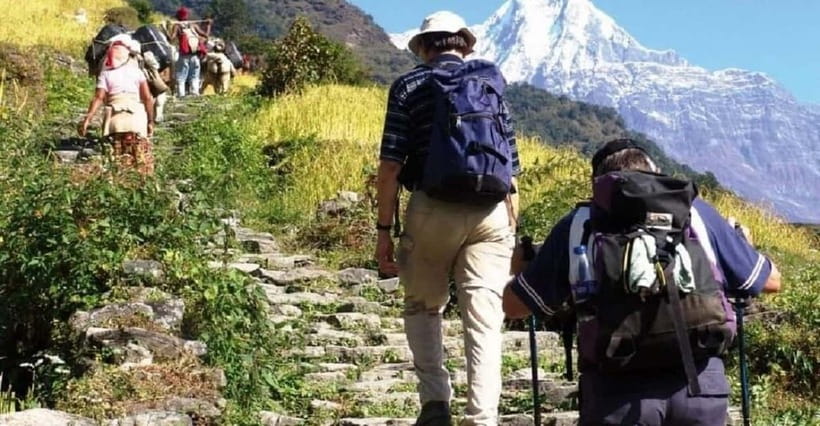
Once you hit Tikhedhunga and keep moving, the route starts asking for focus: lots of climbing and, famously, a stair-heavy feel around the Ulleri approach. Several guides in this trek family (Santosh, Chandra, Jeet, and others) are praised for keeping people moving without drama—pausing when needed, helping with tea-house choices, and keeping your energy steady.
What this day gives you is confidence. You’re not just “doing the trek,” you’re adapting to it—learning your pace early so Day 2 and the sunrise climb feel more manageable. The drawback is obvious in hindsight: if your fitness is low, plan for this to be tough. Even hikers who walk regularly can feel it here, especially if your legs aren’t used to long stair sessions.
Practical tip: use any walking stick help you’re offered. One review even mentions guides making walking sticks on the spot—small move, big difference.
Day 2: Ulleri to Ghorepani—views, rhododendron color, and a real rest day
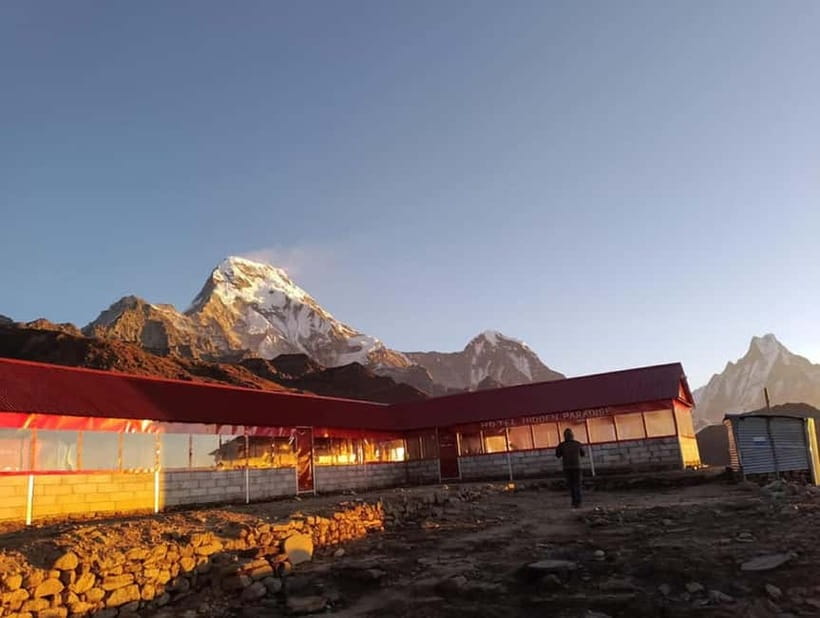
Day 2 is where the trek starts to feel more “Nepal mountain story” and less “exercise.” You climb from Ulleri up toward Ghorepani, typically taking several hours with a steady rhythm of uphill trail walking.
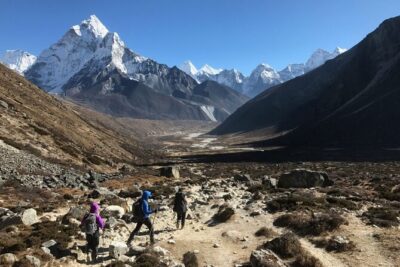
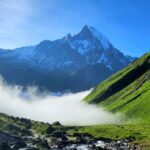
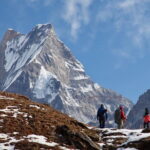
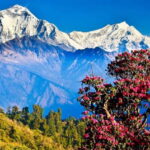
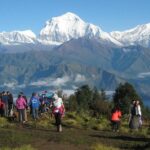
This is the day you’re in the sweet spot for scenery. The trek summary promises panoramic views of the Annapurna and Dhaulagiri ranges from this general zone, and guides tend to pace you so you can stop for photos without losing momentum. You’ll also walk through rhododendron forests when conditions and season line up—think bursts of color along the trail instead of only gray stone and dirt.
The most valuable part of Day 2 is how it sets up your sleep. Ghorepani is your base for the next morning’s early start. Reviews highlight the tea house and guesthouse rhythm: cozy warmth from simple heat sources (including cosy chimneys in at least one account), hot drinks on request, and meals that keep you fueled. A guide named Santosh is specifically credited with regularly refilling a hot water thermos, which is exactly the kind of detail that matters at mountain height.
Cold is still a theme. Even with good lodging, nights can be chilly, so pack warmth like you mean it. Day 2 is also when your guide can help adjust your plan if weather is weird, and one review mentions an itinerary tweak by Jeet so the group could reach Poon Hill with better conditions.
Day 3: The pre-dawn climb up Poon Hill—gold light and a crowded promise
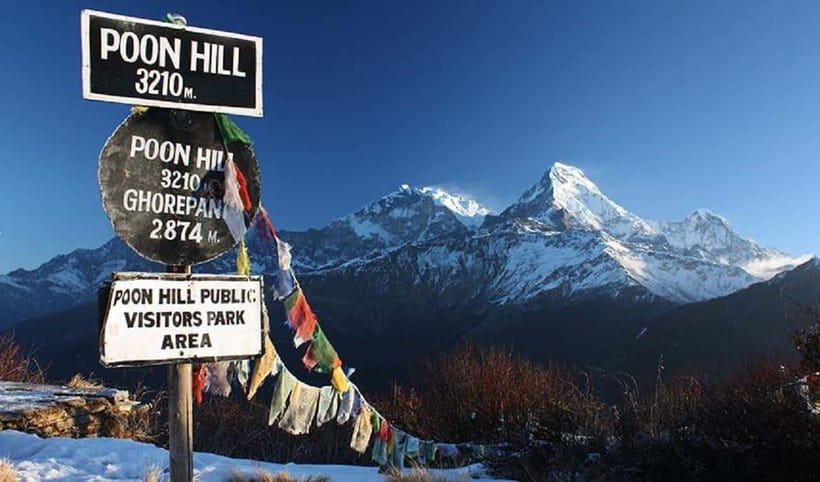
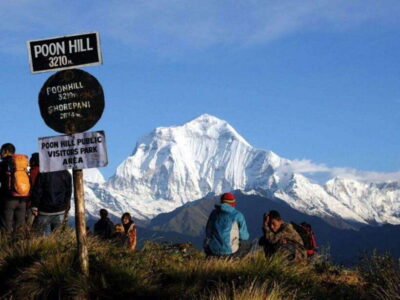
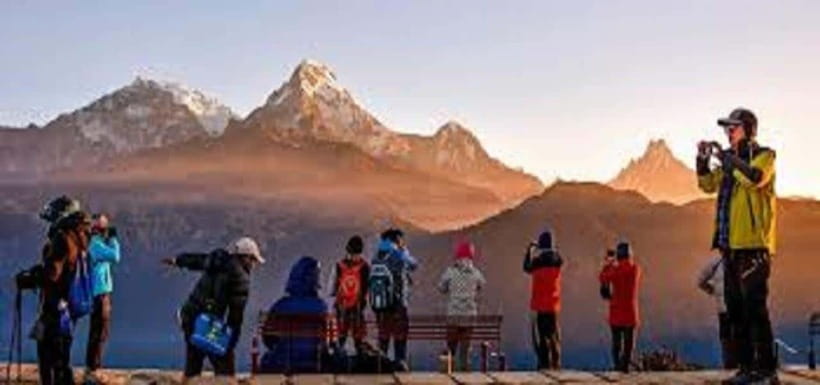
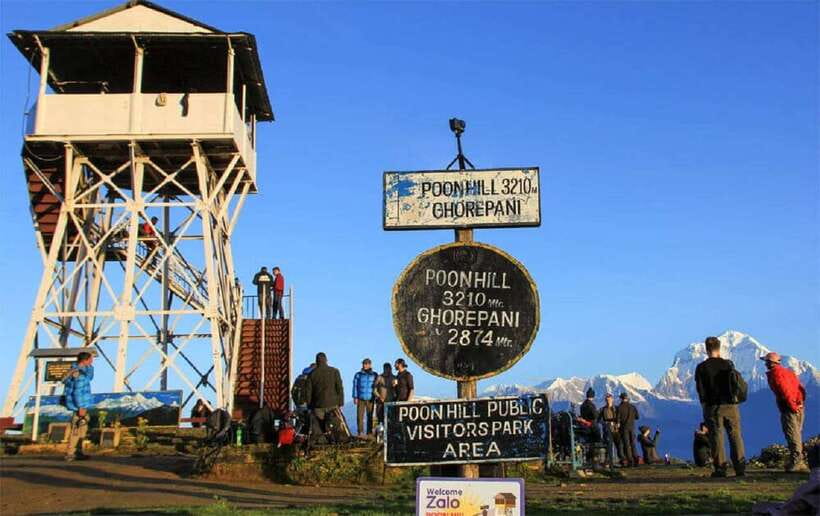
Day 3 is all about timing. You’ll start early from Ghorepani to hike up to Poon Hill (the trek’s main sunrise point). The uphill climb is short-to-moderate, but it’s deliberate work in the dark or near-dark—typical of sunrise treks.
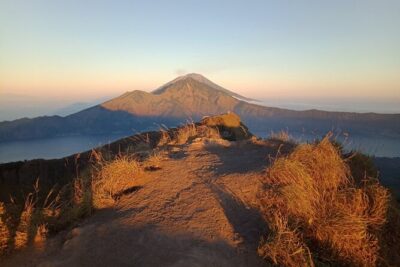
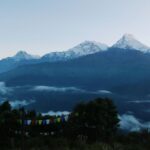
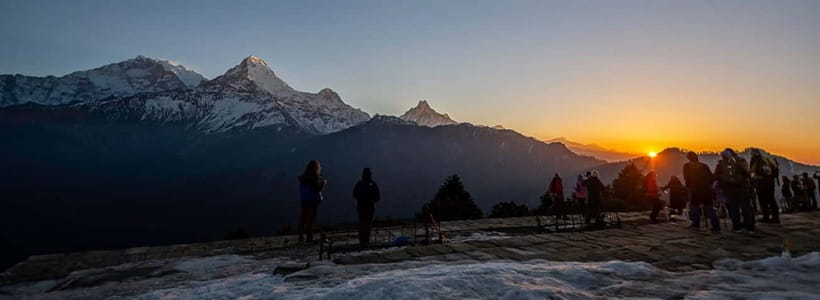
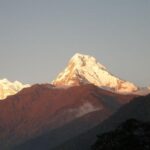
The payoff is the whole reason you booked: sunrise views across the Himalayas. Poon Hill is famous because it gives wide, layered sight lines at a height that’s reachable in a few days. On clear mornings, the peaks can look like they’re glowing from underneath. Even accounts mentioning fog or haze still treat the sunrise climb as the highlight, because you’re there for that moment when the sky opens.
After you come down, you’ll return to Ghorepani for breakfast, then finish the day with the long descent back toward Nayapul and a drive back to Pokhara. This ending is a relief—your body has already done the hard part, and the downhill motion feels like progress.
One thing to know: Poon Hill is popular, so you may share viewpoints with other hikers. The private angle still helps because your guide can keep you moving, find good tea-house timing, and manage your pace so you don’t lose the sunrise window.
Culture on the trail: Ghandruk Gurung village and tea-house Nepal
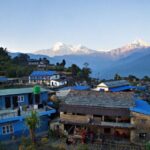
A good short trek should give you more than scenery. This one aims for cultural contact as well, especially with Gurung village life around Ghandruk. You’ll get the feeling of Nepal beyond the main city centers—family-run guesthouses, local conversation, and the simple daily flow of people who live with the mountains as neighbors.
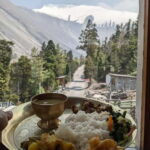
Food is part of the culture here, not an afterthought. Meals during the trek are included if you choose the meals option, and multiple reviews mention classic comfort dishes like dal bhat. The tea-house network is also where your guide’s job gets real: ordering for you, recommending breaks, and helping you stay warm and ready for the next section.
You’ll also notice the trail community. One review mentions meeting many trail dogs and liking those small moments, which is a reminder that trekking is more than a route on a map—it’s movement through a living place.
The balanced view: don’t expect luxury. Lodging is “standard” and often described as welcoming and clean, but it can be basic. Still, people praise the warmth and hospitality when it’s cold outside, and the vibe is usually friendly because everyone is sharing the same uphill grind.
Private guides: where the trek becomes easier, not just scheduled
This trek is private, which changes the feel. With a private guide, you’re not stuck in a one-size pace. Reviews repeatedly mention guides being supportive and adjusting to individual needs—whether that means slower walking, extra breaks, or swapping meal stops so everyone stays comfortable.
Some names that come up often:
- Santosh: praised for being friendly, knowledgeable, patient with steps, and making the experience stress-free.
- Jeet: credited with letting hikers go at their pace and even proposing a change to improve the chance of clear views on the Poon Hill day.
- Chandra (also spelled Candra in one review): mentioned as helpful and accommodating, keeping things smooth.
- Tanka and Laxman: described as supportive, informative, and careful with logistics like ordering and returning to Pokhara.
Beyond navigation, the best guides manage the little comfort details. One review highlights refilling hot water in a thermos. Another mentions guides making walking sticks. These small actions reduce the “tired but stuck” feeling, especially on Day 1 stairs.
If you’re the type who wants a human on your side—someone to talk to, someone to handle the tea-house coordination—this format is a strong fit. If you love hiking solo with zero structure, you may find the guidance less necessary, but the included permits, equipment support, and porter help still matter.
Price and value: what $126 really buys you here
At about $126 per person, the value comes from what’s bundled rather than what’s optional. You’re getting a guide (and porter expenses), required permits and trek fees, transportation between your Pokhara hotel and the trek start point, and support gear like trekking sticks and sleeping bags as needed. Luggage storage in Pokhara and a duffel bag are also included, which helps if you’re moving around Nepal.
You’re also buying time and reduced friction. For a short trek, logistics matter. Being picked up across the Pokhara Valley (with the instruction to wait about 10 minutes and look for a vehicle sign/logo with your name) means you don’t waste your first half-day sorting transport details.
Where the value can shift for you is meals and personal spending. Meals are included only if you choose the meals option, and personal expenses are not included. If you’re used to buying snacks and drinks at each stop anyway, you may end up spending more. But if you plan to stick to the tea-house meals your guide selects, the cost feels more predictable.
In short: $126 makes sense if you want a guided, organized 3-day taste of the Annapurna foothills without building the machine yourself.
What to pack for real trekking cold (and not just cold vibes)
Warm layers matter here. Even in seasons when the day sun feels nice, mountain nights can get cold quickly. Reviews specifically mention needing gloves and a beanie in colder months, and that guesthouses can be chilly even if they’re welcoming.
Pack basics:
- Warm clothing (layering beats one heavy item)
- Hiking shoes and hiking pants
- A waterproof bag for weather moments
- An ID/passport copy (passport is required for permits, and a copy must be submitted at least one day before)
Gear is partly handled for you. Trekking sticks and sleeping bags can be provided as needed, plus you’ll get a duffel bag and first aid kits. Still, review feedback suggests it’s smart to ask your guide early if you want trekking sticks handed out right away, so you don’t start stiff without support.
Also: travel insurance is mandatory for safety. Rescue services are available if required during the trek, but you should still have the coverage that matches trekking.
If you’re worried about cold bedding, treat the sleeping bag support as helpful but not an excuse to under-pack warm layers. Altitude surprises people fast.
Who should book this 3-day trek—and who may want more time
This trek is ideal if:
- You want the classic Poon Hill sunrise without committing to a long circuit
- You like guided pacing and a smoother experience managing tea houses and logistics
- You’re okay with stairs and want a manageable challenge in a short window
It’s less ideal if:
- You struggle with uphill stairs, especially on Day 1. One review is very direct: it can be too much for someone with low fitness, even if they hike occasionally.
- You hate cold guesthouse nights. You can bring warmth, but you can’t eliminate altitude chill.
If you’re new to trekking, consider extending your trip. A review suggests doing this hike over 4 days if you’re inexperienced, mainly to make the step-heavy sections feel less punishing.
The best mindset for this trek: treat it like a fitness test with a view award at the end. Once you accept that, you’ll enjoy it more.
Should you book this 3-Day Ghorepani and Poon Hill Private Trek?
I’d book it if you want a tight, well-guided taste of the Annapurna region with a sunrise moment you can’t manufacture on your own. The private setup with a guide and porter support makes a real difference on a stair-heavy route. And the combination of Poon Hill sunrise, Ghorepani guesthouse nights, and Gurung culture around Ghandruk gives you more than just photo stops.
Skip it (or plan longer) if stairs and cold nights scare you. This trek doesn’t hide that it’s physically demanding, just because it’s short.
If you do book, aim to train your legs a bit before you go, pack warm layers seriously, and let your guide manage the day-to-day flow. Guides like Santosh, Jeet, and Chandra have been praised for doing exactly that—turning a tough first day into something you finish feeling proud, not wrecked.
FAQ
How long is the Ghorephani and Poon Hill private trek?
It runs for 3 days.
Where does the trek start and end?
You start from the trail starting point reached from Pokhara (via Nayapul) and return to Pokhara at the end.
What’s included in the price?
Included items include round-trip transportation between your hotel and the trek starting point (and Pokhara International Airport), required permits and fees, a trekking guide, and porter expenses. It also includes private accommodation in standard lodging, first aid kits, luggage storage in Pokhara, a duffel bag, and trekking gear such as trekking sticks and sleeping bags as needed. Meals are included only if you choose the meals option.
Is this tour private?
Yes. It is a private group with a live tour guide.
What languages will the guide speak?
The guide provides live guidance in English, Hindi, and Nepali.
Do I need to submit a passport copy for permits?
Yes. You need to submit a copy of your passport at least one day before the trek so the permits can be arranged.
What should I bring?
Bring warm clothing, hiking shoes, hiking pants, a waterproof bag, and your passport or ID card (a copy is accepted). Travel insurance is also required for safety.