REVIEW · POKHARA
5 Days Mardi Himal Trek.
Book on Viator →Operated by Dadhi Ram Thapa · Bookable on Viator
Mardi Himal feels like a real hike, not a bus tour. I especially like Dadhi Ram Thapa’s experienced, English-friendly guidance and the way the trek builds to a clear sunrise viewpoint moment. One thing to consider: this is a serious altitude trek toward about 4,500 meters, and you’ll be in simple teahouse settings with meals/drinks not included.
This 5-day trek is often described as a pioneer, less-crowded style route, so you get that raw feeling of walking into the Himalayan side of Nepal. You’ll hike 5 to 6 hours per day on a mix of forest paths and higher ridges, with camp nights along the way instead of rushing day-trips back to town.
In This Review
- Key Highlights You’ll Care About
- Why This Mardi Himal Trek Works for the Views (and the Challenge)
- Day 1: Pokhara to Pothana Gets You into Trek Mode Fast
- Day 2: Forest Camp Brings the Bird-and-River Walk
- Day 3: Mardi High Camp for Glacier and Ridge Views
- Day 4: Sunrise Viewpoint Day, Then the Trek to Siddhing
- Day 5: Lumre, a Hanging Bridge, and Back to Pokhara
- Price and Logistics: Is $500 Good Value Here?
- What 5 Days Feels Like: Time, Fitness, and Altitude Reality
- Teahouses, Food Budget, and What to Expect in Day-to-Day Comfort
- Guide Quality: Why Dadhi Ram Thapa Matters on a Trek Like This
- Who This 5-Day Mardi Himal Trek Is Best For
- Should You Book Mardi Himal for Your Next Nepal Trek?
- FAQ
- How long is the Mardi Himal trek?
- Where does the trek start and what time does it begin?
- Is this a private group experience?
- What’s included in the price?
- Are meals included?
- What fitness level do I need?
- Can I cancel and get a refund?
Key Highlights You’ll Care About
- English-speaking guide who adapts your route so the day feels right for your group
- Forest-to-ridge hiking with different views depending on whether you’re down in the trees or up on the hills
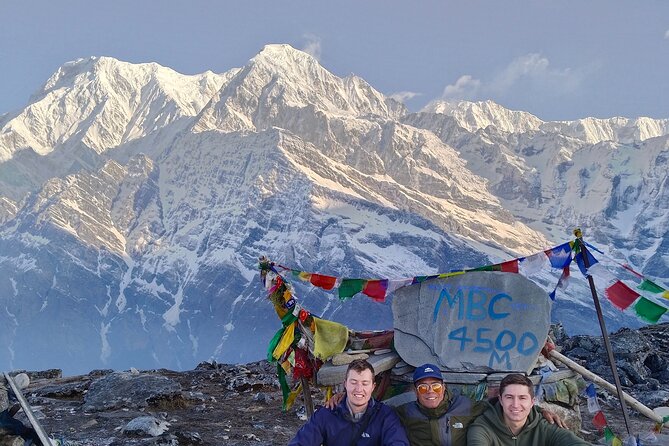
- Sunrise at the viewpoint on Day 4, followed by breakfast and continued hiking
- Teahouse accommodation every night so you’re not planning lodging on your own
- Meals/drinks budgeting since food is available for purchase (about $30 per person per day)
- Hotel pickup and drop-off in Pokhara with a group-based private experience
Why This Mardi Himal Trek Works for the Views (and the Challenge)
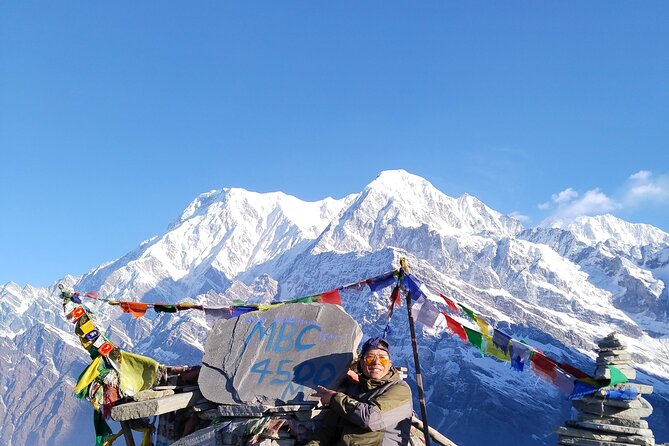
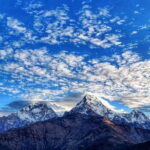
Mardi Himal is popular because it gives you the classic Himalayan payoff—big mountain views—without turning the whole trip into a crowded spectacle. The route is described as pioneering and a bit of a virgin-style experience so far, which usually means more quiet walking and more time noticing the trail details.
You’re targeting an altitude climb toward roughly 4,500 meters. That’s the part that shapes everything: your pace, your breathing, and how you plan your rest. The good news is the trip is set up as steady hiking days (not one or two all-day slogs). You’ll typically work for 5 to 6 hours, stop for meals when the plan says, and sleep at teahouses so you’re not scrambling for logistics.
The other reality: because it’s teahouse-based, comfort is basic. If you want luxury, this is not that. If you want a clean, well-supported trek with a guide who can keep you moving and informed, it’s a strong fit.
You can also read our reviews of more tours and experiences in Pokhara.
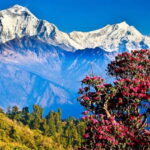
Day 1: Pokhara to Pothana Gets You into Trek Mode Fast
Your day starts with pickup in the Pokhara area, with the trip beginning at 8:30 am. From there, you travel by private transport toward the trailhead area, then begin the hike to Pothana.
Why Day 1 matters: it’s your ramp-up. You’re looking at about 5 hours of hiking and a gentle transition from city life to mountain life. It’s long enough to feel like a trek, but structured enough that you don’t burn yourself out before the real altitude work begins.
What you’ll likely enjoy here is the gradual change in scenery—smaller settlements turning into trail walking, and the sense that you’re moving away from roads for good. It’s also a good day to get your rhythm with your guide: how they adjust pace, where they stop, and what they’ll explain about the area as you go.
Day 2: Forest Camp Brings the Bird-and-River Walk
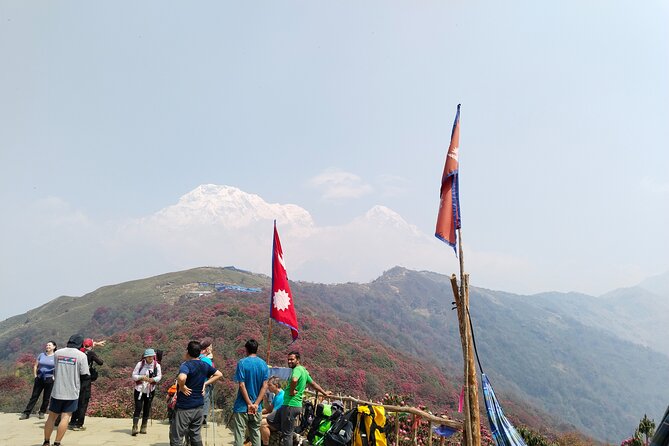
After breakfast, you start hiking toward Forest Camp. Expect around 5 hours of walking. This is the day where the trek leans hard into the experience of being on foot: forest paths, chances to spot birds, and a lot of that steady “watch your step, enjoy your surroundings” energy.
This is also where the trek feels especially good if you like an active, sensory hike. The route description includes river views and mountain views along the way, and in practice that often means you’re getting different views as the trail changes height. You’ll also be walking between trees, so even when the mountain air feels chilly, the forest can make the trek feel more sheltered.
One extra note from a monsoon-season perspective: trekking on the Mardi Himal route in monsoon is described as possible, and many people love the foggy forest atmosphere it creates. If you’re going in that season, plan for damp trails and lower visibility. That doesn’t cancel the trek—it changes the feel. Think more “mysterious forest walk” than crisp, camera-perfect ridgelines.
Day 3: Mardi High Camp for Glacier and Ridge Views
Day 3 is where the hike starts to feel more dramatic. After breakfast, you trek to Mardi High Camp, about 6 hours.
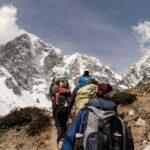
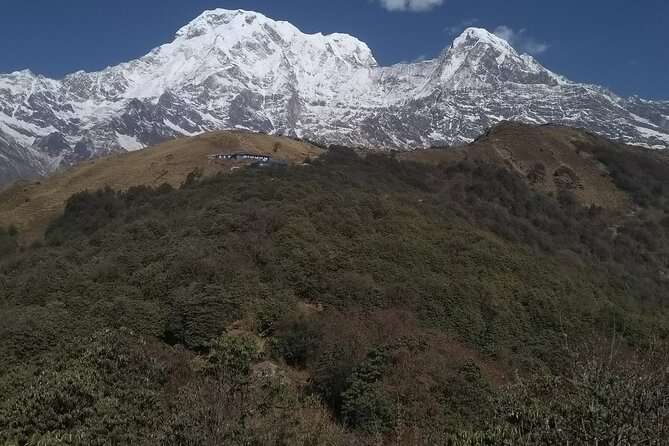
The route is described in a neat two-part way: roughly half of the walking is through forest, then the trail shifts to hill walking. That mix matters because it changes what you see and how your muscles feel. In the forest sections, you get shaded, cooler footing. Once you move into the hills, you’re more exposed to the mountain air and the wider views.
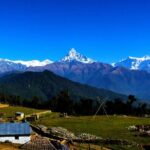
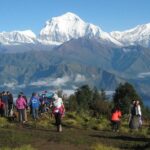
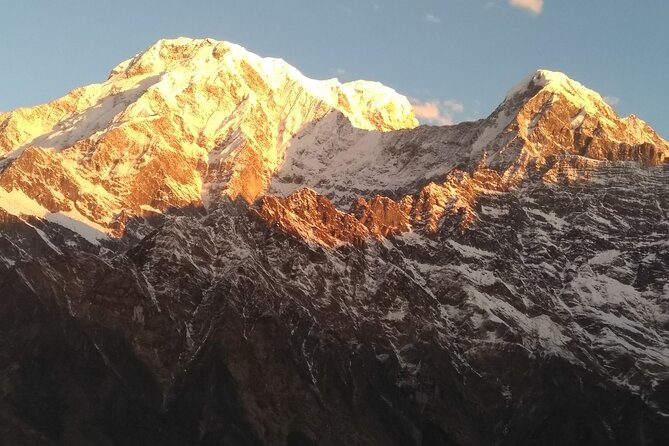
This is also one of the key view days. You’re set up to see both sides of the terrain—mountain views, valley glimpses, river sights, and even glacier views. If you like getting your payoff after effort, this is the day. You’re not just passing through; you’re earning the bigger panoramas.
And because it’s a teahouse night, you’ll have time to slow down, warm up, and talk with your guide. One of the most praised parts of the experience is that Dadhi is flexible and can answer questions along the way, which is a big deal on a route where you’ll naturally wonder what you’re looking at.
Day 4: Sunrise Viewpoint Day, Then the Trek to Siddhing
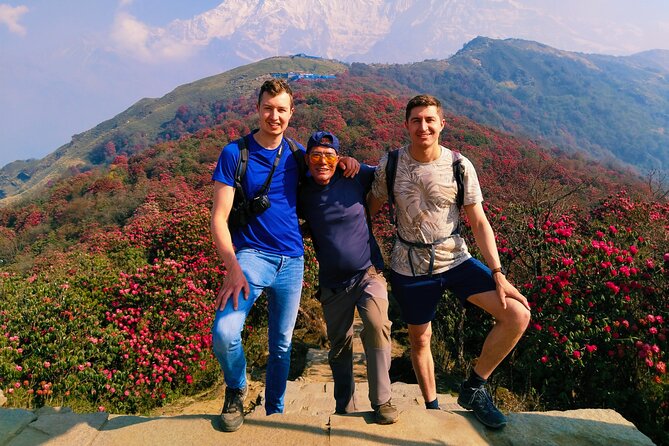
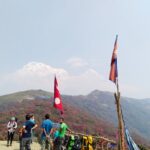
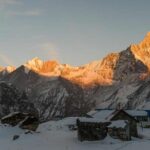
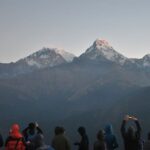
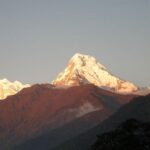
Day 4 starts early with a push to the viewpoint for sunrise and mountain views. Then you head back to your teahouse, eat breakfast, and continue hiking to Siddhing. The full hiking time is around 6 hours.
This is one of the easiest days to understand because the structure is clear:
- early morning effort for sunrise views
- breakfast back at the teahouse
- continued trek to the next stop
Why sunrise day is so valuable: it’s not just about seeing mountains. It’s about timing. Morning light tends to bring the most contrast and definition to ridgelines, and it can make your earlier “where am I in relation to that peak?” questions click in a hurry. It also helps you reset your energy before the afternoon hike.
The rest of Day 4 is about continuing the climb-and-descend rhythm toward Siddhing. Expect more terrain variation since you’re moving between view moments and walking hours. If you’re the kind of traveler who likes a plan you can follow—without guessing your own timing—this day fits that style.
Day 5: Lumre, a Hanging Bridge, and Back to Pokhara
Your final day keeps things satisfying and social in a local way. You’ll have breakfast, then trek to Lumre for lunch. The route includes walking through rural villages and crossing a hanging bridge, which is usually one of those “tiny moment, big memory” parts of a trek.
After lunch in Lumre, you drive back to Pokhara, ending the trip.
This day is about transition: you go from mountain path and teahouse routine to village life and the reality of being back on the road. The hanging bridge moment also serves as a nice reset after the more altitude-focused days—it’s a change in scenery and terrain that keeps the last hiking hours from feeling like a repeat of the previous days.
Price and Logistics: Is $500 Good Value Here?
At $500 per person for 5 days, the big question is what you’re paying for—and what you still need to cover yourself.
From the included items, the value is pretty clear:
- trekking permits (including TIMS/permit coverage)
- teahouse accommodation
- an English-speaking trekking guide
- necessary transportation plus hotel pickup and drop-off
- group-based private experience
This matters because permits and logistics can easily get messy if you try to DIY, especially when you’re focused on hiking and altitude and not turning into your own travel agent.
What’s not included is also important:
- all meals and drinks, available for purchase (about $30 per day per person)
- tips (optional)
So to judge the real cost, you should think in terms of the trek + lodging + guide + permits being covered, while your daily food budget is on you. If you’re comfortable with that and you like the idea of choosing how you spend on meals during the trip, the $500 feels fair. If you want full-board included pricing and predictable totals with no surprises, you’ll need to plan your meal spending from the start.
Also, the trek includes a mobile ticket and group discounts, plus it’s private in the sense that only your group participates. That usually helps the experience feel controlled and personal rather than like you’re drifting with strangers.
What 5 Days Feels Like: Time, Fitness, and Altitude Reality
The hike is typically 5 to 6 hours per day, with early starts and consistent trekking days rather than a lot of layover time. That means your biggest job is pacing: don’t go out fast just because the weather looks great.
The tour is aimed at travelers with moderate physical fitness. In practice, that means you should be comfortable walking for hours at a time, with some uphill sections. At around 4,500 meters, the altitude affects everyone differently, so the guide’s pacing and your own listening to your body matters. If you push too hard early, the rest of the trek becomes harder than it needs to be.
Here’s the other helpful truth: the route design includes forest sections, hill sections, and view-heavy moments. Those shifts are not just scenic—they give you natural pauses where you feel the altitude and trail differently. It’s one reason this trek can work well for first-time higher-altitude hikers when you go steadily and don’t treat it like a race.
Teahouses, Food Budget, and What to Expect in Day-to-Day Comfort
You’ll stay in teahouses, which are the standard mountain lodging style for routes like this. Teahouse accommodation is included, so you’re not paying for nights separately.
But teahouses are still basic. Don’t plan on hotel-grade comfort. Plan on warm layers, simple rooms, and a focus on rest rather than luxury.
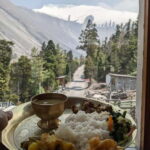
Food is not included, but it is available for purchase (about $30 per day per person). This is actually useful for many people: you can choose what feels right on the day—something light on a hard walking day, or a bit more when you’re coming down in energy.
If you’re traveling during monsoon season, plan around damp conditions. One review-style perspective highlights how doable monsoon trekking can be and how the foggy forest walk can be part of the charm. That’s the right way to think about it: conditions may hide the view, but they can also give you a different kind of experience—especially among the trees and with wildlife sightings.
Guide Quality: Why Dadhi Ram Thapa Matters on a Trek Like This
This kind of trek is more than steps. It’s interpretation. You’re walking through changing ecosystems and altitude bands, and you’ll constantly wonder what you’re seeing: which direction you’re facing, what’s special about a section of trail, and how far the next camp really is.
That’s where Dadhi Ram Thapa’s role shines. One of the most praised parts of the experience is that he’s experienced, flexible, and able to answer questions during the trek. Flexibility matters because trekkers don’t always move at the exact same speed, and weather can change what’s smart.
If you like a guide who can adjust based on your group’s preferences (rather than sticking rigidly to a script), you’ll probably feel more comfortable and confident as the days stack up.
Who This 5-Day Mardi Himal Trek Is Best For
This trek fits you best if:
- you want a classic Himalayan trek rhythm with teahouse nights
- you’re aiming for a route toward about 4,500 meters
- you enjoy forest walking and want big views without extreme multi-week logistics
- you value an English-speaking guide who can explain what you’re seeing
- you’re okay with meals/drinks being purchased separately (budget it as you plan)
It may not be the best match if you want fully included meals, high-end comfort, or very short hiking days. The walking time is steady, and the altitude is the main challenge.
Should You Book Mardi Himal for Your Next Nepal Trek?
If you’re looking for a well-run trek that trades luxury for real trail time, this is a solid choice. The strongest reasons to book are the combination of experienced guide support, steady multi-day pacing, sunrise-focused motivation, and the included permits and teahouse lodging that keep the trip stress low.
If you like to travel with a plan but still want flexibility, you’ll probably appreciate the way Dadhi can adjust according to preferences. And if you’re the type who enjoys foggy forest atmosphere as much as clean mountain panoramas, Mardi Himal can deliver in different seasons.
You should think twice if altitude scares you or if you need every meal fully prepaid and pre-decided. Otherwise, this is the kind of trek that makes the hiking feel meaningful, day after day.
FAQ
How long is the Mardi Himal trek?
The experience is listed as 5 days (approx.).
Where does the trek start and what time does it begin?
It starts in Pokhara, with hotel pickup and a start time of 8:30 am.
Is this a private group experience?
Yes. It’s described as private, so only your group participates.
What’s included in the price?
The price includes TIMS and permits, teahouse accommodation, an English-speaking trekking guide, necessary transportation, and hotel pickup and drop-off.
Are meals included?
No. All meals and drinks are not included. They are available for purchase at approximately $30 per day per person.
What fitness level do I need?
The trek is recommended for travelers with moderate physical fitness.
Can I cancel and get a refund?
Yes. You can cancel for free up to 24 hours in advance for a full refund. If you cancel less than 24 hours before the start time, the amount you paid is not refunded.