REVIEW · POKHARA
Pokhara: 4-Day Mardi Himal Trek
Book on GetYourGuide →Operated by MTA Trekking Pvt. Ltd. · Bookable on GetYourGuide
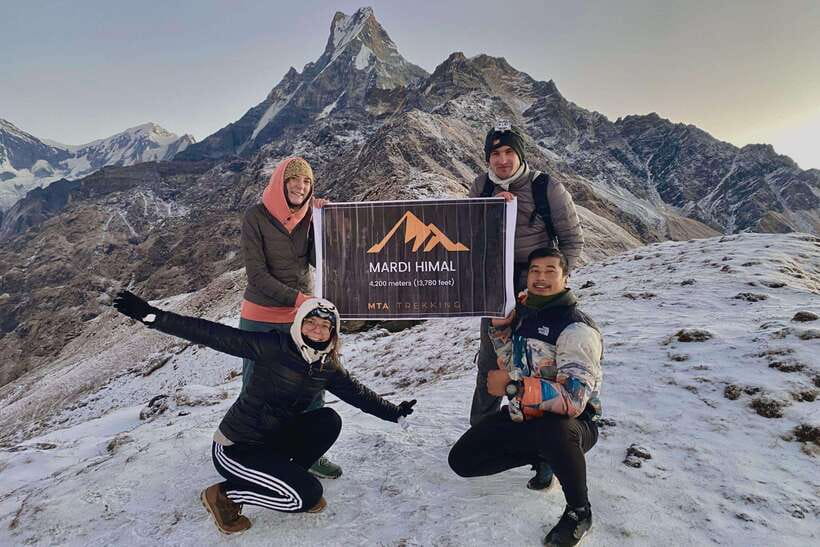
If you want a trek where the mountains feel close and the walking feels endlessly rewarding, Mardi Himal is a great pick. This 4-day route from Pokhara takes you through terraced fields, traditional villages, and thick forest, then pushes you up to the Mardi Himal Viewpoint around 4,200m for sunrise over Machhapuchhre (Fishtail) and the Annapurna range.
I really like the mix of scenery at this altitude jump. One day you’re in quieter hillside forests with birds and butterflies; the next, you’re dealing with the classic step-count grind toward higher camps. I also like the human side: the Gurung and Magar hospitality comes through in tea houses, and guides like Ramit, Lalit, and Kaji are the kind of people who check your pace and comfort, not just the stopwatch.
A key consideration: even though this trek is described as moderate, it still involves high steps and real altitude. If you go in winter or the monsoon season, sections above the viewpoint can get steep, slippery, and lack safety infrastructure—so you’ll need flexible expectations, especially about reaching Base Camp.
In This Review
- What makes this Mardi Himal trek worth your time
- Mardi Himal from Pokhara: why the route feels so satisfying
- Altitude, effort, and what moderate really means
- Day 1: Pokhara drive to Kande, then Forest Camp at ~2,600m
- Day 2: Forest Camp to High Camp (~3,550m) through jungle and wildlife
- Day 3: 4:00am sunrise push near ~4,200m, with an optional Base Camp add-on
- Optional detour: Mardi Himal Base Camp (~4,500m)
- Day 4: Forest Camp down through Low Camp to Kalimati, then jeep back to Pokhara
- Price and value: what you pay for at about $139 per person
- What the price typically covers
- What you should budget for separately
- Tea houses, guides, and the role of good pacing
- What to pack for Mardi Himal (and what to do about cold mornings)
- Who should do this trek (and who should skip it)
- Should you book this 4-day Mardi Himal trek?
- FAQ
- How long is the Mardi Himal trek?
- Where does the trek start and how do you get there?
- What’s the highest altitude on this route?
- What’s the trekking difficulty like?
- What time do you start the first day?
- What’s included in the price?
- Are meals included?
- Do I need travel and rescue insurance?
- What should I bring for cold and sun at altitude?
What makes this Mardi Himal trek worth your time
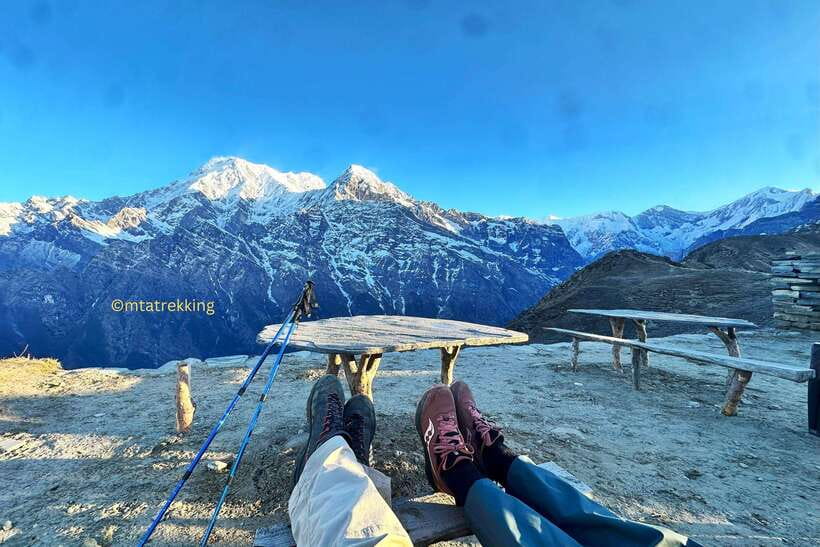
- Viewpoint sunrise at ~4,200m: you’re aiming for a front-row show of Machhapuchhre and the Annapurnas.
- Forest-to-camp variety: dense jungle, hillside villages, and alpine views in just a few days.
- Guides who manage your day: people like Prabit, Shishir, and Gobinda focus on pacing, photos, and comfort.
- Optional Mardi Himal Base Camp: if weather permits, you can add extra altitude near ~4,500m.
- Tea house nights with cozy stops: warm hospitality in High Camp and Low Camp-style places after long hiking hours.
- Less-crowded feel by design: you get the “keep walking, keep looking” vibe more than a road-trip crowd.
Mardi Himal from Pokhara: why the route feels so satisfying
Pokhara is your staging point, and it matters. You start from a place that’s easy to reach, then you head into the Annapurna region’s quieter mid-hills. The trek slowly gains altitude instead of immediately punishing you, which helps your body settle into the rhythm.
What I like about Mardi Himal specifically is that it doesn’t feel like one big dramatic stunt. You climb through forests and terraces, meet local life in hillside villages, and gradually expand your mountain views. Then, near the top, the mountains stop being background and become the main event.
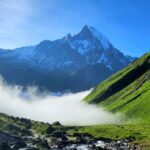
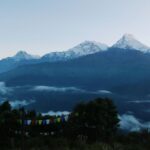
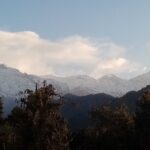
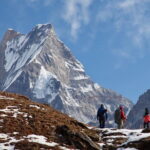
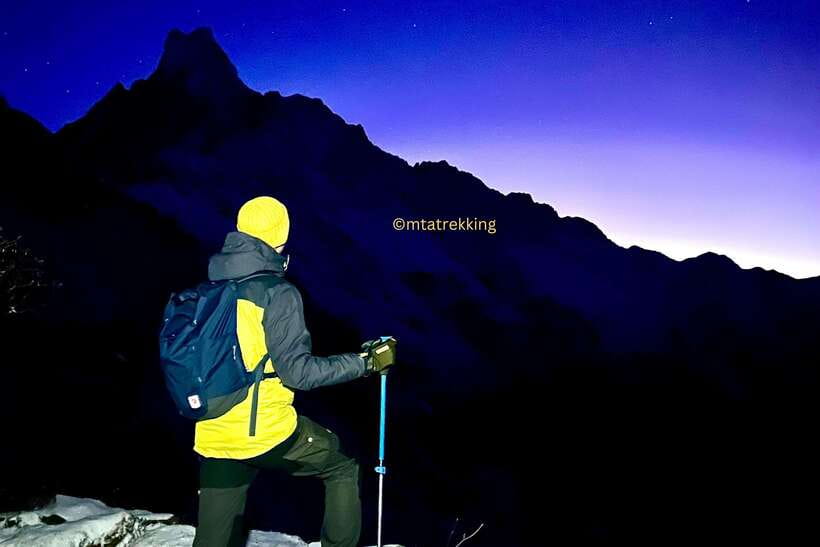
And yes, the famous “Fishtail” moment is the payoff. Machhapuchhre’s distinct shape is a magnet, and the sunrise target is a big reason this trek stays popular. If weather is clear, it’s the kind of view that makes the early wake-up feel worth it.
You can also read our reviews of more tours and experiences in Pokhara.
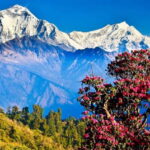
Altitude, effort, and what moderate really means
Let’s talk numbers so you can judge the effort honestly. The trek hits a key high point at about 4,200m (Mardi Himal Viewpoint). There’s also the option to go up to ~4,500m at Mardi Himal Base Camp, depending on snow and weather.
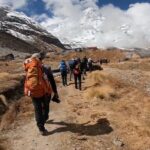
Moderate here doesn’t mean easy. You’re moving through forest stages, then you’re climbing higher on trails that can include long step sections. One review described it as not technical, but still endless steps. That matches what you should plan for: steady walking, not technical climbing.
You should take altitude seriously even if you’re fit. This trek includes early mornings, higher camps, and cold at elevation. Guides on this route are clearly set up to manage pace and check how you feel—people mentioned help adjusting progress when altitude symptoms came up—but you should still build in common sense:
- move slower than you think you need to
- drink water regularly
- don’t treat the final day like a race
Also, it’s not suitable for pregnant women, people with altitude sickness, and anyone over 70, according to the activity rules.
Day 1: Pokhara drive to Kande, then Forest Camp at ~2,600m
Day 1 starts with transport, not trekking. You leave Pokhara around 8:00am and drive about 1.5 hours to Kande. That drive is part of the experience. You pass lush fields, dense forest edges, and the Seti River corridor, plus open views of mountains.
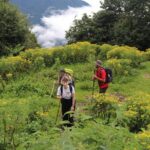
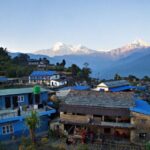
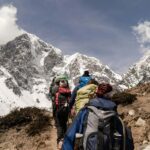
Then you transition into hiking. The walking time is about 5 hours from Kande to Forest Camp (~2,600m). This is where the trek’s “Nepal in miniature” vibe shows up: terraced slopes, village life, and thick green forest. If you’re the type who likes to look at details—birds, butterflies, small valley changes—this is the day to do it.
The upside of this start is gradual altitude gain and plenty of chances to settle. The tradeoff is that you’ll likely feel pleasantly tired rather than wiped out. In other words, it’s a good setup for Day 2.
A practical note: tea house stops and midday breaks can make the day feel smoother. If you’re doing the trek without included meals (Standard package), you’ll want to plan on paying for food during these stops.
Day 2: Forest Camp to High Camp (~3,550m) through jungle and wildlife
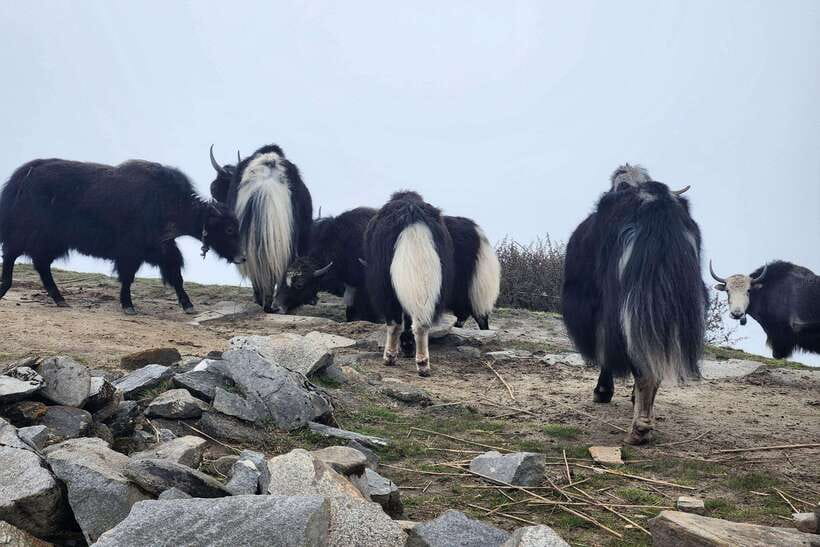
On Day 2 you’re up to Forest Camp → High Camp (~3,550m), with roughly 5 hours of hiking. The landscape shifts from “forest access” into deeper, more enclosed vegetation. This is the part where fog can roll in from time to time, and rhododendron forests may show up depending on season.
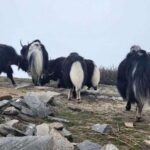
Wildlife spotting becomes more realistic at this elevation band—think birds and butterflies—and you may even catch a glimpse of animals like Himalayan thar if conditions are right. Don’t chase sightings. Just keep walking safely and enjoy what appears.
This is also the day where your legs start to understand the trail. Higher up, the steps add up. You’ll feel the climb more than on Day 1, but it stays non-technical. The goal is to keep moving steadily and give yourself enough rest breaks to stay comfortable.
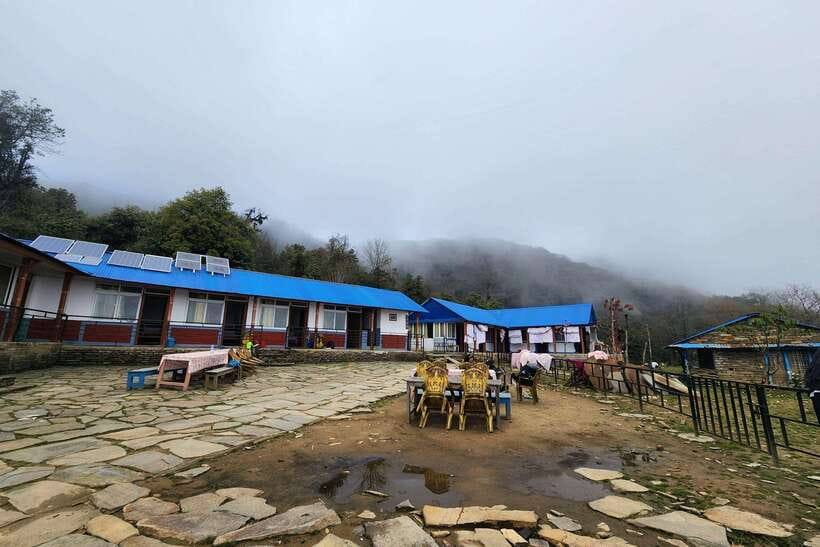
Night 2 is at High Camp. Expect simple tea house accommodation and basic amenities. One thing you’ll want to accept: at higher camps, conditions are more “mountain practical” than “hotel comfortable.” Network and hot showers may be limited, so keep your expectations aligned with the environment.
Day 3: 4:00am sunrise push near ~4,200m, with an optional Base Camp add-on
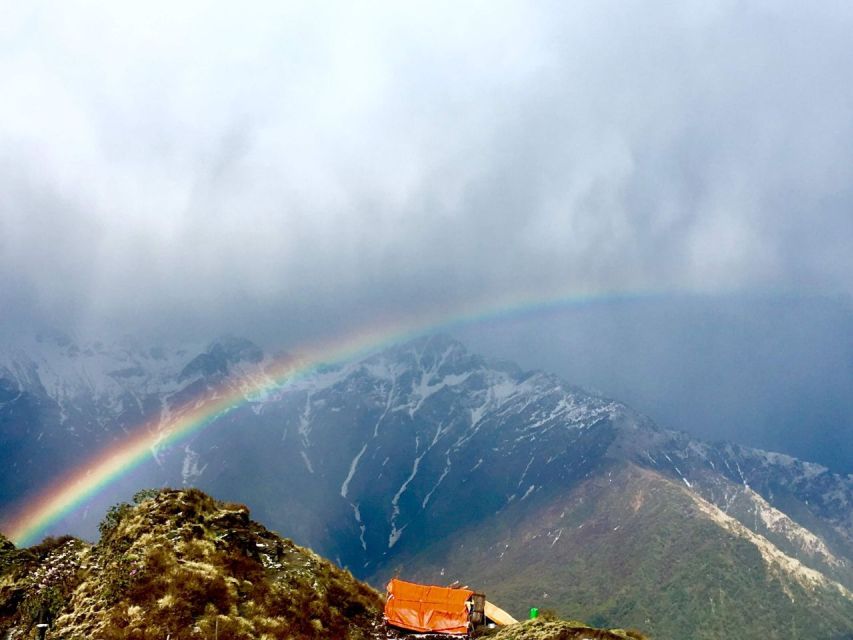
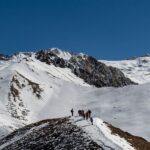
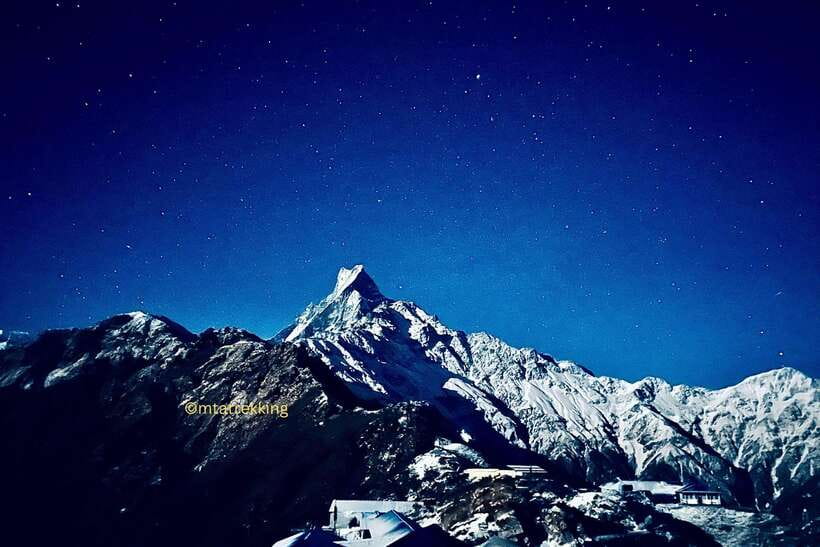
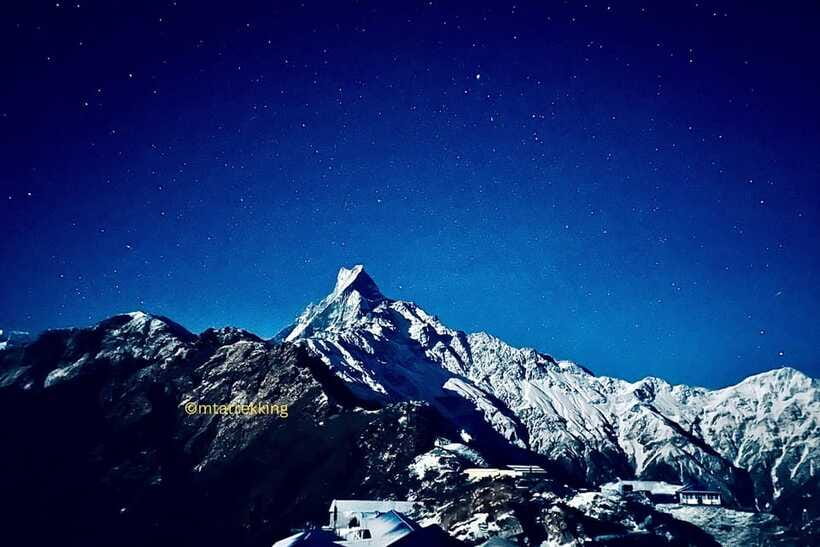
Day 3 begins early—around 4:00am—because sunrise doesn’t care about your sleep schedule. You hike about 1.5 to 2 hours from High Camp toward the sunrise viewpoint near ~4,300m / ~4,200m. The names and exact elevation can vary slightly depending on the trail and conditions, but the plan is consistent: climb for light, then settle into a long-looking view.
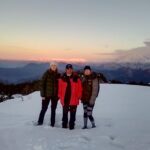
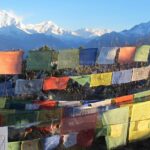
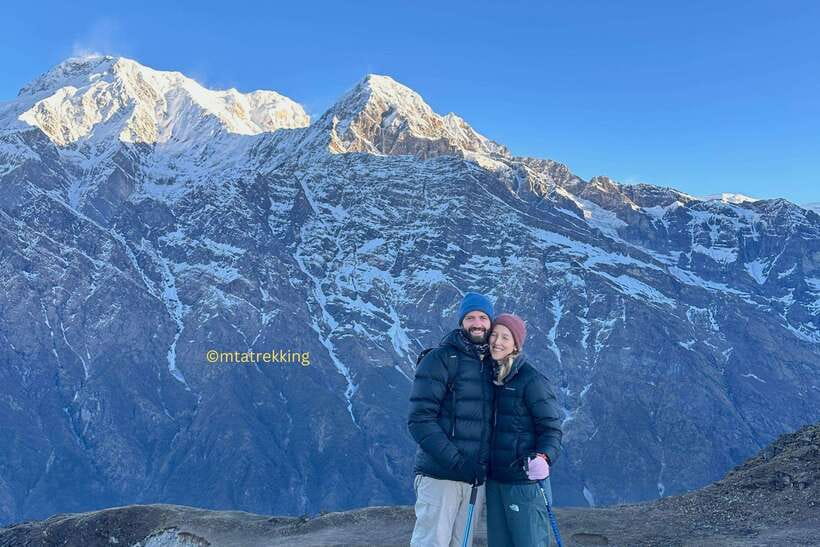
This is the big moment. If the weather cooperates, you’ll see sunrise over Machhapuchhre (Fishtail) and the Annapurna range, with Mardi Himal also in the mix. Multiple guides on this trek are described as supportive with pacing and photos—so if you’re worried about how to manage camera timing in cold dark conditions, a good guide solves that with simple logistics.
Then you go back down. After breakfast, the route descends to Forest Camp for the night.
Optional detour: Mardi Himal Base Camp (~4,500m)
If conditions allow, you can continue onward to Mardi Himal Base Camp (~4,500m). The trek operator notes that winter snow can make this section harder and advises crampons and caution. So you should treat Base Camp as a bonus, not an entitlement.
If you do add it, plan for extra cold and extra altitude stress. The upside is obvious: higher vantage points and that sense of being deeper in the mountain landscape. The downside is you may shorten how much you enjoy the sunrise window if you’re too focused on making it back.
As a general strategy: if the sky is clear and you’re feeling good, ask your guide what’s safe and smart today.
Day 4: Forest Camp down through Low Camp to Kalimati, then jeep back to Pokhara
Day 4 is a descent day, and it’s not just about getting lower. It’s about finishing with a calm, scenic walk where your eyes can breathe again.
You’ll start with breakfast around Low Camp (~1,800m), then descend toward Kalimati (roughly ~1,650–1,800m). The itinerary style here suggests breaks and a steady downhill rhythm rather than a long nonstop slide.
The trail details matter: birds, forest paths, gentle waterfalls, and small bridges show up on this section. And Machhapuchhre tends to stay in view as a kind of moving guardian, especially if the clouds keep thinning.
You’ll end with a jeep/SUV ride from Kalimati back to Pokhara, usually 1.5 to 2 hours. It’s a nice reset after trekking—hot shower time, meal time, and a chance to process what you saw in the morning light.
Price and value: what you pay for at about $139 per person
At around $139 per person for 4 days, this trek can be good value—mostly because of what’s included and what’s not.
What the price typically covers
You’re covered for:
- hotel pick-up and drop-off in Pokhara
- a licensed, English-speaking guide (English and Hindi supported)
- trekking permits and TIMS paperwork fees
- required paperwork handling
- tea house or accommodation for the Standard package
- private accommodation during the trek (solo travelers may share in peak season)
- trekking gear support like trekking poles and sleeping bag
- meals only if you choose the Full package (Standard package does not include meals)
- transportation during the trek (including the drive/jeep legs)
- staff expenses (guides/porters, insurance, salaries, and equipment costs)
That adds up. Many cheap-sounding trekking prices fall apart once you add permits, guide time, and transport. Here, the structure is clearer.
What you should budget for separately
Not included:
- soft and hard drinks
- travel and rescue insurance
- personal expenses (toiletries, laundry, phone, boiled water)
- porter costs at $20 per day
Even if meals are included in a Full package, you’ll still want spending cash for extras at tea houses. One important tip from real trekking experience on this route: avoid relying on card payments at higher elevations. Bring cash and ask your guide how tea house food billing works each night.
Tea houses, guides, and the role of good pacing
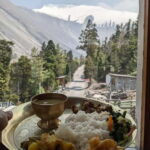
Tea houses are part of what you buy when you do this trek. They’re not a luxury add-on; they’re your energy station. Cozy rooms, hot drinks, and simple meals help you survive the next climb.
Food highlights from people who’ve done the route include ginger-lemon-honey tea and chai stops on the way. You’ll also notice that guides often steer you toward practical choices. One guide suggested avoiding junk and frozen food high up and choosing fresher options like veggies and rice. Another tip: in higher zones, avoid heavy meat choices if it upsets your stomach.
The biggest consistency across guides: pacing and checking in. Names that came up include Ramit, Lalit, Kaji, Prabit, Shishir, Santosh, Binod, Jeevan, Jiban, Gobinda, and others. Even when weather or altitude issues changed the plan, the common theme was the same—support you while keeping safety first.
If you’re new to trekking, that matters. The trail has steps and cold mornings, but you don’t have to do it alone in your head.
What to pack for Mardi Himal (and what to do about cold mornings)
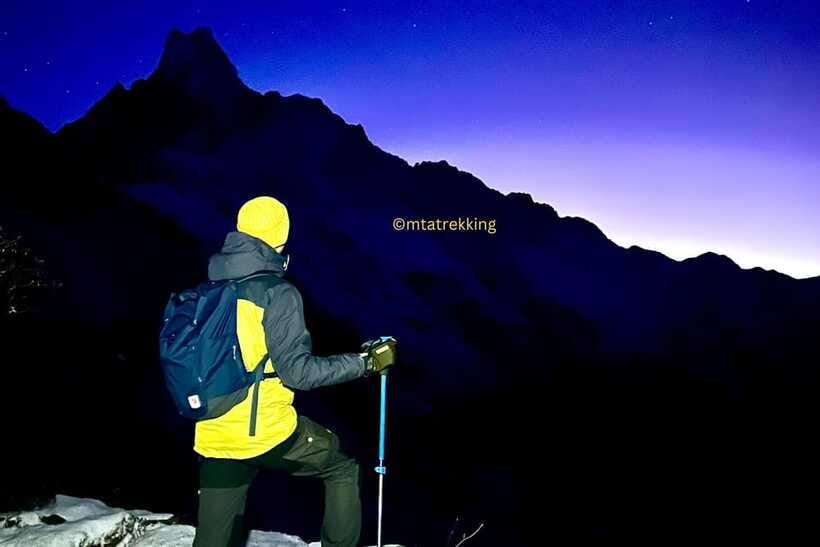
The route gives you trekking poles and a sleeping bag, but you still need your own comfort kit. Bring:
- warm clothing
- sunglasses
- sun hat
- sunscreen
- flashlight
If you sleep cold easily, pack more layers than you think you need. Sunrise mornings at altitude feel sharp.
Also, consider bringing altitude common-sense tools. One trekking experience tip here: some first-timers carry altitude tablets and basic first aid as backup. Your guide will manage the trek pace, but having your own comfort plan reduces stress.
One more practical thing: in higher camps, hygiene can be basic. Even if you have a sleeping bag, a small liner or extra clean sleeping layer can help you feel better during tea house nights.
Who should do this trek (and who should skip it)
This trek is a strong match if you:
- want sunrise views in the Annapurna region without technical climbing
- can handle steady uphill walking and long step sections
- enjoy forests, villages, and slow scenery changes
- like a private-group feel with an English/Hindi speaking guide
- want a trek that can include a Base Camp bonus when conditions are right
You should think twice if:
- you’ve had altitude sickness before (the rules explicitly flag this)
- you’re pregnant
- you’re over 70
- you’re planning for winter or monsoon conditions without flexibility (snow and slippery trails above the viewpoint can affect whether you go higher)
Should you book this 4-day Mardi Himal trek?
If your priority is Fishtail sunrise plus a forest-to-altitude storyline in a tight 4-day window, I’d book it—especially if you want a private guide who manages pace and keeps plans realistic when weather shifts.
Do it when you can be flexible. Spring (March to May) and autumn (September to November) are the best times for stable weather and clearer mountain views. If you travel in winter or monsoon, you should accept that snow, cloud, and trail conditions can reduce or reroute the higher options.
For the best value, confirm which package you’re choosing so you’re not surprised about meals. And bring cash for tea houses, warm layers for pre-dawn cold, and a calm mindset for the step-heavy climb.
FAQ
How long is the Mardi Himal trek?
It’s scheduled for 4 days.
Where does the trek start and how do you get there?
The trek starts from Pokhara. You’ll have hotel pick-up in Pokhara and transport to the trailhead.
What’s the highest altitude on this route?
The main sunrise viewpoint is around 4,200m. There’s also an optional Mardi Himal Base Camp area around 4,500m, depending on weather.
What’s the trekking difficulty like?
It’s described as a moderate trek suitable for all levels, including beginners seeking adventure, but it still includes high altitude and long step sections.
What time do you start the first day?
Day 1 begins with departure from Pokhara around 8:00am.
What’s included in the price?
Permits/TIMS fees, a licensed English-speaking guide, trekking gear (like poles and sleeping bag support), accommodation/tea house stay for the Standard package, and transport during the trek are included.
Are meals included?
Meals (breakfast, lunch, dinner) are included only in the Full package. The Standard package does not include meals.
Do I need travel and rescue insurance?
Travel and rescue insurance is not included, so you’ll need your own.
What should I bring for cold and sun at altitude?
Bring warm clothing, sunglasses, a sun hat, sunscreen, and a flashlight.