REVIEW · POKHARA
Langtang Valley Trek from Pokhara Nepal
Book on Viator →Operated by Nepal Mountain Club Pvt Ltd · Bookable on Viator
Langtang Valley hits you fast, even with limited time. What makes this trek feel efficient is the way you start from Pokhara, ride to Kathmandu, then push into the Langtang region with a guide who keeps the paperwork calm and clear, including TIMS and national park entry. Two things I especially like are the strong organization around permits and fees, and how the route builds altitude in a way that still fits an 8-day schedule.
The second big selling point is the 4 a.m. sunrise mission up toward Kyanjing ri, followed by a long descent back to Lama Hotel. The main drawback to plan for is that you are stacking long road days with early wake-ups, so you’ll want decent stamina before you go.
In This Review
- Key Highlights You’ll Actually Care About
- Why Langtang Valley Fits Best When Your Time Is Short
- From Pokhara to Kathmandu: The Smooth Start (With Real Timing)
- The Road to Syabrubesi: Where Your Trek Really Begins
- Day 3 to Day 4: Lama Hotel and Langtang Village Bring the “River + Hills” Feeling
- Kyanjing Bumpa: The Yak Cheese Stop and the Mountain-View Teahouse Night
- 4 a.m. to Kyanjing Ri: Sunrise Is the Headliner
- Thulo Syabru and Dhunche: Tamang Culture and the Descent That Feels Like Breathing
- Price and Logistics: Is $920 Good Value Here?
- What to Know Before You Go: Altitude, Pace, and Passport Rules
- Guide Quality Matters More Than You Think
- Should You Book This Langtang Trek?
- FAQ
- How long is the Langtang Valley trek from Pokhara?
- Where does the trip start and end?
- What is included in the $920 price?
- Is food included?
- What passport information do I need to provide?
- What is the cancellation policy?
Key Highlights You’ll Actually Care About
- Permit and park fees handled in advance so you spend less time worrying about forms and entry rules
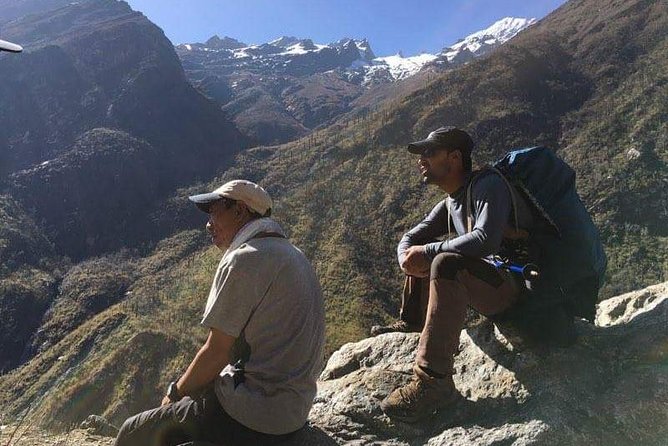
- A sunrise payoff from Kyanjing ri (4600 m) after an early start
- Real Teahouse and Guesthouse nights as you move from Syabrubesi up through Langtang Village and beyond
- Kyanjing area culture stops including a yak-cheese factory and a Buddhist monastery visit
- A Tamang-culture day in Thulo Syabru, with time to see daily local life
- Private tour flow where your group moves together, instead of being shuffled around
Why Langtang Valley Fits Best When Your Time Is Short
Langtang Valley is one of the easier ways to get high-mountain scenery without committing to weeks and weeks on the trail. In this 8-day plan, you’re not just hiking—you’re also using your time wisely with staged drives and nights that line up with the trekking rhythm.
I also like that this trip is built around classic Langtang highlights rather than “only passing through.” You reach Langtang Village, you get to Kyanjing, and you even return down toward Dhunche and Kathmandu instead of ending somewhere isolated.
You can also read our reviews of more tours and experiences in Pokhara.
From Pokhara to Kathmandu: The Smooth Start (With Real Timing)
You begin in Pokhara at 7:00 a.m. with hotel pickup, then take a scenic tourist bus to Kathmandu that takes about 7 hours. It’s a long day, but it’s an efficient one: you bank a major transit step before the trekking stress begins.
Once you arrive, you transfer into the Thamel area for an overnight stay. Thamel is handy because it keeps you close to food options and last-minute needs before your next morning pickup.
What’s practical here is the pacing: you get a real rest night in Kathmandu, then you’re out the next morning for the push toward the trailhead.
The Road to Syabrubesi: Where Your Trek Really Begins
Day two starts at 8:00 a.m., when your guide picks you up and you travel by scenic drive to Syabrubesi (1550 m). Plan for about 8 hours on the road, and use that time to get your gear settled and your legs loose.
Syabrubesi is the launch point where the trek starts to feel real. After the road, you’ll spend the night in a guest house, which keeps the transition smooth: less bouncing around, more gradual shift into hiking mode.
One thing to keep in mind: after two long travel days in two days, the first trekking day will feel harder than you expect unless you pace yourself and don’t rush.
Day 3 to Day 4: Lama Hotel and Langtang Village Bring the “River + Hills” Feeling
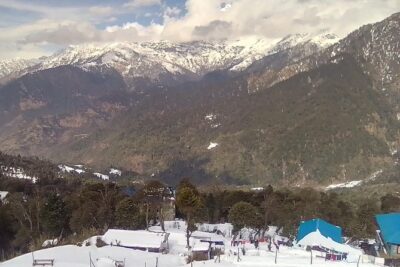
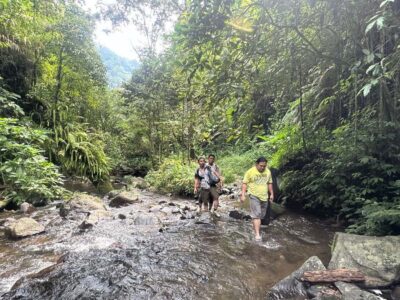
On day three, you trek for about 7 hours to Lama Hotel (2450 m). This is the phase where you’re walking into the valley with steady views of green hills and the Langtang river area. The route is long enough to get you warm, but it’s not so extreme that it forces you to sprint.
You sleep again at Lama Hotel, a welcome altitude step that helps your body adjust. Guest houses at this level usually mean simple comfort and a chance to recover.
Day four is another roughly 7-hour trek up to Langtang Village (3430 m). The big change here is elevation and the feeling of the trail tightening around the valley. You still get the river-and-hills vibe, but now the air feels noticeably different.
For a lot of people, Langtang Village is the moment where you stop thinking about the schedule and start thinking about the places. You’re high enough to feel you earned it, and still early enough in the trek that you can stay upbeat.
Kyanjing Bumpa: The Yak Cheese Stop and the Mountain-View Teahouse Night
Day five moves you from Langtang Village up to Kyanjing Bumpa (3730 m) in about 5 hours. That shorter hiking window matters, because it gives you time to look around once you arrive.
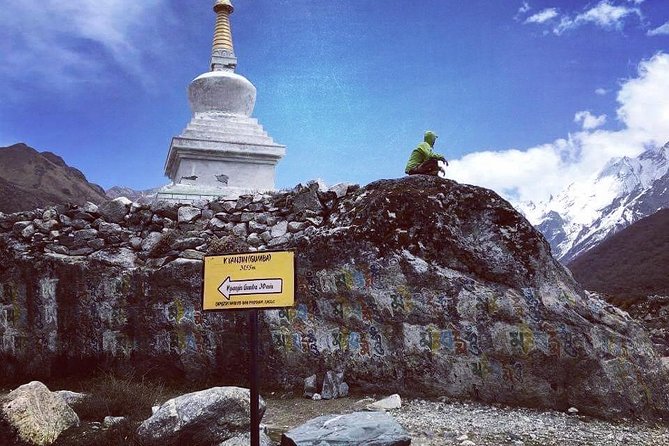
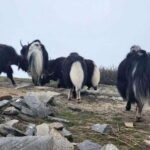
This is one of the more distinctive parts of the trek. You’ll enjoy mountain views and also explore a cheese factory from yak milk, plus a Buddhist monastery. That blend of practical local life and spiritual place is very typical of this region—and it’s one of the ways the trek feels more than just walking and photos.
That night is in a teahouse. Since tea houses are part of how you’ll travel up and down, it’s worth mentally switching gears: expect simple rooms, basic meals, and a focus on rest so you’re ready for the next day.
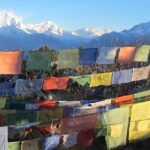
4 a.m. to Kyanjing Ri: Sunrise Is the Headliner
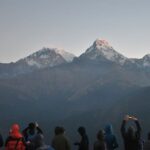
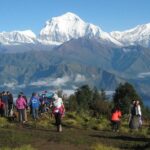
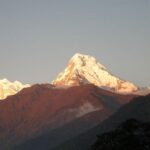
Day six is the bold one. You start at around 4:00 a.m. for a small hiking push toward Kyanjing ri (4600 m)—a viewpoint built for sunrise. You’ll then descend back down to Lama Hotel, with a total trekking time around 7 hours.
Here’s the real value of doing this as part of the guided plan: sunrise timing and steep early pacing are easier when someone competent is watching the flow. People who liked this trip’s organization often praise how smoothly the route management works, especially around permits and entries, and that kind of calm carries into the hiking rhythm too.
A simple consideration: 4 a.m. means you’ll likely eat earlier than you normally want. If you’re the type who gets grumpy before breakfast, plan for it. Bring layers you can adjust fast, because the cold can hit hard before the sun climbs.
When you get down to Lama Hotel afterward, the teahouse night feels like a reward. You’re high, you’ve seen the big view, and now you can settle into the last trekking segment.
Thulo Syabru and Dhunche: Tamang Culture and the Descent That Feels Like Breathing
Day seven is your move from the high country down to Thulo Syabru (2000 m), about 5 hours of trekking. This drop is more than distance—it’s a change in air and a shift in what you notice.
You’ll have time to enjoy Tamang culture, heritage, and local life style, which is a welcome contrast to the more mountainous, quiet feeling earlier in the week. Thulo Syabru works well as a cultural decompression day: you’re moving, but you’re also seeing how people live when the valley isn’t just a hiking route.
Then day eight is a short trek of about 2 hours to Dhunche (1800 m). After that, your driver takes you back toward Kathmandu, roughly 7 hours, and drops you at your hotel.
This finish is convenient. Instead of scrambling for transport after your last hike, you get collected and handled end-to-end.
Price and Logistics: Is $920 Good Value Here?
At $920 per person, this trek isn’t a budget bargain—but it can be good value when you look at what’s included and what’s managed for you.
Included, you get:
- Kathmandu hotel and trekking-night lodging (tea houses and guest houses as the plan specifies)
- TIMS and national park permit fees (plus handling and local taxes)
- A professional trekking guide
- Hotel pickup and drop-off
- A tourist bus between Pokhara and Kathmandu
- Round-trip private transfer and transport by private vehicle
What you don’t get:
- Food and drinks (you purchase them along the way)
- Rescue cost in an emergency
So where does the value come from? Mostly from the friction reduction. Permits, entry fees, and day-to-day movement add up fast when you’re trying to coordinate it yourself. When organization is handled cleanly, you spend your energy walking, not sorting paperwork.
Also, the trip is listed as a private tour, meaning your group stays together. For couples or small friend groups, that often feels worth it because you’re not waiting on strangers’ pace or adjusting plans constantly.
The one caution on value: if you’re traveling solo, a private setup can feel expensive compared with group treks. But if you want a guided, scheduled flow that manages fees and transport, that premium starts to make sense.
What to Know Before You Go: Altitude, Pace, and Passport Rules
This is built for people with moderate physical fitness. That’s not a soft target. You’ll do several long hikes around 5–7 hours, plus one standout early-morning push to 4600 m.
The altitude is the real reason to prepare. You climb from Syabrubesi (1550 m) up to Kyanjing ri (4600 m), then descend down again. Even if the trek times feel reasonable on paper, altitude can make your legs feel heavy. Slow pacing, hydration, and not forcing speed are the difference between a fun week and a miserable one.
Now for the paperwork you must handle: you need your passport details at booking (name, number, expiry, country). You also need a scanned copy of your passport and a digital passport-size photo prior to the trip.
Because permits are involved, you’ll want to keep your documents ready and accurate.
Guide Quality Matters More Than You Think
Two names came up in people’s feedback: Mr Milan and Krishna. The pattern isn’t about big speeches—it’s about doing the practical work well. When a guide is competent and friendly, the trekking feels safer and smoother, and the admin side (TIMS, national park entry, and related steps) stops being a stress point.
For you, the benefit is simple: you’re more likely to enjoy the walking days when someone has already planned the logistics and understands the route.
If you care about local context, this is also a good setup because the trip includes visits like the yak-cheese factory and a Buddhist monastery, and it gives you time to notice Tamang culture in Thulo Syabru.
Should You Book This Langtang Trek?
If you want a classic Langtang route in about a week, with guided management of permits and transport, this is a strong choice. It’s also a great fit if you like structured days: you know where you’ll sleep and when you’ll move.
Book it if:
- You want a guided experience with TIMS and national park fees handled
- You’re excited by sunrise viewpoints and willing to start early
- You prefer guest houses and teahouses over hotel-style trekking
You might want to think twice if:
- You’re sensitive to early wake-ups and long driving days
- You’re looking for a very light, slow hike pace
- You’re trying to keep the total cost as low as possible
If you match that fitness-and-energy level, you’ll likely end the week with exactly what you hoped for: mountain views, real cultural stops, and a trek that fits your schedule instead of eating it.
FAQ
How long is the Langtang Valley trek from Pokhara?
The trek is about 8 days, starting in Pokhara and ending with a return drive to Kathmandu after trekking to Dhunche.
Where does the trip start and end?
It starts in Pokhara with pickup at 7:00 a.m., and it ends with a drop back at your Kathmandu hotel after trekking to Dhunche and then driving back.
What is included in the $920 price?
Included are Kathmandu hotel lodging and tea house/guest house accommodations during the trek (as per the plan), a professional trekking guide, hotel pickup and drop-off, private tour services, Pokhara to Kathmandu by tourist bus, round-trip private transfer, transport by private vehicle, and TIMS/national park permit fees and related taxes.
Is food included?
No. Food and drinks are not included, but they are available for purchase during the trek.
What passport information do I need to provide?
You must provide your passport name, number, expiry date, and country at booking. A scanned copy of your valid passport and a digital passport-size photo are required prior to the trip, and you need a current valid passport on the day of travel.
What is the cancellation policy?
There is free cancellation. You can cancel up to 24 hours in advance for a full refund, based on local time. Changes made less than 24 hours before the experience start time are not accepted, and cancellations inside 24 hours are not refunded.