REVIEW · POKHARA
Ghorepani Poonhill Trek
Book on Viator →Operated by Outshine Adventure Pvt Ltd · Bookable on Viator
Waking up for mountains is worth it here, and the reason is Poon Hill sunrise—an easy trek route that still delivers big-name Annapurna views. I like that this is a short loop style adventure with steady day-to-day progress, plus you get real human-scale culture stops with Magar and Gurung communities along the way. I also like that the trip is set up for first-timers: licensed English-speaking guides, meals included, and even a porter plan so you’re not hauling everything yourself. One consideration: you’ll start early (especially the Poon Hill morning), and the first day has a steep climb chunk, so moderate fitness helps.
You’ll sleep in guest houses/ lodges at convenient points, and you’ll keep moving through forest paths—pine and rhododendron are a big part of the scenery. In the small batch of feedback I saw, guides named Bishnu, Edu, and Shiva got singled out for caring for people who were new to trekking, which is exactly the vibe this route is built for.
In This Review
- Key Highlights You’ll Actually Feel on This Trek
- Ghorepani to Poon Hill: Why This Short Trek Feels Like a Big Win
- What you’ll love most
- The one thing to plan for
- Price and Logistics: What You’re Getting for $490
- Day 1 from Pokhara to Ulleri: The Steep Start and the Village Feel
- Practical tip for day 1
- Day 2 to Ghorepani: Forest Paths and the First Real Mountain Breath
- What this day sets up
- Day 3 Poon Hill Sunrise: The Best Morning Work for Your Effort
- How to handle Poon Hill morning
- Day 4 to Ghandruk: Forest Descent, Birds, and Gurung Village Time
- Why this day is worth slowing down
- Day 5 Down to Pokhara: A Friendly Finish Through Kimchi and Seulibazzar
- Guides and Crew: The Difference Between a Trip and a Good Trip
- Is This Trek Right for You?
- Should You Book the Ghorepani Poon Hill Trek?
- FAQ
- What is the duration of the Ghorepani Poonhill Trek?
- Where does the trek start and how do you get there from Pokhara?
- How much does the trek cost?
- Are meals included during the trek?
- Are permits included?
- Will I have a guide?
- Is equipment provided if I need it?
- Is tipping included in the price?
- What is the cancellation policy?
Key Highlights You’ll Actually Feel on This Trek
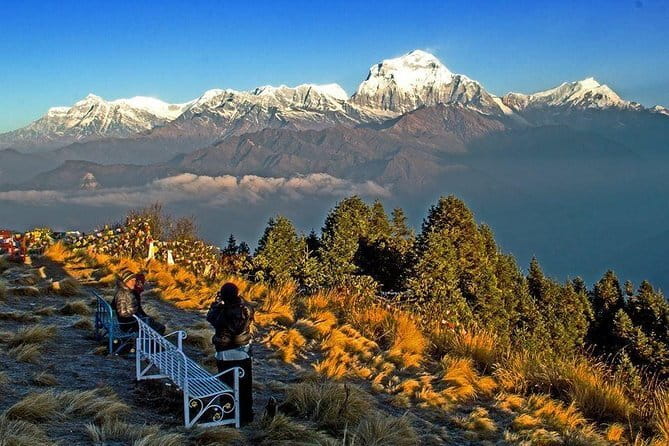
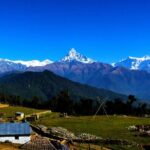
- Poon Hill at 3,232m for sunrise with wide views of Annapurna and neighboring peaks in the early morning light
- Short, manageable days that fit a first trekking week without needing technical skills
- Forest trekking on most days with rhododendron and pine for a naturally “pretty” walking experience
- Ghandruk Gurung village time for village atmosphere and mountain-view viewpoints
- Permits handled for you via Annapurna Conservation Area permits plus TIMS card
- Guide and porter support so you carry less and spend more energy on walking and enjoying
Ghorepani to Poon Hill: Why This Short Trek Feels Like a Big Win
The Ghorepani Poon Hill trek is built for people who want Annapurna-region scenery without committing to a long, exhausting trek. You’re getting that classic Himalayan payoff—sharp ridgelines, snow peaks, and the famous morning panorama—while still staying within an easy-to-moderate effort range.
The biggest reason this trek is so practical is simple: the schedule is tight. In about five days, you’ll move from Pokhara’s side of the world into hillside villages, climb just enough to reach the viewpoints, then walk back down through forests and communities. It’s not a “forever” journey. It’s a focused one.
Also, the route is designed around viewpoints that make the early effort feel justified. That’s the point of Poon Hill: you’re waking up before the day gets busy so the mountains can do their best work for you.
You can also read our reviews of more tours and experiences in Pokhara.
What you’ll love most
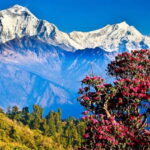
- The sunrise payoff: Poon Hill is where people come for the wide mountain view.
- The cultural stops: Ulleri is described as a Magar village, and Ghandruk is a large Gurung village—so the trek isn’t only about scenery.
The one thing to plan for
- Early mornings and cold air: the Poon Hill morning hike happens before sunrise, and you’ll likely want layers. The operator provides a down jacket and sleeping bag if needed, which is a strong help for people who don’t want to buy trekking gear.
Price and Logistics: What You’re Getting for $490
At $490 per person, you’re paying for more than “a walking route.” You’re buying support, organization, and the parts that can turn into headaches when you DIY.
Here’s what’s included that actually matters in real life:
- Meals: breakfast (5), lunch (5), dinner (4) during the trek
- Accommodation: best available lodge/guesthouse during the trekking days
- Guide: licensed and English-speaking mountain guide
- Transport: private vehicle surface transfer from and back to Pokhara
- Porter support: a porter plan is included (sharing basics for two people with 25 kg per porter)
- Permits: Annapurna Conservation Area permits plus TIMS card
- Gear help: down jacket and sleeping bag by Outshine Adventure if you need them
- Staff costs covered: food, accommodation, salary, insurance, equipment, medicine for trekking staff
What’s not included (so you can budget without surprises):
- Travel insurance
- Drinks and laundry
- Alcoholic and other extra purchases
- Tips for staff and driver (tipping is recommended)
If you’ve ever tried to assemble a short Annapurna trek yourself, you know permits, guide availability, and porter logistics can eat time fast. This package tackles that. For a short trip, that’s a big part of the value.
And group-wise, this is capped at maximum 14 travelers, which usually means a calmer trek than huge bus-style groups.
Day 1 from Pokhara to Ulleri: The Steep Start and the Village Feel
Your day starts with meeting the team at the Kathmandu office before departure to Pokhara. Then the trekking portion begins with a private vehicle ride from Pokhara to the trailhead at Birethanti. After that, you walk.
Day 1’s pattern is clear:
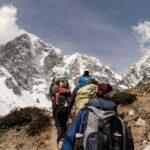
- A steep ascent for the first 2 hours
- Then a gentler climb as you move toward Ulleri (altitude about 2,070m)
- Around 5 hours of trekking total for the day
- Overnight in a guest house
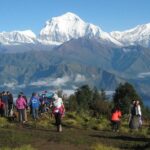
Ulleri is highlighted as a Magar village, and this is one of the ways this trek earns its cultural credit. You’re not hiking through empty space. You’re walking through places where people live, work, and talk. Even when your focus is views, the village atmosphere fills in the “in-between” time on the trail.
Practical tip for day 1
If you’re new to trekking, pace the first steep section. Don’t sprint it. You’ll likely feel it in your legs later, and the whole point is to arrive ready to enjoy the next days, not just survive day 1.
Day 2 to Ghorepani: Forest Paths and the First Real Mountain Breath
Day 2 brings the climb toward Ghorepani. The trail is described as fairly easy, and that matters because Ghorepani isn’t just another stop—it’s your base area for the Poon Hill morning.
On the way, you pass through forest and rhododendron areas. That has two benefits:
- You don’t feel like you’re walking only on bare, rocky grades.
- The trek feels more like a journey than a single long grind.
Overnight is again in a guest house at Ghorepani.
What this day sets up
By the time you arrive, you’re in position for the most important moment: the early hike to Poon Hill. If day 2 feels slower or more relaxed than you expected, that’s not a problem. It’s how the schedule protects you from burning out before sunrise.
Day 3 Poon Hill Sunrise: The Best Morning Work for Your Effort
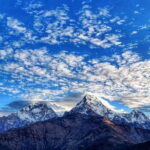
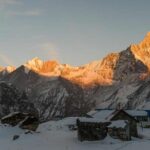
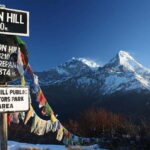
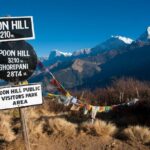
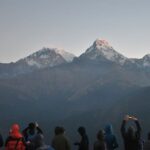
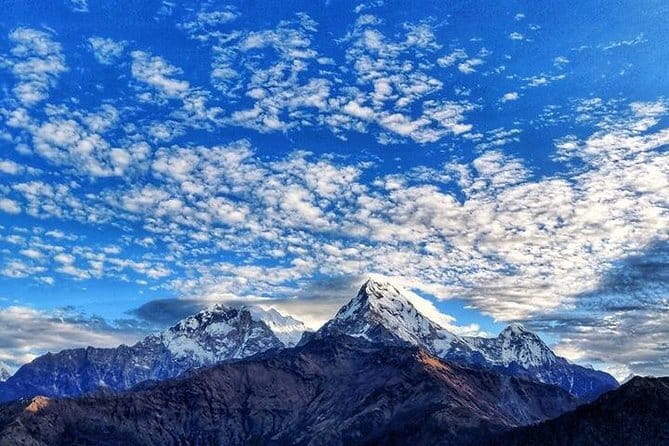
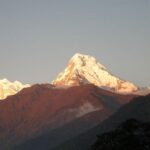
This is the heart of the trek. Day 3 includes an about one-hour early morning hike to Poon Hill (3,232m) for sunrise.
From Poon Hill, the views are described as expansive and include named peaks and ranges you’ll recognize in the Annapurna orbit:
- Dhaulagiri
- Tukuche Peak
- Nilgiri
- Varaha Shikhar
- Annapurna I and Annapurna South
- Machhapuchhare
- Annapurna II, III, IV
- Lamjung Himal
- plus other surrounding snowcapped peaks
After sunrise viewing, you hike down to Ghorepani, then enjoy a hot breakfast at the lodge. That hot breakfast is more than comfort—it helps you reset before the next trekking section.
Then you continue the day:
- Trek to Tadapani (about 2,650m)
- The walk is described as passing through pine and rhododendron jungle
- Overnight at a guest house
The day is longer than a lot of easy treks because you’re stacking two things: sunrise viewing and continued walking.
How to handle Poon Hill morning
- Go layered: the cold morning start is a reality for any high-altitude sunrise plan. The operator provides a down jacket and sleeping bag if needed, which can save you from buying gear you don’t want to haul later.
- Bring a calm attitude: you’re doing a short climb in dark-to-dawn conditions. It’s not technical, but it does ask for steadiness.
Day 4 to Ghandruk: Forest Descent, Birds, and Gurung Village Time
Day 4 shifts from viewpoint energy into a more relaxed rhythm. The trail descends through dense forests toward Ghandruk.
Key details that shape the feel of this day:
- The descent is described as easy, with gentle going through rhododendron and oak
- It’s noted as a good day for bird lovers
- Total hiking time is around 7 hours
- Ghandruk is a large Gurung village
- It’s also described as home to many Gorkha soldiers
- You’ll explore the village in the afternoon
- Overnight at a guest house
Ghandruk is the kind of place where the cultural part becomes visible. You’ll see architecture and daily life that feels distinctly Nepali, not staged for trekking alone.
Why this day is worth slowing down
When you’re walking mostly downhill, you can accidentally rush. Try not to. With bird sounds and forest shade, day 4 is a chance to let the trek breathe.
Day 5 Down to Pokhara: A Friendly Finish Through Kimchi and Seulibazzar
Day 5 is your exit day. You trek down from Ghandruk toward Kimchi, crossing through Seulibazzar via Birethanti, and then you drive back to Pokhara.
What you can expect:
- A generally easy trek to descend
- About 5 hours of trekking time
- Then a transfer back to Pokhara
By the time you reach the drive section, the trek stops feeling like a challenge and starts feeling like a story you can tell. You’ll likely notice how quickly you settle into normal altitude air once you drop back down.
Guides and Crew: The Difference Between a Trip and a Good Trip
The guides are a standout part of this experience based on the feedback you provided. Names that came up include:
- Bishnu and Edu, praised for taking amazing care of the group
- Shiva, assigned in one booking example and part of a smooth plan for a scenic flight and then the trek
Even if you’re only trekking a short distance, guide quality matters. A good guide helps with:
- pacing (especially early morning climbs),
- route confidence,
- and making sure you feel comfortable when you’re new.
With an English-speaking licensed guide included, you’re not stuck guessing. That’s a real advantage for first-timers.
Also, the porter plan helps you keep your trek focused on walking. If you’re carrying a heavy daypack, your legs pay for it. Here, 25 kg per porter (shared basics for two people) is built in.
Is This Trek Right for You?
This trek fits best if you want:
- a short Annapurna-region trekking experience
- strong “first trek” structure
- a sunrise view moment at Poon Hill
- cultural village time at Magar (Ulleri) and Gurung (Ghandruk) areas
It may not fit as well if:
- you dislike early starts
- you need a fully flat route (day 1 has a steep climb segment, and the trek is still in hills)
- you’re looking for a long multi-week wilderness journey (this is short by design)
One more good note: the fitness level required is listed as moderate physical fitness, which is reassuring if you’re active but not a hardcore climber.
Should You Book the Ghorepani Poon Hill Trek?
If you want a trekking week that feels manageable but still delivers big Himalayan moments, this one is a smart pick. The package covers key friction points—meals, guide, permits, private transfer, and porter support—so you can spend your energy on enjoying the route.
I’d especially consider booking if you:
- are trekking for the first time,
- want sunrise views without committing to a long trek,
- prefer organized guidance over planning every step.
If early mornings are a dealbreaker, or if steep starts make you anxious, you might feel the effort more than you’d like. Otherwise, this is the kind of trek that gives you a strong payoff per day.
FAQ
What is the duration of the Ghorepani Poonhill Trek?
It’s listed as about 5 days.
Where does the trek start and how do you get there from Pokhara?
You drive from Pokhara to Birethanti, then start trekking on foot from there toward the first overnight area.
How much does the trek cost?
The price is $490.00 per person.
Are meals included during the trek?
Yes. Breakfast, lunch, and dinner are included during the trek (with breakfast 5 times, lunch 5 times, and dinner 4 times).
Are permits included?
Yes. Annapurna conservation park permits and a TIMS card are included.
Will I have a guide?
Yes. The trip includes a licensed and English speaking mountain guide.
Is equipment provided if I need it?
The operator provides a down jacket and sleeping bag if you need them.
Is tipping included in the price?
No. Tipping for trekking staff and the driver is recommended but not included.
What is the cancellation policy?
It offers free cancellation. You can cancel up to 24 hours in advance for a full refund, and changes less than 24 hours before the start time aren’t accepted.