REVIEW · ADDIS ABABA
2 days trek around Lalibela
Book on Viator →Operated by Ethiopian Wanderer Tours & Travel · Bookable on Viator
A walk in Ethiopia can feel like a whole story. This 2-day trek around Lalibela mixes highland wildlife watching with a real local community overnight, not a cookie-cutter stop. What I like most is the time you spend on foot (5–6 hours on Day 1) and the chance to connect with daily life with a family, plus the fact the group stays small (up to 12). One thing to consider: this is a trek, so you should have a moderate fitness level and be ready for long walking days.
You’ll also like the practical touches that reduce friction on travel days. Pickup is offered, you get a mobile ticket, and meals are included for both days (breakfast, lunch, and dinner for two nights). On value alone, the price starts to make sense because you’re paying for guided hiking time plus accommodation and full board—then you just budget for drinks and tips.
If you’re hoping for a fully cushy itinerary with short walks and frequent rides, this won’t be your style. The second day includes a hike to a high peak and then a trek back to Lalibela, so pace and footwear matter.
In This Review
- Key highlights worth planning around
- Why this 2-day Lalibela trek feels different from a quick tour
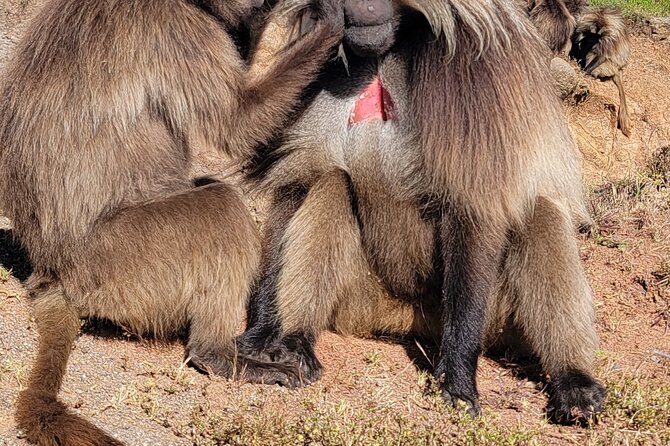
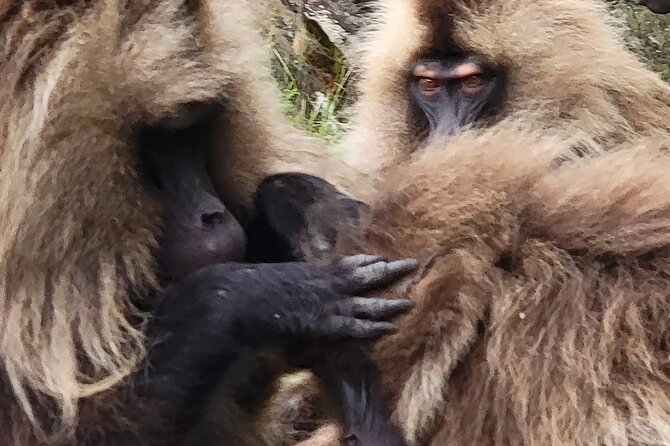
- Wildlife watching in the Lalibela highlands: simian wolf and gelada baboon
- Day 1 in motion: 5–6 hours walking and a community stay
- Day 2: the high peak hike and your trek back to Lalibela
- Price and value: what $250 covers (and what you’ll still pay for)
- Pickup, mobile tickets, and a max group size you’ll feel
- Guides matter: the personal touch you should look for (Moges and Abebe)
- What to bring and how to prepare for a moderate 2-day hike
- Who this trek suits best (and who should skip it)
- Should you book this Lalibela 2-day trek?
- FAQ
- How long is the Lalibela trek?
- Is pickup included?
- What meals are included in the price?
- What fitness level do I need?
- How large is the group?
- Can I get a full refund if I cancel soon enough?
Key highlights worth planning around
- Wildlife spotting in the massif: Keep your eyes up for the rare simian wolf, plus gelada baboons and many bird types.
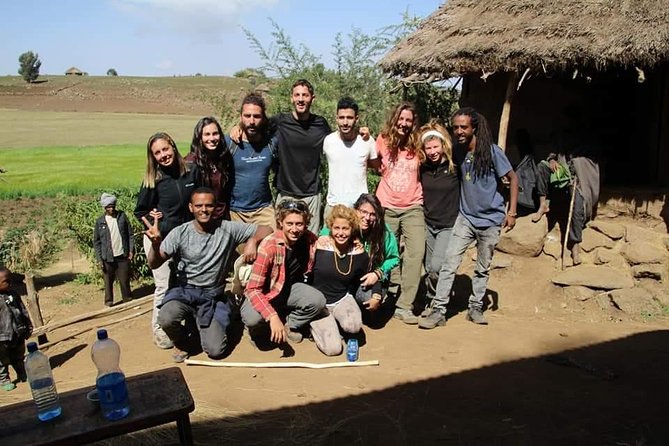
- Overnight with a local family: Day 1 ends at a community stay, which adds context you won’t get from quick viewpoints.
- Two hiking days with real time on trails: Day 1 is a 5–6 hour walk; Day 2 includes a hike to a high peak.
- Small groups, max 12 people: Easier conversations with your guide and more space for wildlife-watching pauses.
- Full meals included for 2 days: Breakfast, lunch, and dinner are provided, so you’re less stuck planning mid-trek.
Why this 2-day Lalibela trek feels different from a quick tour
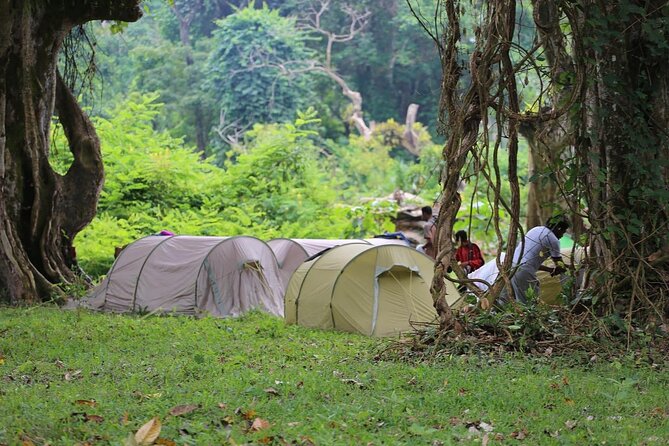
Lalibela is famous for iconic sights, but a trek changes the scale. Instead of fitting everything into short photo stops, you get hours of movement through Ethiopia’s highlands. That time on foot is where the day’s rhythm settles in, and where you’ll likely catch wildlife and birds that you’d never notice from a road.
I also like that this tour builds in a human layer. Staying with a local community with a family turns the trip into something more than a route. You’re not just passing through; you’re sharing a night and seeing how people live in the same wider region you’re hiking through.
The second reason I’d pick this style over a faster itinerary is simple: the hiking itself is the attraction. You’re paying for guided walking time and a structured route across two days, with the logistics handled so you can focus on the scenery, wildlife, and your own pacing.
You can also read our reviews of more tours and experiences in Addis Ababa.
Wildlife watching in the Lalibela highlands: simian wolf and gelada baboon
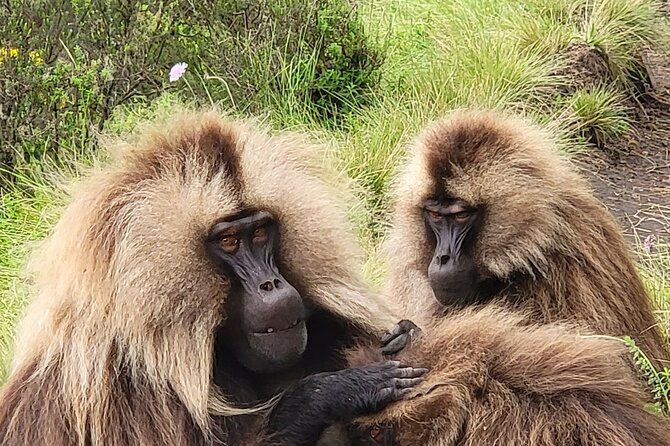
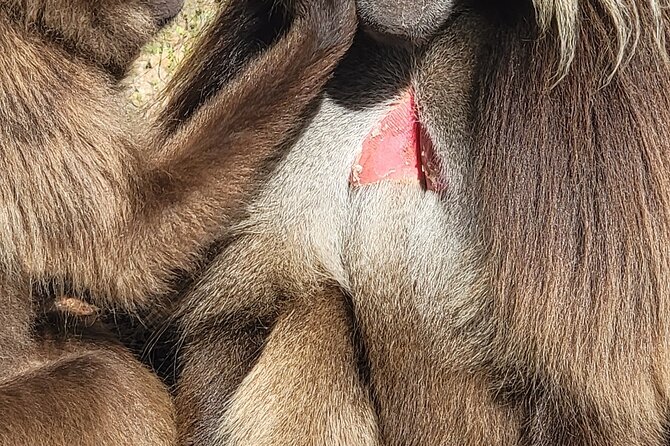
The tour’s wildlife angle is one of the main reasons it stands out. You’re in an area where you might spot animals that feel truly Ethiopian, especially the rare simian wolf and gelada baboons. Birds also factor in, which matters because highland birdlife can be steady and rewarding even when a mammal sighting takes patience.
Real talk: wildlife isn’t a vending machine. You can’t control what appears or when. But you can control how you show up. For this trek, that means slowing down when your guide points things out, watching movement on slopes, and paying attention to bird calls and sudden quiet—often when activity shifts.
If you’re the kind of traveler who likes nature without needing a safari budget, this is a good fit. The wildlife moments here are likely to be brief but meaningful, and they’ll feel connected to the land you’re walking through rather than something you “transfer” to via a vehicle stop.
Day 1 in motion: 5–6 hours walking and a community stay
Day 1 is the longer walking day, with 5–6 hours on foot along the region’s paths. The route goes through what the itinerary describes as beautiful scenery, but the bigger takeaway is that your day is built around sustained walking. That’s great for people who enjoy being active and watching the environment change as altitude and ground shift.
The best part of Day 1 is what comes after the hiking: you stay at a local community with a family. Even if you’re not fluent in local language, the value is usually in small, everyday moments—how meals are prepared, how family routines work, and how your guide handles introductions. This is the kind of experience that sticks because you’re not only collecting images; you’re building context.
Potential drawback: community stays can be different from what you’re used to. The tour includes accommodation and all meals, but it doesn’t promise hotel-style comfort. If you’re sensitive to basic sleeping conditions or you want predictable amenities, bring a flexible mindset and plan to pack what you need to feel comfortable (as much as the trek rules allow).
Day 2: the high peak hike and your trek back to Lalibela
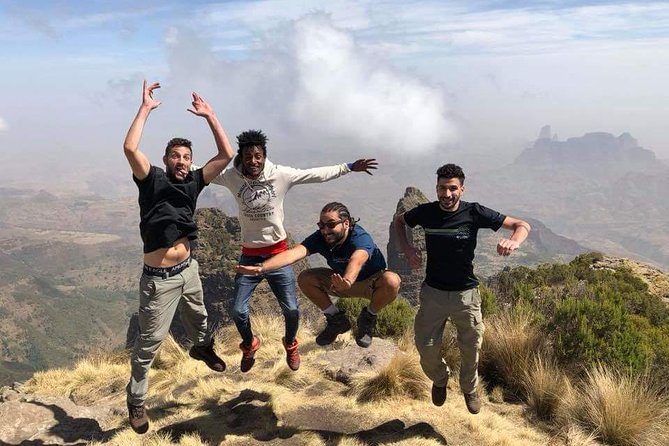
Day 2 starts with a hike to a high peak and then a trek back to Lalibela. This is where the fitness and timing matter most. After a full day of walking the day before, your body needs a steady rhythm—short stops, water management, and staying aware of breath and pace.
A high peak hike also tends to bring changing weather conditions fast. Even when the day is clear, temperature and wind can shift with altitude. Wear layers you can manage on the move, and keep your energy for the uphill sections rather than burning it all early.
When you return toward Lalibela, you’ll likely feel the satisfaction of finishing a route you started with your own footsteps. There’s also a practical benefit: you’re not trying to solve logistics at the end of your hike. The tour structure brings you back to Lalibela as part of the experience flow.
If you’re prone to rushing, this is a good moment to slow down. On a trek, your best view moments and wildlife pauses often happen when you’re not sprinting between checkpoints.
Price and value: what $250 covers (and what you’ll still pay for)
This trek costs $250 per person, and the price includes a lot of the stuff that usually adds up on multi-day hikes. You get 2 nights of accommodation plus all meals for both days: breakfast (2), lunch (2), and dinner (2). That’s a meaningful value piece because you’re not hunting for restaurants after hiking hours.
Pickup is offered, which also matters. Getting from Addis Ababa area logistics to the start of a trek (and back) can be the part that makes or breaks a trip plan. With pickup included, you reduce time lost to finding transport, negotiating rides, or coordinating timing on your own.
What’s not included is also straightforward: drinks and tips. Drinks are easy to budget for, especially if you’re planning to refill along the way. Tips depend on your experience and local customs, but it’s smart to set aside a budget so you can tip your guide and any helpers without stress.
Overall, I’d call this a fair deal if you want an active two-day itinerary with meals and lodging handled. If you’re only looking for a light stroll or a one-night stop, you may find better-value options. But for people who want a guided trek with a community element, the structure supports the price.
Pickup, mobile tickets, and a max group size you’ll feel

Practical logistics can sound boring, until you’re tired and trying to coordinate transport with strangers. Here, you get pickup offered and a mobile ticket. That’s the kind of setup that helps your trip start smoothly, especially if you’re arriving from Addis Ababa and don’t want to spend your first day figuring out logistics.
The group size cap is 12 travelers. That number is important for two reasons. First, it’s easier for a guide to manage pace on steep or uneven terrain. Second, it gives you breathing room for wildlife moments, where silence and timing can matter.
For a trek, you’ll want your guide to read the group and adjust when needed. A smaller group usually means fewer people competing for the same attention and a better chance for your questions to get answered in real time.
Guides matter: the personal touch you should look for (Moges and Abebe)
One of the most praised aspects connected with this company’s Lalibela experiences is the guide quality. In recent feedback, guides such as Moges have been described as kind and helpful, especially when people want their visits to feel guided rather than rushed. Another guide named Abebe is repeatedly praised for being funny, patient, flexible, and caring, with a focus on giving travelers something beyond internet checklists.
Even though your specific 2-day trek centers on walking, community time, and wildlife, the guide still makes a huge difference. You’ll feel it in the pace, the explanations, and how the route becomes more than just steps. When a guide can shift plans based on your energy or what you’re seeing on the trail, the trek feels more personal.
If you’re skeptical about hiring a guide, this is your cue: you’re not paying only for navigation. You’re paying for interpretation—why certain bird calls matter, where wildlife tends to show up, and how to move through the area with respect and confidence.
What to bring and how to prepare for a moderate 2-day hike
The tour asks for moderate physical fitness. That doesn’t mean you need to be a mountaineer, but you should be comfortable with a full day of walking and a second day that includes a high peak climb.
Plan for the fact that you’re walking 5–6 hours on Day 1. Bring footwear you trust for uneven ground, and don’t count on perfect weather. Even if conditions are calm, highland trails can be slippery or rocky.
For packing, focus on essentials you can manage:
- Footwear and socks you’ve already worn-in
- Layers (because altitude changes can swing how you feel)
- A water plan you’ll actually follow
- Basic sun protection, since you’ll be exposed during walking hours
The tour notes service animals are allowed, which can be helpful if you travel with a trained companion. Also, you’ll need a current valid passport on the day of travel, so don’t leave that to the last minute.
Who this trek suits best (and who should skip it)
This trek is ideal if you want a hands-on Ethiopia experience. You’ll like it if you enjoy hiking, care about wildlife, and prefer meaningful human interaction over only sightseeing from roads.
It’s also a good match for travelers who appreciate a small group and a guide who pays attention. If you tend to get bored on long days, you’ll likely enjoy having structured breaks and points of interest, especially with the wildlife and bird focus.
Skip it if you need a laid-back schedule, short walks, or predictable, hotel-like comfort all night. Day 1 and Day 2 are built around time on foot, and Day 2 adds a high peak hike.
Should you book this Lalibela 2-day trek?
Book it if you want the real trade-off: you give up a little comfort and schedule freedom, and in return you get guided hiking, wildlife potential, and a community overnight that makes the region feel personal. The included meals and accommodation are a big part of why it’s good value at $250.
Don’t book it if your fitness is low or you’re hoping for a light walking experience. The trek is for people who can handle 5–6 hours of walking and then a second day of hiking to a high peak.
If you do book, come ready to slow down. The best moments on this kind of trek are rarely the ones where you’re rushing.
FAQ
How long is the Lalibela trek?
It’s a 2-day trek with approximate duration of about 2 days total.
Is pickup included?
Yes, pickup is offered.
What meals are included in the price?
The tour includes breakfast (2), lunch (2), and dinner (2).
What fitness level do I need?
You should have a moderate physical fitness level.
How large is the group?
The maximum group size is 12 travelers.
Can I get a full refund if I cancel soon enough?
Yes. You can cancel up to 24 hours in advance for a full refund.