REVIEW · POKHARA
Ghorepani Poonhill Trek
Book on Viator →Operated by Sunrise Adventure Trek P. Ltd · Bookable on Viator
Sunrise at Poon Hill is the whole point. This short Annapurna trip mixes forest trails with big-mountain views across Dhaulagiri, Annapurna, and Manaslu. I like that the route moves through subtropical paddy areas up into alpine forests, so each day feels different instead of repeating the same scenery. One drawback to plan for: the higher walking day(s) can be chilly and demanding, and you should be ready for a moderate fitness push near 2,860–3,210 meters.
I also really like the way logistics are handled. From Kathmandu to Pokhara you travel on tourist bus or a flight, and once you start trekking you’re covered with lodging and full meals at the lodge level. On top of that, the program can be adjusted to your wishes, which matters if you want a slightly different pace.
If you want a true taste of the Annapurna region without committing to a long trek, this fits. But if you hate early starts or cold mornings, the sunrise strategy will test your patience.
In This Review
- Key highlights if you’re deciding
- Why This Ghorepani Poon Hill Trek Works for a Short Annapurna Trip
- Getting There: Kathmandu to Pokhara Without Burning Days
- From Nayapul to Tikhedhunga: The Start of the Trek Feeling Real
- The Trek Up to Ghorepani (2860 m): Rhododendron Country and Big Ridge Time
- Ghandruk Village Day: Culture, Forest Air, and a Different View Angle
- The Poon Hill Sunrise Morning: How to Get the Photo and the Feeling
- The Return Down to Nayapul and Back to Pokhara: Closing the Loop
- Lodges, Meals, and Porter Support: The Comfort Side of a Classic Trek
- Price and Logistics: Is $580 Good Value for This Trek?
- Who Should Book This Trek (and Who Should Wait)
- Should You Book Ghorepani Poon Hill Trek?
- FAQ
- How long is the Ghorepani Poon Hill trek?
- Where does the experience start?
- What does the price include for $580 per person?
- Are meals included during the trek?
- Do I need to bring a sleeping bag or down jacket?
- Is there a guide and porter?
- Are permits included?
- Is travel insurance included?
Key highlights if you’re deciding
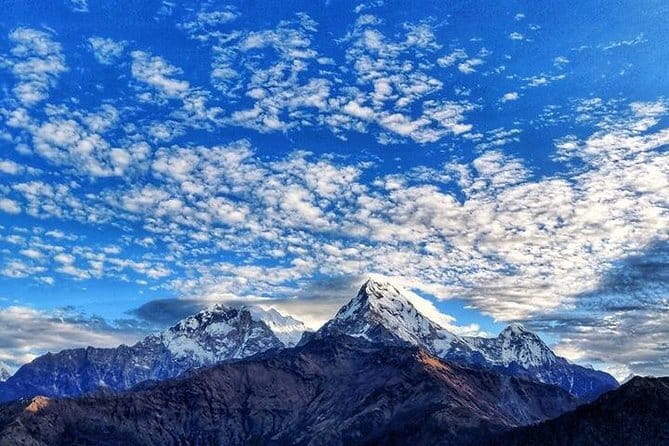
- Poon Hill sunrise at 3,210 m for shrub-level, wide Annapurna-range views
- Forest-to-alpine scenery from rhododendron and silver fir to pine areas
- Culture and village walking with time in places like Ghandruk
- Comfort-focused support: guides, porter help, lodge stays, and full trekking meals
- Flexible day pacing so the route can adjust to your group’s wishes
- Value beyond the summit photo thanks to permits, TIMS, transport, and transfers
Why This Ghorepani Poon Hill Trek Works for a Short Annapurna Trip
This trek is made for people who want Annapurna drama without the long commitment. You’ll stay in the lower elevations compared with higher classic routes, yet you still get the big payoff: a sunrise viewpoint and a sequence of villages, forests, and ridgelines that feel very Annapurna.
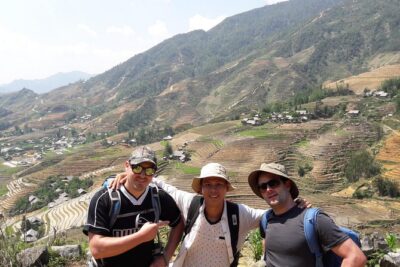
What makes it work is the vertical variety. You travel from lower terrain around Pokhara and then trek upward through subtropical zones and into alpine forest. You’re not just hiking to one view; you’re walking through multiple ecosystems. Expect paddy fields early on, then rhododendron and conifer forests (silver fir and pine show up along the way), and finally cooler, thinner-air conditions near the higher viewpoints.
Then there’s the view lineup. From Poon Hill you’re positioned to see a sweep that includes the Annapurna range and glimpses toward Dhaulagiri and the Manaslu area. It’s not the same as standing on a high exposed peak, but it’s a smart trade: you get that iconic Himalayan panorama without needing technical climbing skills.
One more plus: the route is a short circuit on the south side of the Annapurna Himalayan range. Translation: you walk, you turn corners, you get repeated chances to catch mountain views, and you don’t feel trapped doing one long out-and-back.
You can also read our reviews of more tours and experiences in Pokhara.
Getting There: Kathmandu to Pokhara Without Burning Days
You start with Kathmandu, then move to Pokhara by tourist bus (about 7 hours) or by a 30-minute flight. This matters because Pokhara is where your trail access and your trek logistics come together. You’ll also have a Kathmandu sightseeing day first, which helps you keep this trip from feeling like nonstop travel.
In practical terms, you’ll get hotel pickup in Kathmandu and airport departure support at the end. During the trip, transportation is handled using an A/C car and tourist deluxe bus. That’s not just comfort; it reduces mental friction. When you’re about to trek for multiple days, you want fewer “how do we get there” problems and more sleep and recovery.
Also, the trip is offered as a private activity. That usually means you’re not stuck with an incompatible pace, and it makes it easier for the provider to adjust the program to what you want.
A quick reality check: Kathmandu to Pokhara by bus can be a long, bumpy day. If you’re sensitive to motion or want to feel fresh for the first trekking steps, the flight option is worth considering.
From Nayapul to Tikhedhunga: The Start of the Trek Feeling Real
The trekking portion begins with a drive from Pokhara toward Nayapul, then walking out through Tikhedhunga (depending on your route day plan). This early segment is where you feel the terrain shift from “arrival” mode to “trail” mode.
Tikhedhunga is a classic entry point because it quickly puts you into that Annapurna-country rhythm: stone or dirt footpaths, tea-house-style lodge areas, and villages that make the trek feel like a living place rather than a park.
What you’ll likely notice here is how quickly the air and vegetation change as you gain elevation. Even before you’re at the highest points, the vegetation begins to tell the story: you’re moving away from the warm lower zones and heading toward more forested, cooler walking.
This is also a good time to get your trekking system dialed in. If you need trekking poles, adjust your shoe fit now. If you’re going to use layering, do it early while you’re warm from walking. Waiting until you’re cold usually leads to fiddling mid-climb.
The Trek Up to Ghorepani (2860 m): Rhododendron Country and Big Ridge Time
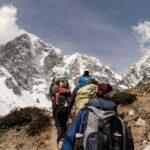
The climb from Tikhedhunga to Ghorepani is where the trek starts to feel like an actual mountain hike. Expect a day of walking around 6 hours. Ghorepani itself sits at about 2,860 meters, which means you’ll feel the altitude shift even if you’re not chasing a summit.
Why Ghorepani is a favorite: it’s a springboard to Poon Hill. But you’ll enjoy the approach too. The route is known for passing through forest sections, including rhododendron and conifer zones where you can hear wind moving through trees before you see wide open ridges.
This day also comes with the practical Annapurna rhythm. Lodges at this level are there for trekkers, so you can usually stop for tea/coffee, regroup, and use the breaks to warm up. The support included with your trip helps here: you’ll have full meals (breakfast, lunch, dinner) during the trek, and there’s a guide to keep you on track.
Porter help is especially useful on this kind of day. The plan includes a porter setup where, for two guests, one Sherpa porter carries baggage. That doesn’t mean you carry nothing; it means you can keep your own load manageable. On a 6–7 hour hiking day, that difference shows up in how your legs feel afterward.
Potential drawback: Ghorepani days can include a lot of uphill walking with steady effort. If you’re newer to trekking, keep your pace slow on the climbs. You’ll get more out of the view and sunrise if you don’t blow your energy early.
Ghandruk Village Day: Culture, Forest Air, and a Different View Angle
Next you move from Ghorepani to Ghandruk (around 7 hours). Ghandruk sits lower than Ghorepani at about 1,940 meters, so this is not only a change in scenery but also a change in breathing and temperature.
The big win of a Ghandruk-style day is village texture. You’re walking through a populated area with local homes, local rhythms, and trail life that feels grounded. The trek is also described as offering lush valleys, cascading waterfalls, and colorful villages along the way, and the Ghandruk stop is a strong reason that happens.
From a hiking perspective, this is often where you get a break from constant elevation gain. You’re still on a full day of walking, but the shifts in grade can feel easier than another straight push upward.
What I’d watch for: footing. As you move between elevations and forest edges, trail surfaces can vary. Some sections can be slick, especially if conditions are wet. This trek is described as taking place in the midst of rain and alpine forest zones, so come prepared for changing weather.
Your included meals and lodge stays help you stay flexible. If you arrive a bit tired, you’re not trying to solve dinner plans after the day’s walk. You eat, you rest, you reset for the next morning’s sunrise mission.
The Poon Hill Sunrise Morning: How to Get the Photo and the Feeling
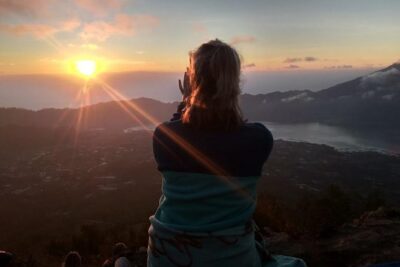
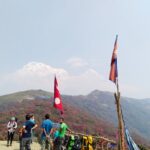
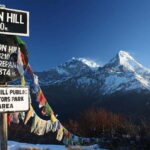
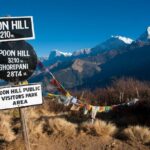
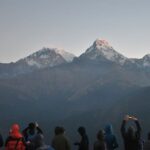
This is the moment most people plan the whole trip for. Poon Hill is at about 3,210 meters, and sunrise there is described as one of the most amazing lifelong experiences.
Here’s what’s practical about it: sunrise viewing on a mountain schedule means an early start. You’ll likely step out in the dark, before your body fully wakes up. Pack for cold even if you’re coming from warm Pokhara or Kathmandu. Nights here can be chilly, and morning temperatures can take you by surprise.
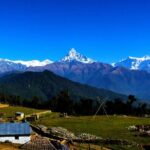
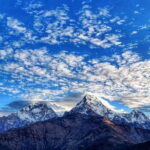
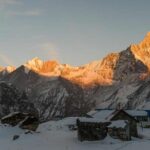
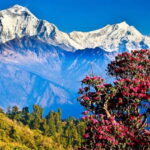
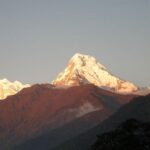
What you’ll see is special in a very specific way. The viewpoint offers shrub-level views of the Annapurna range, and the panorama expands outward toward other peaks including Dhaulagiri, Annapurna, and Manaslu areas. It’s not just one peak popping into view; it’s a wide mountain picture that builds as the light strengthens.
A small tip that saves you misery: keep your layers easy to pull on. Have your gloves or warm top ready to grab. Sunrise mornings reward anyone who makes themselves comfortable fast.
Also, remember you’re trekking at elevation and you may feel a bit light on your feet. The sunrise payoff is great, but don’t sprint or rush. Move carefully, enjoy the climb to the viewpoint, and give yourself time to watch the sky change.
The Return Down to Nayapul and Back to Pokhara: Closing the Loop
After sunrise and the higher viewpoint day, you’ll continue walking down toward Nayapul, then drive back to Pokhara (about 1.5 hours). The walk segment from Ghandruk to Nayapul is listed as around 4 hours, which makes the final trekking day feel more manageable than the earlier days.
This matters psychologically. Your legs have done the work by then, so the return is a calmer transition back toward comfort. Once you reach Nayapul, you’re no longer on trail—you’re back in transport mode.
Then you’ll drive to Kathmandu (around 7 hours) and wrap up with a farewell, plus a final program that includes a cultural show and farewell dinner. That cultural component is a nice way to end because it ties the trip’s village and community side together rather than just dropping you off at the next hotel.
Lodges, Meals, and Porter Support: The Comfort Side of a Classic Trek
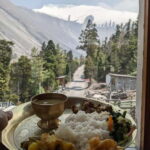
A lot of trekking value is what you don’t have to think about. During the trek you’ll get whole accommodations, plus full meals (breakfast, lunch, dinner) with tea/coffee. That’s huge for pacing. You eat enough to keep walking without searching for food options mid-hike.
You’re also traveling with a guide whose salary, accommodation, meals, and insurance are included. That support isn’t a luxury; it’s what keeps your days smooth, especially if weather changes.
Then there’s the porter plan: for two guests, one Sherpa porter carries baggage. This reduces your pack weight and helps you enjoy the trek instead of managing your load. You’ll still carry what you need day-to-day, but you shouldn’t feel like you’re hauling your whole life up and down ridges.
If you don’t already have gear, the trip offers sleeping bag and down-jacket support if you need them. That’s a big deal if you’re traveling light or arriving from another part of the world.
A small consideration: lodge standards can vary with altitude and season. You’re not paying for luxury in the mountains—you’re paying for the practical systems that make the trek work smoothly.
Price and Logistics: Is $580 Good Value for This Trek?
At $580 per person, the value comes from what’s bundled. You’re not just paying for guided hiking. You also get:
- airport pickup and departure support
- Kathmandu hotel stay in a three-star category (twin sharing with breakfast)
- A/C car and tourist deluxe bus transport
- trekking lodge stays
- full trekking meals including tea/coffee
- permits, including TIMS and trekking permit coverage
- porter support and guide services
- a cultural show and farewell dinner
- a T-shirt and trip achievement certificate
When you price a trek on your own, the cost creep usually hits hard: permits, local transport, guide time, your lodging nights, and meals. This package bundles many of those moving pieces into one number, which makes planning easier and reduces surprise add-ons.
What’s not included matters too. You’ll handle international airfare, travel insurance, tips for the trekking crew, and entrance fees that aren’t specified as included. Extra meals in Kathmandu and personal expenses are also on you. If you already have gear and you’re comfortable with local costs, you might be fine. If you need more gear or you’re a frequent-shopper, budget buffer helps.
Also note: you get a mobile ticket. That’s a modern touch that can simplify what you carry, even if you’ll still want to keep key documents handy.
Who Should Book This Trek (and Who Should Wait)
This trek suits you if:
- you want a classic Annapurna taste in about a week to a bit more
- you like scenery and villages, not only altitude chasing
- you can handle a moderate fitness level and early-morning starts
- you want a guided experience with meals, lodging, and permits handled
It may not fit you as well if:
- you’re very sensitive to cold mornings or early wake-up schedules
- you need a completely low-effort hike with no uphill days
- you’re looking for a fully self-directed adventure. This is a guided, supported package.
Also consider whether you’re comfortable with changing weather. This trek is described as moving through rain and alpine forest zones, so plan for wet conditions and quick layer changes.
Should You Book Ghorepani Poon Hill Trek?
I’d book this if you want one of the best “short trek” strategies in the Annapurna region. The sunrise focus at Poon Hill (3,210 m) is the headline, but the real win is the variety: you hike through paddy-adjacent areas, rhododendron and conifer forest, and village days that keep the trip human-scale.
The biggest reasons it earns a yes for me are simple: transport and meals are handled, and porter support reduces the load so you’re more likely to enjoy the trail instead of just surviving it. The program being adjustable is also a real plus if you want to match your pace to your group.
If you hate cold or can’t manage early mornings, you might consider a different trek plan. But if you can handle a moderate climb and you’re chasing that sunrise glow across multiple Himalayan ranges, this is a strong pick.
FAQ
How long is the Ghorepani Poon Hill trek?
It’s offered for about 7 to 12 days. The outlined plan covers a multi-day Kathmandu and Pokhara setup plus trekking and return travel.
Where does the experience start?
The start point is Pokhara (Gandaki Zone, Western Region).
What does the price include for $580 per person?
The package includes airport pick up and departure, transportation (A/C car and tourist deluxe bus), city hotel with breakfast, trekking lodge accommodations, full trekking meals, permits (TIMS and trekking permit), guide services, porter support, a cultural show and farewell dinner program, and a T-shirt plus trip achievement certificate.
Are meals included during the trek?
Yes. During the trekking days, breakfast, lunch, and dinner are included, along with tea/coffee.
Do I need to bring a sleeping bag or down jacket?
You might not. The trip notes that sleeping bag and down-jacket support is available if you need it.
Is there a guide and porter?
Yes. A guide is included, and porter support is arranged (for two guests, one Sherpa porter carries baggage).
Are permits included?
Yes. The package includes trekking permit and TIMS card.
Is travel insurance included?
No. Travel insurance is listed as not included, and tips for the trekking crew are also not included.