REVIEW · POKHARA
Annapurna Panorama trek
Book on Viator →Operated by Mountain Mart Treks Expedition · Bookable on Viator
A good view starts the moment your plan stops feeling rushed. This Annapurna Panorama trek is built as a private extension of the classic Poon Hill route, with plenty of time for scenery and village trails instead of a sprint. You also get real city time in Kathmandu and Pokhara, so it’s not all checklists and summit dreams.
I like the practical safety net: permits handled, paperwork done, and you trek with a guide and local porter team. I also like the value details that reduce hassle at altitude, like included mountain meals and borrowable cold-weather gear.
One consideration: the itinerary includes long drives (often 5–6 hours) and trekking days with steep stone stair sections, so you’ll want to be ready for uphill legs and early starts.
In This Review
- Key things I’d watch before you go
- Why Annapurna Panorama works when you want big views without getting lost
- Kathmandu start: temples, markets, and an easy first day
- The drive to Pokhara: Trishuli River views and Lakeside decompression
- Day 4: Nayapul to Tikhedhunga and Ulleri—stone stair climbing, set your rhythm
- Day 5: Ulleri to Ghorepani—rhododendron and oak forests to Deurali
- Day 6: Poon Hill sunrise hike at 3,210m and onward to Tadapani
- Day 7: Tadapani to Ghandruk—village time and a culture break
- Day 8: Ghandruk to Pothana—Modi Khola valley, then a steady climb
- Day 9: Pothana to Phedi and back to Pokhara—easy walking with range views
- Kathmandu and Pokhara wrap-up: farewell dinner and a final day without pressure
- Gear, permits, and the small comforts that change how you feel on trek
- Price and logistics: what $1,045 gets you (and where you may spend extra)
- Who this Annapurna Panorama trek suits best
- Should you book this trek?
- FAQ
- What trek duration is included?
- Where does the tour start?
- Is this trek private?
- What permits are provided?
- What’s included during the trek?
- What trekking gear can be provided or borrowed?
- How much porter support is included?
- What altitude does Poon Hill reach?
- What’s not included in the trip price?
- Do I need to cancel far in advance to get a refund?
Key things I’d watch before you go
- Private trek with only your group: no mixed-batch scramble, and your pace actually matters.
- Permits and TIMS handled: paperwork is one less thing to track while you’re in Nepal.
- Mountain support that feels organized: guide plus porters (2 trekkers: 1 porter) and all transport between key trailheads.
- Equipment lending included: down-filled sleeping bag, walking poles, and duffel bag are part of the package if you need them.
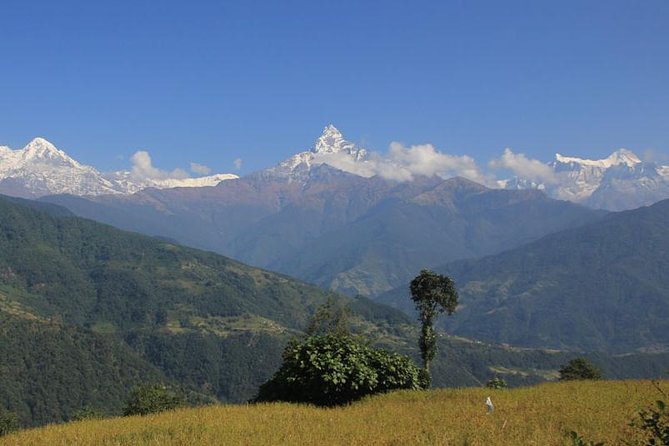
- Poon Hill at 3,210m: you’ll be going high enough for sunrise views, without the long, brutal commitment of bigger treks.
- Meals and lodging during the trek: breakfasts, lunches, dinners, snacks, and mountain accommodations are included.
Why Annapurna Panorama works when you want big views without getting lost
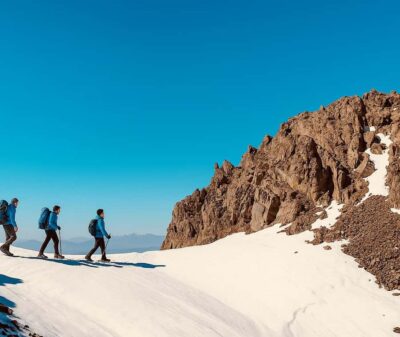
This trek is basically Poon Hill with extra time to breathe. That matters, because Poon Hill is famous—and busy. Here, the route keeps that payoff but spreads the walking over multiple days, with village stops and a steadier rhythm. It’s “moderately challenging,” which in real life often means: you’ll work, but you won’t be racing your lungs all day every day.
The other thing I appreciate is the structure around safety. You’re not left to figure out logistics on a map app. You get an experienced English-speaking government registered guide, support staff who know the trail, and the package includes all permits and paperwork (including the Annapurna Conservation permit and TIMS). That combination is what lets you focus on walking and taking photos instead of second-guessing directions.
You can also read our reviews of more tours and experiences in Pokhara.
Kathmandu start: temples, markets, and an easy first day
Your trip begins in Kathmandu with an arrival meet-and-greet by a company airport representative. Day 1 stays low-stress: you’re in town, and you get an afternoon stroll through Thamel, the colorful tourist neighborhood that’s useful for supplies, coffee breaks, and getting your bearings fast.
Day 2 is a full city excursion by private transport. You’ll visit multiple UNESCO-listed and standout sites across Kathmandu’s core and surrounding areas, including Pashupatinath Temple, Bodhanath Stupa, and Patan Durbar Square. The day also covers major stops like Swayambhunath Stupa and the Kathmandu Durbar Square area, plus several temple sights tied to the Durbar Square complex.
What I like here is pacing by design. Instead of hopping just one famous place, you get a structured tour route that helps you understand how the different sites connect. It’s not just sightseeing—it’s context for what you’ll see later in the hill villages.
Practical note: city entrance fees in Kathmandu are not included, so you’ll want a little cash for that.
The drive to Pokhara: Trishuli River views and Lakeside decompression
On Day 3 you drive from Kathmandu to Pokhara, typically 5–6 hours following the Trishuli River. Once you arrive, you stay at a hotel in Lakeside next to Fewa Lake. This is a smart transition. You’re dropping from Kathmandu’s altitude (listed around 1,300m) to the Pokhara area (around 910m), and Lakeside is where you can eat, rest, and do last-minute gear checks without drama.
Also, this is where the “private trek” idea becomes more than marketing. Because the package handles key transfers (private transport later to trailheads), Pokhara becomes your staging point rather than your logistics puzzle.
Day 4: Nayapul to Tikhedhunga and Ulleri—stone stair climbing, set your rhythm
Day 4 starts with a private transport ride to Naya Pul (the trail foot), and then trekking begins toward Birethanti, Sudame, and up to Tikhedhunga and Ulleri.
The big workload here is the approach climb. You’ll hike gradually up the valley side, then hit a steep ascent on stone staircases to Ulleri. That staircase section is the moment where fitness pays off quickly. The good news: you’re not alone doing it. Your guide sets a pace that fits your group, and with the porter team carrying luggage (with the listed ratio of 2 trekkers to 1 porter), you’ll usually feel less weighed down than independent trekking.
One practical drawback to plan for: stair days can feel uneven on tired knees. If you have sensitive knees, consider trekking poles early in the climb (and yes, you may be able to borrow them as part of the gear support).
Day 5: Ulleri to Ghorepani—rhododendron and oak forests to Deurali
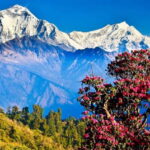
Day 5 takes you from Ulleri up to Ghorepani (around 2,850m). Your route runs through rhododendron and oak forests. This is where the trek turns from “climb mode” to “enjoy mode,” because the forests create a cooler, calmer walking feel.
You’ll trek about 5–6 hours (listed around 11km) and then continue to Upper Ghorepani / Deurali for the day. That slight “go further” detail can be helpful: it usually means you settle in with a better position for the next day’s Poon Hill plans.
This is also a day where the included meals matter. You’ll get breakfast, lunch, and dinner on trek, plus snacks like cookies, energy bars, and seasonal fresh fruit. That helps you keep energy steady without trying to improvise snacks in mountain villages.
Day 6: Poon Hill sunrise hike at 3,210m and onward to Tadapani
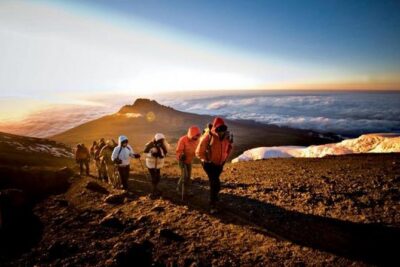
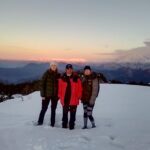
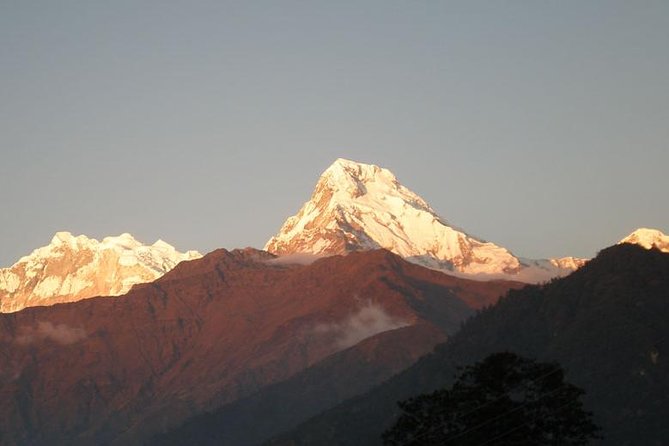
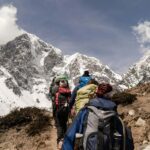
Day 6 is the payoff day for classic Annapurna views. You hike to Poon Hill (listed at 3,210m) for the sunrise experience, then continue trekking to Tadapani (around 2,520m). The schedule is 6–7 hours, so this is a full day even though sunrise usually feels like a short burst of effort.
Two good things here for your planning:
- You get the rhododendron forest hike again, which keeps the trail interesting.
- You do the big viewpoint moment, then move on to a village area where you can rest and enjoy the next section.
Tadapani is a solid overnight stop because it sets you up for exploring Ghandruk the next day. In other words: you’re not doing backtracking loops purely for altitude drama.
Day 7: Tadapani to Ghandruk—village time and a culture break
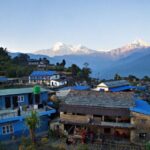
Day 7 is a shorter trekking day (listed 3–4 hours) from Tadapani to Ghandruk (around 1,950m). The trail includes forested and downhill paths before you reach Ghandruk village, where you explore the surrounding area.
This is one of the days that makes the Panorama trek feel like more than a photo run. Ghandruk is where you can slow down, look at village life, and enjoy views without constant uphill grind.
If you like cultural context as much as mountain views, this is the part of the trek to pay attention to. Your guide can also explain local flora and mountain culture throughout the journey, which is a recurring theme in the guide stories associated with this operator (for example, guides such as Ram Bhandari have been praised for being warm and patient, and for sharing context along the way).
Day 8: Ghandruk to Pothana—Modi Khola valley, then a steady climb
Day 8 heads from Ghandruk to Pothana (around 1,910m), with a 5–6 hour trek.
Your route descends via stone staircases to Modi Khola, then you begin an ascent toward Landrung village. After that, you keep walking toward Tolkha, then start a steady climb toward Deurali. You’ll also descend through a forested section with the note that slippery red mud can happen during monsoon only.
Why this day matters:
- You get a valley-to-village rhythm instead of only ridge lines.
- You spend time on mixed terrain, which makes the walking feel more like a real trek circuit and less like a repeat of earlier sections.
Pack and shoes matter here. If you’re a “new boots” person, break them in before Nepal. The staircases and varied ground are not the time to test whether your shoes have good traction.
Day 9: Pothana to Phedi and back to Pokhara—easy walking with range views
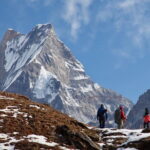
Day 9 is a recovery-friendly half day: an easy walk through the ridge with fantastic views of the Annapurna range toward Dhampus, followed by descent to Phedi and a 40-minute drive back to Pokhara.
The included transport here is a big comfort win. Many trekking packages make you arrange your own ride from the trailhead. This one uses private transport, which reduces the “wait around with your pack” factor.
It’s also a great moment to appreciate the whole route. You’ve climbed high enough for Poon Hill views, and now the Annapurna range sits in front of you one last time as you wrap things up.
Kathmandu and Pokhara wrap-up: farewell dinner and a final day without pressure
Day 10 returns from Pokhara to Kathmandu by private drive (again around 5–6 hours). You’ll transfer to your hotel and get an evening farewell dinner.
Day 11 is final departure. You’ll be transferred to the international airport for your onward flight.
One thing to note: lunch and dinner in Kathmandu and Pokhara are not included. Breakfast is included on trek, but not necessarily all meals in the cities. So plan on budgeting for those meals, and keep it simple—eat where you can but don’t overcomplicate it.
Gear, permits, and the small comforts that change how you feel on trek
This package covers a lot of the items that usually frustrate first-time trekkers:
- Permits and paperwork (Annapurna Conservation permit and TIMS)
- All accommodation, meals, and snacks during the trek
- Mountain lodge stays described as soft/comfort with a private room and a shared toilet
- Trekking equipment support like a down filled sleeping bag, walking poles, and a duffel bag
- Borrowing down jackets and sleeping bags if needed (as highlighted in the trip features)
That equipment help matters for two reasons. First, weather at altitude can be colder than you expect. Second, you don’t want to travel with bulky winter gear if you only need it for a week.
Also, bottled water is included during the trek, and you’ll get coffee and/or tea. Boiled water isn’t listed as included, and hot showers are not included—so build your comfort expectations accordingly. Wi‑Fi and device recharge are also not part of the deal.
Price and logistics: what $1,045 gets you (and where you may spend extra)
At $1,045 per person, the price is easiest to understand by looking at what you don’t have to manage yourself.
Included items that usually cost money or time when you trek independently:
- A private trek setup with an English-speaking guide and porter support (listed as 2 trekkers: 1 porter)
- Mountain lodge nights
- Full meals and snacks during the trekking portion
- Permits and taxes
- Private transport for key segments: Pokhara to Naya Pul, and Phedi to Pokhara later
- Kathmandu hotel nights (included as a boutique hotel for 3 nights) and private city tour transport
Not included items that you should plan for:
- City entrance fees in Kathmandu
- Lunch/dinner in Kathmandu and Pokhara
- Hot shower, Wi‑Fi, and electronic device recharge
- Travel insurance and evacuation insurance
- Tipping
- Boiled water and bottled drinks (as listed)
The real value, in my view, is that you pay to remove uncertainty. When your route is managed end-to-end—permits, trail support, lodge stays, and transport—you’re more likely to enjoy the trek instead of stress-testing logistics.
Who this Annapurna Panorama trek suits best
This fits best if:
- You want the big Annapurna views without the long grind of the highest-altitude and longest treks.
- You like a moderate challenge with built-in support and clear route planning.
- You’re also interested in Nepal’s culture, since you get Kathmandu sightseeing days paired with mountain walking.
This might not be ideal if:
- You hate stairs and steady uphill climbs. Day 4 includes a steep stone staircase section, and multiple trekking days include ascent and descent.
- You need hot showers and constant connectivity. Those are not included.
- You want a fully self-guided trek. This is private and supported, not DIY.
Should you book this trek?
If you’re choosing between doing Poon Hill alone and doing a more complete Annapurna Panorama loop with support, I’d lean toward booking—especially if you value permits handled, meals included, and a guide who can keep the day moving at your pace. The itinerary also makes sense for mixed interests: mountain time plus Kathmandu and Pokhara culture.
Book it if your fitness level matches “moderate,” and you’re okay with the trade-offs: long drives, stair sections, and no hot shower in the mountains. Skip it if you’re looking for a purely leisurely stroll with zero uphill and maximum comfort at every turn.
If you do book, ask the operator to confirm two small details before you pay attention too hard on packing: your exact Kathmandu hotel nights (the inclusions list 3 nights, while the day-by-day plan shows Kathmandu before the Pokhara drive) and whether your group needs any extra cold-weather borrowing beyond what’s listed. That’s an easy call—and it keeps the whole trip smooth.
FAQ
What trek duration is included?
The plan includes about 6 days of trekking, with the rest of the trip focused on Kathmandu and Pokhara sightseeing and travel days.
Where does the tour start?
The meeting/start point is listed as Pokhara (Gandaki Zone, Western Region) with a start time of 8:00 am. The day-by-day plan also includes an arrival day in Kathmandu.
Is this trek private?
Yes. It’s listed as a private tour/activity, meaning only your group participates.
What permits are provided?
The package includes paperwork and permits, including the Annapurna Conservation permit and TIMS.
What’s included during the trek?
You get full meals (breakfast, lunch, dinner), snacks, bottled water, and mountain accommodation with private rooms and shared toilet facilities.
What trekking gear can be provided or borrowed?
The trip includes trekking equipment such as a down filled sleeping bag, walking poles, and a duffel bag, and it also notes you can borrow down jackets and sleeping bags if needed.
How much porter support is included?
The guide/porter plan is listed as 2 trekkers: 1 porter for carrying luggage.
What altitude does Poon Hill reach?
Poon Hill is listed at 3,210m (10,528 ft) on Day 6.
What’s not included in the trip price?
Not included: city entrance fees in Kathmandu, lunch/dinner in Kathmandu and Pokhara, boiled water, hot shower, Wi‑Fi, device recharge, bottled drinks, personal expenses, travel insurance/evacuation insurance, and tipping.
Do I need to cancel far in advance to get a refund?
You can cancel up to 6 days in advance for a full refund, and the percentage refund depends on how many days before the start you cancel.