REVIEW · PORT MORESBY
ADVENTURE KOKODA 10-Day Premium Kokoda Campaign Trek Australian Led
Book on Viator →Operated by Adventure Kokoda · Bookable on Viator
Kokoda feels like history on your boots. What makes this trek so compelling is the wartime trail focus: you’re not just hiking scenery, you’re moving between key moments of the Kokoda campaign with briefings that explain what happened on each ridge, creek, and defensive line.
I love the fact the schedule builds in the major sites people come for, especially the Isurava Dawn Service, which is treated as the emotional peak of the trek. I also like the way the Myola days mix battlefield meaning with a memorable change of pace at Bombers campsite, including time around Lake Myola and even an inspection of the P40 Kittyhawk aircraft wreck site.
A possible drawback is that expectations around food should stay flexible. Even with “fresh meals” and a dedicated PNG cook, one common theme from past participants is that the meals didn’t always match the hype.
In This Review
- Key things that make this trek worth your time
- First day in Port Moresby: getting briefed before the jungle starts
- Day 2 start on the trail: from Sogeri to the early campaign corners
- Imita Ridge via the Golden Staircase: fortress thinking at 860m
- Mogolonumu (Maguli Range) and Banana Camp: false ridges and big payoff views
- Ladavi Saddle, Nauro Lookout, and Menari Gap: where the trail pinches
- Efogi 2 Village (Laununumu): Japanese monument and battlesite focus
- Moss Forest to Lake Myola: Bombers campsite, Myola 1 & 2, and the P40 connection
- Mt Bellamy track junction and Kokoda Gap: long views down to Yodda Valley
- Vabula Ridge and delaying positions: 2/14th–2/16th battalions in the dirt
- The Isurava Memorial dawn service: why this is the highlight
- From Hoi to Kokoda: the 39th Militia Battalion plateau and final memorial stops
- How the premium support works: gear, meals, and emergency readiness
- Price and value: what $3,443 covers on a remote trek
- Who should book, and who should think twice
- Should you book Adventure Kokoda’s 10-Day Premium Campaign Trek?
- FAQ
- How long is the trek?
- Where does the trip start and end?
- What time does the experience start?
- What’s the maximum group size?
- Is the Isurava Dawn Service included?
- What’s included for camping and sleeping?
- What meals are included?
- What safety and emergency communications are provided?
- Are international flights included?
- Is free cancellation available?
Key things that make this trek worth your time
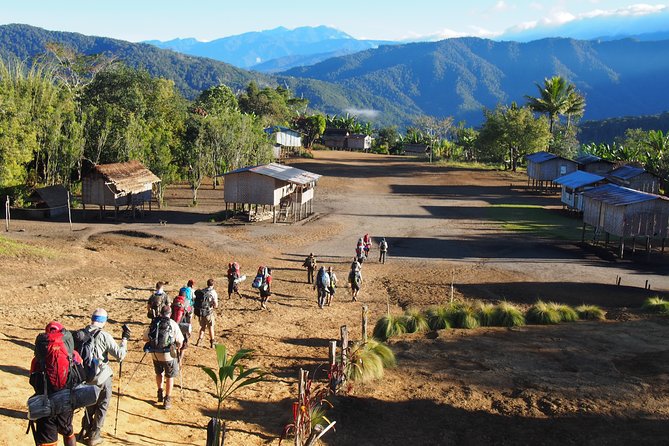
- Isurava Dawn Service at the Isurava Memorial, with a wartime briefing that sets the tone for the final days.
- Bombers campsite and Lake Myola time, including exploration plus an inspection connected to the P40 Kittyhawk crash site.
- Battlefield-led guiding with specialists who read the terrain like a map of the fighting.
- Small-group feel with a maximum of 15 trekkers, plus a dedicated local carrier team.
- Serious safety communications in remote terrain, including satellite phone and UHF radios.
- Premium logistics built-in: transfers, permits, campsite fees, gear support, and a topographic map included.
First day in Port Moresby: getting briefed before the jungle starts
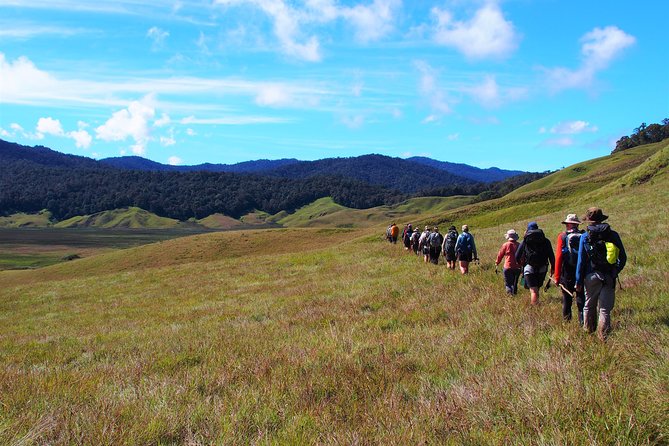
The trip begins in Port Moresby, then you settle into Sogeri Lodge for the pre-trek rhythm: check-in, a briefing, and a chance to meet your team. This matters more than it sounds. Kokoda is one of those places where the day’s plan depends on you knowing what’s coming—how long you’ll walk, how the terrain will feel, and what your role is around your gear and team routine.
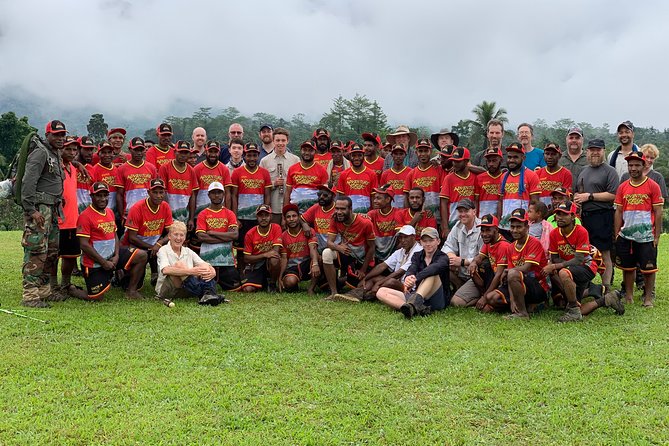
By evening, you’re on introductions and dinner mode. You’ll also get a feel for group size and pace. This is a maximum-15 trek, so you’re not swallowed by a giant crowd. You can ask questions. You can watch how your group moves. And you’ll likely notice how much the plan relies on the PNG guide and carrier team doing their jobs smoothly.
Day 2 start on the trail: from Sogeri to the early campaign corners
After reveille and breakfast, the trek transitions from city to “track life.” You move by vehicle to the early staging points—McDonald’s Corner and then Owers Corner. These are not just place names. They’re checkpoints where the early campaign pressure starts to show up in the terrain: steep ground, narrow routes, and a constant sense that every bend in the path has a reason.
At Owers Corner, you meet guides and porters and inspect a 25-pound artillery gun relocation. That’s a detail I really like because it grounds the briefing in something physical. You can read about a campaign, but seeing and discussing artillery presence in context helps your brain lock onto what the guides are trying to explain.
The day ends in the first full rhythm of the trek: briefing, hiking, and camp logistics. You’re still fresh, but you’re already learning how a “long day on foot” feels when the trail is steep and the weather plays tricks.
Imita Ridge via the Golden Staircase: fortress thinking at 860m
One of the most famous climbs on Kokoda is the Golden Staircase, and this trek uses it for a reason. You follow the wartime route toward the Golden Staircase, then work your way up to Imita Ridge at around 860m. The key experience here is how the guides connect the slope and rock formations to what soldiers needed: defensive cover, lines of movement, and where small decisions turned into lasting consequences.
At Imita Ridge, you inspect weapon pits on the brigade position, set against that sheer rock-face feeling the area is known for. This is exactly the kind of stop where you’ll want to slow down. Don’t just walk past the briefing moments. Stand where you’re told to stand. Look where they point. You’ll get more meaning from the terrain when you’re not rushing.
Practical tip: if you tend to power-walk uphill, switch to steady breathing early. The day has enough climbing to make you tired before your brain even catches up to the history.
Mogolonumu (Maguli Range) and Banana Camp: false ridges and big payoff views
The climb to the crest of the Maguli Range—called Mogolonumu at about 1,335m—has a reputation for wearing you down. This trek leans into that reality by describing the route as featuring numerous false ridges. That detail is important for your expectations. You might see a “promising” ridge and think it’s the top, only to discover the terrain has more to give.
Breakfast at Banana Camp gives you a real break, and the guides’ interpretation continues here too: you’re not just resting your legs, you’re resetting your mind for what the day’s fighting geography meant.
If you enjoy “reading” a route—how ridgelines funnel movement and how the jungle hides direction—this is one of the better segments. The views can be dramatic, but the real value is understanding how height, angle, and visibility shaped tactics.
Ladavi Saddle, Nauro Lookout, and Menari Gap: where the trail pinches
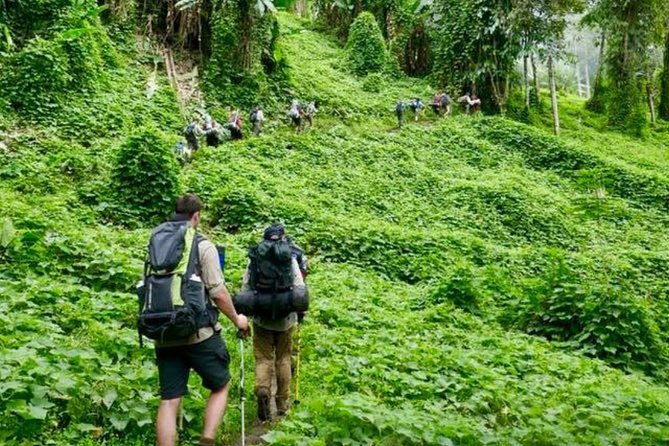
The day through Hehomuri Creek (sometimes associated with the idea of five creeks) and the base of Ladavi Saddle takes you into a rhythm that feels like: climb, catch your breath, climb again. You’ll do a sharp climb to the Nauro Lookout around 1,035m, then continue toward the Menari Gap in the Ladavi Saddle area.
This segment is memorable because it hits a balance of effort and payoff. You’re working hard, but you get breaks that help you stay steady rather than burn out. And because this trek is “premium,” the briefing focus remains intense even when your legs are tired. That’s the sweet spot: history that’s tied to what your body is experiencing.
Efogi 2 Village (Laununumu): Japanese monument and battlesite focus
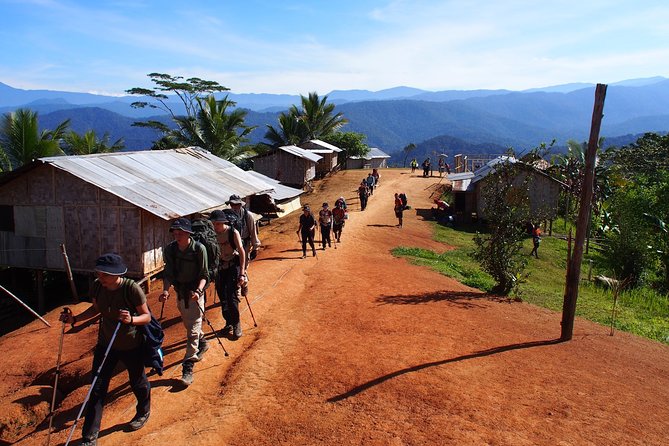
Next, you head down to Kavai Creek around 1,200m, then up to Efogi 2 Village (Laununumu) around 1,385m. This is one of those days where the terrain is only part of the story.
The trek includes an inspection of a Japanese monument erected by Corporal Nishimura, plus battlesite briefing tied to what happened during the fighting. Stops like this matter because they remind you that Kokoda involved multiple sides and layers of human experience, not just one simple narrative.
I’d plan to spend a little extra time on these cultural and memorial moments. Read the guide’s explanations. Ask questions when you’re allowed. This is also where you’ll likely feel the “weight” of the campaign most clearly, especially because the terrain itself is so demanding.
Moss Forest to Lake Myola: Bombers campsite, Myola 1 & 2, and the P40 connection
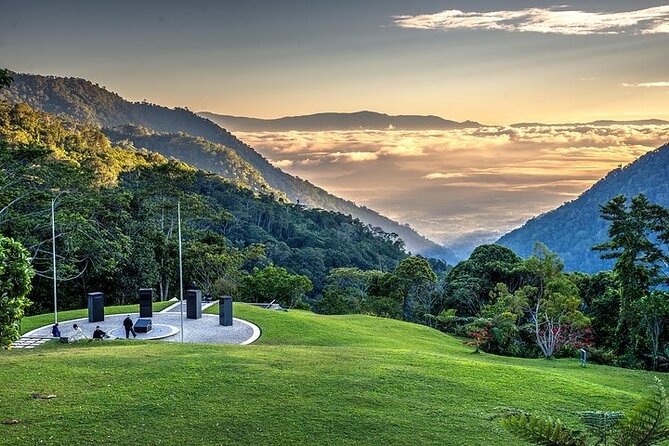
The Lake Myola section is the trek’s change-up day in the best way. You pass through Moss Forest toward the edge of Lake Myola 1, then cross to the edge of the climb to Lake Myola 2—described as a prairie-like landscape formed from an extinct volcanic crater.
You also get two nights at Bombers campsite. That longer campsite time is a big deal. It gives you breathing space to explore both Myola lakes properly instead of rushing them in a single photo-stop day.
The really distinctive component is the time spent inspecting a P40 Kittyhawk fighter aircraft crash site on the northern edge of the lakes. This is the kind of detail you don’t see on a generic rainforest trek. It’s wartime aviation history tied to ground that you’re walking over.
Evenings here can feel very quiet. That quiet matters too, because it gives the memorial briefings time to land inside you rather than bounce off your brain while you’re still climbing.
Mt Bellamy track junction and Kokoda Gap: long views down to Yodda Valley
On day 8, you move via the track cut by Captain Kienzle to the main Mt Bellamy track junction at about 2,245m. Then you head down toward Kokoda Gap around 2,190m. This is a classic Kokoda contrast: steep climbs to high points, then long, exhausting descents where your legs do the work and your head keeps replaying what you’re hearing.
You’ll get extensive views down toward Yodda Valley on the northern side. And because this trek is guided by battlefield/historical interpretation, those views aren’t just a scenic reward. They’re a way to understand why certain movements mattered, how distances changed what was possible, and why holding a gap could decide the next phase.
When you’re tired, descents can also be risky. Use small steps. Keep your attention on footing, especially in wet or rooty sections.
Vabula Ridge and delaying positions: 2/14th–2/16th battalions in the dirt
You start day 9 with morning tea around Vagebau Creek (about 1,895m), then climb toward the crest of Vabula Ridge around 1,905m. After that, you descend into a delaying defensive position occupied by the 2/14th–2/16th battalions during their fighting in the area.
This segment stands out because it shows Kokoda isn’t only about one big battle. It’s also about delays, holding actions, and movement under pressure. The terrain at ridge tops tends to feel exposed, which makes the idea of delaying positions click faster than it would on a flat battlefield page.
The Isurava Memorial dawn service: why this is the highlight
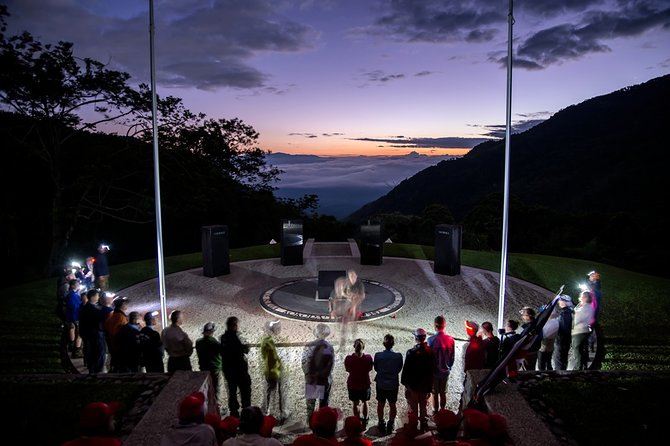
Then comes what many people call the emotional peak: the Dawn Service at the Isurava Memorial. The timing is early—reveille at 0430, service at 0500, and then a wartime briefing on the Battle for Isurava.
This is not a “look and move on” moment. It’s structured, solemn, and shared with your PNG guides and carriers. For many visitors, this is the first time the trek really feels like more than a demanding walk. It becomes a shared remembrance, with the guide’s explanation giving you context for why Isurava matters and what it represented in the campaign.
Afterward, you still keep moving. You trek to Isurava Village around 1,360m via Etume and Ilole creeks for morning tea, continuing down the mountain afterward. So yes, you’ll be tired. But the service gives the rest of the day a different feel.
From Hoi to Kokoda: the 39th Militia Battalion plateau and final memorial stops
On day 11, you trek from Hoi down to Kokoda at about 395m AMSL, via Kovello. This day includes inspections of the plateau where the 39th Militia Battalion first met the Japanese, plus wartime briefing on two battles for Kokoda, and time around monuments and memorials.
That combination—terrain inspection plus briefing plus memorial stops—is a consistent theme on this trek. It’s the main reason the experience feels “complete” rather than random. You’re being shown why each location matters.
Even with the lower elevation, this final day can still feel heavy because you’re carrying the emotional weight of what you’ve learned over the week-plus of hiking. Expect your attention to stay high, even when you’re physically ready to finish.
How the premium support works: gear, meals, and emergency readiness
This trek is “premium,” and you can see it in the support structure.
You get:
- A group first aid kit with trained and experienced first aid support
- Emergency communications including a satellite phone and two UHF radios, plus a 24-hour rear link to Port Moresby
- Group trekking gear like safety ropes, machetes, shovels, and tarpaulins
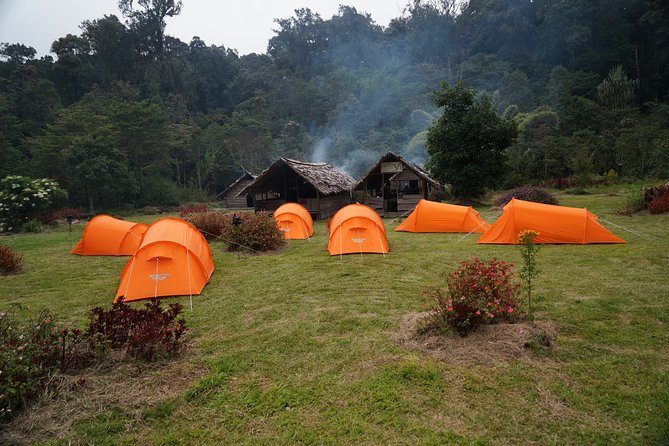
- Personal mosquito proof tent per trekker, with the guides carrying, erecting, and dismantling it
- Fresh meals cooked and served hygienically by a PNG boss cook
- Pre and post-trek twin-share hotel accommodation and meals in PNG
- A Kokoda Certificate of Achievement
I also like that you’re not stuck guessing what you need. The trek includes a 1:50,000 topographic map, and you’re working under an official Kokoda Track Authority Trek Permit.
One practical note: malaria prevention isn’t included. You’ll need to arrange anti-malarial medication with your doctor. Mosquito protection is built into the tent setup, but your health planning still stays on you.
And about food: the trek promises fresh trail meals. Still, one caution from past participants is that food quality didn’t always live up to the advertisement. So I’d treat meals as good, not guaranteed-to-be-fancy.
Price and value: what $3,443 covers on a remote trek
At $3,443, this isn’t a budget hike. The value comes from what’s included rather than what you might pay separately.
This package covers:
- Most vehicle transfers in PNG
- Trek and village campsite fees
- Official authority permit
- Pre and post-trek hotels and meals
- A private charter flight between Port Moresby and Kokoda
- Your core gear support and camping systems
- Emergency comms and trained first aid support
- Specialized battlefield/historical leadership
- The guide and carrier team that keeps the whole thing running
For a trip in a remote part of the world, those inclusions can save you from the expensive, stressful parts of DIY planning. You’re paying for coordination, safety systems, and interpretation—the three things that matter when the jungle is real and the trail is unforgiving.
Who should book, and who should think twice
You’ll love this trek if you want:
- A guided, historically serious Kokoda experience
- A small group dynamic (maximum 15)
- A structured schedule with long briefing time at key sites
- A team setup that handles camp systems and emergency readiness
You should think twice if:
- You’re not comfortable with strenuous hiking and uneven terrain for many days in a row
- You need a trip that feels purely about comfort and less about memorably heavy subject matter
- You’re unwilling to plan health basics like malaria prevention
This is for people who respect memorial spaces and want their effort to mean something.
Should you book Adventure Kokoda’s 10-Day Premium Campaign Trek?
If you’re the kind of traveler who wants Kokoda explained in context—not just photographed—this trek is a strong choice. The combination of the wartime guided briefings, the pace of ridge-and-creek sections, and the Isurava Dawn Service makes it feel like a full campaign walk rather than a generic trek.
I’d book if you’re ready for physical effort and you value leadership that reads the terrain. I’d be cautious if your biggest goal is easy scenery without demanding days, or if you’re very food-specific. The trek handles logistics and safety well, and that’s a big deal in Papua New Guinea.
If you want Kokoda to stay with you for years, this is one of the more intentional ways to do it.
FAQ
How long is the trek?
The experience is listed as 12 days approximately, with a Kokoda campaign trek duration described as 10 days premium.
Where does the trip start and end?
It starts at Jacksons International Airport in Port Moresby and ends back at the meeting point.
What time does the experience start?
The start time is listed as 6:00 am.
What’s the maximum group size?
The maximum number of travelers is 15.
Is the Isurava Dawn Service included?
Yes. The trek includes a Dawn Service at the Isurava Memorial.
What’s included for camping and sleeping?
You get a personal mosquito proof tent per trekker, with guides carrying, erecting, and dismantling it.
What meals are included?
The tour includes fresh meals on the trail and also pre and post-trek hotel meals. Lunch, breakfast, and dinner counts are listed as 10 lunches, 11 breakfasts, and 11 dinners.
What safety and emergency communications are provided?
You receive emergency communications including a satellite phone, two UHF radios, and a 24-hour rear link to Port Moresby, plus a group first aid kit with trained first aid support.
Are international flights included?
No. International flights to and from Port Moresby are not included.
Is free cancellation available?
Yes. You can cancel up to 24 hours in advance for a full refund.
If you’d like, tell me your fitness level and travel dates, and I’ll suggest what to focus on for training and what to pack (based only on what this tour doesn’t provide).