REVIEW · PORT MORESBY
11 Day Kokoda Trek Australian and Local Guides
Book on Viator →Operated by No Roads Expeditions · Bookable on Viator
Kokoda is where history walks. This 11-day trek along the Kokoda Track in Papua New Guinea pairs WWII sites and village life with real, physical trail days under the Owen Stanley Ranges. You’ll camp for most of the trip, eat trail food, and move with Australian and local guides who know how to explain what you’re seeing.
Two things I really like about this experience are the small group size (max 14) and the personal guidance from people like guide Robyn, who gets a special mention for care and support. You also get a meaningful PNG cultural moment with the local Sabbath invitation on Day 6.
One big consideration: this is not a soft hike. The itinerary includes steep climbs, steep descents, swampy ground, and multiple river crossings, and it explicitly asks for a strong fitness level, plus you’ll spend 9 nights camping.
In This Review
- Key Points to Know Before You Go
- Kokoda Track in 11 Days: What You’re Really Signing Up For
- Port Moresby Setup and Hilton Briefing: Getting Oriented Fast
- Isurava to Templeton’s Crossing: When Memorials Become Morning Stops
- Mt Bellamy (2,190 m) and the Kokoda Gap: The Big Climb Day 5
- Local Sabbath on Day 6: A Human Moment on the Track
- Brigade Hill to Menari: Climbing Hard and Seeing Why It Mattered
- Menari to Nauro: Saddle Climb, Lowlands, and River Crossings
- Maguli Range and Wa-ule Creek Camps: Day 9’s Long Work and Recovery
- Owers’ Corner and Imita Ridge: The Final Tough Day (and Why It Ends This Way)
- After Breakfast on Day 11: Ending the Trek and Transitioning Back
- Camp Life, Trail Meals, and the Comfort You Actually Get
- Guides, Group Size, and Why Local Knowledge Matters
- Price and Value: Is $3,442.77 Worth It?
- Who This Trek Suits (and Who Should Reconsider)
- Should You Book This Kokoda Trek?
- FAQ
- How long is the Kokoda Track trek?
- Where does the trek start in Port Moresby?
- What kind of accommodations are included?
- Are meals included?
- Does the price include permits and flights?
- How big is the group?
- Is international airfare included?
Key Points to Know Before You Go
- Max 14 people means more attention from the guides during tough sections
- WWII stops are built into the route, including Isurava Battlefield Memorial and sites tied to Mt Bellamy and Imita Ridge
- You get culture beyond the trail, with an optional Seventh-day Adventist service on the local Sabbath
- Meals are handled for you on the track, including 10 breakfasts, 9 lunches, and 9 dinners (with one dinner not included at the start)
- Domestics are part of the package, with a Port Moresby to Popondetta flight plus transfers
Kokoda Track in 11 Days: What You’re Really Signing Up For
This trek is famous for a reason: you’re not just walking in the jungle, you’re tracing the same harsh terrain tied to WWII movements through the Owen Stanley Ranges. The trip is structured so the physical effort and the historical context show up together, day after day. That combo is what makes Kokoda stick in your brain.
On the surface, it’s 11 days on the Kokoda Track with experienced Australian and local guides. Under the hood, it’s a real stamina test: you’ll start with flight and transfers, then move through memorial sites, long climbs, steep saddles, lowland swamp terrain, and repeated river crossings. Expect a rhythm of push, recovery, and refocus—especially with 9 nights in tents.
If you’re the type who likes your travel with purpose, this works. You’ll see memorials like Isurava, pass through places named for key crossings (like Templeton’s Crossing), and hit summits like Mt Bellamy (2,190 metres). You also get the human side of PNG life via village visits and shared community moments along the way.
You can also read our reviews of more tours and experiences in Port Moresby.

Port Moresby Setup and Hilton Briefing: Getting Oriented Fast
The experience starts in Port Moresby with a pickup from the airport to the Hilton Hotel. That evening, you get a briefing by your guide. This matters more than you might think: Kokoda isn’t something you wing. Even before Day 2 begins, you’ll be getting the mental picture of what’s ahead.
Day 2 starts with a 7:00 am flight from Port Moresby to Popondetta (about 30 minutes). From Popondetta, you travel onward along the rugged route tied to WWII history. The itinerary notes the journey continues over a bumpy, difficult track once used in that era—so you go from hotel comfort straight into “trail reality,” quickly.
Practical note for timing: the meeting point is Jackson Field in Port Moresby, with a start time of 9:00 am listed. Plan to be ready for an early day, because the trek itself starts with momentum.
Isurava to Templeton’s Crossing: When Memorials Become Morning Stops
Days 3 and 4 are where the Kokoda story begins to feel personal.
On Day 3, after breakfast you break camp and begin trekking toward Alola. The route passes one of the most moving stops along the Kokoda Track: the Isurava Battlefield Memorial. Memorials like this are not just markers. On a trek, they become a moment where you pause physically in the same tough surroundings people faced historically. It turns “history” into something you can actually picture.
On Day 4, you move from Alola to Templeton’s Crossing 1, also known as Dump 1, at the base of Mt Bellamy. You go via Eora Creek. This day is described as one of the longer days on the track, but also one of the more rewarding ones. Long days can be tough, but they’re often the ones that teach you how the trek works: how to pace climbs, how to keep going when the trail feels endless, and how the terrain changes.
If you’re thinking about effort, this is a day to respect. With a longer route built in, you’ll want to treat Day 4 as a stamina builder, not something to sprint.
Mt Bellamy (2,190 m) and the Kokoda Gap: The Big Climb Day 5
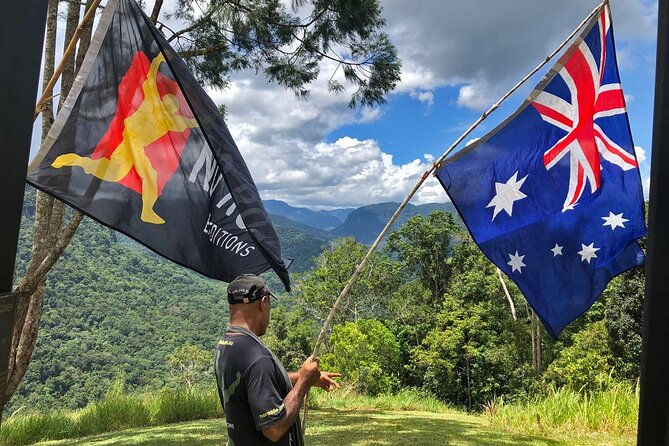
Day 5 starts at Templeton’s Crossing 1 and takes you on a steady ascent to the highest point on the Kokoda Track: Mt Bellamy (2,190 metres). The itinerary calls the climb challenging but rewarding, and it specifically mentions the Kokoda Gap with sweeping views.
This is the sort of day where the guide’s explanations really matter. When you’re working uphill and your breathing is doing its own workout, it’s easy to just focus on putting one step in front of the next. A good guide helps you connect the terrain to the story—why that ground was so difficult, why the crossings and passes mattered, and what people were dealing with there.
Also, you’ll appreciate that Day 5 is framed as a climb with meaning. You’re not just ascending for exercise. You’re ascending to see a high point that ties directly into the trail’s historic path.
Local Sabbath on Day 6: A Human Moment on the Track
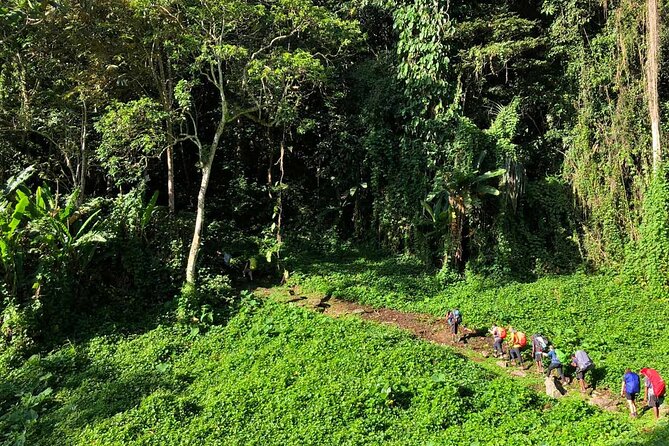
Day 6 is different from the rest, and that’s a good thing. The itinerary says today is the local Sabbath, observed by the Seventh-day Adventist community, and you’re warmly invited to attend a church service if you wish.
This is one of those PNG experiences that doesn’t feel like a side quest. It’s part of how you connect with the local community rather than just passing through. Even if you’re not religious, it can be a powerful moment because it shows how village life and faith still shape daily routines.
It’s also a reminder that Kokoda is not only a WWII route. It’s a living trail through real communities with real traditions. For many people, that contrast is what makes the trek feel bigger than a history tour.
Brigade Hill to Menari: Climbing Hard and Seeing Why It Mattered
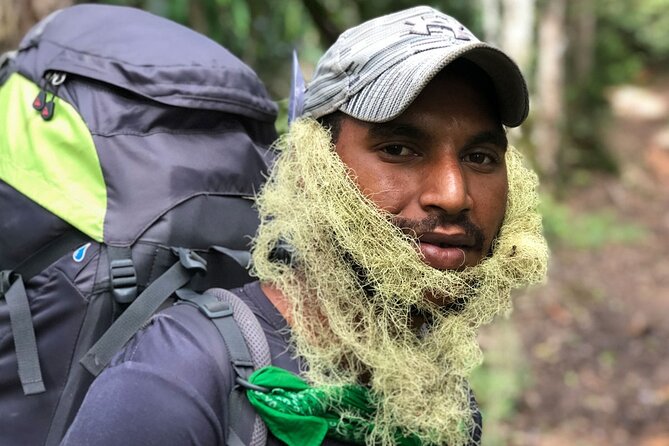
On Day 7, you go from Kagi to the village of Menari. The itinerary highlights a memorable ascent of Brigade Hill in the morning—described as one of the most significant sites along the track, both historically and physically.
This is exactly how Kokoda tends to work: you earn the view or the next position on the map with an uphill fight. Brigade Hill is named for a reason, and it’s the kind of place where the guide’s ability to explain the historic context makes your effort feel more connected.
After the summit, you continue toward Menari. By this point in the trek, you’ll likely have your own rhythm figured out—when to push, when to slow, and how to keep steady. The hard part isn’t only the climb. It’s also the commitment to keep moving after you think you might be finished.
Menari to Nauro: Saddle Climb, Lowlands, and River Crossings
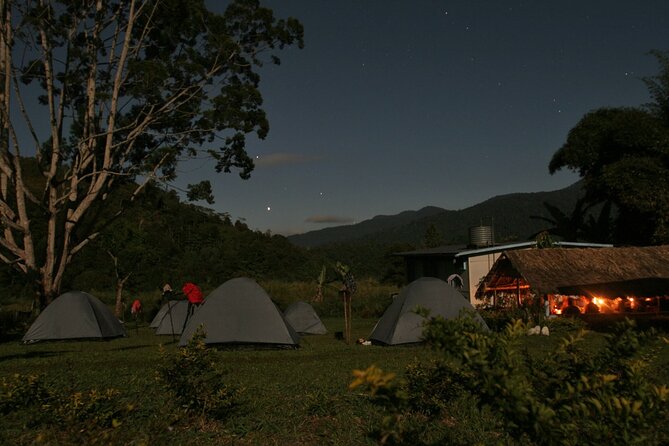
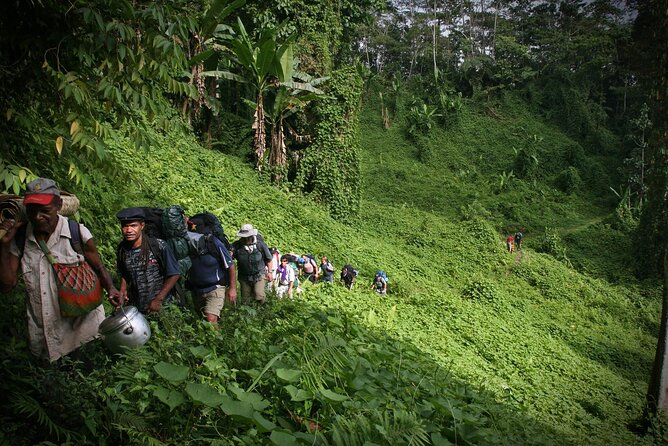
Day 8 takes you from Menari to Nauro. The day begins with a steep climb over the saddle, then turns into a descent into the lowlands. The itinerary is clear about the conditions: swampy terrain and several river crossings.
This is where many treks separate into two types: the ones where you can mostly focus on walking, and the ones where you’re adapting all the time. Swampy ground changes how you place each step. River crossings add another layer of timing and balance. You’re not only tracking distance—you’re managing conditions.
The practical upside is that this day gives variety. If your hiking brain is getting bored, Kokoda doesn’t let it happen. You’ll be solving terrain problems all day, and that keeps you mentally engaged.
Maguli Range and Wa-ule Creek Camps: Day 9’s Long Work and Recovery
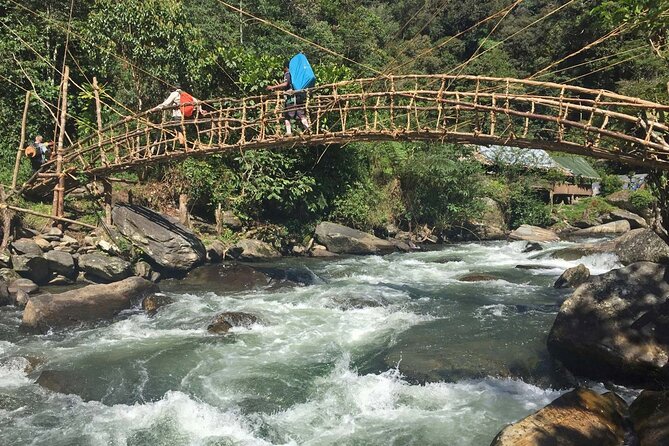
Day 9 moves from Nauro to your campsite at Wa-ule Creek. It starts with a steady climb through open grasslands, ascending the Maguli Range. After the top, you get a long and steep descent through dense jungle, leading to camp.
This setup is classic Kokoda logic:
1) build altitude gradually,
2) commit to the hard down,
3) arrive at camp tired but satisfied.
Because you’re in tents for most nights, the campsite part of Day 9 matters. The trek includes all tents and camping cooking and eating equipment, including knives and forks, which helps remove logistics stress. You’re not managing camp gear yourself, and that means more of your energy goes into the walking and the shared trail rhythm.
Owers’ Corner and Imita Ridge: The Final Tough Day (and Why It Ends This Way)
Your final full day on the track is Day 10: Wa-ule Creek to Owers’ Corner. The itinerary starts with several river crossings, then brings you the long, steep ascent of Imita Ridge before the journey’s end.
This is a smart design for a finishing day. After days of climbs and descents, it’s fitting to close with one last uphill push. Imita Ridge is the kind of challenge that forces you to focus on form and pace, not just effort.
Once you hit that final climb, Owers’ Corner gives you a clean emotional payoff. The route ends through a named place that helps you understand the trek’s bigger arc—from early memorial stops to the final hard-earned position.
After Breakfast on Day 11: Ending the Trek and Transitioning Back
Day 11 is straightforward. After breakfast, you head home after your amazing trek. Since the trek is 11 days approx and includes domestic flights and transfers, the final day is about transition: you move from trail life back into travel mode.
One detail that’s useful to remember: your trail meals coverage is mostly set, but the info says 1 dinner on the first night is not included. Everything else on the track is covered with the listed 10 breakfasts, 9 lunches, and 9 dinners.
Camp Life, Trail Meals, and the Comfort You Actually Get
This trip runs on a simple assumption: on Kokoda, the work comes daily, so you should have food and camp handled for you.
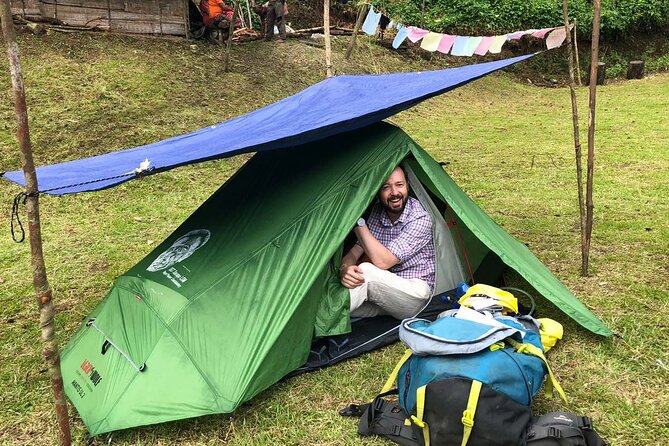
You get 9 nights camping and 2 nights at the Hilton Hotel. You’ll sleep in tents during the trek and rest with the group and guide team at camp. The trek also includes all tents, cooking and eating equipment, plus all food on the trail.
Meal coverage is strong and specific:
- 10 breakfasts
- 9 lunches
- 9 dinners
And one dinner early in the trip isn’t included. Still, most of your energy goes into walking, not planning.
The reviews associated with this experience consistently point out that the food is better than people expect for a trek of this type. That’s not just a nice-to-have; good meals help you keep moving the next day, especially after steep climbs and wet conditions.
Guides, Group Size, and Why Local Knowledge Matters
The trek is led by experienced Australian and local guides, and the group size is capped at 14 trekkers. That cap isn’t just trivia. On a route with steep ascents, river crossings, and long days, a smaller group means more manageable pacing and more help when the trail gets awkward.
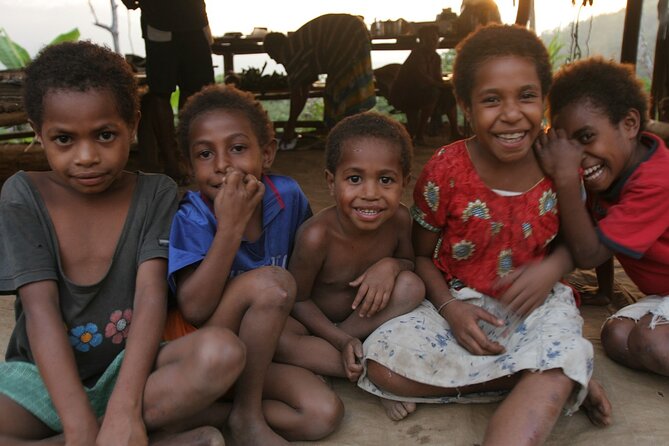
I also like the way the itinerary gives space to local life. The optional Sabbath service on Day 6 is one example. The village visits tied to Menari and Nauro are another. This is not just history read off a sign—it’s history lived alongside PNG communities.
From the guide mentions in feedback, names like Robyn come up for support and guidance. I take that as a sign that the team approach is real: they don’t just lead the group; they manage the experience so you can keep going when it gets hard.
Price and Value: Is $3,442.77 Worth It?
At $3,442.77 per person, this isn’t a cheap weekend. But it also isn’t just a trek with a guide and a vague promise of adventure.
Here’s what’s included that protects your budget:
- All trek permits
- Domestic flights (including Port Moresby to Popondetta)
- All transfers
- Hilton Hotel for 2 nights
- All trek camping setup (tents and cooking/eating equipment)
- All food on the trail, including most meals (10 breakfasts, 9 lunches, 9 dinners)
- Pickup is offered, and you get mobile ticket access
Add it up and the price starts to look like a packaged logistics solution. Kokoda is far from a “bring your own plan” type trip. When permits, flights, and daily meals are handled, you’re paying for reduced friction. That’s value on a trail where stopping to solve logistics is not really an option.
If you’re comparing only the dollar amount, it looks high. If you compare what you’re not paying for on your own, it can feel more reasonable—especially for something as complex as moving through WWII sites and village areas with the right permissions.
Who This Trek Suits (and Who Should Reconsider)
This trek is best for you if:
- you have a strong physical fitness level
- you want a mix of WWII history and PNG village life
- you’re okay with 9 nights of camping
- you like guided context that helps the scenery and memorials make sense
It might be a bad fit if:
- you want a mostly easy walk or short days
- you dislike river crossings and steep terrain
- you’re expecting full comfort every night
The itinerary is honest about the difficulty rhythm: challenging climbs like Mt Bellamy, steep saddles, swampy lowlands, and repeated crossings.
Should You Book This Kokoda Trek?
I’d book it if you want Kokoda as a guided, structured experience where the history isn’t an afterthought and the logistics don’t steal your attention. The combination of small group size, local + Australian guidance, and a route that builds in memorial stops and community moments on Day 6 is a strong match for people who take meaningful travel seriously.
If you’re on the fence because you’re worried about fitness, don’t ignore that signal. This trip explicitly asks for strong physical readiness, and the itinerary repeatedly puts you in uphill and wet terrain scenarios.
If you meet the fitness requirement and you want a trip that feels both tough and personally connected, this one makes a lot of sense.
FAQ
How long is the Kokoda Track trek?
It’s an 11-day experience, with the schedule running for about 11 days.
Where does the trek start in Port Moresby?
The start is at Jackson Field in Port Moresby, Papua New Guinea, with a start time of 9:00 am.
What kind of accommodations are included?
The package includes 9 nights camping and 2 nights at the Hilton Hotel.
Are meals included?
Yes. The trek includes 10 breakfasts, 9 lunches, and 9 dinners. One dinner on the first night is not included.
Does the price include permits and flights?
Yes. It includes all trek permits and domestic flights, plus all transfers.
How big is the group?
The tour has a maximum group size of 14 travelers, which helps keep the experience more personal.
Is international airfare included?
No. International airfares are not included; the trek includes the domestic flight portions.
—
If you want, tell me your current fitness level and travel style (history-focused, adventure-focused, comfort-focused), and I’ll help you sanity-check whether this specific 11-day pace matches you.