REVIEW · MARRAKECH
2 Days Trek to Atlas Mountains berber villages
Book on Viator →Operated by Atlas Imlil Trek · Bookable on Viator
A mountain trek that starts with tea in hand. This 2-day Atlas Mountains route links Marrakech to Berber village life with guided walking, big views, and proper meals. I really like how the itinerary keeps you moving between Ait Lahcien, Tizi n’Tacht (2020m), and the overnight village area near Azzaden, so you feel the region instead of just looking at it.
My other favorite part is the way the local team runs the day: meet up, map chat, then hike at a comfortable rhythm with support (the guides you might be paired with, like Houssaine or Hussein, are repeatedly praised for pacing and safety). One possible drawback: you’ll be walking for several hours both days, including time at higher points like 2400m, so you’ll want shoes and a solid attitude for uneven paths.
In This Review
- Key points that make this trek worth your time
- Marrakech to the High Atlas: the road via Moulay Ibrahim gorges
- Welcome tea and map talk before the first climb
- Day 1 hike: from Imlil-area starting points through Ait Lahcien to Tizi n’Tacht (2020m)
- The day one continuation: Tahliouin red village, the Azzaden river crossing, and onward
- Overnight in the Tizian village area: why this part is the real prize
- Day 2: from Azzaden valley via Tizzi Mzik up to a 2400m lunch stop
- Then the descent back toward Imlil valley
- Imlil valley and the route mindset toward North Africa’s highest peak
- Guide quality: pacing, safety, and village storytelling
- Meals and the real value of $104.53 per person
- Drinks and shopping: what to budget for
- What to pack for a two-day Atlas trek (so day two feels better)
- Group size and how the day actually feels
- Who should book this trek, and who should reconsider
- Should you book this Atlas Imlil Trek 2-day Berber-village adventure?
- FAQ
- Where does the tour start and end?
- How long is the trek?
- What meals are included?
- What’s the group size limit?
- Do I need travel insurance?
- What should I expect in terms of walking and elevation?
- Is weather a factor?
- Is cancellation free?
Key points that make this trek worth your time
- Moulay Ibrahim gorges drive: part of the scenery route used for the Mission Impossible film location
- Tea + map briefing before you walk: you get context first, then the hike feels easier
- Real village transitions: Ait Lahcien to Tizi n’Tacht (2020m), then onward via Tahliouin and Tizian for overnight
- Two full days of hiking (about 6 hours each day) with lunch at elevation (including 2400m)
- Small-group feel with a maximum of 15 people and a strong emphasis on safety
- Meals are included (breakfast, dinner, and two lunches), which matters on short trips
Marrakech to the High Atlas: the road via Moulay Ibrahim gorges
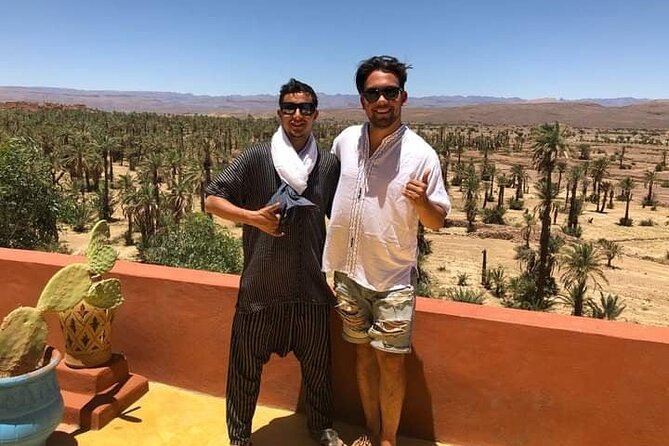
The tour begins back in Jemaa el-Fna in Marrakech, where you’ll meet your driver and guide. From there, you’ll head out into the mountains by car, and the day starts with a change in pace you can feel fast: fewer buildings, more stone, then the road climbs and curves into the High Atlas.
A fun, specific detail is the drive through Moulay Ibrahim gorges, an area noted for being used as a Mission Impossible filming location. It’s not just trivia. When you’re seeing those dramatic cliffs and tight bends from the road, it helps you understand why this region is such a magnet for filmmakers and hikers.
Practical tip: if you’re sensitive to motion sickness, plan for the winding roads. Bring a light layer too. Even when Marrakech feels warm, the mountains can cool down quickly.
You can also read our reviews of more tours and experiences in Marrakech.
Welcome tea and map talk before the first climb
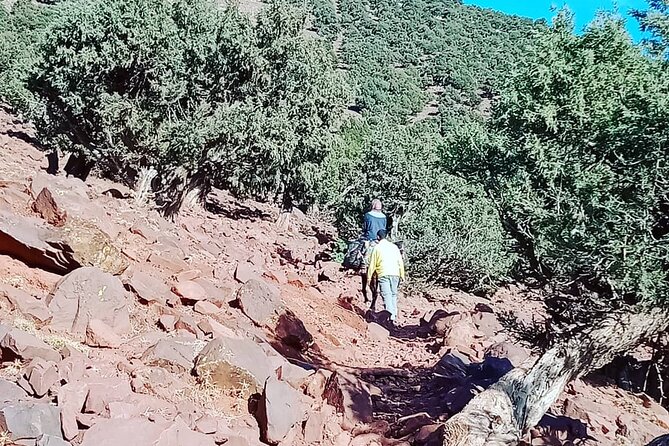
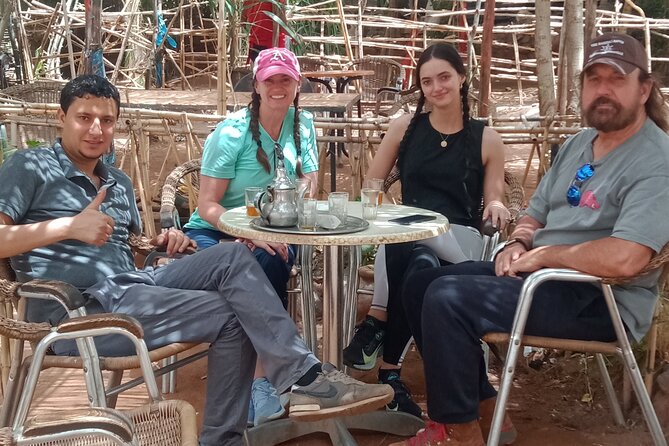
Before the walking begins, you’ll meet your team and get a cup of tea as a welcome. This sounds simple, but it’s a big deal on day one. You’re not thrown straight into altitude or steep steps. You get a quick sense of the route, the village sequence, and what you’ll do next.
The approach also tends to set expectations around pacing. People are often encouraged to walk at their own speed, which helps a lot if your group includes different fitness levels. Based on what I’ve seen praised about guides in this area (names like Houssaine and Hussein come up often), the goal is for you to arrive tired but not wrecked.
What this means for you: a short trek still feels like a proper experience, because the guide is managing the rhythm and not just leading you from point A to point B.
Day 1 hike: from Imlil-area starting points through Ait Lahcien to Tizi n’Tacht (2020m)
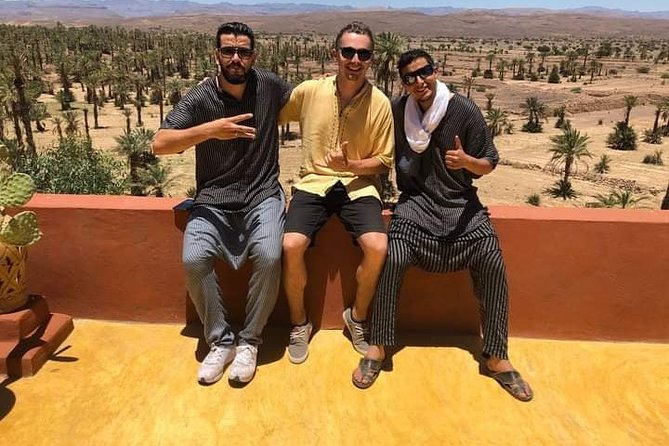
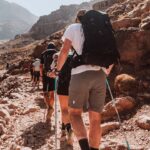
After the car ride, you start your walk in the Imlil countryside area. Day one is built around a classic pattern for this part of the Atlas: gradual effort at first, then steady climbs as the views open up.
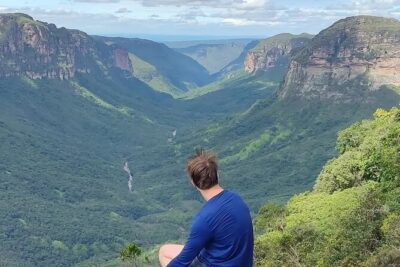
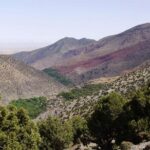
You’ll walk through Ait Lahcien village and continue up to Tizi n’Tacht at 2020m. That pass height matters. Higher points change the air and the feeling of the terrain, and they also change the kind of scenery you notice—more of the valley folds, more of the ridgeline perspective, and more of that High Atlas sense of space.
There’s also a strong comfort checkpoint: lunch in the nature, prepared by the cook. You’re not just grabbing something on the fly. This is one of those included moments that makes the trek feel human. Fuel arrives at the right time, and it keeps day one from turning into a sufferfest.
Then there’s an optional short nap after lunch, if you want it. That’s a small detail, but it’s the difference between feeling like a trek and feeling like an actual trip.
The day one continuation: Tahliouin red village, the Azzaden river crossing, and onward
After lunch and a break, you’ll set out again for another stretch of walking (about 2 hours is mentioned for part of this segment). The route goes via Tahliouin red village, then continues to cross the Azzaden river and head toward Tizian village for overnight.
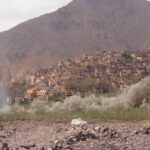
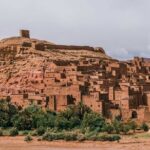
This is where the trek feels most Berber-village centered. You aren’t only seeing mountains. You’re moving through human geography—houses, paths, local farmland, and the small way communities connect across valleys and ridges.
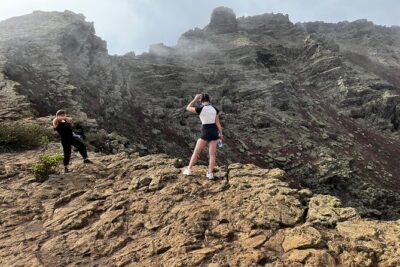
Possible consideration: river crossings and uneven ground are common on mountain village routes. It’s not described as technical, but it does mean you should expect slip-prone sections after damp weather. Good grip shoes help.
Overnight in the Tizian village area: why this part is the real prize
Sleeping in the village area after the Azzaden crossing is what turns this into a two-day story instead of a one-day hike. You get that “we’re here” feeling. The schedule is designed so you still have energy the next morning, but you also don’t rush the experience too hard.
The tour data doesn’t spell out the exact lodging style in detail, so I’ll keep it practical: expect something simple and mountain-based, and plan to focus on rest and warmth rather than luxury. What matters most is that the team is running the transition from hiking to eating to sleeping smoothly.
And the food is part of the comfort equation. Dinner is included, and that’s key on a trek where you’re burning energy all day.
Day 2: from Azzaden valley via Tizzi Mzik up to a 2400m lunch stop
Day two starts in the Azzaden valley area. You’ll walk onward via Tizzi Mzik, and the structure again is clear: move toward a higher point, stop for lunch up top, then descend into the valley.
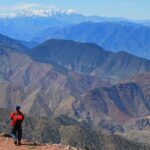
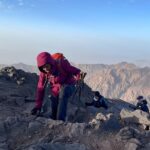
Lunch is planned at a high point of about 2400m. That altitude changes everything about the break. You’ll feel the cold more, and you’ll likely notice how much calmer the air feels up there. It’s also a good moment for photos because the angle over the valleys is different than what you saw day one.
Then the descent back toward Imlil valley
After lunch, you’ll start walking downhill toward Imlil valley. Day two is still about 6 hours total walking time, but the downhill can be surprisingly tiring on knees and ankles if you don’t use poles or keep your stride short.
If you’re thinking about your body, this is the segment where you can adjust. You don’t need to be fast. You need to be steady.
Imlil valley and the route mindset toward North Africa’s highest peak
One of the most motivating parts of this trek is that the return is framed around the starting point to the highest peak in North Africa. The tour doesn’t turn this into a summit day, but it positions you near the main hiking world of the Imlil area—the gateway zone where people start thinking bigger mountains thoughts.
Hike context matters. Standing in the Imlil valley area after day two walking gives you a sense for why this region is so beloved by hikers: the paths connect villages to ridges, and ridges to bigger goals.
Also, the tour’s emphasis on local life helps you avoid that common mistake of summit-only thinking. You finish with more than a view. You finish with a clearer idea of how people live in the Atlas and how trails actually function as everyday routes.
Guide quality: pacing, safety, and village storytelling
This trek’s reputation is built on the guide team. Names like Brahim, Hamid, Mustapha/Mustafa, and Hussein/Houssaine show up in descriptions of past trips, and the common theme is that people feel taken care of.
What you should look for in a good guide here is not just command of the route. It’s how they manage the in-between moments: the tea welcome, the map chat, the lunch timing, and the way they keep you comfortable while still keeping the schedule moving.
In multiple descriptions, guides are praised for:
- taking a safe approach on mountain paths
- maintaining a comfortable pace rather than forcing speed
- encouraging you to walk at your own rhythm
- sharing stories and village knowledge while you’re walking
- using language skills like English/French so the experience lands clearly
How that helps you: when the guide is handling logistics and pacing, your brain relaxes. That means you actually notice the details—stone paths, village colors, and the way people move through terrain—rather than just counting steps.
Meals and the real value of $104.53 per person
At $104.53 per person for about 2 days, this is priced in a way that makes sense for what’s included. You’re paying for more than “a hike.” You’re paying for:
- local guidance through two long walking days
- transportation from Marrakech to the starting areas and back to Jemaa el-Fna
- breakfast and dinner
- two lunches (one day one, one on day two at elevation)
On short treks, food and timing are where budget tours often cut corners. Here, lunch is explicitly part of the plan and is prepared by the cook. That matters because trekking hikes are not just about movement. They’re about energy management and morale.
Drinks and shopping: what to budget for
Drinks and shopping aren’t included. That means bring cash for water and any extras you might want along the way. Also, be ready for the reality of mountain spending: if you want soft drinks or extra snacks, you’ll pay locally.
What to pack for a two-day Atlas trek (so day two feels better)
The route includes passes around 2020m and a lunch stop near 2400m, plus downhill walking. Pack like you’re doing a serious hike, not a casual stroll.
You’ll want:
- grippy hiking shoes (ankle support helps)
- a light rain layer or wind layer
- a warm layer for the higher lunch stop
- a hat and sunscreen for exposed sections
- a small day bag with water and essentials
If you use trekking poles, day two downhill is a great time to have them. If you don’t, just shorten your stride and take smaller steps.
One more practical note: village routes can include dust and uneven surfaces. Keep your bag closed and your phone protected.
Group size and how the day actually feels
The group cap is 15 travelers. That size usually keeps things friendly without turning the trek into a slow-moving queue. It also helps the guide keep an eye on everyone, especially when footing changes or paths narrow.
The tour also states that most people can participate. That’s encouraging, but it doesn’t mean it’s effortless. Two days of about 6 hours walking each day at elevation is still a real physical commitment.
So be honest with yourself:
- If you can handle long walks and uneven ground, you’ll likely be fine.
- If you’re expecting smooth sidewalks, you’ll be disappointed.
Who should book this trek, and who should reconsider
I think this trek is a strong fit if you want:
- Berber village time without needing a week-long schedule
- an itinerary with included meals and a clear rhythm
- a guide-driven experience focused on safety and pace
- a taste of the Imlil hiking world without committing to a summit climb
You might reconsider if:
- you have a knee/ankle issue that struggles on downhill routes
- you want a completely low-effort day (this is not that)
- you get cold easily at elevation, since the lunch point at 2400m will feel cooler
Should you book this Atlas Imlil Trek 2-day Berber-village adventure?
Yes, if you want the best version of a short Atlas experience. The big reason to book is the balance: real walking time plus real village connections, with dinner, breakfast, and two lunches built into the plan. At $104.53, you’re also getting a small-group setup and a guide team that’s repeatedly praised for caring pacing and safety.
If you’re on the fence, use this checklist: can you comfortably walk for roughly 6 hours on two days, handle uneven mountain paths, and enjoy simple village lodging? If yes, this is a great way to spend two days around Marrakech that feels authentic, not rushed.
FAQ
Where does the tour start and end?
The tour starts at Jemaa el-Fna in Marrakech and ends back at the same meeting point.
How long is the trek?
It’s listed as 2 days (approx.), with about 6 hours of walking noted for each day.
What meals are included?
You get breakfast, dinner, and two lunches during the two days.
What’s the group size limit?
The tour has a maximum of 15 travelers.
Do I need travel insurance?
Personal travel insurance is not included, so you’ll want to arrange it separately.
What should I expect in terms of walking and elevation?
You’ll hike up and down in the High Atlas area, including points around 2020m and a lunch stop near 2400m, plus a downhill return toward Imlil valley.
Is weather a factor?
Yes. The experience requires good weather and may be rescheduled or refunded if canceled due to poor weather.
Is cancellation free?
Cancellation is free. You can cancel up to 24 hours in advance for a full refund. If you cancel less than 24 hours before the start time, the amount paid is not refunded.