REVIEW · MARRAKESH
Marrakesh: 2-Day Mt. Toubkal Trek with 1-Night Stay & Meals
Book on GetYourGuide →Operated by Omar Adventures-morocco · Bookable on GetYourGuide
The climb to Toubkal means real mountain time. You’ll hike up from Imlil through Aït Mizane valley, stop at Sidi Chamarouch, and sleep at the Toubkal Refuge around 3,200m, setting you up for a summit sunrise kind of day. I also like the small-group feel and the way guides such as Hamza, Ayoub, and Hicham keep the group together and moving safely.
One thing to know up front: it’s a serious altitude hike, and if conditions turn nasty (wind, snow, extreme cold), the team may decide the summit isn’t safe.
In This Review
- Key moments that make this trek worth your feet
- From Marrakech to Imlil: where your trek actually starts
- Day 1 route: Aït Mizane valley, Aremd, and Sidi Chamarouch
- Toubkal Refuge night: simple, shared, and surprisingly important
- Summit morning: the early start and the real payoff
- Descent and back to Marrakech: why coming down can hurt more
- Price and logistics: what $122 buys you (and what it doesn’t)
- Gear and packing: the cold surprises that catch people
- Guides and safety: what you’re really paying for
- Meals on the trail: warm fuel beats snack fantasy
- Who should book this Toubkal trek (and who should skip it)
- Should you book this 2-day Toubkal trek from Marrakech?
- FAQ
- What’s included in the trek price?
- How long is the trek, day by day?
- Where does the trek start and what elevations are involved?
- What meals and drinks should I plan for?
- Do I need to bring trekking gear or can I rent it?
- What should I pack for cold and early mornings?
- How big is the group and what languages are offered?
- Is the summit guaranteed?
- What are the cancellation and payment options?
Key moments that make this trek worth your feet
- Sidi Chamarouch + waterfall time: you pass the sanctuary area and get a break from pure grind to enjoy the setting
- Big elevation gain in just two days: from about 1,740m at Imlil to Toubkal Refuge at roughly 3,207m
- Refuge night at high altitude: dorm-style beds, basic but functional facilities, and warm food to reset
- Early summit push: you’ll start before dawn to aim for sunrise views from Jbel Toubkal
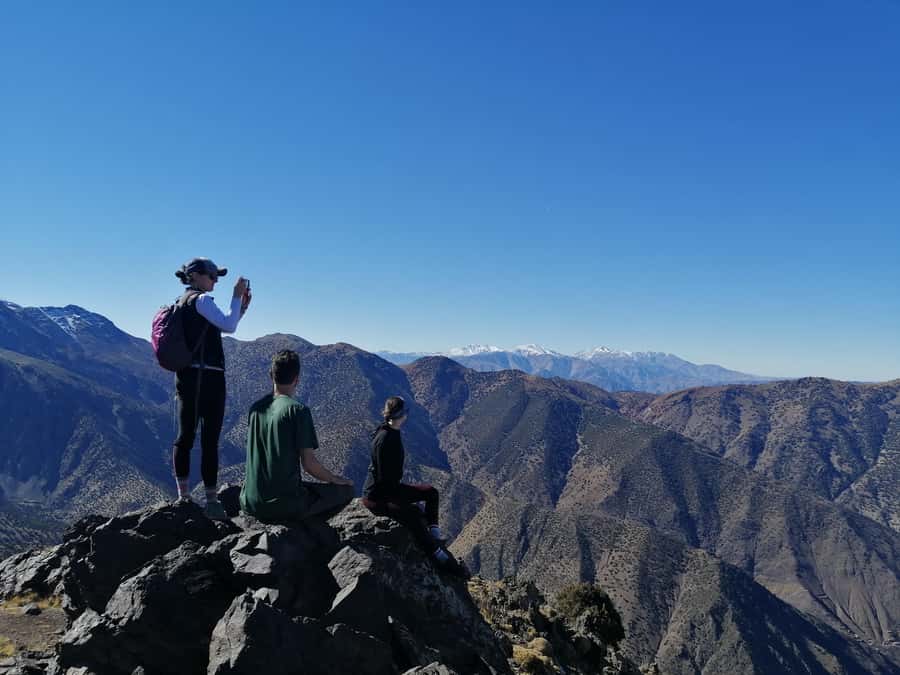
- Views that “make sense” geographically: you can see the Marrakesh plain and High Atlas to the north, then Anti-Atlas and even Sahara direction to the south
- Support for your load: a mule carries luggage for certain months (April to November), so you’re not overburdened
From Marrakech to Imlil: where your trek actually starts
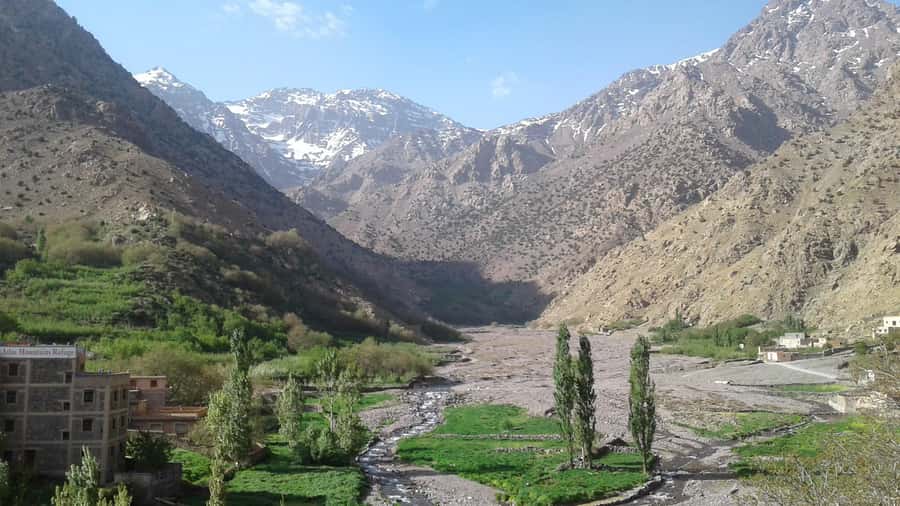
Marrakesh to the mountains is the easy part. You’re picked up in Marrakech and driven toward Imlil, the common trailhead area for Toubkal. This matters because Toubkal is won (and lost) on the first day’s pace. If you show up tired from a messy transfer, your summit day will feel twice as long.
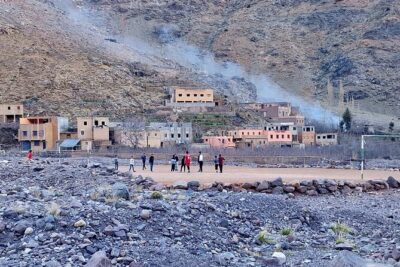
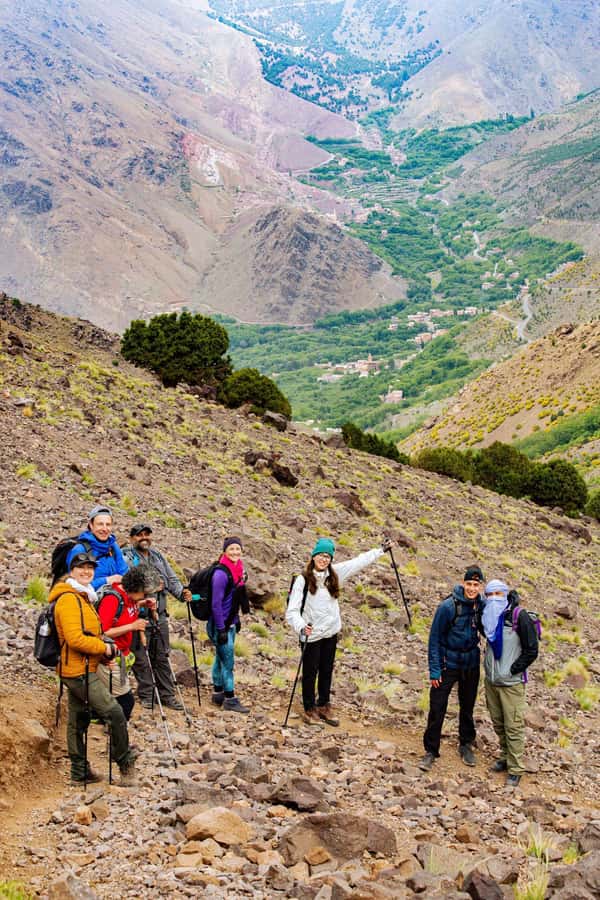
Once you reach Imlil, the trek becomes about rhythm. Day 1 is long, and it’s paced so most people can find a steady breathing pattern without sprinting into altitude. You’ll start around 1,740m and climb for about 5 to 6 hours toward the refuge, with the path gradually steepening as you get higher.
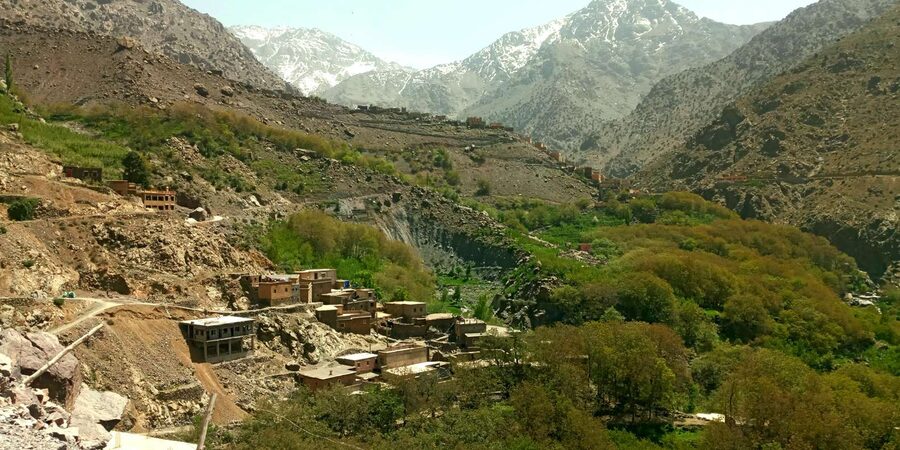
The best part here isn’t one single view. It’s the slow shift from valley life to high Atlas terrain—stone paths, narrow gullies, and that increasingly thin-air feeling in your lungs.
Day 1 route: Aït Mizane valley, Aremd, and Sidi Chamarouch
Day 1 is the “settle in and climb” day. You’ll trek through the Aït Mizane valley, then head toward the village of Aremd. That sequence is useful because it breaks the day into segments instead of one endless stair-case feeling.
Along the way you’ll pass by Sidi Chamarouch, including the nearby waterfall area. This is a nice mental reset. You’re not just climbing; you’re moving through places with meaning for local life, even if you’re mostly there for the hiking.
Expect the route to feel demanding, not because it’s technical like a climbing route, but because your legs keep getting asked to work while your altitude rises. One of the big lessons from summit-day stories is that the safest pace starts on day 1.
You’ll end Day 1 at the Toubkal Refuge (about 3,207m). Dinner and sleep at that altitude are part of the training. Your body adapts by doing, not by reading about it.
Toubkal Refuge night: simple, shared, and surprisingly important
The refuge is not a hotel. It’s more like a mountain base that’s set up for trekkers. You’ll sleep in dorm-style rooms in bunk beds, and yes, you might share space with a large group in close quarters. Reviews mention it can feel like you’re spooning with strangers—so bring that patience.
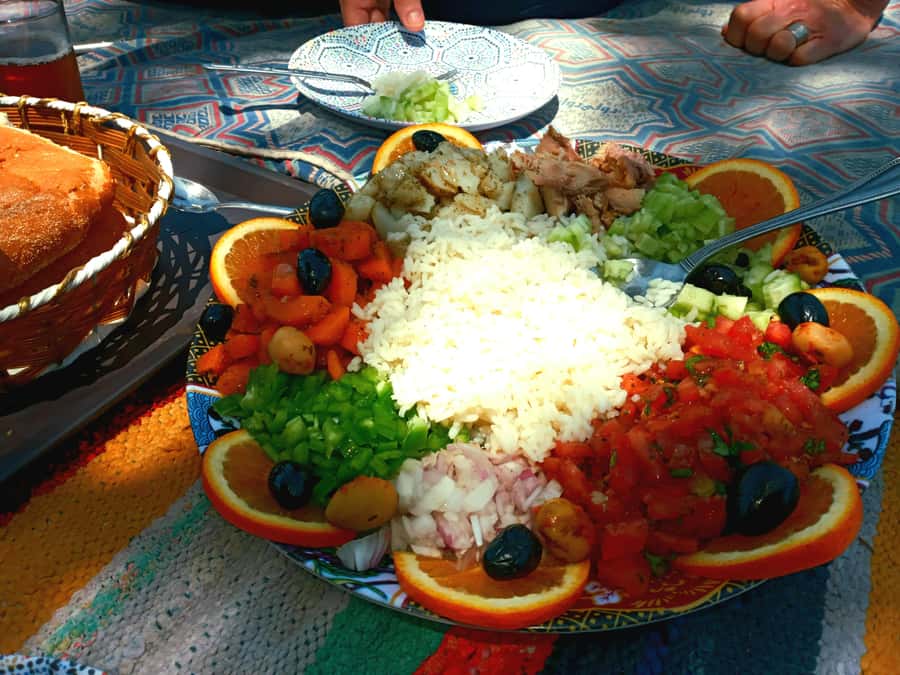
What I like about the refuge setup is the purpose. It’s built to keep you fueled for the summit push. You get dinner and you’ll have hot, warm meals that help your body recover. Many people rave about warm food and tea timing because it’s not just comfort. It’s energy management.
You can also rent or use needed cold-weather items if you didn’t pack them—people report renting things like gloves, lamps, hats, poles, and sleeping bags (the tour specifically notes sleeping bag rental is available). That’s a big deal because summit morning can be colder than you expect.
If you’re someone who needs quiet sleep, consider packing earplugs. That’s a small move that can make sunrise day feel less miserable.
Summit morning: the early start and the real payoff
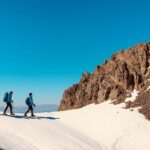
Day 2 starts early. People report wake-ups around 2:30–3:40am, then you begin the ascent in the dark or near-dark with head torches. This early timing isn’t just for vibes. It’s practical: colder air, firmer ground, and the kind of weather window guides look for when they plan safely.
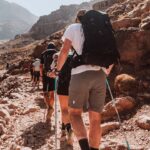
The ascent is long and steady with rocky sections and stream crossings. You’re moving across rocks and through areas where the trail can feel uneven underfoot. Your guide’s job is to keep you moving as a group while adjusting pace so nobody gets left behind or pushed into danger.
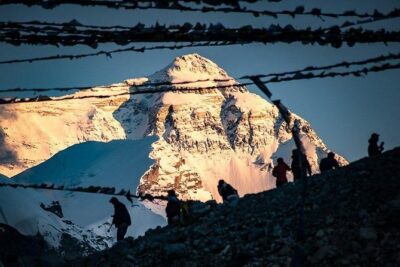
This is also where the “highest point in North Africa” detail becomes real. Once you reach the plateau area, you stop and take in views that cover an enormous portion of Morocco’s mountain geography. The plan includes a break with sights toward:
- the plain of Marrakesh and High Atlas to the north
- the Anti-Atlas and Sahara direction to the south
Then you continue toward the summit of Jbel Toubkal. Many people only get a short summit stay—usually around tens of minutes—because the priority is safe descent and keeping everyone together.
One important consideration: sometimes the summit doesn’t happen. There are instances where extreme temps, wind, or snow make the police decision change hour by hour, and the group may not summit. You still hike, but you’ll be trekking for the mountain day experience, not only a trophy photo.
Descent and back to Marrakech: why coming down can hurt more
After the summit (or after the highest safe point decision), the next challenge is the descent. Going down is often harder than going up. Your knees do more braking work, and the ground can feel rougher once you’re tired.
You’ll start descending from the summit area back down to Imlil (around 1,740m). Even if you’re feeling proud, don’t treat descent like an easy victory lap. Many people report that the total second-day trekking time can run 10–12 hours, especially when you include breaks, regrouping, and the slower pace that comes with everyone tired but still moving carefully.
Finally, you meet the transfer point and return to Marrakech. The whole day is long, so the payoff is that you go from “one of the hardest days of the trip” to “back in real town rhythm” without needing to plan anything yourself.
Price and logistics: what $122 buys you (and what it doesn’t)
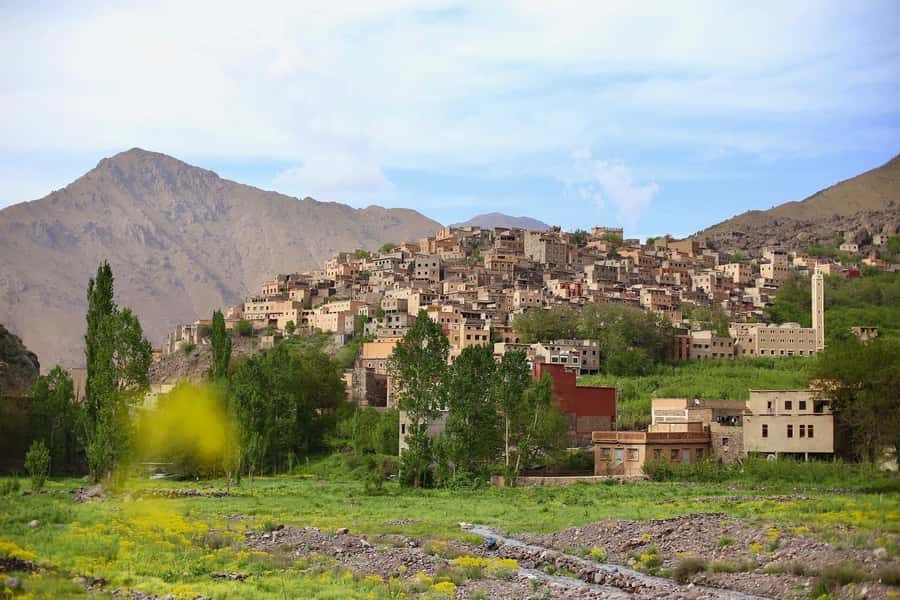
At $122 per person for a 2-day trek, the value comes from the package, not just the mountain. You’re getting:
- hotel pickup and drop-off in Marrakech
- transportation to and from Imlil
- a local guide
- one night accommodation at the refuge
- 1 breakfast, 2 lunches, and 1 dinner
- and a mule to carry luggage in April–November
That meals-and-refuge bundle is what makes the price feel fair. Toubkal trekking is not an “eat whatever on the way” kind of experience. Warm food and planned stops matter at altitude, and you’d spend extra time and effort trying to replicate it independently.
What you should budget separately:
- trekking gear (tour doesn’t include it)
- sleeping bag (only mentioned as rentable)
- drinks (not included)
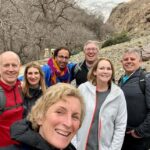
Also, group size stays small—limited to 16 participants. That keeps the pace manageable and makes it easier for guides like Hamza, Ossama/Oussama, Mostafa, Mustafa, and others to check in on everyone.
Gear and packing: the cold surprises that catch people
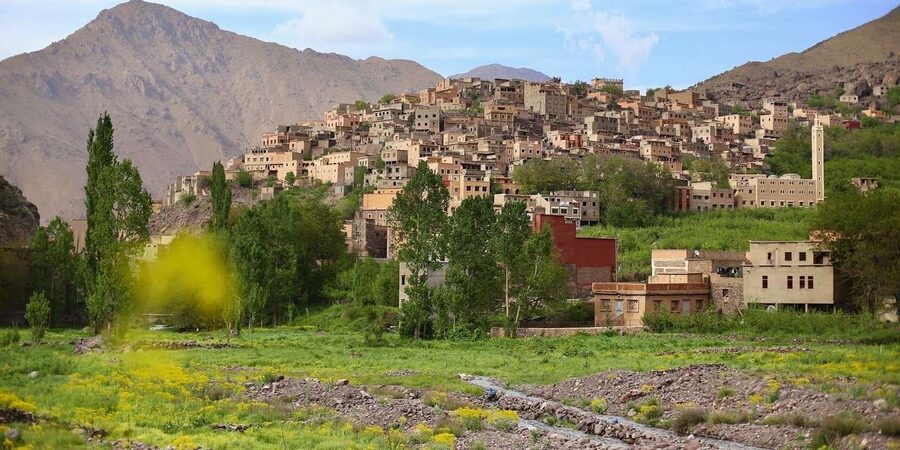
If you pack like you’re going hiking in mild weather, you’ll feel it up top. Even in Morocco, the summit area can be cold and windy. Bring proper mountain layers.
From the required and suggested list, prioritize:
- comfortable shoes plus hiking shoes (traction matters on rocky trails)
- a jacket
- gloves
- a hat and head covering (also listed: head covering or kippah)
- a daypack
- a charged smartphone (useful for photos, comms if your group uses them)
- passport
- travel insurance
If you’re short on gear, there’s rental availability for essentials. People mention renting items like gloves, headlamps, and sleeping bags at the start of the trip. Still, don’t count on rentals to cover everything. You’ll want at least the basics in your own bag so you can adjust fast.
Also, if you get cold easily, pack extra warmth. A few hikers mentioned colder conditions than expected, including snowier weather.
Guides and safety: what you’re really paying for
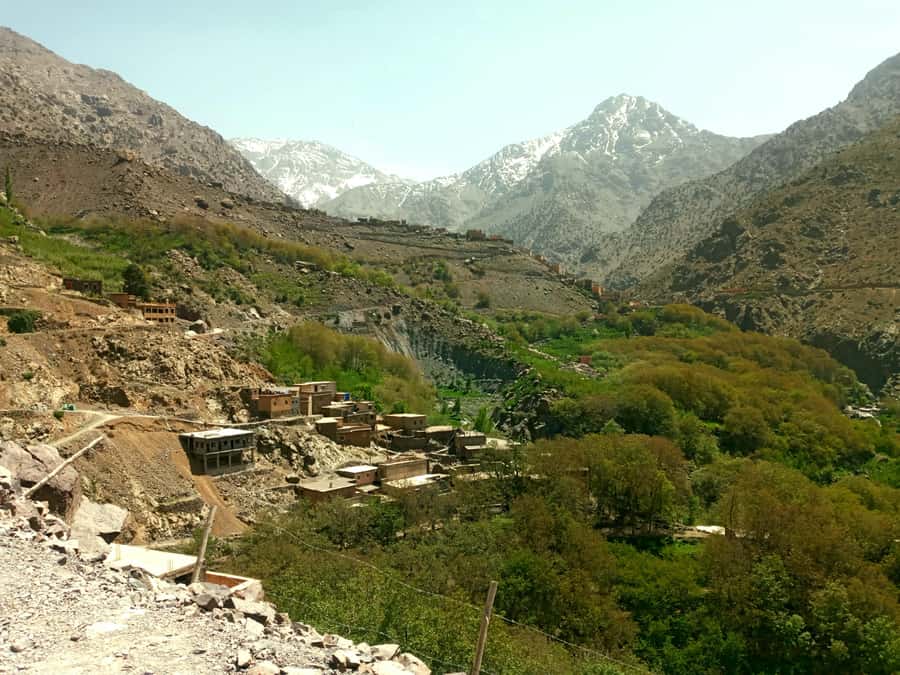
The guide quality is the difference between a grind and a memorable mountain day. Guides in past groups included Hamza, Ossama/Oussama, Ayoub, Hicham, Nouredin, Brahim, Mustafa, Omar’s team members, and others. The common thread in the feedback is that they keep the group safe and moving.
This trek is organized around controlled pacing, not bravado. You’ll see it in how guides:
- manage the group so nobody wanders off alone
- adjust to mixed experience levels
- keep you hydrated and fed through breaks
- and make summit decisions based on real-time conditions
That safety mindset is especially important because altitude changes can be abrupt. Your best move is to trust the guide’s pace and stop pattern. If you feel off, say something early. Guides are used to managing slower hikers and keeping everyone together.
Meals on the trail: warm fuel beats snack fantasy
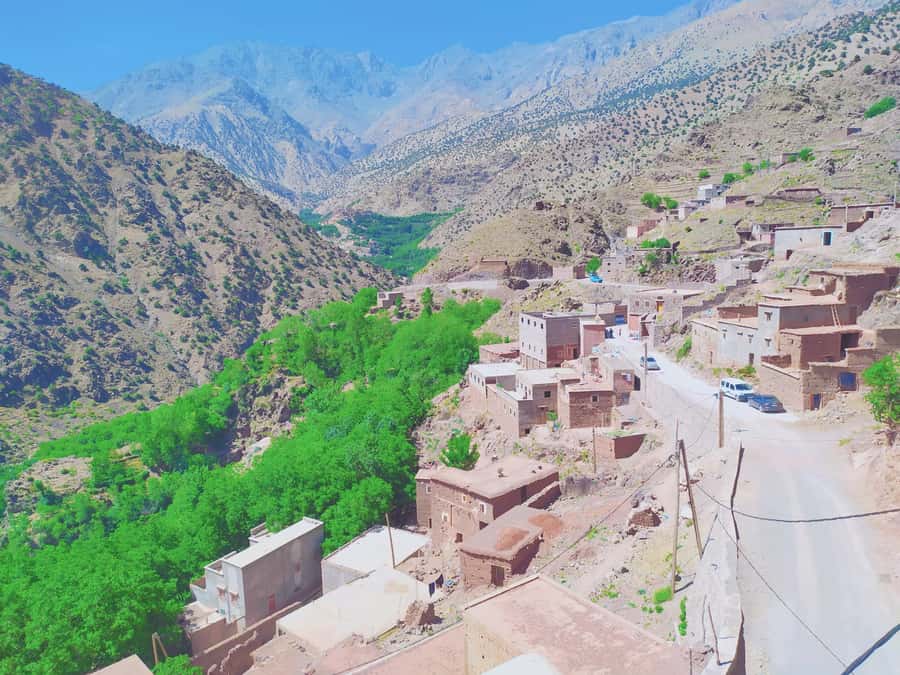
Food is part of the trek, not an afterthought. You’ll have:
- breakfast on day 2
- lunches on both days (2 total)
- dinner at the refuge
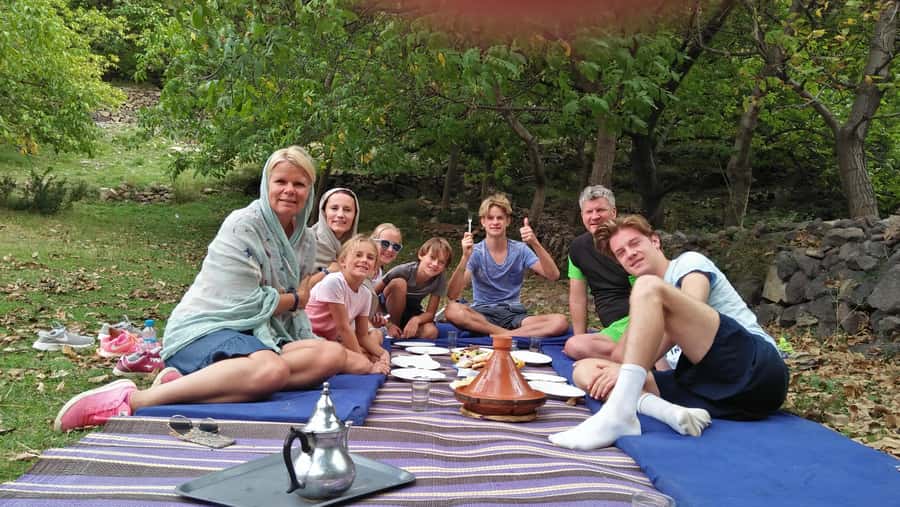
The meals are Moroccan-style and warm, which helps because cold air makes your body burn calories faster. People talk about peppermint tea too, and that’s not just a cultural detail—it’s warm comfort during hard walking.
One balanced note: a couple people wanted bigger portions. So if you’re a big eater or you know you burn fuel fast, you might want to carry a few extra snacks for yourself. Just remember drinks aren’t included, so small cash purchases of drinks and snacks along the way can come in handy if you want that.
Who should book this Toubkal trek (and who should skip it)
This trek fits you if you’re reasonably fit and comfortable with long days on foot. Expect a hard climb, especially on day 2 when you’re going from early start to summit and then descent in the same stretch.
You might love it if:
- you want a serious “high Atlas” challenge without planning logistics
- you like hiking with a guide and a small international group
- you want the sunrise-style summit goal, with safety decisions handled by professionals
You should likely skip it if:
- you’re under 12 or over 70 (the activity isn’t suitable for those ages)
- you’re not ready for cold weather and long trekking hours (10–12 hours day 2 is common)
- you have limitations with altitude or sustained exertion
Should you book this 2-day Toubkal trek from Marrakech?
If you want a classic, well-supported trek to Morocco’s most famous peak, this is a strong choice. You get the full package—pickup, guide, meals, refuge, and even luggage help in the right months—so you can focus on the climb instead of logistics.
Book it if you’re prepared for hard walking, cold early mornings, and a refuge night that’s functional (not fancy). It’s also worth booking if you like structured guiding, because the mountain can be serious and safety decisions can change quickly.
I’d only hesitate if you’re sensitive to altitude, expect a relaxed stroll, or need a quiet, private sleeping setup. For the right traveler, though, this is the kind of Morocco experience that leaves you thinking about the views long after you’re back in Marrakech.
FAQ
What’s included in the trek price?
Pickup and drop-off in Marrakech, transportation, a local guide, one night of accommodation, and meals (1 breakfast, 2 lunches, 1 dinner). A mule to carry luggage is included from April to November.
How long is the trek, day by day?
Day 1 includes about 5 to 6 hours trekking from Imlil to Toubkal Refuge. Day 2 is a long day with ascent to the summit and then descent, with total trekking time around 10 to 12 hours.
Where does the trek start and what elevations are involved?
You start in the Imlil valley around 1,740m. You trek up to the Toubkal Refuge around 3,207m, then continue upward to the summit of Jbel Toubkal.
What meals and drinks should I plan for?
Meals included are 1 breakfast, 2 lunches, and 1 dinner. Drinks are not included.
Do I need to bring trekking gear or can I rent it?
Trekking gear is not included. A sleeping bag is available to rent, and you may be able to rent additional essentials as well, but that’s not guaranteed by the tour details.
What should I pack for cold and early mornings?
Bring comfortable and proper hiking shoes, a jacket, gloves, a hat, and a head covering or kippah. Also pack change of clothes, layers for warmth, a daypack, and a charged smartphone.
How big is the group and what languages are offered?
The group is small, limited to 16 participants. The live guide is available in English, French, Spanish, and Arabic.
Is the summit guaranteed?
No. The route is planned for the summit, but the tour runs in real mountain conditions, and safety rules can affect what’s possible on the day.
What are the cancellation and payment options?
You can cancel up to 24 hours in advance for a full refund. You can reserve now and pay later to keep your plans flexible.