REVIEW · MARRAKESH
From Marrakech: 3-Day Mount Toubkal Climbing Trek
Book on GetYourGuide →Operated by Marrakech Day Trips - Tours · Bookable on GetYourGuide
After Marrakech, the Atlas starts to feel real. This 3-day Mount Toubkal climb follows a loop through Imlil and high mountain passes, with a summit attempt at 4,167m if the weather allows. Along the way, you’ll pass Tamsoult Waterfalls and spend nights in mountain refuges where the pace and food are built for walking, not rushing.
I love how this trek mixes big goals with small wins. You get a non-technical ascent to North Africa’s highest peak, plus acclimatization time walking through remote Berber villages with a certified guide team (I saw names like Youssef, Mohamed, Omar, Hassan, and Kamal leading groups). And with a small group capped at 14, it’s easier to stay together and keep a pace that works.
One consideration: the summit day is long and the altitude can make you slow down fast. Even when the route is straightforward, you’ll need warm layers and a steady mindset, especially for early starts and cold mornings at the top.
In This Review
- Key Things That Make This Toubkal Trek Worth It
- Marrakech to Imlil: The Start That Sets Your Rhythm
- Tizi Mzik Pass and the Waterfall Walk: Great Views, Real Effort
- Tamsoult Refuge Night: Where the Mountains Teach Comfort (and Cold)
- Aguelzim Pass and the Big Altitude Shift
- Summit Morning at 4,167m: Sunrise Views and a Long Downhill
- Food, Refuges, and Mule Luggage: What “Supported” Really Means
- Guides Make the Difference: Pace, Safety, and Group Harmony
- Gear You Should Pack for Toubkal (and What to Skip)
- Price and Value: Is $226 a Good Deal?
- When Weather Changes the Plan (How to Stay Happy)
- Who Should Book This Trek from Marrakech
- Should You Book This 3-Day Toubkal Trek?
- FAQ
- How long is the Mount Toubkal trek from Marrakech?
- How much does the tour cost?
- What’s included in the price?
- Is mountain gear included?
- What languages are the guides available in?
- How big is the group?
- What should I bring, and what is not allowed?
- Who is this trek not suitable for?
Key Things That Make This Toubkal Trek Worth It
- A circular loop that gives you more Atlas time than the quick out-and-back approach
- High passes for acclimatization, including Tizi Mzik Pass and Aguelzim Pass
- Tamsoult Waterfalls (a 100m drop) plus a juniper-forest walk to break up the climbing
- Refuge nights designed for hikers, with included meals and mule support for luggage
- A summit push for sunrise-style views, including the chance to see toward the Sahara on clear days
- Guides who manage the group, with repeated praise for pacing and staying safe at altitude
Marrakech to Imlil: The Start That Sets Your Rhythm
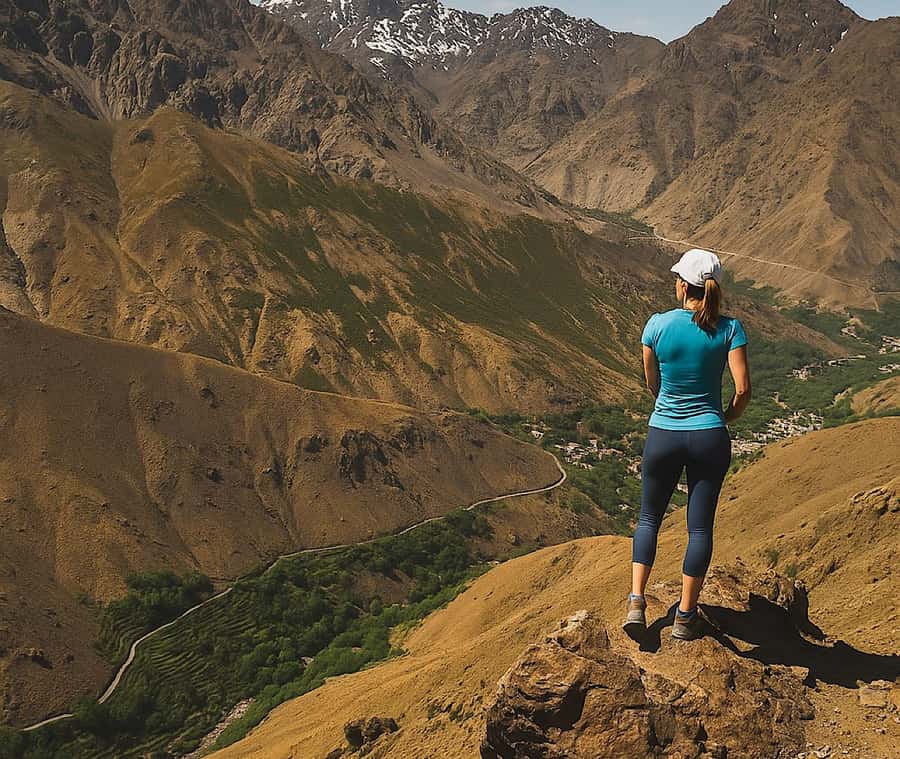
This trek doesn’t begin with a trailhead and a stopwatch. It begins with a drive from Marrakech into the High Atlas, about 65km to Imlil, passing through places like Tahanaout, Oued Ghighaya, and Asni. The point of that transfer is more than logistics. You’re gradually moving into a different world—cooler air, steeper terrain, and that shift from city noise to mountain silence.
In Imlil, you’ll meet your certified mountain guide and the muleteer team. That matters because Toubkal is all about rhythm: slow enough to breathe, steady enough to keep moving, and smart enough to save energy for the summit day. This is why many of the most helpful guide names that show up in past groups—Youssef, Mohamed, Omar, Hassan, and Kamal—are linked with pacing and “keep-your-breath” leadership.
Then you start climbing over Tizi Mzik Pass at 2,479m. You’re not doing technical moves, but you will be working your legs and lungs. Think “hike with intention,” not “walk to stretch.”
Tizi Mzik Pass and the Waterfall Walk: Great Views, Real Effort
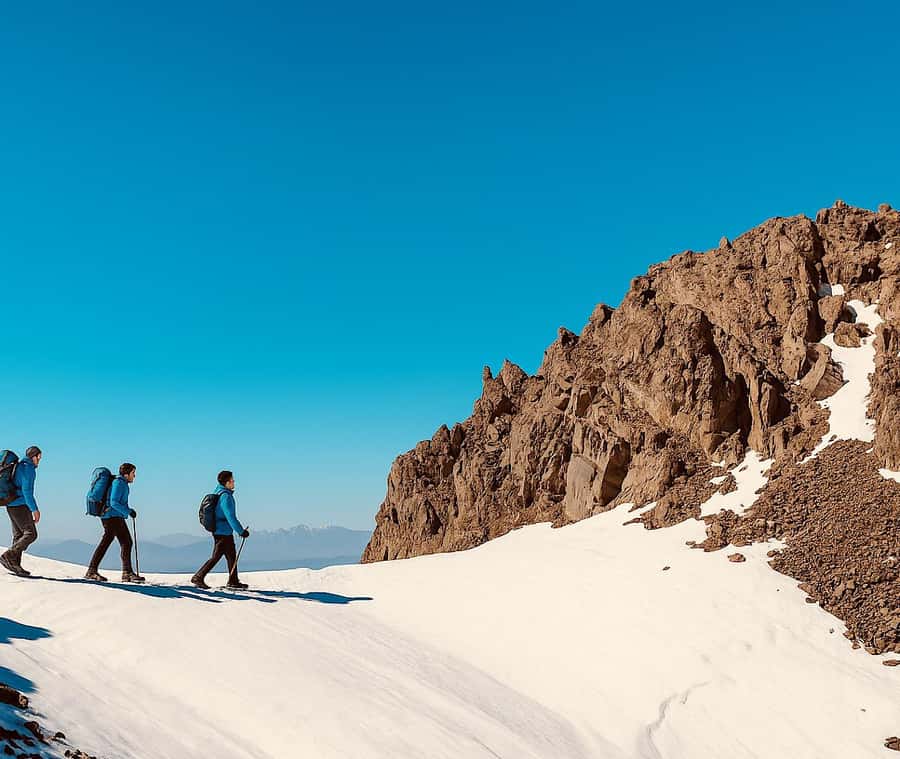
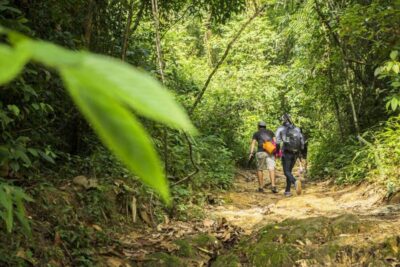
Day one is scenic early, then gets physical. After the initial climb up and over Tizi Mzik Pass, the route continues through a juniper forest toward the highest waterfalls in the Atlas Mountains—about a 100m drop. That waterfall stop is the kind of reward that keeps you motivated when the path gets steeper and the air thins.
Here’s what you’re actually signing up for on this leg:
- Distance: 11 km
- Elevation: +800m / -400m
- Walking time: about 5–6 hours
The details matter. That’s not a “stroll” day. It’s long enough to feel it in your calves, but paced in a way that helps you settle into the altitude without exhausting yourself before the real climbs begin.
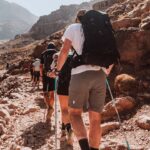
You’ll likely notice the terrain shifting as you climb: rocky patches, uneven footing, and sections where you’re walking more carefully than quickly. Comfortable hiking shoes are a must, and you’ll want real socks and laces you trust. The reward, when the light hits the valley, is the kind of wide Atlas view that makes the effort feel fair.
At the end of the day, you move on to Tamsoult Refuge for the night. This is where the trek starts feeling like a mountain experience instead of a day trip.
Tamsoult Refuge Night: Where the Mountains Teach Comfort (and Cold)
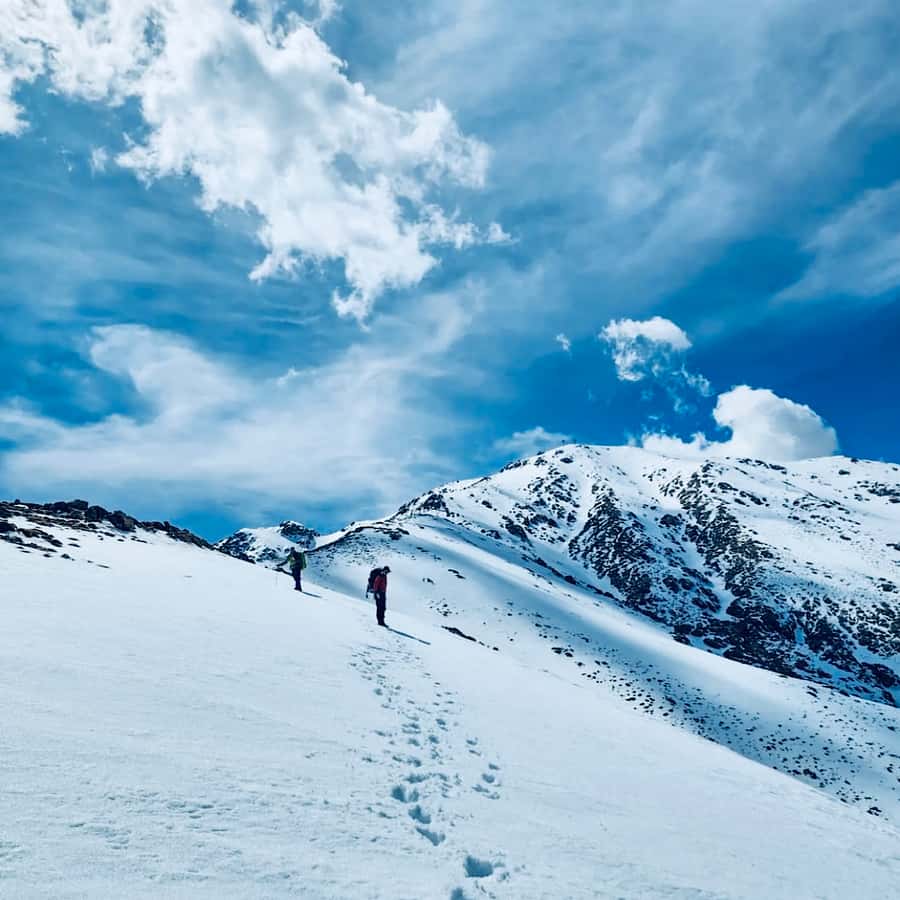
After hours on the trail, you want two things: food and a warm way to reset. At Tamsoult Refuge, you’ll get dinner and a night in a local mountain setting. Reviews from past hikers describe refuge stays as basic, but welcoming—exact comfort levels can vary, and you should plan for simple mountain accommodation rather than hotel standards.
One practical detail: sleeping gear. The operator recommends bringing a sleeping bag and warm clothing. Some hikers note that refuges may have beds and blankets, so sleeping bags might not be essential in every season. Still, I’d treat the sleeping bag recommendation as smart insurance. Summit mornings can be cold even when the daytime feels fine.
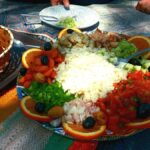
Food is included for the 3 breakfasts, 3 lunches, and 3 dinners. Past groups often praise the meals for being hearty and well-timed for hiking days—exact menus can differ, but you’re being fed like someone who will walk again tomorrow.
And since it’s a refuge: plan for basics you might forget. Bring toilet tissue and soap if you can. More than one hiker mentioned that refuge supplies aren’t guaranteed. That’s a small thing that saves a lot of stress when you’re tired.
Aguelzim Pass and the Big Altitude Shift
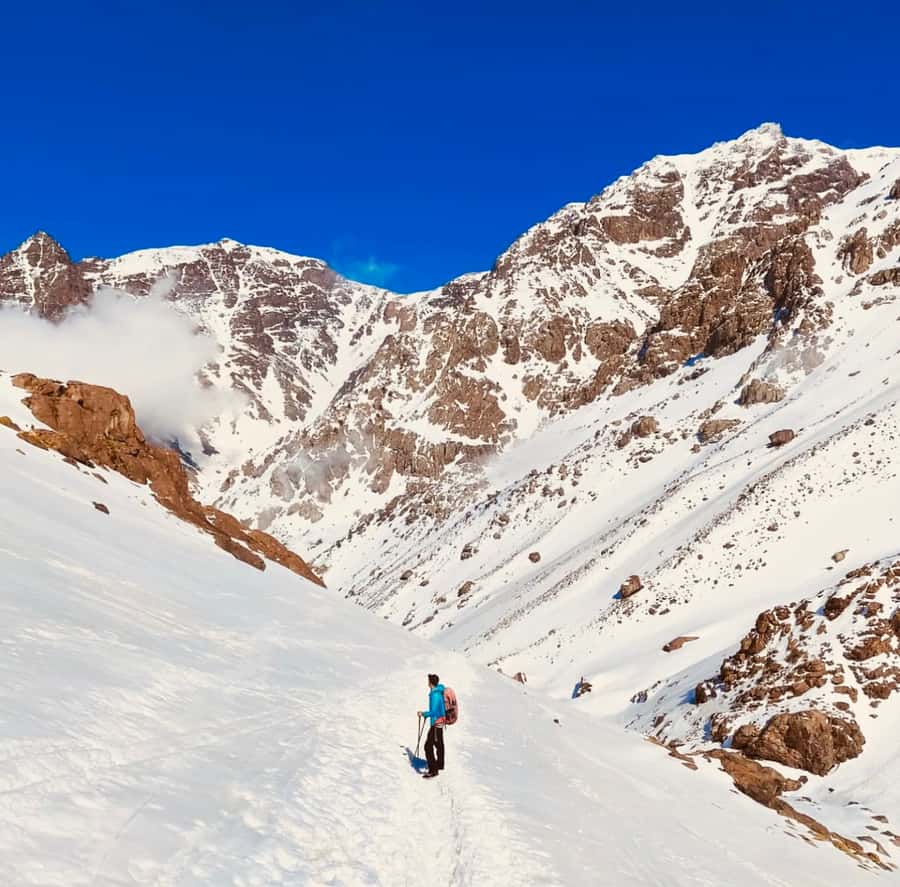
Day two is the altitude day. The trek climbs gradually toward Aguelzim Pass at 3,650m, with a major gain that tests your pacing more than your technical skill.
What you’ll feel most: not just height, but patience. The climb is long enough that you can’t afford to charge. This is where guides earn their money. Groups have praised guides for checking in constantly and adjusting pace so everyone can keep moving, including hikers who were slower due to sore legs or lower fitness.
On paper, this day looks like:
- Distance: 10 km
- Elevation: +1,200m / -300m
- Walking time: about 6–6.5 hours
Once you reach the pass, the views of the Toubkal Summit are the payoff. And then comes the transition: you descend toward Toubkal Refuge at about 3,207m. That drop is crucial for summit day logistics—you want your body rested enough to start early without feeling smashed.
This night at the Toubkal Refuge is your true launch pad.
Summit Morning at 4,167m: Sunrise Views and a Long Downhill
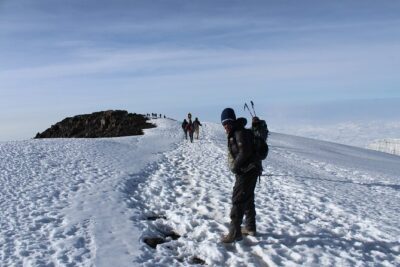
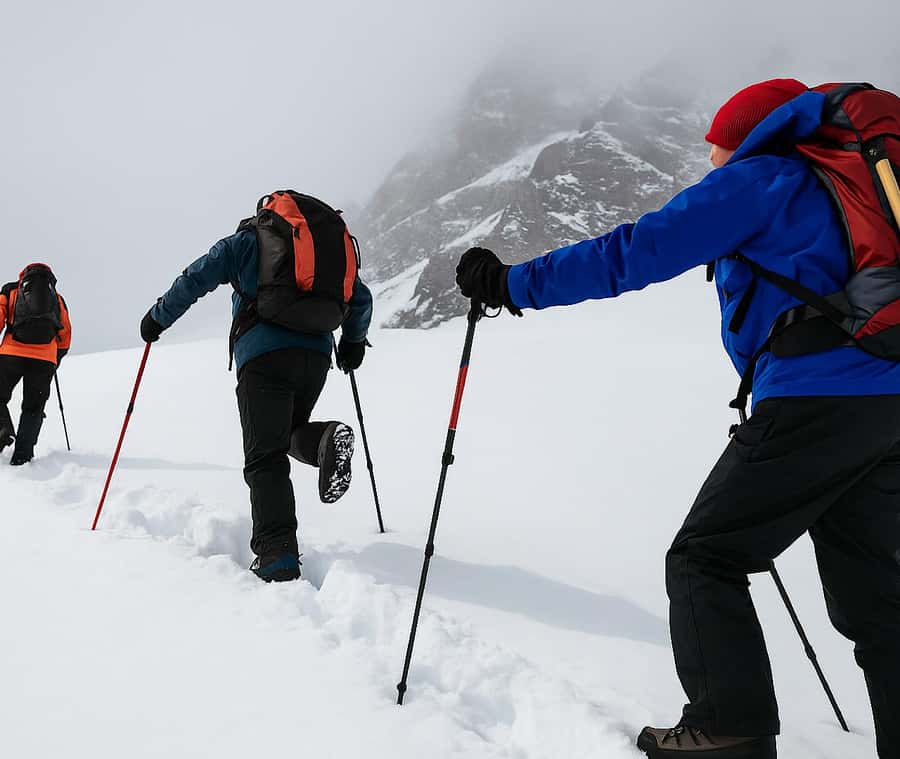
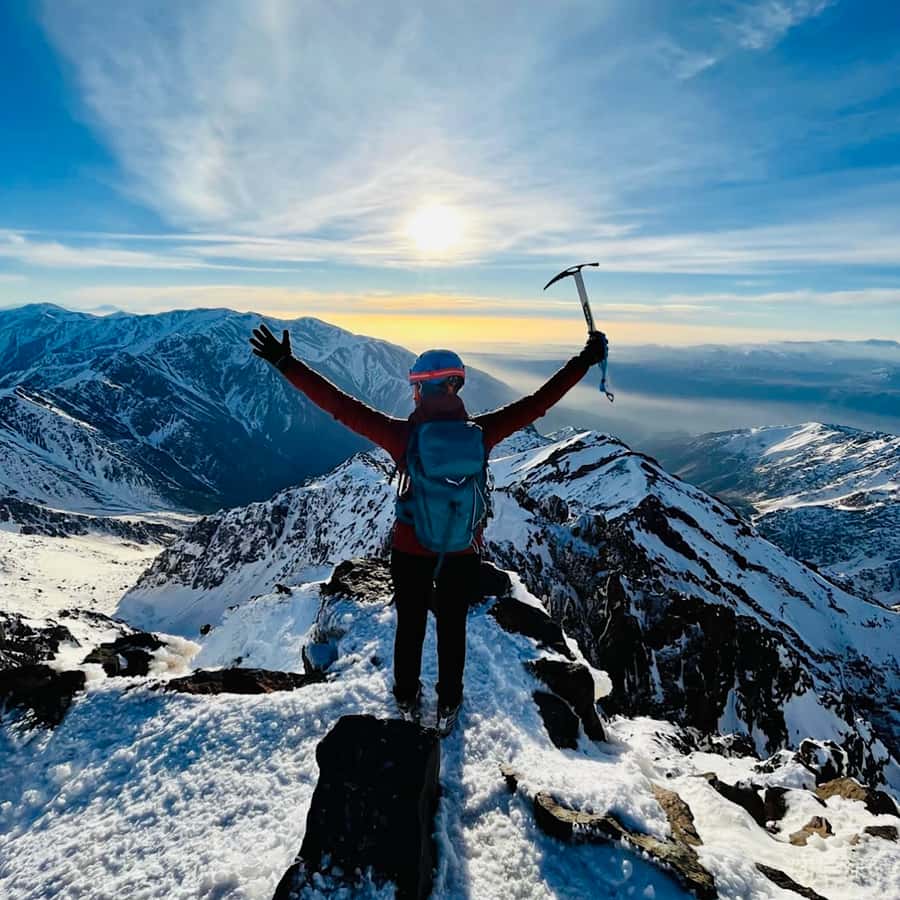
Summit day starts early because time and weather are part of the mountain. If conditions are right, you’ll climb to the top of Mount Toubkal at 4,167m, the highest peak in North Africa. On clear days, you may even see toward the Sahara Desert on the horizon—one of those mind-bending High Atlas-to-desert perspective moments.
The summit climb itself is described as non-technical, but it’s not easy. You’ll be walking uphill for hours, then turning around for a long descent that can stress your knees, ankles, and balance.
The effort totals look like this:
- Distance: about 4 km for the summit loop, plus significant descending afterward (total day includes a long walk back toward Imlil)
- Elevation: +980m / -2,500m
- Walking time: about 8–9 hours
What helps most is managing your pace on the way up and using controlled steps on the scree and rocky stretches on the way down. Several past hikers noted guides catching slipping hikers and keeping everyone safe. That’s not extra—it’s the difference between arriving refreshed and arriving wrecked.
When you reach the top, expect a wide 360° view under crisp mountain air if the sky is clear. Then you get back to Toubkal Refuge for a short break before continuing down to Imlil and transferring back to Marrakech, usually arriving around 5:00 PM.
Food, Refuges, and Mule Luggage: What “Supported” Really Means
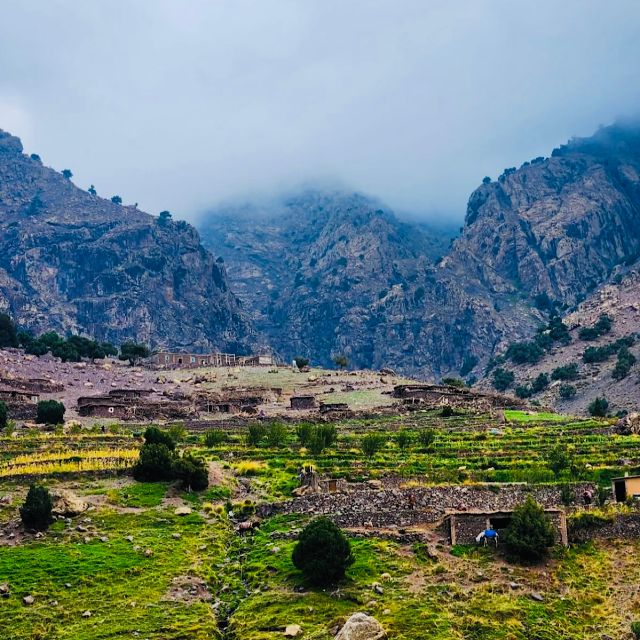
This trek includes mule support for luggage and meals prepared by the team. That’s a big value lever: it means you’re not carrying everything on your back while you’re climbing high passes.
It also changes how you pack. One hiker specifically pointed out that the mules carry luggage you don’t need immediately at the refuge you’re staying at. So don’t pack your entire life into one daypack. Pack light where it counts:
- Keep your essentials for the trail in your day bag (water plan, layers, snacks if you use them, camera).
- Keep extra items organized for later (warm hat, spare socks, small personal items).
Refuge comfort is basic but functional. Past hikers mention hot showers in some cases, and at least one mention of a fee for hot showers at a specific refuge. That tells you the likely reality: hot water might be available, but don’t count on it being included everywhere.
And again: bring your own toilet tissue and soap if you can. Refuge standards are mountain practical, not travel-luxury.
Guides Make the Difference: Pace, Safety, and Group Harmony
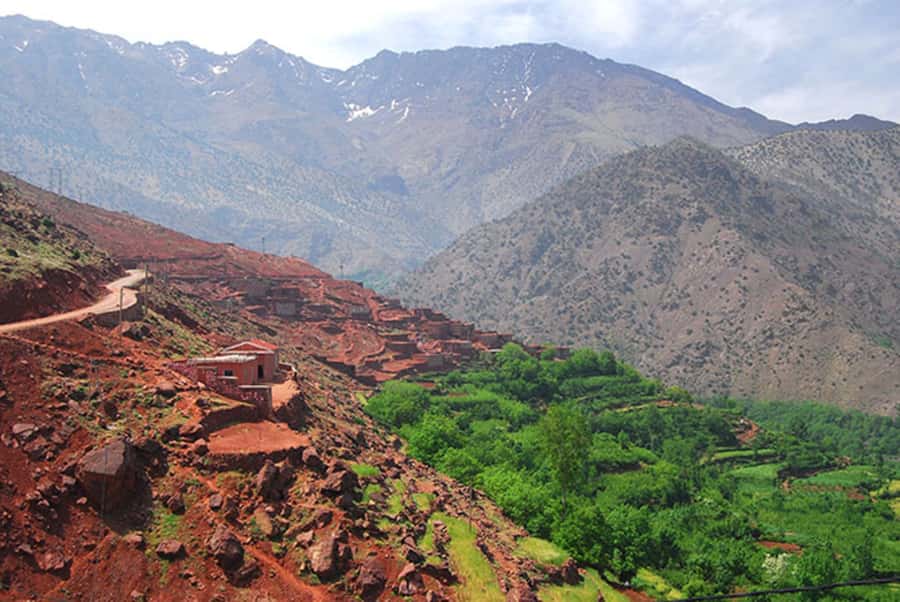
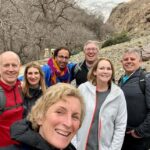
I’m a big fan of tours where the guide actually manages the hike, not just the route. On this trek, the repeated praise is consistent: guides keep the group together, set a pace that helps people summit, and watch for slips and altitude stress.
You’ll meet a guide team that may include people like:
- Youssef, praised for helping hikers and supporting everyone’s wellbeing
- Mohamed and Omar, praised for pacing and keeping the group comfortable
- Hassan and Mustafa, praised for leadership during tough altitude sections
- Kamal, praised for timing sunrise and helping slower hikers down safely
Even when weather doesn’t cooperate, the guiding response matters. Past hikers noted situations where storms or road closures changed the plan, turning a summit attempt into a shorter trek or shifting the third-day focus to Berber villages. That’s an important mindset point: the mountain controls the details. A good guide keeps the day meaningful even when you have to adjust.
Gear You Should Pack for Toubkal (and What to Skip)
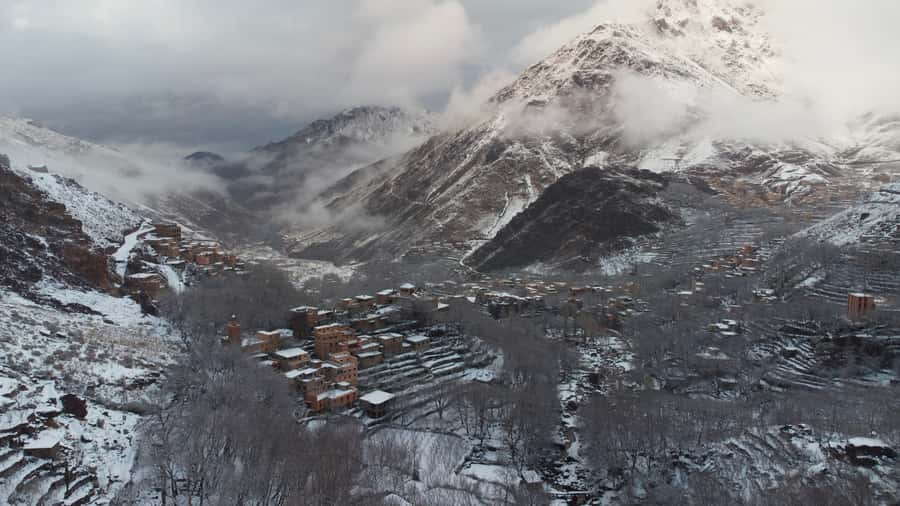
The operator’s basic packing list is a strong start:
- Passport
- Warm clothing
- Hiking shoes
- Jacket and rain gear
- Camera
- Sleeping bag
But don’t stop there. Based on what hikers emphasized, I’d also plan for:
- A headlamp for early starts
- Warm hat and layers for the summit morning cold
- Snacks and electrolytes (some hikers mention ORS/electrolytes, and a few stressed bringing extra snacks)
- Toilet tissue and soap for refuge use
Also follow the rules:
- No sandals or flip flops
- No sleeveless shirts
- No slippers
That’s about safety and respect on mountain routes. The evening comfort items are optional, but your trail footwear should be closed-toe and stable.
Price and Value: Is $226 a Good Deal?
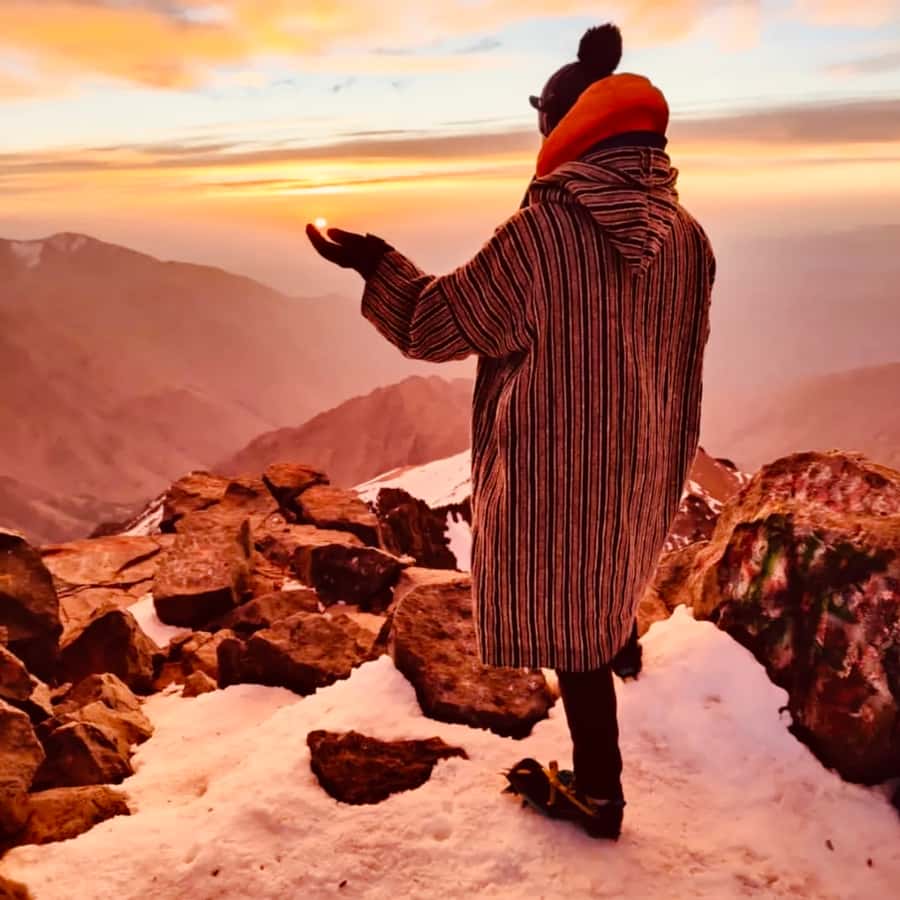
At $226 per person, this isn’t a bargain hike because you’re paying for real mountain logistics:
- Roundtrip transportation from Marrakech
- A tour guide (English, Arabic, French)
- Muleteers and mules for luggage
- Accommodation at local houses/refuges
- Meals: 3 breakfasts, 3 lunches, 3 dinners
What you don’t get in the price: travel insurance, personal expenses, and mountain gear. That last part matters. If you don’t already own hiking shoes and a proper jacket, budget for rentals or buying essentials before you go.
Small group size (limited to 14) is another value marker. In a group that size, your guide can manage pacing and safety without feeling like you’re hiking in a crowded line.
If you want the summit of North Africa’s highest peak with support, included food, and mule help for luggage, the price feels fair for the work you’re doing and the services you’re receiving.
When Weather Changes the Plan (How to Stay Happy)
Mount Toubkal is high. That means weather can change things quickly. Past hikers reported scenarios like a storm preventing a summit attempt, and road closures forcing route adjustments. Sometimes the result is disappointment. Sometimes it becomes a shorter trek where you still hike and still see villages and mountain scenery.
So go in with a flexible mindset. Ask yourself:
- Are you okay with the summit being weather-dependent?
- Do you still want the hiking, refuges, and Berber village time even if conditions stop the top?
If the answer is yes, this trek stays a great choice. If your entire trip hinges on reaching the summit no matter what, you’ll want to plan carefully and keep expectations realistic about high mountain weather.
Who Should Book This Trek from Marrakech
This is a strong match if you:
- Want a non-technical route to a serious altitude goal
- Like walking with a guide and enjoying the villages and passes instead of just rushing to the top
- Prefer a small group and support that includes mule logistics and full meals
It’s not a match if you fall into the operator’s exclusions: children under 2, pregnant women, people with high blood pressure, or those over 95. If you’re unsure, the safe move is to check with your doctor first because altitude and early mornings aren’t small variables.
If you’re a beginner, this trek can still work, but be honest with yourself. Several hikers described it as challenging. You’ll need decent hiking ability and willingness to walk 5–6 hours on tough terrain, then repeat the effort at higher altitude the next day.
Should You Book This 3-Day Toubkal Trek?
I’d book this trek if you want an Atlas experience that actually feels like Morocco’s mountain life, with a route built around acclimatization, strong guiding, and real summit views when conditions cooperate.
Don’t book it if you:
- Want a guaranteed summit no matter the weather
- Aren’t ready for cold summit mornings and a long return descent
- Will struggle with high-altitude hikes without needing a lot of downtime
If you go in prepared—warm layers, good shoes, headlamp, and a light mind when the weather nudges the schedule—you’ll get what most people come for: big views, a serious hike, and the kind of achievement that sticks around long after you’re back in Marrakech.
FAQ
How long is the Mount Toubkal trek from Marrakech?
The trek duration is 3 days.
How much does the tour cost?
The price is $226 per person.
What’s included in the price?
Included are a tour guide, roundtrip transportation from Marrakech, muleteers and mules for luggage, accommodation at a local house, and 3 breakfasts, 3 lunches, and 3 dinners.
Is mountain gear included?
No. Mountain gear is not included.
What languages are the guides available in?
The live tour guide speaks Arabic, English, and French.
How big is the group?
The group is small and limited to 14 participants.
What should I bring, and what is not allowed?
Bring a passport, warm clothing, camera, hiking shoes, jacket, rain gear, and a sleeping bag. Not allowed: sandals or flip flops, sleeveless shirts, and slippers.
Who is this trek not suitable for?
It is not suitable for children under 2 years, pregnant women, people with high blood pressure, or people over 95 years.